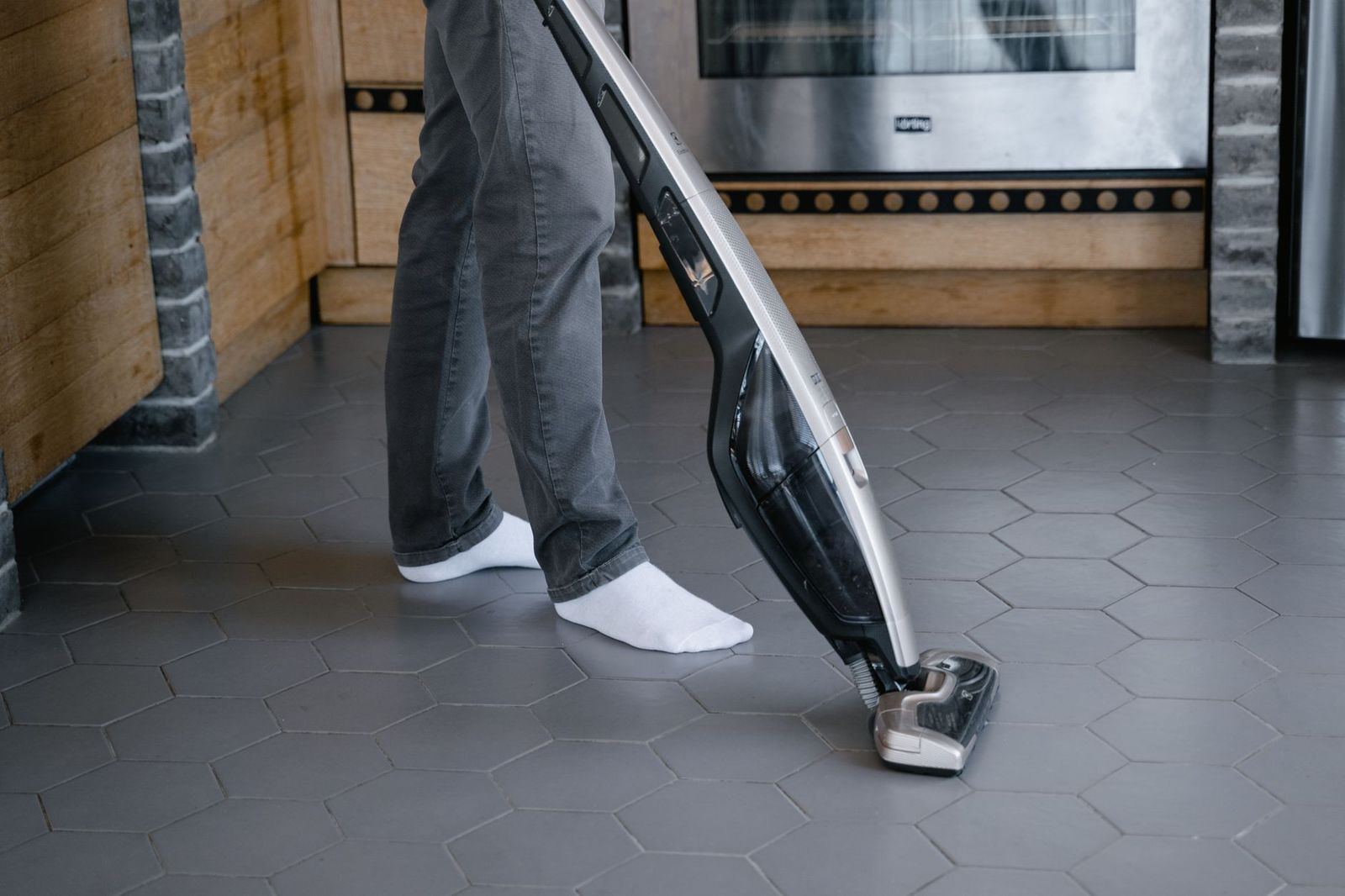
Best 2.5 Gallon Shop Vac for 2026: A Compact Buying Guide
Disclosure: We may earn a commission when you buy through links on this page, at no extra cost to you. As an Amazon Associate I earn from qualifying purchases. Learn more

A 2.5 gallon shop vac handles spills, car messes and quick cleanups. Compare suction, filters, hose reach and bags before you choose a compact model.
A bag of flour bursts on the pantry floor, the dog tracks mud across the entry tile, and the car footwell is full of gravel and cracker crumbs. None of these jobs justifies dragging out a full size vacuum, and all of them are exactly what a small wet dry vac was built for. Choosing the best 2.5 gallon shop vac comes down to matching suction, filtration and hose reach to short, frequent messes rather than to workshop marathons.
This guide walks through who this size suits, the specs that actually matter in a compact tank, and the mistakes that leave owners disappointed. If your messes regularly involve flooded floors or renovation debris, start with our broader guide to the best shop vac lineup instead. For everyone else, the comparison table below lines up the main options in this class.

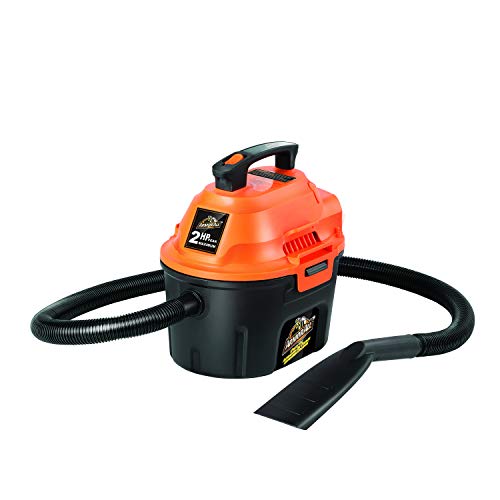
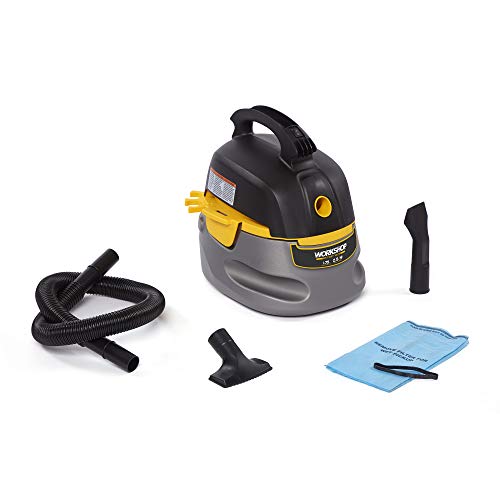


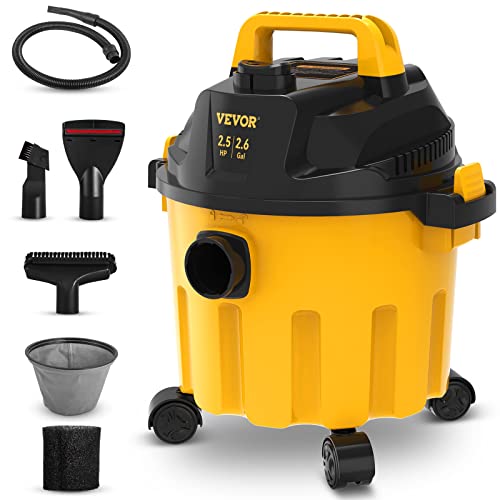
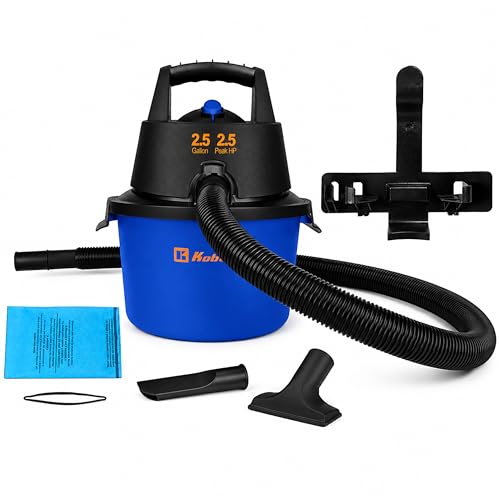
Who Should Buy a 2.5 Gallon Shop Vac?
Apartment and Condo Dwellers Short on Storage
A 2.5 gallon tank stores in a closet corner, under a utility sink or on a laundry room shelf, so it fits homes with no garage at all. The light body carries up and down stairs without a second trip, which matters when the mess is on a third floor landing. Corded models in this class usually give you about 10 to 16 feet of cord plus hose, enough for one room at a time. If your cleaning is a series of small rooms rather than one big open space, this footprint is the whole point.
Car Owners Who Clean Interiors at Home
Sand, pet hair and spilled drinks in a footwell need a narrow crevice tool and a hose that reaches from the driveway into the back seat. A compact vac is easy to set on the garage floor or even the car seat while you work, and the small tank is plenty for one vehicle. Our guide to the best shop vac for car detailing covers larger setups, but for a weekly interior tidy, 2.5 gallons rarely feels limiting.
Pet Owners Handling Daily Small Messes
Litter scattered outside the box, kibble under the feeding mat and hair tumbleweeds along baseboards appear every day, not once a month. A small vac that lives near the mess comes out in seconds, so the job actually gets done. Look for a model with a filter bag option, because fine litter dust clogs a bare cartridge filter fast. Empty the tank often, since pet hair mats into a plug that quietly strangles suction.
Key Features to Compare
Suction Power in a Small Tank
Compact shop vacs are usually rated between about 2 and 4 peak horsepower, but that number is a poor way to compare them. Airflow, measured in CFM, tells you how much debris the vac pulls across a floor, while sealed suction tells you how well it lifts water and grit out of carpet pile. In this size class, airflow around 40 to 60 CFM handles household messes well. A stronger motor in a tiny tank also means more noise, so treat headline horsepower as marketing and weigh airflow first.
Filtration and Filter Bags
Most 2.5 gallon models use a foam sleeve for wet pickup plus a paper cartridge or cloth filter for dry work. That basic setup traps coarse dirt fine, but drywall dust, ash and litter powder pass through or cake onto the filter until suction fades. Disposable filter bags solve most of this: debris stays in the bag, the main filter stays clean, and emptying stops being a dust cloud. If anyone in the home has a dust sensitivity, bags are close to mandatory. Check bag prices before buying, because a cheap vac with costly bags is not cheap for long.
Hose Diameter, Length and Attachments
The standard hose in this class is about 1.25 inches wide and 4 to 6 feet long, which suits car interiors and tight corners but clogs on chunky debris like wood chips or gravel piles. A utility nozzle, a crevice tool and a small brush cover nearly every household job, so confirm all three are in the box rather than sold separately. Extension wands matter more than owners expect, because they let you vacuum under appliances without kneeling. A hose that locks onto the tank also prevents the classic mid job pop off that sprays dust everywhere.
Wet Pickup Behavior and the Float Shutoff
Every wet dry vac uses a float that rises with the water level and seals the motor intake when the tank is full. On a 2.5 gallon tank that moment arrives fast, roughly after 2 gallons of liquid, so plan on one sink or toilet overflow per emptying, not a whole flooded room. Before any wet job, remove the paper filter and bag, since soaked paper tears and grows mildew. Plug into a GFCI protected outlet whenever you vacuum liquids, and never use a shop vac on flammable liquids such as gasoline or solvents.
Weight, Noise and Cord Management
Empty, these vacs typically weigh about 5 to 8 pounds, and a full tank of water adds roughly 16 pounds, so the carry handle and its balance decide whether stairs feel easy or risky. Small motors spin fast and sound shrill, often louder in pitch than bigger vacs even at similar decibel ratings. A cord wrap and onboard accessory storage sound minor until you carry the vac with one hand and a spray bottle in the other. If cords annoy you, our roundup of the best cordless shop vac models shows what battery versions trade away in runtime.
Is 2.5 Gallons Enough? Sizing the Tank to Your Messes
Think in jobs, not gallons. One car interior cleanout, one litter box area, one spilled bag of potting soil or one sink overflow each fit comfortably in this tank. A garage floor after a woodworking session does not, because the tank fills with shavings in minutes and every emptying costs you a trip to the trash. Households that mostly vacuum hard floors and vehicles can also compare the slightly larger options in our guide to the best small shop vac models before deciding. The honest check is your biggest routine job: if it fits, the compact size wins on storage and speed every day after.
Common Mistakes to Avoid
- Leaving the paper filter and bag in for wet pickup, which ruins both and leaves the tank smelling sour.
- Vacuuming fine dust like drywall or ash without a filter bag, which clogs the filter and cuts suction within minutes.
- Judging models by peak horsepower alone, which ignores the airflow and filtration that decide real cleaning results.
- Ignoring the float shutoff during wet jobs, so the motor strains against a sealed intake and overheats.
- Storing the vac with a damp tank and filter, which grows mildew that blows back into the room next time.
- Buying the cheapest bags and filters later at a markup, which quietly doubles the running cost of a bargain vac.
How to Make Your 2.5 Gallon Shop Vac Last Longer
Empty the tank after every wet job and leave the lid off until the inside dries fully, because trapped moisture is what corrodes the motor housing and breeds odor. Wash the foam sleeve in warm soapy water, rinse it well and let it dry completely before refitting it. Tap dry dust out of the cartridge filter outdoors, and replace it when the pleats stay gray after cleaning or when suction drops despite a clean tank. Check the float moves freely each time you empty, since a stuck float defeats the only protection the motor has. Coil the hose loosely rather than in tight bends, which crack the plastic over time. Store the vac indoors, not in a damp garage corner, and keep a spare bag and filter on hand so a mid job clog never tempts you to run the vac unfiltered.
FAQ
Is a 2.5 gallon shop vac big enough for a garage?
It is big enough for a one car garage if your jobs are spills, cobwebs, workbench dust and the car interior. It is not big enough for sweeping up a whole garage floor of leaves and gravel in one pass, because the tank fills after a few square yards of chunky debris. Many owners pair a compact vac for weekly jobs with occasional borrowing of a larger machine for spring cleanouts.
Can a 2.5 gallon shop vac pick up water safely?
Yes, with the foam sleeve fitted and the paper filter and bag removed. The float shuts off suction when the tank reaches capacity, so stop and empty as soon as the motor note rises. Use a GFCI protected outlet, keep the vac itself out of standing water, and never vacuum gasoline, solvents or hot ash, which can ignite inside the tank.
Does a 2.5 gallon shop vac need a filter bag?
It will run without one, but a bag dramatically improves life with fine dust. Bags keep litter powder, flour and drywall dust off the main filter, so suction stays strong and emptying takes seconds. The trade off is a small ongoing cost, usually a few dollars per bag. For coarse debris like leaves, skip the bag and save the money.
How loud is a 2.5 gallon shop vac?
Expect a high pitched whine that most people find more annoying than the deeper rumble of a large vac, even when the measured volume is similar. Short jobs are fine for most households, but wear hearing protection for sessions longer than about 15 minutes. A diffuser or muffler accessory, sold for some models, softens the exhaust note without hurting suction much.
How do you clean a 2.5 gallon shop vac?
Empty the tank, rinse it with plain water and wipe it dry, then wash the foam sleeve and let every part dry fully before reassembly. Clean the dry filter by tapping it inside a trash bag outdoors, and wash cloth style filters only if the manual allows it. Drying matters more than scrubbing: a vac put away damp will smell musty and spread that smell on its next use.
Final Thoughts
A compact vac earns its place by being grabbed daily, not by winning spec contests. Match the filtration to your dust, confirm the hose and tools fit your car and corners, and respect the float on wet jobs. Chosen that way, the best 2.5 gallon shop vac for your home turns five minute messes into two minute ones. Compare the finalists in the product table above, and check bag and filter prices before you order so the running costs hold no surprises.