
Best Kenmore Upright Vacuum for 2026: Bagged Strength, Honest Value
Disclosure: We may earn a commission when you buy through links on this page, at no extra cost to you. As an Amazon Associate I earn from qualifying purchases. Learn more

Compare Kenmore upright vacuum classes by bag system, sealed filtration and floor range. A brand guide covering prices, bags, belts and parts access.
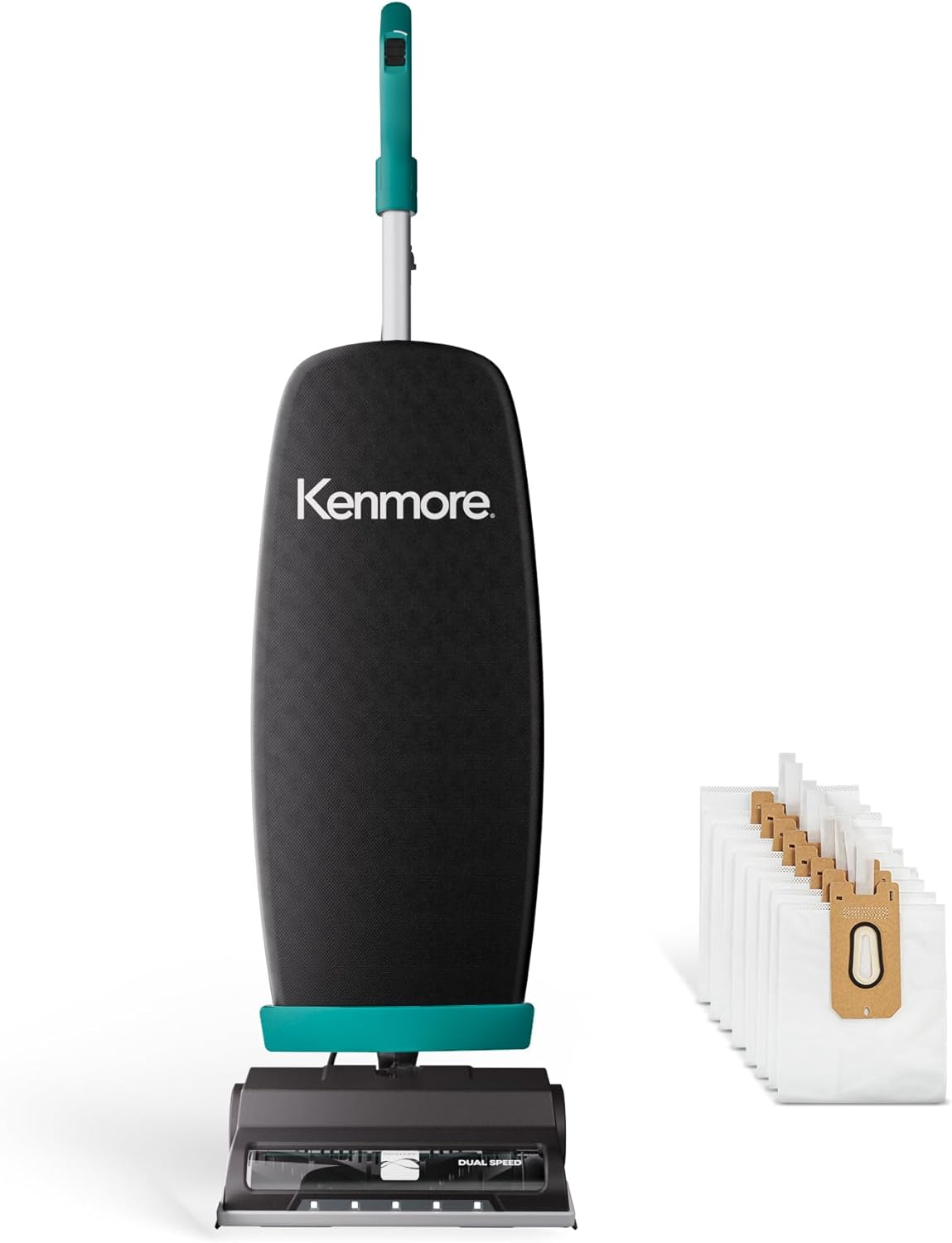
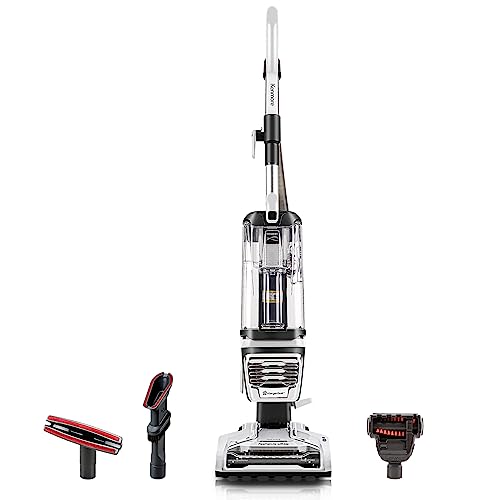
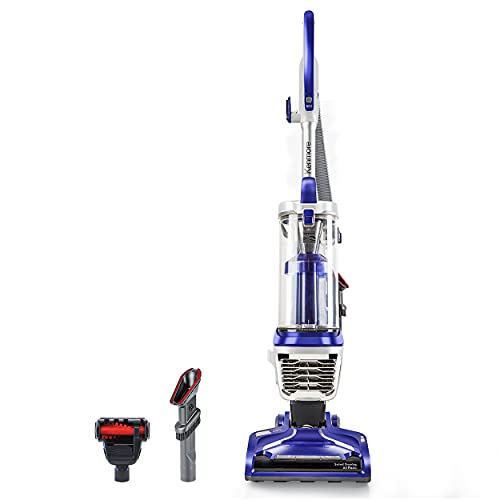
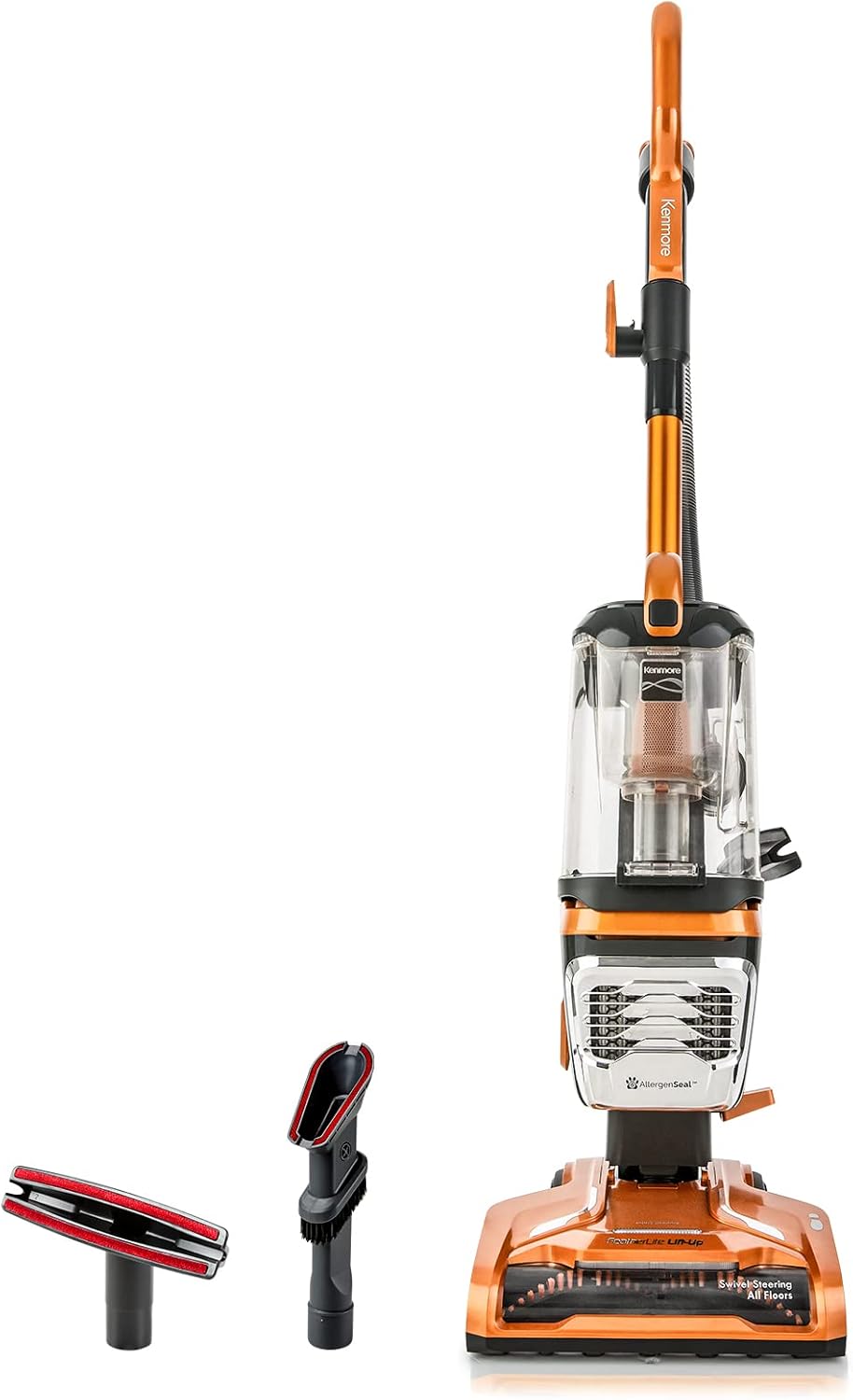
Kenmore spent decades as the appliance name families bought at the department store, and its upright vacuums still follow that formula: sturdy builds, sensible prices, and a particular strength in bagged machines with well sealed filtration. Choosing the best kenmore upright vacuum means deciding how much you care about dust containment, because that is where this brand separates itself from louder rivals. Its bagless models are capable, but the bagged classes are the reason many owners stay with Kenmore through two or three machines.
This guide walks the Kenmore upright range by class, from sealed bagged models to lighter bagless designs, and covers the practical side of ownership: bags, belts, and where parts come from now. The product table sets out the classes, and the sections after it help you pick with clear eyes.



Who Should Buy Which Kenmore Upright Vacuum?
Dust sensitive households that want debris sealed away
If emptying a dirt cup bothers the nose of anyone at home, Kenmore bagged uprights are built for you. The bag is the filter and the disposal system in one, and it leaves the house sealed, which keeps the dustiest moment of vacuuming day almost dust free.
Homeowners who keep appliances for a decade
Kenmore uprights have a reputation for long service with basic care, and their common wear parts follow standard sizing that stays available. Buyers who maintain rather than replace will find this range more cooperative than sealed disposable designs.
Mixed floor homes needing one steady machine
With carpet height settings, brush control, and hoses for stairs, the mid range Kenmore classes cover the typical house of carpet, wood, and tile without drama. They are not the lightest or the flashiest, but they are balanced all rounders at fair prices.
Key Features to Compare
Bag system and sealed filtration
Kenmore best known uprights use large disposable bags inside a sealed path, so the air leaving the machine passes through the bag and a final filter rather than leaking around seals. Bag capacity is generous compared with the small cups on stick vacuums, meaning changes come every month or two in most homes instead of weekly. The bags also protect the motor from fine dust better than a neglected washable filter does. If dust containment is your top priority, this is the single most important row in the Kenmore spec sheet, and it is why the brand anchors the best bagged upright vacuum conversation so often.
Suction path and carpet cleaning depth
Kenmore uprights traditionally favor strong steady suction with powered brush rolls, a combination that suits the deep pile and frieze carpets common in older homes. Look for powered height adjustment or a good spread of manual settings, because sealing the head correctly to the carpet is what turns suction into actual dirt removal. Two motor designs on some classes let the brush stop while suction continues for bare floors, protecting finishes. Judge carpet claims by the height range and brush design rather than by motor wattage printed on the box.
Bare floor and edge cleaning behavior
An upright bought mostly for carpet still spends half its life on kitchen tile and entry wood. Brush shutoff or a bare floor setting prevents scattering and scratching, and edge cleaning design decides whether you need a crevice pass along every baseboard. Kenmore mid range models usually include a usable tool set for edges and corners. Homes that are mostly hard surface should be honest about that split before paying for carpet muscle they rarely use, and may prefer the lighter options in the general best upright vacuum field.
Weight and handling in real houses
Kenmore full size uprights are not lightweights; many land in the mid to upper teens of pounds. That weight plants the head firmly on carpet, which helps deep cleaning, but it is felt on stairs and when lifting into closets. Some classes add swivel steering or lighter frames to soften the trade. If the vacuum will travel between floors weekly, weight belongs near the top of your list, and a slightly less powerful but lighter class may clean your home more often simply by being easier to fetch.
Tool set and stair reach
Check the hose length, wand extension, and whether a pet hand tool is included, because stairs collect the worst hair and grit in any house. Kenmore pet oriented classes bundle tools aimed at upholstery and stair treads, and they matter more to pet homes than small suction differences. Our best upright vacuum for pet hair comparison shows how much tool design varies across brands. Also confirm the cord length covers your biggest room from one outlet; Kenmore cords are generally generous, which reduces the plug hunting that slows whole house cleans.
Where bags, belts, and parts come from
Kenmore ownership changed hands over the years, and parts now flow through the brand store, major online retailers, and independent vacuum shops. Bags follow long standing size codes shared across many models, which keeps them cheap and easy to find. Belts and filters are similarly standard. Before buying an older stock or clearance unit, verify its exact bag style is still sold, because a bargain vacuum with orphan bags becomes expensive fast. For current classes, supply is healthy, and that stability is part of the brand appeal.
Kenmore Price Bands and What They Buy
Kenmore uprights commonly run from around $120 for basic bagless models to about $300 for the strongest bagged classes with full tool sets. The lower band serves apartments and light carpet. The middle, around $180 to $250, is where sealed bagged models with good height adjustment live, and it suits most family homes. Spending near the top buys pet tooling, better filtration, and handling refinements rather than a different kind of clean. If you are weighing disposal styles across brands, the best bagless upright vacuum class shows what you gain and give up against the bagged Kenmore approach.
Common Mistakes to Avoid
- Running a bag past stuffed full: an overfilled bag chokes airflow and strains the motor, so change it when debris reaches the fill mark, not the seams.
- Buying bags by brand name alone: Kenmore bags come in specific style codes, and the wrong style fits poorly and leaks dust inside the housing.
- Skipping the brush roll check: hair and thread wind tight over weeks, slowing the roll and faking a suction problem that cleaning would fix.
- Assuming every upright handles high pile: very plush carpet can stall a head set wrong, so confirm the height range covers your thickest rug.
- Ignoring the final filter: even bagged machines have an exhaust filter, and a forgotten clogged one dulls performance and adds motor heat.
Care and Maintenance for Kenmore Upright Vacuums
Always unplug before opening the head or touching the brush roll. Change bags on the fill mark, and while the compartment is open, wipe the bag chamber so stray dust does not foul the seal for the next bag. Inspect the belt a few times a year for stretch and cracks, replace it when the brush slows on carpet, and keep one spare with your bags. Check the exhaust filter at every few bag changes and replace it when it stays grey after tapping it clean. Clear the brush roll of wound hair monthly, store the machine indoors with the cord loosely hung, and a Kenmore will typically repay that light routine with a decade of service.
FAQ
Are Kenmore bagged uprights good for dust sensitive households?
They are one of the better fits, because the sealed bag captures debris and leaves the house closed, so disposal day releases very little dust back into the room. That is a cleanliness advantage, not a medical guarantee, and anyone managing asthma or allergies should still pair vacuuming with damp dusting and talk with their clinician about home routines. Within vacuum choices alone, though, sealed bags are the low dust option.
Where can you buy replacement bags and belts for Kenmore uprights?
Bags and belts are sold through the brand online store, large marketplaces, home improvement chains, and independent vacuum repair shops. The key is the style code printed on your current bag and in the manual; match that code exactly. Prices are generally low because the sizes are shared across many models and years.
How long do Kenmore upright vacuums last?
Owners commonly report eight to twelve years from Kenmore uprights kept with fresh bags, sound belts, and clean filters. The design favors repair over replacement, and standard parts sizing keeps older units serviceable. Most early deaths trace back to clogged filters or packed bags overheating the motor over a long period.
Does a Kenmore upright work on both carpet and bare floors?
Yes. Use the height settings to seal the head on carpet, then switch to the bare floor setting or brush off mode for wood and tile so debris is not scattered. The transition takes seconds on most classes. Homes with mostly bare floors should still confirm the model has brush control, since that one feature decides hard floor manners.
Is a bagged Kenmore worth it over cheaper bagless models?
It is worth it if you value clean disposal, strong fine dust control, and long motor life protected by the bag system. It is less compelling if you hate buying consumables or vacuum small spaces lightly. The yearly bag cost for most homes is modest, roughly the price of a pizza or two, which reframes the decision for many buyers.
Final Thoughts
The best kenmore upright vacuum is usually a sealed bagged class matched to your floor mix: strong on carpet, tidy at disposal, and serviceable for years. Use the product table above to compare the classes, confirm your bag style before checkout, and keep up the simple bag and belt routine. Kenmore rewards owners who maintain their tools, and it has quietly done so for generations.


