
Best Robot Vacuum for Allergies in 2026: Filtration First, Features Second
Disclosure: We may earn a commission when you buy through links on this page, at no extra cost to you. As an Amazon Associate I earn from qualifying purchases. Learn more

Choose the best robot vacuum for allergies by filtration, sealed bins and emptying design. Honest guidance on what a vacuum can and cannot do.
Dust and pet dander settle into floors all day, every day, and foot traffic keeps puffing them back into the air you breathe. The best robot vacuum for allergies fights that cycle with frequency and filtration: it cleans daily instead of weekly, and its sealed filter system traps fine particles instead of exhausting them back into the room. This guide explains which filtration details are real and which are marketing, how dock design changes your exposure at emptying time, and where a vacuum's help honestly ends.
The product table near the top groups models by filtration and emptying design. Below it, this guide covers the households that gain most, the difference between a true HEPA filter and a label that merely sounds like one, and the routine that turns a robot vacuum into a genuine dust control system.


Who Should Buy a Robot Vacuum for Allergies?
Pet Owners Managing Dander Every Day
Pet dander is light, sticky, and constantly renewed, so the winning strategy is daily pickup before it accumulates in carpet and corners. A robot vacuum running every morning removes the bulk of hair and dander from floors while you are out of the room. Pair it with the roller and bin advice in our guide to the best robot vacuum for pet hair, and choose rubber rollers if hair wrap has plagued your previous machines.
Dust Sensitive Households With Mostly Hard Floors
Hard floors show dust fast but also give it up easily, which is where a robot vacuum shines for dust sensitive homes. Fine particles that a weekly upright schedule leaves for days get collected daily, and a mop function on the same machine can lift the residual film that dry vacuuming misses. If your home mixes hard floors with serious carpet, the wider best robot vacuum category will help you weigh deep carpet cleaning against filtration as your first priority.
Anyone Who Dreads Emptying the Bin
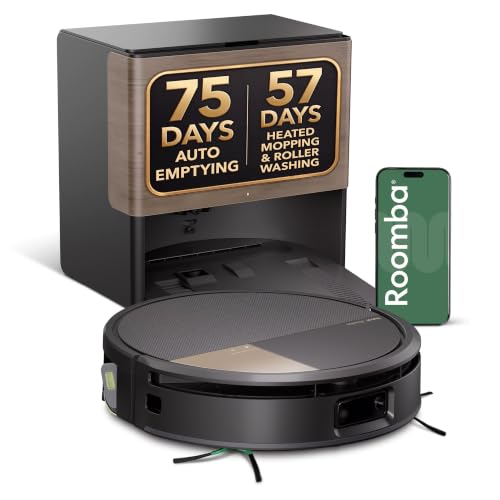
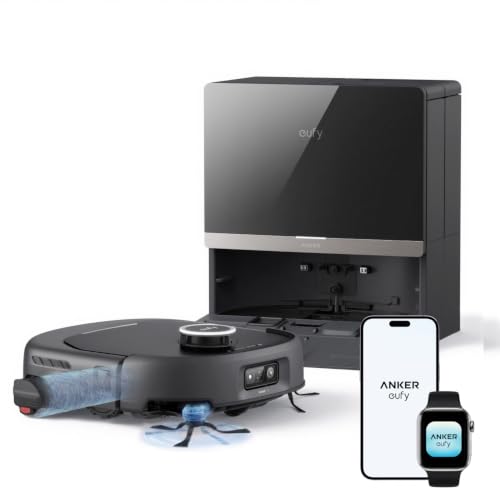
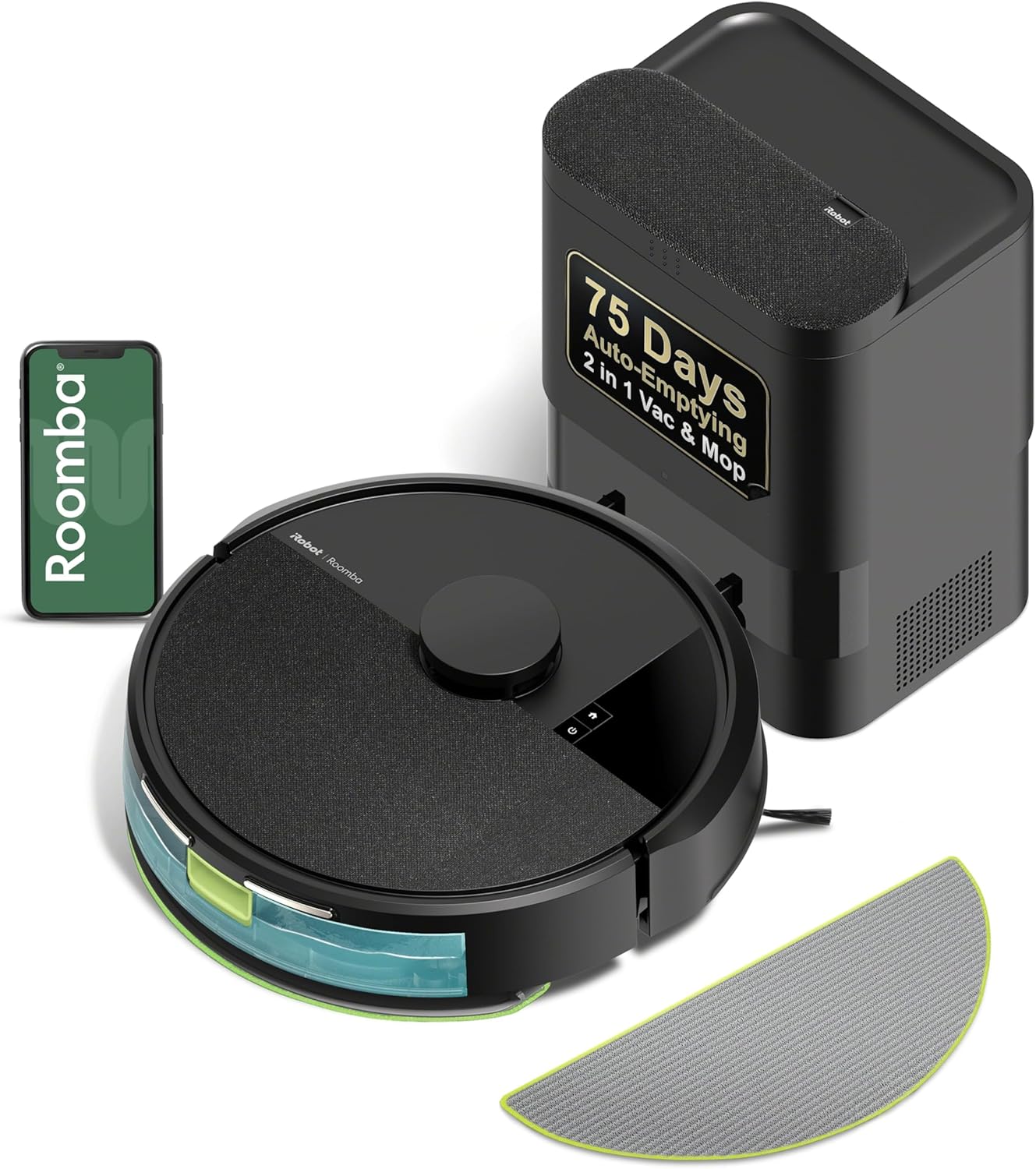
For an allergy sensitive person, emptying a robot vacuum is the worst moment of the whole process: a cloud of fine dust rises exactly at face level. A self empty dock with a sealed disposable bag transfers weeks of debris into a closed bag you lift out without shaking anything loose. If that description sounds like your main pain point, dock design should outrank suction specs in your decision, full stop.
Key Features to Compare
True HEPA Filtration vs HEPA Style Labels
HEPA is a defined standard: a true HEPA filter captures at least 99.97 percent of particles at 0.3 microns, the size range that includes much household allergen material. Labels reading HEPA style, HEPA type, or HEPA like describe filters built to resemble the standard without meeting it, and their fine particle capture is measurably lower. Product pages do not always make the distinction obvious, so read the filtration wording carefully and treat vague labels as ordinary filters. For an allergy motivated purchase, this single specification justifies more of your budget than any suction number on the box.
Sealed Air Path: The Filter Is Only Half the System
A great filter inside a leaky housing is a decoration. Air that slips around the filter through gaps in the bin and body exits unfiltered, carrying fine dust with it. Well designed machines seal the bin, gasket the filter seat, and route all exhaust through the filter media. Manufacturers rarely publish leak data, so use construction clues: a filter that clicks into a gasketed frame, a bin with a latched lid, and exhaust vents positioned after the filter all signal a genuinely sealed path. This is also why filter maintenance matters: a clogged filter raises pressure and pushes more air through every small leak.
Self Empty Docks and Bagged Capture
Self empty docks suction the robot's bin into a larger bag inside the base, and the bagged design is what matters for allergies: the debris stays sealed from collection to disposal. Bagless docks and manual bins both expose you at emptying time. Bags are a recurring cost, typically replaced every one to two months depending on pets and home size, and third party bags vary in seal quality. Work the annual bag cost into your comparison, and if budget is the constraint, our survey of the best cheap robot vacuum range shows which lower priced models still keep filtration honest.
Filter Type, Cost, and Replacement Rhythm
Filters are consumables with a schedule. Some are washable, which saves money but risks two errors: washing a filter not rated for it, which ruins the media, and reinstalling it damp, which grows mildew inside the bin. Replaceable filters typically last about two to three months in a daily run home. Price a year of filters before buying the robot, because a bargain machine with costly proprietary filters can cost more over two years than a midrange model with cheap ones. A spare filter on hand lets one dry fully after washing while the robot keeps its daily schedule.
Scheduling, Mapping, and Room Priority
Frequency beats intensity for dust control, and scheduling is what delivers frequency without effort. Look for automatic daily schedules, room mapping so bedrooms and living areas get priority, and no go zones for clutter traps that stall the robot. Mapped machines also clean in efficient rows, which reduces the time the machine spends stirring air in a room you are sitting in. A practical pattern is to run the robot when the home is empty or while you are in a different room, then let dust settle before quiet hours.
Brush Agitation and Edge Cleaning
Allergens hide where airflow is weakest: along baseboards, under toe kicks, and deep in carpet pile. A spinning side brush sweeps edge debris into the suction path, and a firm main brush agitates carpet so embedded grit and dander release. Carpet performance varies widely, and the comparisons collected in the best carpet robot vacuum guide show which designs pull the most from pile. For allergy purposes, prioritize the rooms where you sleep: a robot that cleans the bedroom carpet thoroughly contributes more than one that polishes an already clean hallway.
Where a Robot Vacuum Helps and Where It Cannot
Honesty matters in this category. A robot vacuum manages the floor reservoir of dust and dander, which is a real and meaningful source of everyday exposure, and daily cleaning measurably reduces how much particulate your feet and pets redistribute. It does not filter the air of a whole room the way a dedicated air purifier does, it cannot clean mattresses, upholstery, or curtains where mites and dander also live, and it does not treat allergies or asthma. No vacuum purchase should be made on a promise of medical improvement. If symptoms are significant, talk with your doctor or allergist about your overall management plan, and treat the robot as one cleaning tool inside that plan, not a substitute for it.
Common Mistakes to Avoid
- Paying for a HEPA label without checking whether the filter meets the actual HEPA standard or is only HEPA style.
- Shaking out a packed dustbin indoors, undoing a week of careful filtration in one dusty cloud.
- Running the robot once a week like an upright, when daily shorter runs are what keep allergen load down.
- Washing a filter that is not rated washable, collapsing the media so it filters worse than before.
- Letting a clogged filter stay in service for months, which strains the motor and pushes air through housing leaks.
- Expecting the vacuum to resolve allergy symptoms on its own, instead of discussing a full plan with a clinician.
Care Habits That Keep Filtration Honest
Filtration performance is maintenance performance. Tap the filter clean outdoors, away from your face, on the maker's schedule, and replace it when the media looks gray and loaded even after cleaning. Wipe the bin and the filter seat so the gasket seals against a clean surface, and check the seal itself for cracks each season. Empty bagless bins outside or into a bag you can close immediately. Keep the dock's bag changed before it packs solid, because an overfull dock bag reduces emptying suction and leaves debris in the robot. Ten minutes of this care each month preserves the sealed system you paid for.
FAQ
Does a robot vacuum with a HEPA filter really help with allergies?
It helps with one specific part of the problem: it removes dust and dander from floors daily and traps fine particles instead of blowing them back out, which reduces the reservoir that foot traffic stirs into the air. That is a genuine contribution, and it is also the whole contribution. Airborne particles in the moment, soft furnishings, and bedding need other measures. Buy the robot for cleaner floors and lower dust load, and let your clinician guide the medical side.
How often should a robot vacuum run in an allergy sensitive home?
Daily is the rhythm that makes the difference, because dander and dust accumulate continuously and a single weekly pass lets the load rebuild between runs. Many households run the robot each morning after people leave bedrooms, so floors are cleaned while rooms are empty and dust settles before bedtime. High traffic entries may justify a second short pass. Consistency matters more than session length, so choose a schedule you can leave running without thinking about it.
Is a bagged self empty dock better than a bagless one for allergies?
For minimizing your exposure at disposal time, yes. The sealed bag captures everything the dock pulls from the robot and leaves the house closed, with no bin to shake. Bagless docks save the bag cost but recreate the dust cloud problem at a larger scale. If you choose bagless, empty it outdoors, standing upwind, and consider a dust mask for that one task. The price difference is real, so decide based on how sensitive you actually are at emptying time.
Can you wash a robot vacuum HEPA filter?
Only if the manufacturer rates that specific filter as washable, and the rating is printed on the filter or in the manual. Washing a non washable HEPA filter breaks down the fiber structure and can cut its fine particle capture drastically while looking perfectly clean. Washable filters must dry completely, usually a full day, before reinstalling, or the damp media grows mildew and the vacuum starts spreading odor instead of trapping dust. When in doubt, replace rather than wash.
Does the mopping function on a robot vacuum help with allergens?
It can, on hard floors, because a damp pad lifts the fine dust film that dry suction leaves behind, including settled pollen tracked in from outside. The pad itself needs rinsing or washing after each session, or it becomes a distribution tool for the next run. Treat mopping as the finishing step of a vacuum first routine, not a substitute for suction on carpets, and change the water as the maker directs so you are not spreading a gray film evenly across the room.
Final Thoughts
Prioritize in this order: a filter that truly meets the HEPA standard, a sealed air path, an emptying system that does not put dust back in your face, and a schedule you can run daily without effort. The product table above organizes models by exactly those traits. And keep the honest boundary in view: the best robot vacuum for allergies is a dust control tool that keeps floors and the air above them cleaner between deep cleans, and personal medical questions belong with your doctor or allergist, who can fit cleaning habits into a complete plan for your symptoms.


