
Best 5 Gallon Shop Vac: How to Choose for 2026
Disclosure: We may earn a commission when you buy through links on this page, at no extra cost to you. As an Amazon Associate I earn from qualifying purchases. Learn more

Pick a 5 gallon shop vac by judging real capacity, motor power, filter options, and hose size, for car cleaning, small workshops, and wet and dry messes.
Five gallons is the size class many people actually live with. It is big enough for car interiors, a flooded sink cabinet, and a small workshop cleanup, yet light enough to carry with one hand and store on a shelf. A best 5 gallon shop vac candidate earns that label with honest capacity, a motor matched to the tank, and filtration you can adapt from sawdust to drywall dust. The badge numbers alone will not tell you any of that.
This guide explains how to read the specs of this size class like an owner rather than a marketer, and the comparison table below shows how the main designs differ.
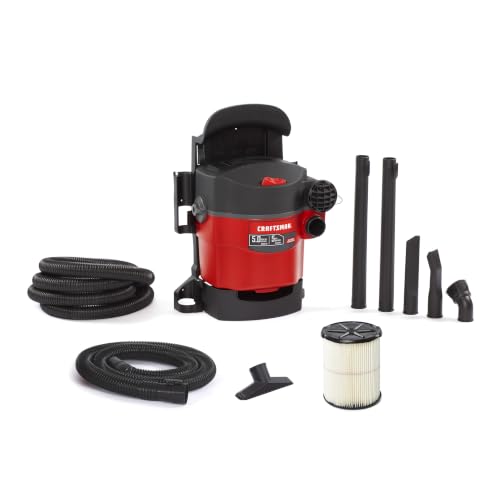


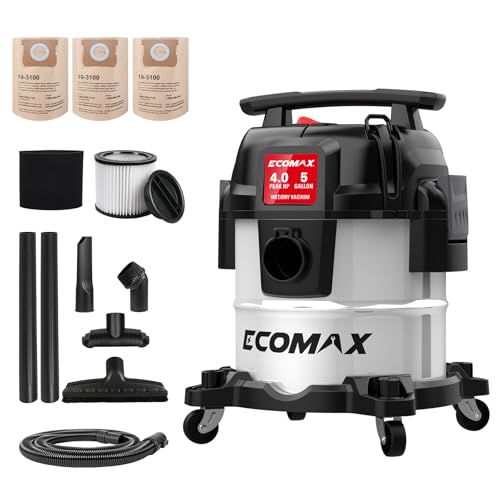
Who Should Buy Which 5 Gallon Shop Vac?
Car Owners and Home Detailers
A 5 gallon unit hits the sweet spot for vehicle work: strong enough to lift grit from footwells, small enough to wheel around a car in a driveway. Look for a long cord, a crevice tool that reaches between seats, and a hose that stretches without tipping the tank. If car work is your main use, our dedicated guide to the best shop vac for car detailing covers nozzle choices and interior technique in more depth.
Apartment and Condo Owners
When storage is a closet corner, this class stores upright in a small footprint and still handles the messes an indoor vacuum cannot: a washing machine leak, balcony debris, or a shattered plant pot with wet soil. Quieter motors matter here, as do sealed lids that keep stored dust from puffing out when you move the unit. A 5 gallon vac will not replace a full size machine for a whole house renovation, but for contained messes it is often the only size that makes sense to own.
Small Workshop and Hobby Users
A bench top workshop, a garage corner, or a hobby room produces steady sawdust and offcuts that a mid size vac swallows happily. You will empty more often than with a 12 gallon drum, but you gain a machine that parks under a bench and lifts onto a worktop for tool cleanup. If your projects grow, this unit still serves as the portable second vac beside a larger machine, and our overview of the best shop vac range shows how the size classes divide the work.
Key Features to Compare
Real Capacity Versus Rated Capacity
The gallon figure on the box is the tank size, not the usable debris volume, and the two differ by a wide margin. Inlet position and filter housing eat into the space, and wet pickup stops at the float level well below the rim. In practice a 5 gallon vac holds noticeably less than five gallons of water before the float shuts suction off. That is fine for sinks, spills, and car work, but if you plan to drain a water heater or clear a big spill, step up a class. Judge size by your largest realistic job, not your average one.
Motor Power, CFM, and Sealed Suction
Peak horsepower is the headline number in this class and the least comparable, because brands measure it differently and it describes a brief maximum rather than working strength. Airflow, listed as CFM, tells you how much air the vac moves for dry debris, while sealed suction tells you how hard it pulls against resistance, which matters for wet pickup and long hoses. In a 5 gallon body you do not need the biggest motor; you need balanced airflow that does not tip the lightweight tank or scream at full pitch for simple jobs.
Filtration: Cartridge, Bags, and Foam Sleeves
Filtration is where a small vac becomes a flexible tool. A pleated cartridge handles general debris, disposable filter bags capture fine dust and keep the cartridge clean far longer, and a foam sleeve replaces the cartridge setup for wet pickup so water does not ruin paper media. Drywall dust and ash clog bare cartridges quickly, so bag compatibility is worth real money if you sand or sweep fines. Check how the filter locks in place, because a loose filter on a small vac leaks dust straight into the exhaust and undoes the point of the exercise.
Hose Diameter and Reach
Most 5 gallon models ship with a hose around 1.25 to 2.5 inches in diameter, and the choice is a trade. Narrow hoses give stronger focused suction for car seams and tool ports, while wide hoses swallow leaves, chunks, and shop debris without clogging. Stretch hoses that expand under suction are convenient in cars but can pull the light tank toward you. Cord length matters just as much in this class, since a compact vac often works at the edge of an outlet reach; a longer cord saves the extension cord hunt for quick jobs.
Tank Build, Casters, and Portability
Poly tanks dominate this class and shrug off dents that would crease metal. Look at the caster base: wide set wheels keep a top heavy small tank upright when you tug the hose, and a top handle balanced over the center lets you carry a full tank without sloshing. A drain is rare at this size, so wet jobs end with lifting and pouring, which is another reason honest weight matters. Blower ports, which let you reverse the machine into a leaf and dust blower, add real value in garages and patios at no extra size.
Is 5 Gallons the Right Size for Your Jobs?
List your three most common messes and size for the largest. Car interiors, appliance leaks, and bench cleanup sit comfortably in this class. Basement floods, whole room renovations, and contractor debris do not; they want the drum sizes in our guide to the best small shop vac alternatives and beyond. Cordless fans should also note that battery models in this size exist for quick grabs, covered in our guide to the best cordless shop vac, though corded versions still win on run time and price for long sessions.
Common Mistakes to Avoid
- Vacuuming fine drywall dust or cold ash with only the standard cartridge, which clogs in minutes and strains the motor.
- Using the paper cartridge for wet pickup without switching to the foam sleeve, ruining the filter in one job.
- Trusting the peak horsepower number across brands instead of comparing airflow and sealed suction.
- Dragging the vac by its hose around corners, which tips a light 5 gallon tank and spills the contents.
- Storing the vac with wet debris inside, so the tank grows odor and the filter mildews between uses.
How to Make Your 5 Gallon Shop Vac Last Longer
Shake or rinse the cartridge filter on the schedule your dust load demands, not when suction finally dies, and let a rinsed filter dry fully before refitting it. Use bags for fine dust jobs so the cartridge lasts seasons instead of weeks. After wet work, empty the tank the same day, rinse it, and leave the lid off until the inside dries. Wind the cord loosely rather than yanking it around the handle, check the hose cuffs for splits that leak suction, and store the vac indoors where the plastic and motor stay out of weather extremes.
FAQ
What size shop vac do I need for home use?
For most homes, a 5 to 6 gallon model covers cars, leaks, and room scale messes, while 12 to 16 gallon drums suit workshops and big water jobs. The right question is not how big your home is but how big your largest mess is and how far you must carry the machine. A compact vac you can lift easily gets used often; a huge drum that lives in the garage corner gets avoided. Match the size to the jobs you will actually face this year.
Can a 5 gallon shop vac pick up water?
Yes, wet pickup is a core job for this class, as long as you set it up correctly. Remove or protect the paper filter per the manual, fit the foam sleeve, and stop when the float cuts suction, because that sound change means the tank is at its safe water level. Empty it before carrying, since five gallons of water weighs over forty pounds. For electrical safety, plug into a GFCI outlet for wet work and keep the cord and plug dry.
How do you clean a 5 gallon shop vac?
Empty the tank outdoors, tap the cartridge filter against the inside of a trash bin to knock dust free, and rinse the tank with a hose if it held wet or dusty debris. Wash the foam sleeve with mild soap and let it dry fully. Wipe the lid seal and float so they seat and move freely, because a sticky float misreads the water level. A clean vac stored dry will not greet you with a sour smell at the next job.
Is a 5 gallon shop vac strong enough for a workshop?
For a small bench workshop, yes, provided your dust is mostly from hand tools and small power tools and you empty it regularly. It will keep benches and floors clean and can connect to a sander or small saw port with the right adapter. Where it falls short is sustained planer or table saw collection on big stock, which fills the tank fast and wants a larger drum and wider hose. Many woodworkers run exactly this setup: compact vac for daily duty, bigger collector for milling days.
What is the difference between a shop vac and a regular vacuum?
A shop vac is built for debris an indoor vacuum cannot survive: water, chunks, screws, sawdust, and construction dust, handled with a big hose, a washable tank, and strong suction at the cost of noise and finesse. A regular vacuum is quieter, better filtered for living spaces, and designed for carpet and floors only. Most homes with projects end up owning both, using the indoor machine for weekly floors and the shop vac for the garage, cars, and every wet or gritty job.
Final Thoughts
Judge this class by honest capacity, filtration flexibility, and how easily it moves, not by the horsepower badge. Set the candidates in the product table above against your largest regular mess, and the best 5 gallon shop vac for you will be the one that handles it without drama and stores where you actually have room. Prices and availability can change, so check the product page before ordering.


