
Best All Purpose Cleaner for Granite in 2026: How to Clean Sealed Stone Safely
Disclosure: We may earn a commission when you buy through links on this page, at no extra cost to you. As an Amazon Associate I earn from qualifying purchases. Learn more

The best all purpose cleaner for granite is pH neutral and safe for sealers. Learn what to check on the label and which ingredients can etch or dull stone.
Granite looks indestructible, and that confidence ruins a lot of counters. The stone itself is hard, but the polish and the sealer on top of it are not, and the average all purpose spray was never formulated with either in mind. Acidic ingredients etch the surface in dull patches, and strong alkalis slowly strip sealer until spills soak in. Finding the best all purpose cleaner for granite means finding a spray that cleans daily soil while leaving both layers alone.
The good news is that the label tells you almost everything, once you know which lines matter. This guide covers the chemistry to look for, the ingredients that damage stone, and the spraying and wiping routine that keeps a polished finish clear. It also explains where a granite safe cleaner fits in a wider kitchen routine, since the comparison table below cannot show you what happens to a counter after a year of the wrong spray.

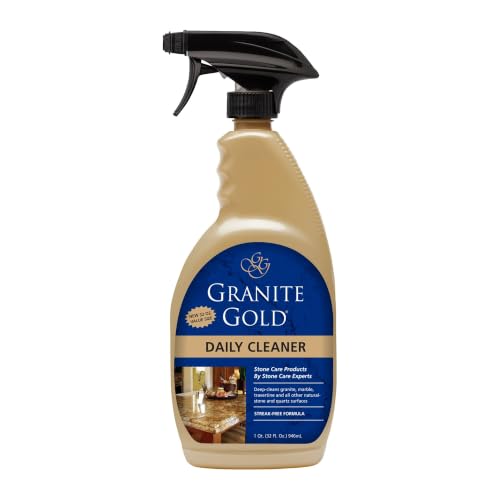


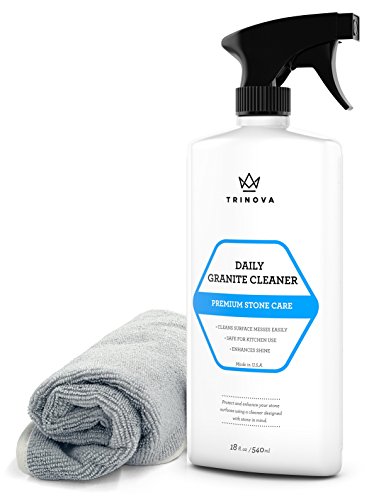


Who Should Buy Which All Purpose Cleaner for Granite?
Your counter's age, your cooking habits and your tolerance for extra bottles all point to slightly different choices.
Homeowners Protecting a Fresh Sealer Coat
If your granite was installed or resealed recently, the sealer is doing the real protective work, and your cleaner should be chosen to preserve it. A pH neutral spray that states it is safe for sealed stone is the priority, even if it cleans a little slower than a harsh degreaser. Every acidic or high alkaline wash shortens the sealer's life, which means resealing sooner and risking stains in the meantime. This group should also keep a plain water habit for light crumbs, saving the cleaner for actual soil.
Busy Kitchens That Need One Daily Spray
Homes that cook daily need a cleaner that lives on the counter and handles coffee rings, cooking splashes and fingerprints in one pass. A ready to use spray with a fine mist nozzle suits this group, because a concentrate you must dilute lives in the cabinet and quietly stops being used. Be honest about scope, though. Most products sold as the best all purpose cleaner for kitchen use are built for laminate, tile and painted wood, and many are too aggressive for sealed stone, so the daily bottle still has to pass the granite label check.
Households Avoiding Harsh Chemicals Near Food Prep
If you wipe counters and then set food down on them, ingredient lists matter as much as cleaning power. This group should look at plant derived formulas with short ingredient lists and no added dyes, and should still rinse with a damp cloth after cleaning a prep zone. The options gathered in our guide to the best non toxic all purpose cleaner products explain how safety claims are worded, and our look at the best natural all purpose cleaner formulas covers the plant based end of the shelf. Natural does not automatically mean stone safe, so the pH check still applies.
Key Features to Compare
pH Neutral Formulas and Why Granite Cares
pH is the single most useful spec on the bottle. Granite and its sealer tolerate the neutral middle of the scale, around pH 7, without reaction. Acidic cleaners below that range attack the minerals at the surface and leave dull etched spots that no amount of polishing fully hides. Strongly alkaline cleaners above the range are gentler on the stone itself but degrade sealer films over repeated use. A cleaner that prints pH neutral on the front label has done the formulating work for you, and it should be your default filter before any other feature.
Sealer Safety Stated in Plain Words
Look for the exact phrase safe for sealed stone, or a granite and marble callout on the label. Vague words like gentle or multi surface tell you nothing about sealer compatibility. Reputable stone safe cleaners also list the surfaces to avoid, which is a good sign, because it shows the maker knows the limits of the formula. If a general product interests you, compare its label language with the category baseline in our overview of the best all purpose cleaner options, where the stone safe minority stands out clearly from the general shelf.
Ingredients That Etch, Dull or Stain Stone
Keep three families off granite. Acids, including vinegar, lemon and citric acid cleaners, etch polished finishes and are the most common cause of dull rings under a soap dispenser or fruit bowl. Ammonia based glass style sprays can dull the polish and weaken sealer with repeated use. Chlorine bleach risks discoloring some stones and is far stronger than daily soil requires. Colored dyes in a cleaner can also tint light colored stone if the liquid pools in a seam, so clear formulas are the safer buy for pale granite.
Residue and Streaking on Dark Polished Stone
Dark granite shows every wipe mark, so a cleaner that leaves surfactant residue will look worse than the soil it removed. Formulas that dry clear and need no rinsing suit daily use, while heavier concentrates often need a second pass with a damp cloth and a dry buff. Spray pattern matters more than expected. A fine even mist lays down a thin film that wipes off cleanly, while a jet stream floods one spot and leaves tide lines at the edges. On black or deep green counters, judge any new cleaner by its finish in angled daylight.
Ready to Use Spray Versus Concentrate
Ready to use bottles cost more per ounce and win on convenience, which is not a small thing for a product you reach for twice a day. Concentrates cut the per use cost sharply and reduce plastic, but they add two failure points: wrong dilution, which can push the mix out of the neutral zone, and a reused bottle with a handwritten label that someone fills with the wrong product later. Whichever format you choose, keep the mixed or opened bottle dated, and never top up a spray bottle with a different cleaner.
How to Clean Granite With an All Purpose Cleaner Without Hurting the Sealer
Start dry. Brush crumbs and grit off the counter with your hand or a dry cloth, because dragging grit under a wet cloth is how fine scratches appear in a polished finish. Then spray the cloth, not the stone. Wetting the cloth keeps cleaner out of the seams and off the backsplash joint, where pooled liquid sits against the sealer the longest.
Wipe in overlapping passes, flip to a clean face for the final pass, and buff dry with a second cloth if the stone still shows streaks. Blot spills fast, especially wine, coffee, citrus juice and cooking oil, because even sealed granite gives you minutes to hours, not days, before a spill can mark it. Once or twice a year, run the water test: sprinkle a few drops of water on a high use area and watch. If the water stops beading and the stone darkens within minutes, the sealer is tired and due for renewal, no matter which cleaner you use.
Common Mistakes to Avoid
- Reaching for a vinegar or lemon spray for water spots, which etches the polish and creates a permanent dull patch.
- Letting cleaner pool along seams and edges, where it sits against the sealer far longer than the label intends.
- Using an ammonia based degreaser for weekly deep cleans, slowly dulling the finish across the whole counter.
- Skipping the dry buff, then blaming the stone for streaks that are really dried cleaner residue.
- Assuming the words all purpose on a front label promise stone safety without checking the fine print.
- Scrubbing a stain with a scouring pad, which scratches the polish and makes the spot collect dirt faster.
How to Make Your Granite Cleaner and Its Results Last Longer
Store the bottle upright, out of direct sun and away from the heat above a dishwasher or oven, since warmth and light slowly break down surfactants and fragrance. Keep the nozzle rinsed and the trigger free of dried product, because a clogged nozzle turns a fine mist into a jet that floods one spot. If you use a concentrate, mix only what the bottle holds, write the product name and dilution on the bottle, and never blend leftovers of two cleaners together.
Your cloth is part of the system. A clean microfiber cloth spreads a thin even film and lifts it again on the buff pass, while a tired sponge smears. Rinse the cloth after each session and launder it without fabric softener, which coats fibers and leaves its own streaks on dark stone. Retire cloths that feel slick when wet, because that slickness is residue they will deposit on the counter.
FAQ
Can you use an all purpose cleaner on granite every day?
Yes, provided it is pH neutral and labeled safe for sealed stone. Daily use of a correct formula does not harm granite or its sealer, and it beats the common alternative of a weekly scrub with something harsher. For light days with only crumbs and water rings, plain water on a microfiber cloth is genuinely enough. Save the cleaner for grease, sticky spills and the zones around the sink and stove, and your bottle and your sealer both last longer.
How do you know if a cleaner is safe for sealed granite?
Check three things on the label: a pH neutral claim, an explicit sealed stone or granite mention, and an ingredient list with no vinegar, citrus acids or ammonia. Then do a spot check anyway. Spray a hidden corner near the sink base, let it sit for the label dwell time, wipe and compare the finish in angled light after it dries. If the checked patch looks identical to the rest of the counter, the cleaner has passed the only check that really counts.
Does an all purpose cleaner replace resealing granite?
No. A cleaner maintains the surface day to day, but the sealer itself is a sacrificial layer that wears down with time, heat and cleaning. Most kitchen granite needs resealing every one to three years depending on use and stone density. The water bead test tells you when: if sprinkled water darkens the stone within a few minutes instead of sitting on top, protection is gone. Resealing is a separate product and a separate job from daily cleaning.
Why does my granite look streaky after cleaning?
Streaks are usually residue, not dirt. Too much product, a concentrate mixed too strong, or hard water in a homemade dilution all leave a film that shows in angled light. Use less cleaner than instinct suggests, since a light mist is enough for daily soil. Follow with a clean damp cloth to pick up the film, then buff with a dry cloth. If streaks persist, wash your microfiber cloths, because softener residue on the cloth transfers straight onto the stone.
Can an all purpose cleaner disinfect granite counters?
Most granite safe daily cleaners do not disinfect, and most disinfectants are not labeled for natural stone, because their active ingredients can dull or etch the finish. If you need to disinfect after raw meat, choose a product labeled for both sealed stone and disinfection, respect its full dwell time, and rinse if the label requires it for food contact surfaces. For routine days, soap based cleaning plus prompt spill cleanup covers the realistic risk in a home kitchen.
Final Thoughts
Granite rewards gentle consistency and punishes occasional harshness. A pH neutral spray that names sealed stone on its label, a cloth first spraying routine and a quick dry buff will keep the polish deep for years, and the product table above can help you shortlist formulas that meet those terms. Pick the best all purpose cleaner for granite your household will actually use daily, and run the water test each year so the sealer never fails you quietly.


