
Best Arm and Hammer Laundry Detergent for 2026: Choosing Within the Lineup
Disclosure: We may earn a commission when you buy through links on this page, at no extra cost to you. As an Amazon Associate I earn from qualifying purchases. Learn more

Compare Arm and Hammer laundry detergent formats, from liquid and powder to single dose paks, plus sensitive skin options, dosing and cost per load.
Arm and Hammer built its laundry reputation on one ingredient: baking soda, added to lift odors that ordinary detergents leave behind in towels, gym clothes, and work gear. The best arm and hammer laundry detergent for your home depends on which corner of the lineup fits your loads, because the brand sells liquid, powder, and single dose paks, plus fragrance free formulas for sensitive skin and odor focused formulas for heavy duty laundry. This guide compares the lineup by format and formula type, without ranking named products, so you can match a bottle to your machine and your water.
The comparison table below organizes the lineup by format and purpose. Below it, this guide sorts out which households should start where, what the baking soda actually contributes, and how dosing and storage habits change your results more than the choice between two similar bottles.





Who Should Buy Which Arm and Hammer Formula?
Households Battling Odor in Towels and Athletic Gear
Sour towels and gym clothes that smell clean in the wash and stale by the second wear are this brand's home turf. Odor focused liquid formulas pair baking soda with additional odor neutralizing ingredients and suit loads heavy on synthetics, which trap odor causing bacteria in the fibers. If odor is your main complaint across all laundry, our general guide to the best laundry detergent categories explains how odor formulas differ from stain focused and color care ones.
Sensitive Skin Households
The brand's fragrance free, dye free liquid line is built for skin that reacts to perfumes and colorants, and it is commonly recommended to rinse well rather than overload the dose. Choose that corner of the lineup and keep the rest of the routine simple: skip scent boosters, and run an extra rinse on bedding and underwear. Our guide to the best laundry detergent for sensitive skin explains the ingredient labels to look for across brands. Persistent skin reactions deserve a conversation with a doctor or dermatologist rather than endless detergent swapping.
Budget and Bulk Buyers
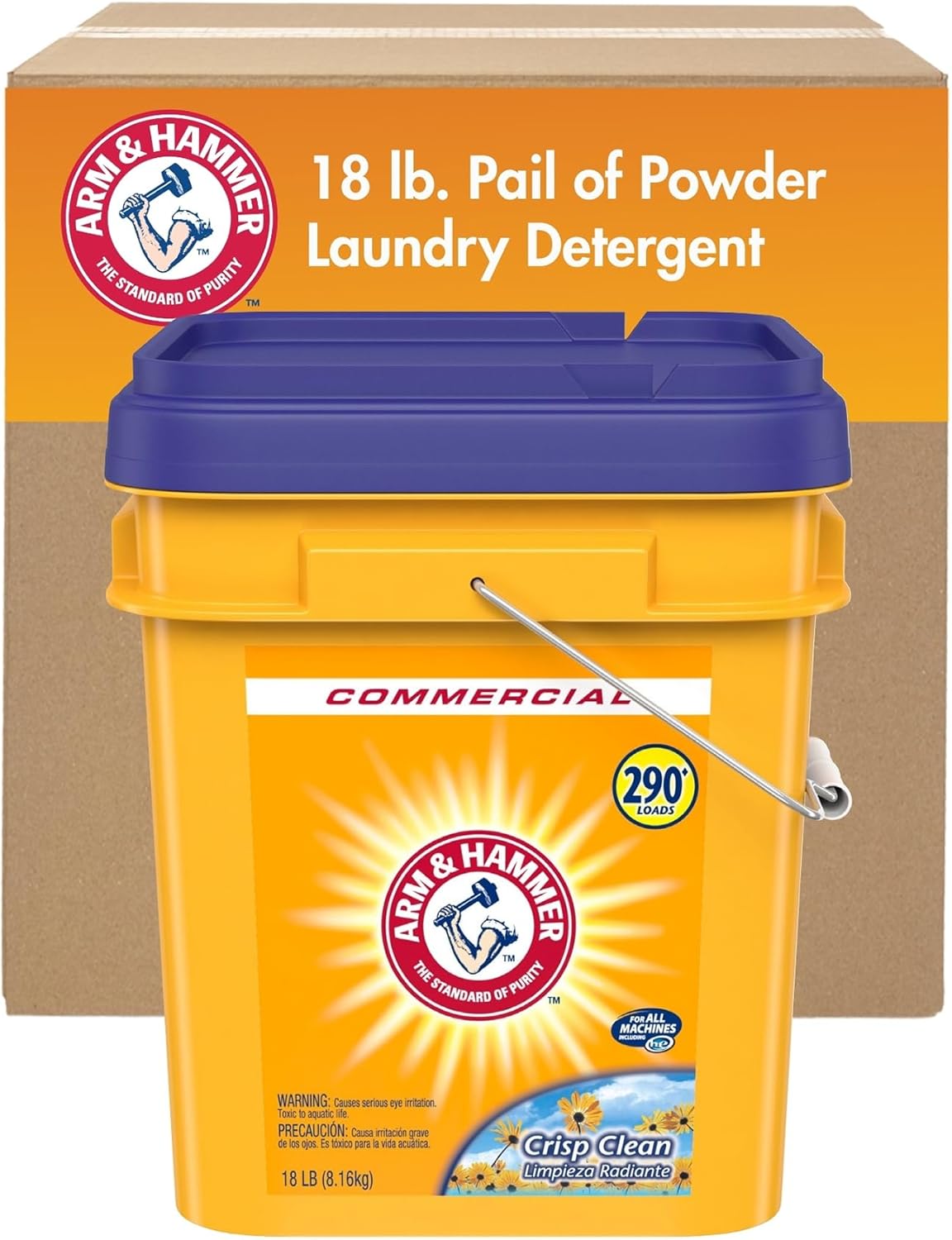
Powder remains the value corner of this lineup, with a low cost per load and a long shelf life, and it performs especially well in warm and hot washes. Large liquid jugs from warehouse sizes also bring cost per load down sharply. Either way, measure honestly: most loads need less detergent than the cap's top line suggests, and overdosing leaves residue that makes clothes feel stiff while quietly doubling your true cost per load.
Key Features to Compare
Format: Liquid, Powder, and Single Dose Paks
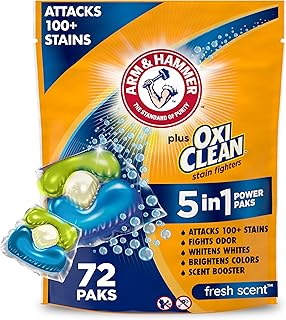
Liquid is the most flexible format: it doses by cap for partial loads, pretreates stains directly on fabric, and dissolves in any water temperature. Powder costs least per load and stores for years without degrading, but it can leave residue in cold washes if the dose is large or the water is very cold, so it suits households that wash warm. Single dose paks trade a higher cost per load for zero measuring and zero spills, and they must be placed in the drum before the clothes so the film dissolves fully. Your machine type, wash temperature habits, and tolerance for measuring decide the format more than any cleaning difference does.
What the Baking Soda Actually Does
Baking soda is a mild alkali and a genuine odor neutralizer: it reacts with the acidic compounds that make sweat and mildew smells linger, rather than covering them with fragrance. That chemistry is why this brand performs noticeably on towels and athletic wear. Baking soda is not, by itself, a strong stain remover or a disinfectant, so heavily soiled loads still rely on the detergent's surfactants and enzymes. Read the lineup that way: odor control is the brand's strength, and formulas that add stain fighters or an oxygen based booster extend it toward dirtier loads.
Sensitive Formulas and Ingredient Transparency
Within the lineup, the sensitive skin formulas remove fragrance and dyes, which are the most common laundry irritants. Shoppers comparing gentler products across the market often cross shop our guides to the best non toxic laundry detergent and the best natural laundry detergent, and the honest distinction is this: a fragrance free mainstream formula reduces known irritants without claiming plant based sourcing, while natural detergents prioritize ingredient origin and may clean differently. Choose by your actual priority, skin comfort or ingredient philosophy, and check the current ingredient list on the bottle, since formulas change over time.
High Efficiency Machines and Cold Water Washing
Most current Arm and Hammer liquids and paks are labeled for both standard and high efficiency machines, and the low suds requirement of an HE washer makes dosing discipline important: excess detergent in an HE machine causes residue, musty drum odor, and error prone cycles. For cold water households, liquid and paks dissolve more reliably than powder. Cold washing saves energy and protects colors, and modern formulas compensate with enzymes that work at low temperatures, but heavily soiled loads still benefit from the warmest water the fabric care labels allow.
Dosing, Load Size, and Cost per Load
Cost per load is the only fair price comparison in this aisle, and you can compute it from the bottle's load count and price. A large jug at a higher shelf price often beats a small bottle per load. Dose by soil level and load size rather than habit: the cap lines exist because a small lightly soiled load may need half the detergent of a full load of work clothes. Using the smallest effective dose also protects the machine, since chronic overdosing is a leading cause of the slimy buildup that makes a washer itself smell bad.
Scent Strength and Residue
Scented formulas in this lineup are known for a noticeable fragrance that survives folding and storage, which some households love and others find overwhelming in a small laundry room. Scent has no connection to cleaning power, so choose it as a preference, not a performance signal. If clothes come out feeling stiff or looking dull, suspect residue from overdosing before blaming the formula, and run an extra rinse while halving the dose on the next load to check the theory.
Matching the Lineup to Your Washer and Water
Two households can use the same bottle and get different results because machines and water differ. Hard water ties up detergent before it can clean, so homes with very hard water often need the upper end of the dose range or a water softening additive, and powder formulas can struggle most there. Front load machines tumble rather than agitate, which is gentler on fabric but less forgiving of excess suds, so HE labeled low suds dosing matters. Top load machines with deep fill settings handle powder and larger doses comfortably. Note your machine type and water hardness first; the right corner of the lineup usually becomes obvious once those two facts are fixed.
Common Mistakes to Avoid
- Filling the cap to the top for every load, which causes residue, stiff fabrics, and a musty washer over time.
- Tossing a pak on top of a full load, where the film cannot dissolve fully and leaves a sticky patch on fabric.
- Expecting baking soda odor control to remove set in stains, which need pretreatment or an oxygen booster instead.
- Washing everything cold with powder in winter, when near freezing inlet water leaves undissolved grains on dark clothes.
- Storing paks in an open decorative jar on the counter, which exposes a concentrated product to children and humidity.
- Judging formulas by scent strength, when fragrance level says nothing about cleaning or odor neutralization.
Storing Arm and Hammer Detergent Safely
Storage is a safety topic in this category, not just tidiness. Single dose paks are concentrated and look like candy to small children, so keep them in their original container with the lid closed, stored high or in a locked cabinet, and always handle paks with dry hands so the film does not start dissolving in your palm. Keep powder dry and sealed, since humidity cakes it and ruins dosing. Liquid jugs should stay capped and upright in a cool spot. When you switch formats, run a final rinse load or wipe the dispenser drawer so leftover product from the old format does not mix unpredictably with the new one. If a child swallows detergent or gets pak contents in the eyes, call Poison Control or seek medical care immediately rather than waiting for symptoms.
FAQ
Is Arm and Hammer powder or liquid better for odor?
Both use baking soda for odor control, so the deciding factors are your wash habits. Liquid pretreates odor hotspots like armpits and waistbands directly and dissolves in cold water, making it the flexible choice for mixed laundry. Powder shines in warm washes and costs less per load, which suits towel and bedding routines. Households with persistent synthetic fabric odor usually do better with the odor focused liquid formulas, plus a habit of not letting sweaty clothes sit sealed in a gym bag.
Are Arm and Hammer laundry paks safe around children?
The paks themselves are a concentrated product that requires respect: they are safe for laundry when stored and used correctly, and genuinely hazardous if a child bites or squeezes one. Keep the container closed, dry, and out of reach, ideally in a locked or high cabinet, and never transfer paks to a jar or bin that invites small hands. If exposure happens, rinse eyes or skin with water and contact Poison Control for guidance right away.
Does Arm and Hammer detergent work in cold water?
The liquid and pak formulas are designed to dissolve and clean in cold water, and their enzymes are selected for low temperature washing. Powder is the exception to watch: in very cold water it may not fully dissolve, leaving residue on fabric. If you wash cold with powder, dissolve it in the drum as the machine fills before adding clothes, or switch to liquid for winter months when inlet water runs coldest.
How much Arm and Hammer detergent should you use per load?
Use the cap line that matches your load size and soil level, and treat the top line as a maximum for large, heavily soiled loads rather than a default. Most everyday loads clean fully at the middle line. In an HE machine, stay at or below the HE guidance even for big loads, because the machine uses far less water to rinse. If laundry feels stiff or the drum smells musty, cut the dose by a third; those are classic overdosing signs.
Can Arm and Hammer detergent be used for hand washing delicates?
A small amount of the liquid, fully dissolved in a basin of cool water, works for sturdy hand wash items, but the standard formulas are not pH balanced for wool and silk the way a dedicated delicates wash is. For valued garments, the safer habit is a gentle specialty detergent and a short soak without wringing. Whatever you use, rinse thoroughly, since detergent residue left in delicate fibers attracts soil and stiffens the fabric as it dries.
Final Thoughts
Decide format first, then formula: liquid for flexibility and cold water, powder for value and warm washes, paks for convenience stored safely away from children, and the fragrance free line if skin comfort is the priority. The product table above maps the lineup so you can compare cost per load and intended use at a glance. Keep the dose honest, match the choice to your machine and water, and the best arm and hammer laundry detergent for your household will be the one whose strengths line up with the loads you actually run every week.


