
Best Laundry Stain Remover for Blood in 2026: A Buying Guide
Disclosure: We may earn a commission when you buy through links on this page, at no extra cost to you. As an Amazon Associate I earn from qualifying purchases. Learn more

Enzyme and peroxide formulas, cold water treatment, dried stains and color safety explained to help you choose the best laundry stain remover for blood.
Blood is one of the least forgiving laundry stains, because it is built from protein and iron, and heat cooks that protein into the fibers for good. A remover that works beautifully on coffee or grass can leave a blood stain untouched, and one wrong move with hot water can make the stain permanent. The best laundry stain remover for blood is the one whose chemistry targets blood specifically and fits the fabric and colors you are trying to save.
This guide explains which active ingredients break down blood, how fresh and dried stains need different treatment, and the wash routine that keeps a treated stain from setting. The product table outlines the main remover types before we compare the details.


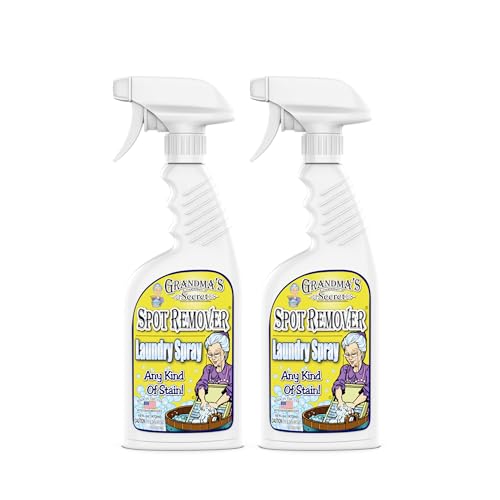
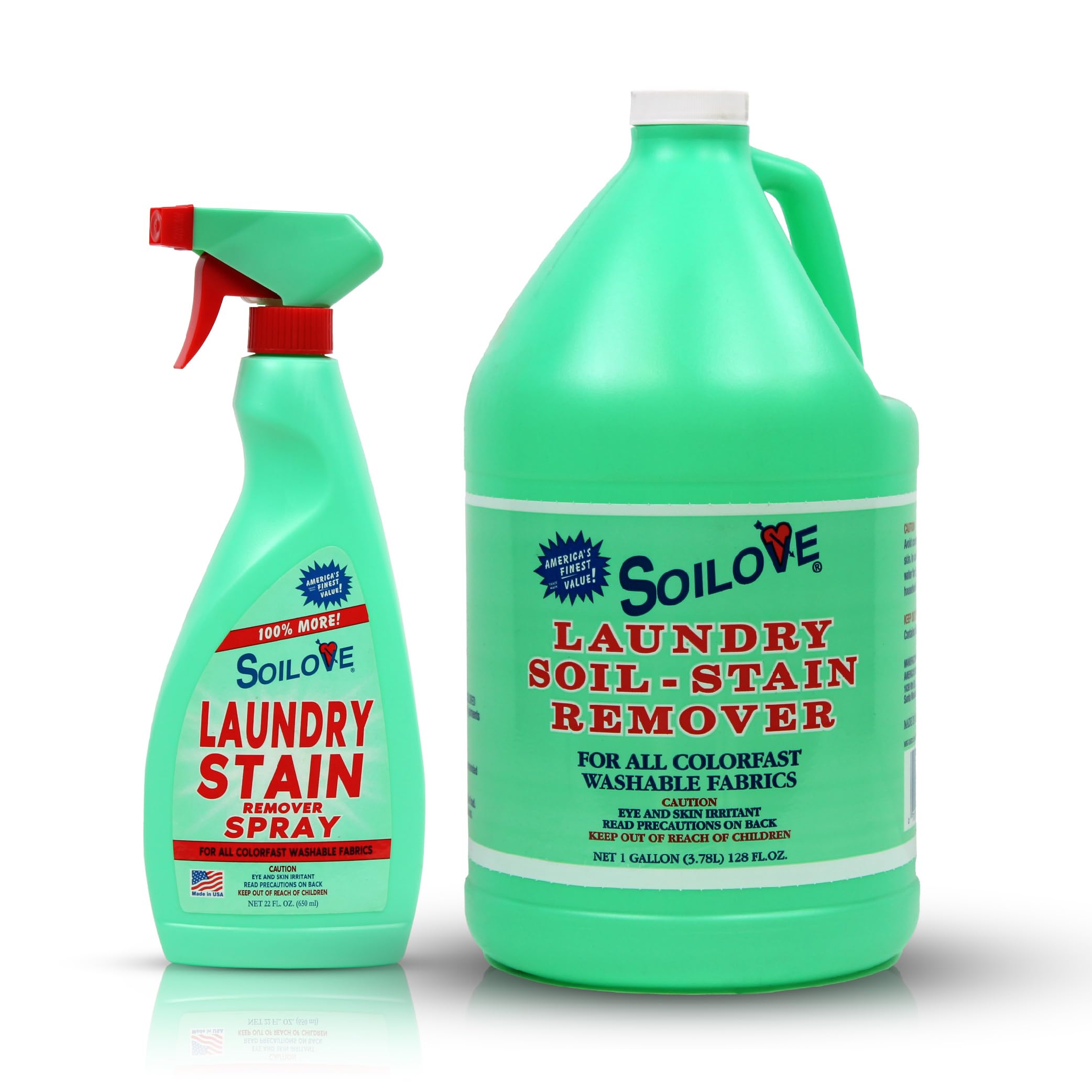
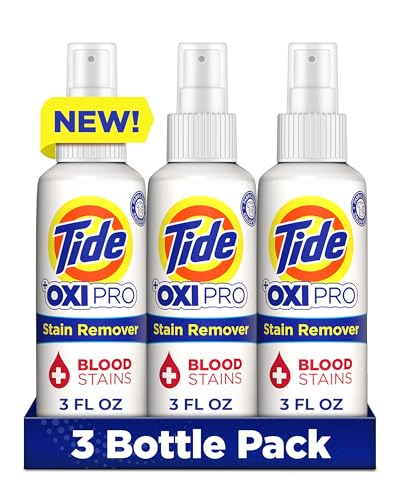

Who Should Buy Which Laundry Stain Remover for Blood?
Parents of active kids and teen athletes
Scraped knees, bloody noses, and sports kit mishaps make blood stains a weekly event in family laundry. A spray you can apply the moment a garment lands in the hamper keeps stains from drying untreated, which is when they are easiest to release. Keep one bottle at the hamper and one in the laundry room so treatment never waits. For format details, our guide to the best spray laundry stain remover compares triggers, gels, and foams for pretreat duty.
Households managing bedding stains from periods and nosebleeds
Sheets and pillowcases are where dried blood usually wins, because the stain soaks in overnight before anyone sees it. A powder or liquid soaker that works over several hours in cold water suits this pattern better than a quick spray. Buy the larger size, since a full sheet soak uses far more product than a shirt spot treatment. Patience and cold water do most of the work here; the remover supplies the chemistry.
Caregivers and health workers washing uniforms at home
Scrubs and caregiver clothing pick up small blood spots that must come out completely, load after load. An enzyme based pretreat handles the volume reliably, and a consistent routine protects both the garments and the machine. Treat bloodied laundry as a hygiene task as well as a stain task: wear gloves when handling items soiled with someone else's blood, wash your hands afterward, and launder these pieces promptly rather than letting them sit. Our general guide to the best laundry stain remover covers the wider stain set these households face.
Key Features to Compare
Active chemistry: enzymes, oxygen, or peroxide
Protease enzymes digest the proteins in blood, which makes enzyme pretreats the most reliable all round choice for washable fabrics. Oxygen based powders and liquids release active oxygen that lifts the iron driven color and suits long cold soaks for bedding. Hydrogen peroxide formulas work fast on fresh stains and are common in first aid style stain products, but peroxide can bleach colored fabric, so they belong on whites unless the label says otherwise. Check which active ingredient a product leads with, and match it to the load in front of you rather than keeping one bottle for everything.
Cold water performance
Blood removal happens in cold water, full stop, because warm or hot water cooks the protein and sets the stain before any chemistry can work. A good blood remover is formulated to activate at tap cold temperatures, and its label will say so. Powders need enough soak time to dissolve and engage in cold water, so give them at least thirty minutes before judging. If a product requires warm water to perform, it is the wrong product for this stain, whatever its other claims.
Color and fabric safety
The same strength that destroys a blood stain can damage the garment. Peroxide and strong oxygen formulas can fade dark colors, and protease enzymes should stay off wool and silk, because those fibers are themselves protein and the enzymes cannot tell the difference. Look for clear fabric guidance on the label and test any new product on an inside seam. Color safe claims should name the chemistry behind them, usually an oxygen system at a controlled strength, rather than standing as a bare promise.
Dwell time and soak format
Fresh stains may release with a ten minute pretreat, while dried blood on sheets can need several hours of soaking before the wash. Sprays and gels suit targeted spots on shirts and uniforms, powders suit basin soaks, and in wash boosters add stain power to a whole load of lightly marked items. Think about your typical stain before choosing: the best format is the one that gives the chemistry enough contact time without turning laundry day into an all day project. Households that fight kitchen messes too can compare approaches in our guide to the best laundry stain remover for grease, where the chemistry and dwell logic differ.
Scent, residue, and skin contact
Bedding and underwear sit against skin for hours, so heavy fragrance in a stain remover can become its own problem. Low scent or fragrance free formulas rinse cleaner and suit sensitive households. Residue matters on dark fabrics too, where undissolved powder shows as pale smears after drying. A remover that rinses fully at cold temperatures keeps both problems away, and it also protects the next step, since leftover product can interfere with your regular detergent.
How to Treat a Blood Stain Before and During the Wash
Act as soon as you can. Rinse the fresh stain under cold running water from the back of the fabric, so the flow pushes blood out the way it came in instead of driving it deeper. For dried stains, start with a cold soak of thirty minutes or more. Apply your remover directly to the stain and let it dwell for the time on the label, then wash the item on the coldest cycle the care label allows. The critical step comes after washing: inspect the spot before the item goes anywhere near a dryer, because dryer heat sets whatever remains. If a shadow of the stain survives, repeat the treatment while the garment is still wet rather than drying it and starting over.
Common Mistakes to Avoid
- Washing a blood stain in warm or hot water, which cooks the protein into the fibers permanently.
- Putting a treated item in the dryer before checking the stain, since heat sets any residue that remains.
- Using a peroxide based remover on dark colors without a seam test, and bleaching a spot next to the stain.
- Scrubbing the stain hard with a brush, which spreads it and damages delicate fabric surfaces.
- Applying protease enzyme products to wool or silk, whose protein fibers the enzymes also attack.
- Letting bloodied items sit in the hamper for days, when a ten minute cold rinse at once would have saved them.
How to Store and Handle Blood Stain Removers Safely
Store removers in a locked cabinet or out of reach of children and pets, in their original labeled bottles. Peroxide based products lose strength with heat and light, so keep them in a cool, dark spot and note that an old bottle may simply be too weak to work. Never mix a stain remover with bleach or ammonia cleaners, and never decant chemicals into drink containers. Wear gloves when handling laundry soiled with blood that is not your own, wash your hands after sorting, and clean the hamper or basin you used for soaking. If blood exposure involves broken skin or a large quantity from an injury, treat the wound first and seek medical care as needed; laundry always comes second.
FAQ
Does hot water really set a blood stain permanently?
Yes, and the effect is hard to reverse. Heat changes the proteins in blood so they bond tightly with fabric fibers, the same basic process that cooks an egg white. A stain washed hot may fade but rarely vanishes, even with strong removers afterward. This is why every step for blood, rinsing, soaking, treating, and washing, stays cold until the stain is fully gone.
Can hydrogen peroxide based removers be used on colored clothes?
Only with caution. Peroxide lifts blood quickly, but it can also lift dye, leaving a pale patch that looks worse than the stain. Reserve it for whites and for colorfast items that pass a hidden seam test after a full dwell. On dark or delicate colors, an enzyme pretreat is the safer route, even if it works more slowly.
How do I remove dried blood from bed sheets?
Soak the sheet in cold water with an oxygen based powder or a measured dose of enzyme remover for several hours, or overnight for heavy staining. Keep the stained area fully submerged and weigh it down if it floats. After soaking, pretreat the spot directly, wash cold, and inspect before drying. Large sheets sometimes need a second soak cycle, which is still cheaper than replacing the set.
Is a laundry stain remover for blood safe on wool or silk?
Most are not. Protease enzymes digest protein, and wool and silk are protein fibers, so the cleaner can weaken or roughen them. Peroxide and strong oxygen products can also damage these fabrics and their dyes. For blood on wool or silk, blot with cold water only and take the item to a professional cleaner, telling them the stain is blood so they choose the right process.
Why did a blood stain turn brown after washing?
The brown color is oxidized iron from the blood, and it usually means the stain was exposed to heat or was not fully treated before washing. A brown shadow can still improve with a long cold soak in an oxygen based remover, followed by an enzyme pretreat and another cold wash. If the item has already been through a hot dryer cycle more than once, though, the change is likely permanent.
Final Thoughts
Blood stains obey simple rules: keep everything cold, give the chemistry time, and never let heat touch the fabric until the mark is gone. Stock an enzyme pretreat for everyday spots and an oxygen soaker for bedding, and test strong formulas before trusting them near color. Compare the options in the product table above, and choose the best laundry stain remover for blood for the fabrics and stains your household actually produces.


