
Best Rechargeable Fabric Shaver for 2026: What Actually Matters
Disclosure: We may earn a commission when you buy through links on this page, at no extra cost to you. As an Amazon Associate I earn from qualifying purchases. Learn more

Compare the best rechargeable fabric shaver options by battery life, head size and fabric safety for sweaters, couches and delicate knits and upholstery.
A favorite sweater covered in pills looks worn out long before the knit itself wears thin. A fabric shaver restores that smooth surface in minutes, gliding over the garment and trimming the fuzz balls into a collection bin. The rechargeable versions add freedom from cords and disposable batteries, but they vary widely in runtime, blade size, and how gently they treat delicate knits. Finding the best rechargeable fabric shaver comes down to what you shave most, sweaters, upholstery, or everything.
This guide compares the features that separate a satisfying tool from a frustrating one, explains which fabrics need care, and covers blade maintenance so the shaver keeps cutting cleanly. The product table near the top sums up the main types, and the sections after it help you match one to your wardrobe and furniture.
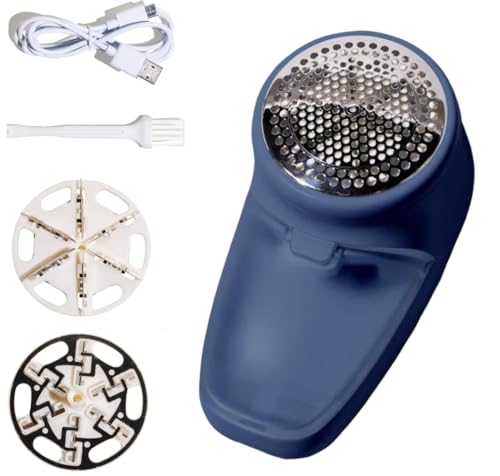
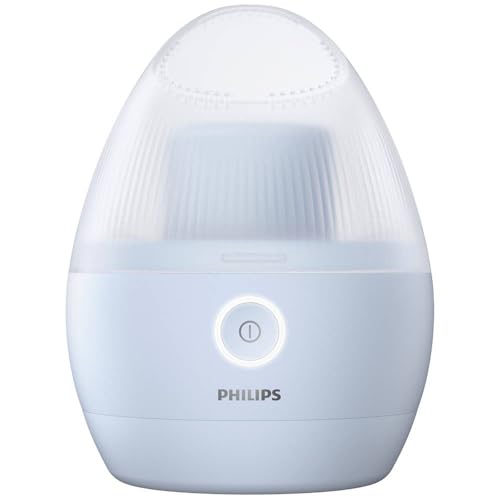


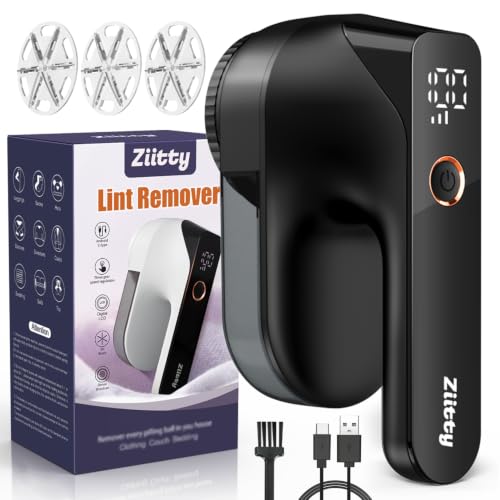
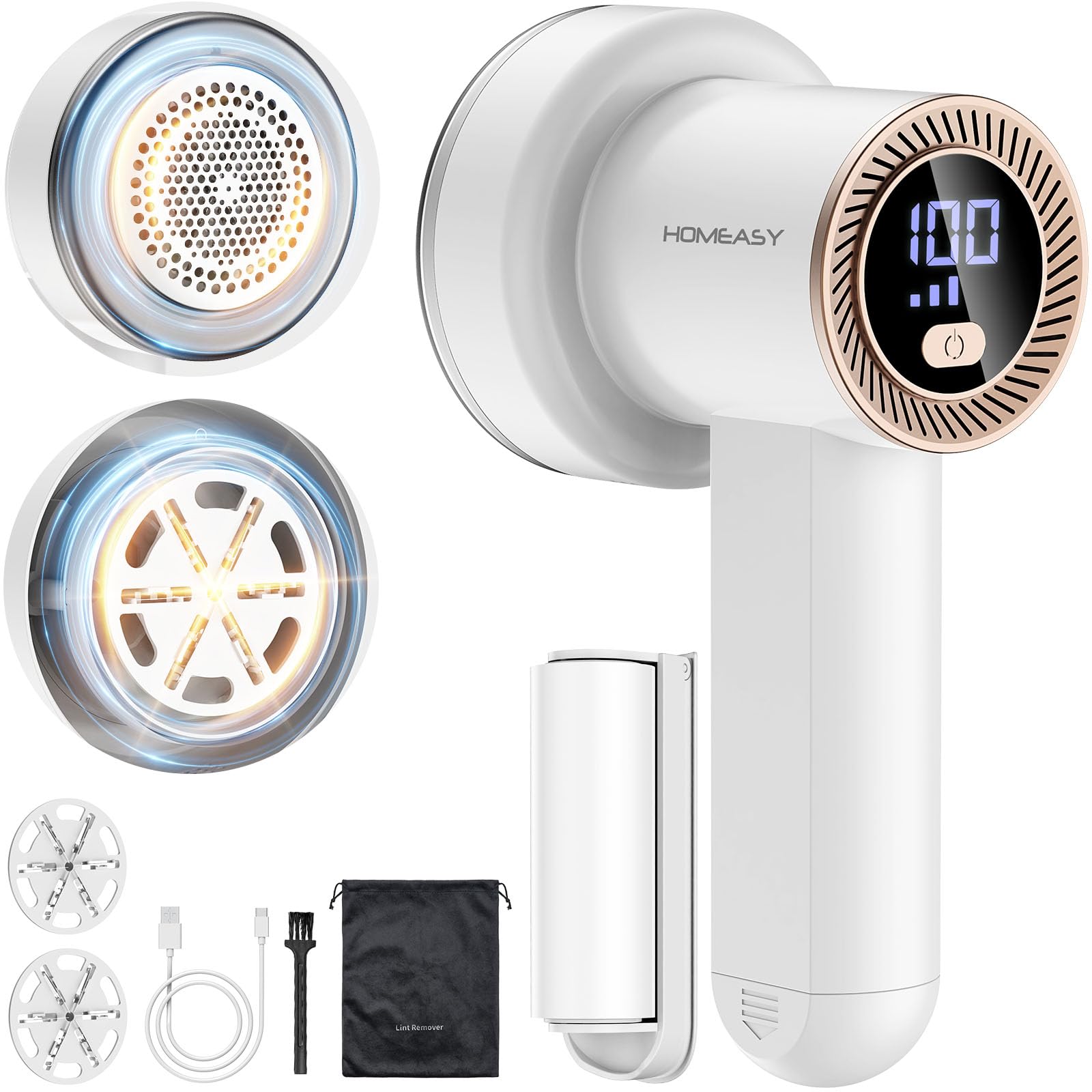

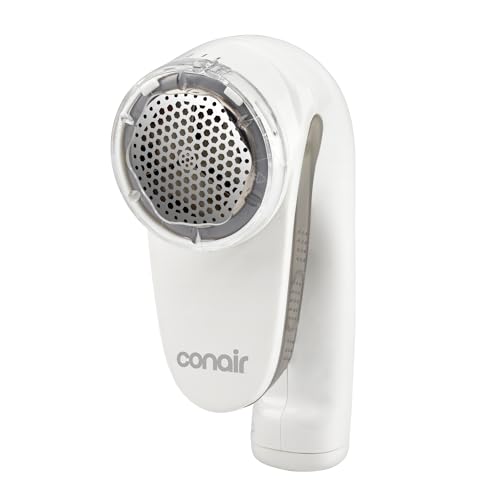


Who Should Buy Which Rechargeable Fabric Shaver?
Sweater and knitwear owners refreshing a wardrobe
If your closet holds wool, cashmere blends, and cotton knits that pill after a few washes, a standard size shaver with adjustable spacing is your tool. The guard ring sets how close the blades sit to the fabric, which protects fine knits while still catching pills. Our guide to the best fabric shaver for sweaters focuses on this garment by garment routine. Choose a model with spare blades in the box, because knitwear sessions are frequent and blades dull quietly.
Pet owners and families restoring couches and throws
Upholstery is a bigger job in every sense: more area, thicker pills, and fabric that cannot move to the tool. A wide head rechargeable shaver covers a sofa cushion in a fraction of the passes a compact model needs, and a larger lint bin means fewer stops to empty it. Our guide to the best fabric shaver for couch fabrics covers the pressure and pace that work on fixed upholstery without snagging the weave.
Travelers and minimalists who want one small tool
A compact rechargeable shaver that charges by USB suits people who refresh a few garments before trips or photos. These small models trade head size and bin capacity for portability, and they handle a sweater or blazer perfectly well. If you rarely shave anything larger than a cardigan, the compact class saves money and drawer space. Our broader guide to the best fabric shaver types, and the comparison with the best electric fabric shaver designs that run on cords or replaceable batteries, will help you confirm the rechargeable format fits your habits.
Key Features to Compare
Battery life and charging style
Runtime decides whether a shaver finishes a coat or dies halfway down a sleeve. Look for a stated runtime of at least an hour, which covers several garments per charge, and check whether the shaver works while plugged in, a lifesaver when the battery fades mid job. USB charging adds flexibility for travel and desk drawers, while proprietary chargers are one more cable to lose. Note that raw power often dips as the charge runs low on budget models, so the last garment gets a slower, weaker shave than the first.
Head size and blade configuration
The shaving head diameter sets your pace. Wide heads around two inches sweep upholstery and coats quickly, while smaller heads follow the curves of sleeves, collars, and underarms with more control. Most heads hide three or six small blades under a perforated foil, and more blades generally means a smoother pass with less pressing. Pressing harder does not help, by the way: it pushes fabric toward the blades and raises the risk of a nick, so a head that cuts well under its own weight is the real quality signal.
Adjustable height and fabric safety
An adjustable guard or spacer ring changes the distance between foil and fabric, which is what makes one tool safe for both a chunky wool throw and a thin knit top. Fixed height budget shavers can be fine on sturdy fabrics but risky on anything delicate or loosely woven. Loose threads, embroidery, and buttons are hazards for every model, so check whether the foil holes are sized to catch pills without grabbing yarn. If you sew or knit, keep a truly delicate garment routine separate and test any shaver on an inside seam first.
Lint bin capacity and emptying
Every pill the head trims lands in the collection bin, and a full bin chokes airflow and cutting performance. Larger, translucent bins let you see the fill level and empty at the right moment instead of wondering why the shaver stopped working well. Detachable bins that rinse clean beat fixed chambers you have to pick at with a brush. On big upholstery jobs this detail matters more than motor specs, because stopping every cushion to empty a thimble sized bin doubles the job time.
Motor speed and suction
Higher blade speeds slice pills cleanly instead of tearing them, and tearing leaves fibers frayed so they pill again sooner. Some rechargeable models list two speed settings, a gentler one for fine fabrics and a faster one for dense fleece and upholstery. A small internal fan or suction path helps pull pills into the bin rather than scattering them across the garment. You cannot judge any of this from packaging claims alone, so favor brands that state blade speed and include a cleaning brush, a small sign the maker expects real maintenance.
How to Shave Fabric Safely, Garment by Garment
Lay the garment flat on a firm surface and smooth it with your hand, because wrinkles push fabric into the foil. Work in small sections with light, circular passes, letting the head glide rather than pressing down. Empty the bin and brush the foil whenever performance dips, which is usually lint packing rather than a dying battery. Test delicate or loosely woven pieces on a hidden area first, and skip shavers entirely on very loose knits, sequins, and anything with raised embroidery.
For upholstery, vacuum the surface first so grit does not dull the blades, then work along the weave direction with the cushion pulled taut by your free hand. Keep the shaver moving, since parking a spinning head in one spot can thin the fabric beneath it. When a pill resists, lift and approach it from another angle instead of bearing down, and snip any long loose thread with scissors rather than letting the shaver catch and pull it.
Common Mistakes to Avoid
- Pressing the shaver hard into the fabric, which forces cloth toward the blades and can cut a hole.
- Shaving a garment while wearing it, which risks nicks in both the fabric and your skin.
- Skipping the hidden test patch on delicate knits, which can thin or tear a visible area.
- Letting the lint bin overfill, which chokes the blades and makes a good shaver seem weak.
- Running the shaver over buttons, zippers, and loose threads, which can jam or damage the foil.
How to Make Your Fabric Shaver Last Longer
Blades are the consumable here, and dull blades tear rather than cut, so replace them when garments start looking fuzzy again after a pass or when you hear the motor working harder. Brush the foil and bin after every use, and clear the lint that packs around the blade hub, since that hidden ring of fuzz slows the motor. Recharge before the battery is fully flat when you can, and store the shaver with its protective cap on so the thin foil does not dent in a drawer. A dented foil is not worth repairing on most models, so the cap habit quietly saves the whole tool.
FAQ
How long does a rechargeable fabric shaver run per charge?
Most models run between 45 minutes and two hours, depending on battery size and speed setting. That is enough for roughly five to ten garments, since a sweater takes only a few minutes once you have the rhythm. Upholstery drains the battery faster because the motor works continuously over large areas. If you regularly restore whole sofas, favor a model that also runs while plugged in.
Will a fabric shaver damage delicate fabrics like cashmere?
Used correctly, a shaver with an adjustable guard is safe on cashmere and fine wool, and it is the standard way to refresh them. Set the guard to its gentlest height, keep pressure near zero, and test the inside hem first. What damages delicate knits is pressing down, using a fixed height aggressive head, or shaving fabric that is stretched thin over a curved surface like an elbow.
How often should I replace the blades?
Replace them when cutting slows, pills need several passes, or results look torn rather than trimmed. For a household shaving a rotation of sweaters through winter, that is often once or twice a year. Heavy upholstery use dulls blades faster. Spare blades are inexpensive, and swapping them early protects garments, because a dull blade pulls at pills instead of slicing them free.
Can I use a fabric shaver on bedding and curtains?
Yes, flat woven bedding and curtain panels respond well, and a wide head makes the area manageable. Work with the fabric laid flat or held taut, and avoid any embroidered or lace sections, which the foil can catch. Sheer curtains are the exception and are better left alone, since their loose weave can draw into the foil. Cotton and linen blends with visible pilling benefit the most.
Why is my fabric shaver leaving some pills behind?
Usually the bin is full, the blades are dull, or the pills are flatter than the foil can grip. Empty and brush the head, then try slower passes with the fabric pulled smooth and taut. Very flat, worn in pills sometimes need a second session after the garment is washed, when fibers loosen. If a new shaver struggles from day one on sturdy fabric, its motor speed is simply low for that material.
Final Thoughts
Choose the head size for your biggest regular job, insist on an adjustable guard if delicates matter, and keep spare blades on hand. Set against the types in the product table above, the best rechargeable fabric shaver is the one you can run across a favorite sweater without holding your breath, and a few minutes per garment each season keeps a whole wardrobe looking years younger.


