
Best High End Laundry Detergent for 2026: What the Extra Money Actually Buys
Disclosure: We may earn a commission when you buy through links on this page, at no extra cost to you. As an Amazon Associate I earn from qualifying purchases. Learn more

Compare premium laundry detergents by enzyme power, cost per load, scent and fabric care, and learn when a high end formula is worth paying more for.
Premium detergent costs two or three times more than a basic bottle, and the labels rarely explain what that money changes. A best high end laundry detergent earns its price with stronger enzyme blends, concentrated dosing, and fabric care ingredients that basic formulas skip. It wastes money when you dose it like a cheap detergent or run mostly cold, lightly soiled loads that never challenge it.
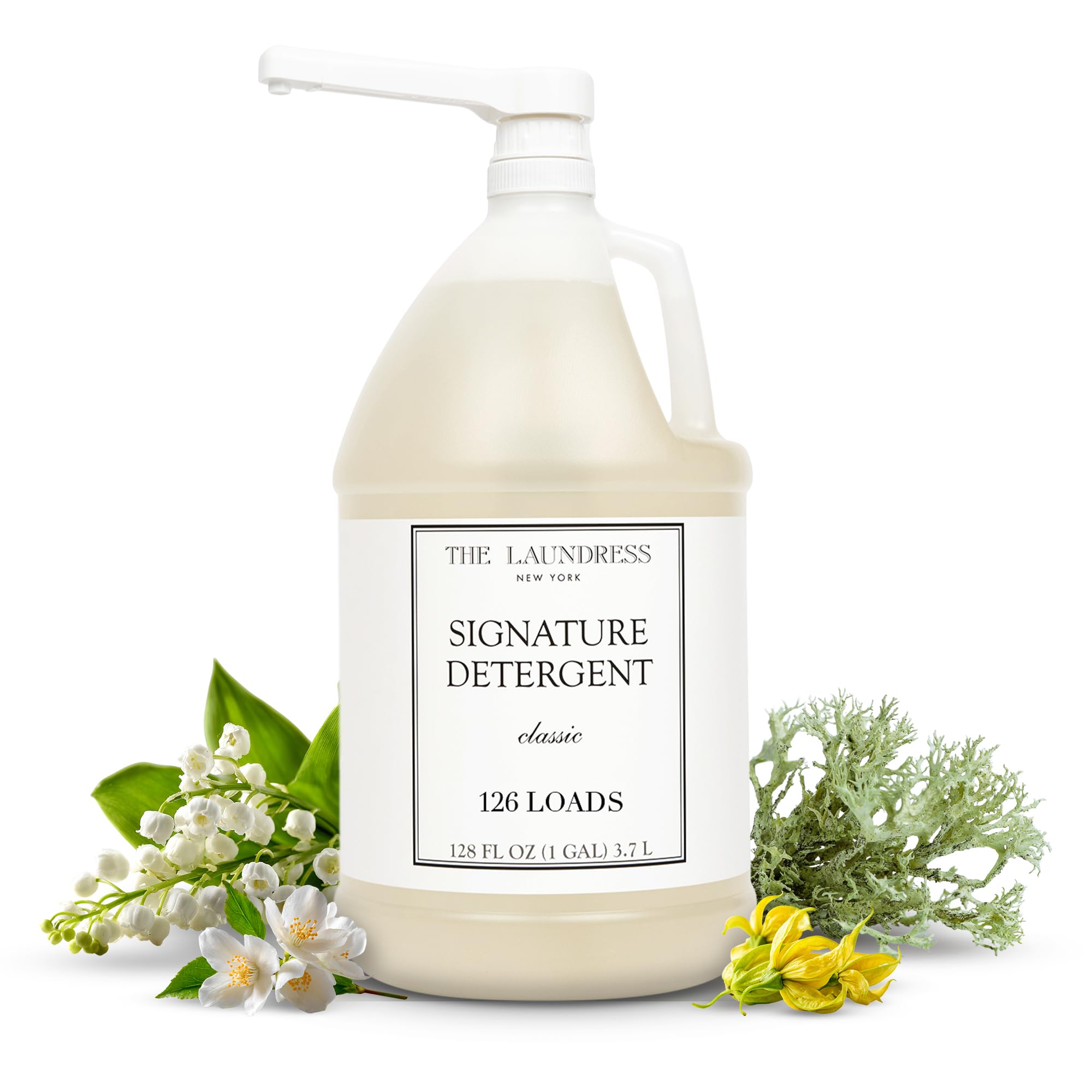
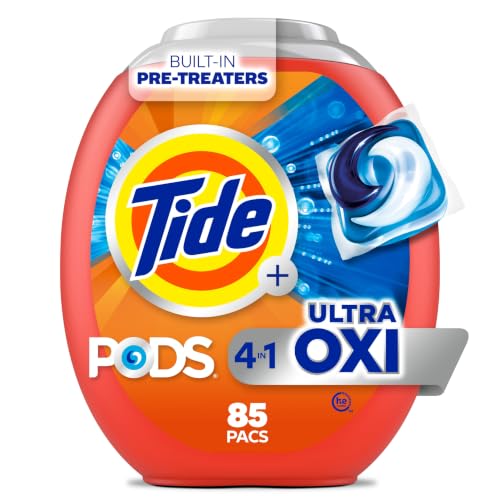
This guide breaks down where premium formulas genuinely outperform standard ones and where they do not, so you can match a bottle to your laundry instead of paying for marketing. The product table sums up the main formula types, and the sections after it explain how to judge each factor on a label.




Who Should Buy a High End Laundry Detergent?
Homes that wash a lot of athletic wear and work clothes
Synthetic workout fabrics and greasy work uniforms hold odor and body oils that basic detergents rinse past. Premium formulas built for these loads carry broader enzyme blends and odor neutralizing ingredients, which is where the price gap shows up most clearly in real results.
People protecting dark colors and delicate fabrics
If your wardrobe leans on black jeans, silk blouses, or wool layers, the dye care and fabric care additives in premium detergent matter more than raw cleaning power. These formulas aim to keep colors from fading and fibers from pilling wash after wash, a job budget detergent rarely prioritizes.
Cold water washers who want lower energy bills
Washing in cold water saves energy, but cold water weakens ordinary detergent. Premium cold water formulas compensate with enzymes that stay active at low temperatures, so households committed to cold cycles get more from the upgrade than households that wash warm by default.
Key Features to Compare
Enzyme blend and stain coverage
Enzymes are the main reason premium detergent outcleans basic detergent on real stains. Protease targets protein stains like blood and sweat, amylase works on starches like pasta sauce, lipase breaks down body oils and cooking grease, and cellulase smooths cotton fibers so colors look brighter. A basic bottle may carry one or two of these, while high end formulas stack four or more at higher concentrations. Check the ingredient list or the brand site for named enzymes rather than vague claims about stain power, because the blend, not the scent or the bottle design, decides how the detergent handles your actual laundry mix.
Concentration and cost per load
Judge premium detergent by cost per load, never by bottle price. Concentrated formulas dose at a tablespoon or two per load, so a small expensive bottle can run more loads than a large cheap one. Do the division before you buy: bottle price divided by the stated load count gives the honest number. Premium liquids and pods often land around 30 to 60 cents per load, while oversized value bottles of basic detergent sit closer to 10 to 20 cents. That gap is the real premium you are deciding about, and concentrated dosing only saves money if you actually measure instead of free pouring.
Scent strength and residue control
Fragrance is where premium brands spend heavily, with layered scent capsules designed to survive folding and storage. That is a genuine benefit if you love scented laundry, and a liability if scent clings too much or irritates anyone at home. Look for clear labeling on scent intensity and for unscented premium options, which exist but hide on fewer shelves. Residue matters just as much: high end formulas are usually engineered to rinse clean in modern machines, while overdosed cheap detergent leaves film that traps odor in towels and gym clothes.
Fabric care and color protection
Premium detergents add ingredients that basic formulas omit: dye transfer inhibitors that stop colors bleeding onto whites, anti pilling enzymes that keep cotton smooth, and gentler surfactant systems for wool and silk. None of this shows up in a single wash. It shows up after thirty washes, when dark shirts still look dark and sweaters have not fuzzed over. If most of your laundry is sturdy basics you replace often, this factor is worth little. If you keep clothes for years, it can justify the upgrade on its own.
Machine compatibility and suds control
Almost every premium detergent sold now is formulated for high efficiency machines, but check for the HE symbol anyway, because excess suds in an HE washer cushion the tumbling action and leave clothes less clean. Premium formulas also tend to include water softening agents that help in hard water areas, where minerals otherwise blunt cleaning power. If your water is very hard, that built in help still has limits, and a separate softener or a detergent booster may matter more than stepping up another price tier.
Matching a Premium Formula to Your Loads
Start from your hardest regular load, not your average one. Towels and sheets reward an enzyme rich formula with strong rinsing, while a weekly load of delicates rewards gentle chemistry and low residue. Households washing cloth diapers or baby clothes usually do better with a premium free and clear formula than with a scented flagship, and our guide to the best laundry detergent for sensitive skin explains what to check on those labels. If ingredient transparency is your top priority rather than performance, the best non toxic laundry detergent category overlaps with premium pricing for different reasons. Readers who prefer plant derived ingredients over synthetic blends should compare the best natural laundry detergent options before paying flagship prices. And if you are still deciding whether premium is even your category, start with the broader best laundry detergent guide and narrow down from there.
Common Mistakes to Avoid
- Dosing by cap size instead of the label line: premium detergent is concentrated, so a full cap can double the intended dose and leave residue that attracts more dirt.
- Paying for enzymes your laundry never needs: if your loads are lightly worn office clothes, a four enzyme flagship solves a problem you do not have.
- Judging by scent alone: strong fragrance can mask odor for a day while the oils causing it stay in the fabric and return next wear.
- Storing pods where children can reach them: concentrated pods look like candy to small kids, so keep them in a latched or high cabinet, always.
- Mixing premium detergent with extra boosters by default: stacking products can cancel enzymes and overload the rinse, making clothes worse rather than cleaner.
How to Make Premium Detergent Earn Its Price
Measure every dose with the cap lines or a small marked cup, and drop to the lowest line for regular loads, because premium formulas are designed to work at that dose. Sort by soil level and give the dirtiest loads a pre soak cycle rather than extra detergent, since dwell time lifts soil more cheaply than chemistry does. Store bottles and pods in a cool, dry cabinet away from children and pets, and keep pods in their original child resistant container with the lid closed after every use. Finally, run a monthly hot empty cycle on the washer itself, because even the best detergent cannot perform through a drum coated in old residue and mildew.
FAQ
Are expensive laundry detergents worth it?
They are worth it when your loads include the problems premium chemistry solves: body oils in synthetic gym wear, set in food stains, hard water, or cold only washing. They are not worth it for lightly soiled loads washed warm, where a mid priced detergent reaches the same result. The honest test is cost per load on your hardest weekly load, not the bottle price.
Does premium detergent clean better in cold water?
Usually yes, because cold water formulas carry enzymes selected to stay active below 60 degrees Fahrenheit, plus surfactants that work without heat softening oils first. The catch is dwell time: cold cycles clean better with a longer wash, so pair a premium cold water detergent with the normal or heavy cycle rather than the quick wash.
Can you use less of a concentrated premium detergent?
Yes, and you should. Concentrated formulas are dosed for the marked line, often a tablespoon or two, and using less than the line on small or lightly soiled loads is fine. Using more never adds cleaning power once the water is saturated with surfactant; the excess simply rinses away or stays in the fabric.
Is high end detergent safe for septic systems?
Most premium detergents are septic safe at normal doses, since the enzymes and surfactants break down in the tank. The bigger risks are antibacterial additives in excess and sheer volume from daily oversized loads. If your system is older or small, choose a formula labeled septic safe and keep doses measured.
Does premium detergent remove odors from athletic wear better?
Generally yes, because the better formulas pair lipase enzymes with odor neutralizing ingredients that break down the body oils where odor causing bacteria feed. Basic detergent often just perfumes over those oils. For the worst loads, a thirty minute pre soak in the premium detergent before the cycle makes a bigger difference than switching brands again.
Final Thoughts
The right best high end laundry detergent is the one whose strengths match your hardest loads: enzymes for stains and oils, gentle chemistry for delicates, or cold water performance for energy savings. Use the product table above to compare formula types side by side, judge every option by cost per load, and measure your doses once the bottle is home. Pay for chemistry you will actually use, and premium detergent stops being a splurge and starts being a tool.


