
Best Laundry Stain Remover for Grease in 2026: How to Choose What Works
Disclosure: We may earn a commission when you buy through links on this page, at no extra cost to you. As an Amazon Associate I earn from qualifying purchases. Learn more

Compare enzyme, oxygen and solvent formulas, dwell times and fabric safety to choose the best laundry stain remover for grease on kitchen and work stains.
Grease stains survive ordinary wash cycles because laundry detergent diluted in a full tub of water is too weak to pull oil out of fibers. The best laundry stain remover for grease works differently: you apply it concentrated, straight onto the spot, and give it time to break the oil down before the wash starts. Cooking splatter, bike chain marks, garage grease, and oily food drips all respond to the same chemistry when you pick the right formula type.
This guide explains how enzyme, oxygen, and solvent based removers each attack grease, which fabrics each one is safe on, and how dwell time changes the result. The product table lays out the main formats, and the sections after it help you match one to your stains.


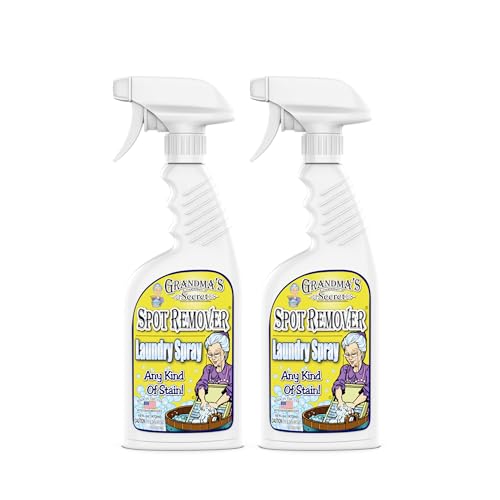


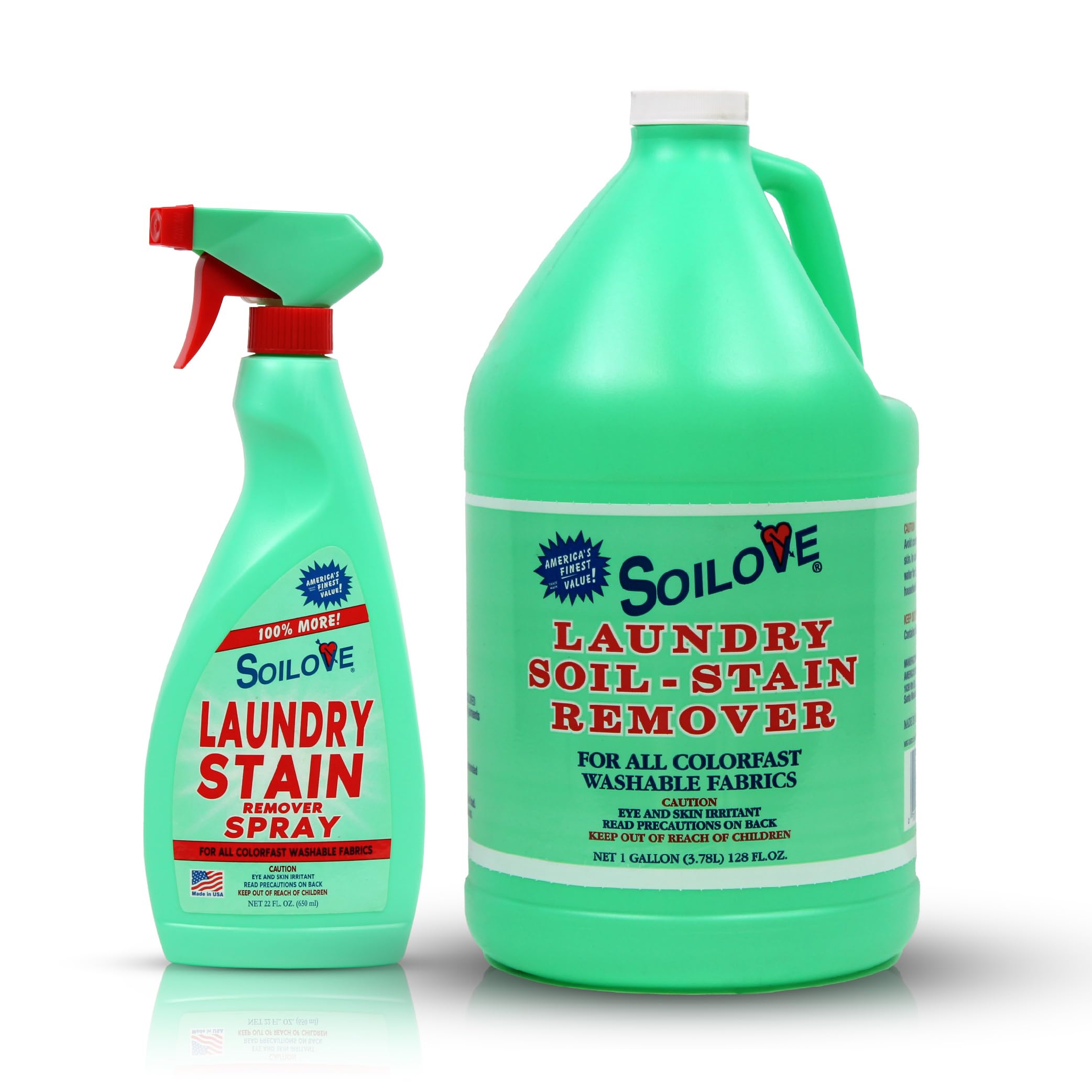

Who Should Buy Which Grease Stain Remover?
Cooks dealing with splattered shirts and aprons
Kitchen grease lands hot, spreads wide, and often gets washed before anyone notices it. You need a spray or gel with strong surfactants that can go on before every wash without damaging colors, plus the patience to treat spots as they happen rather than hunting for them on laundry day.
Mechanics, cyclists, and hands on workers
Chain lube, motor oil, and shop grease are darker, thicker, and often ground deep into work shirts and jeans. These stains favor solvent leaning formulas and longer dwell times, sometimes an overnight soak, because the oil has bonded with dust and metal particles that laundry detergent alone will not release.
Parents handling oily food stains on kids clothes
Pizza, burgers, and salad dressing hit the same few shirts every week. A gentle enzyme spray that is safe on colors and quick to apply at the hamper suits this routine better than a harsh solvent, and it keeps treatment fast enough that it actually happens.
Key Features to Compare
Active chemistry: enzyme, oxygen, or solvent based
The active system decides what a remover can do to grease. Lipase enzymes digest the fatty part of the stain and work well on food and body oils, but they need time and lukewarm water to perform. Oxygen based powders release hydrogen peroxide in a soak and lift stains gently across most colors, though they work slowly on heavy oil. Solvent leaning sprays and gels dissolve petroleum grease and chain lube fastest, which is why they suit garage stains. Many strong products combine surfactants with one of these systems, so read the label for how it claims to work rather than trusting the word grease on the front.
Format: spray, gel, stick, or soak powder
Format controls how well the product stays on the stain. Sprays cover wide splatter quickly and suit daily kitchen spots, but thin liquids can run off vertical fabric before they soak in. Gels and sticks cling to a collar, cuff, or single drip mark, keeping the chemistry in contact longer. Powder soaks treat whole garments at once, which helps when grease has spread or when several items need the same bath. For pure grease work, clinging formats usually beat sprays, because grease removal is mostly a contact time problem rather than a coverage problem.
Dwell time and treatment routine
Every grease remover has a working window, and using it inside that window matters more than brand. Light formulas ask for five to ten minutes before washing, while heavy duty treatments may allow an hour or an overnight rest on thick oil. Two habits decide most outcomes: treat the stain before the garment ever sees dryer heat, because heat sets grease into synthetic fibers almost permanently, and check the spot after washing while it is still wet. If the mark remains, treat and wash again instead of drying, since a second cycle on a wet stain still has a real chance.
Fabric and color safety
Grease chemistry can be rough on the wrong fabric. Solvent leaning products may damage acetate, some waterproof coatings, and delicate synthetics, and oxygen soaks are not safe for wool or silk because the peroxide attacks protein fibers. Enzyme sprays are usually the gentlest route for colors and everyday blends. Whatever you choose, test a small hidden area first, such as an inside seam, and wait ten minutes before treating the visible spot. A remover that lifts the grease but leaves a light ring has traded one stain for another.
Value and bottle size
Stain remover is a repeat purchase, so compare cost per treatment rather than bottle price. Sprays used daily on work clothes empty fast, and refill sizes or gel sticks that last months can cut the real cost sharply. Most grease focused removers run around $5 to $15 a bottle, with larger refills dropping the per use cost further. Powders look cheap per box and often are, but only count if soaking fits your routine. The best value is the product you will use correctly every time, not the one with the lowest shelf price.
How to Treat a Grease Stain Step by Step
Blot fresh grease with a clean cloth to lift what sits on the surface, and never rub, because rubbing pushes oil deeper and spreads the edges. Lay the garment flat, apply the remover from the back of the fabric when you can, and work it in gently with an old soft toothbrush so the chemistry reaches the full depth of the spot. Wait out the full dwell time on the label, then wash in the warmest water the care tag allows. This routine differs sharply from protein stains, where heat is the enemy, which is why stain guides like the best laundry stain remover for blood give opposite water advice. If most of your stains are splatter from cooking, a dedicated best spray laundry stain remover covers daily spots fastest, and the broader best laundry stain remover guide compares formats across every stain type.
Common Mistakes to Avoid
- Drying the garment before checking the stain: one dryer cycle can set grease permanently, turning a removable spot into a shadow that never fully leaves.
- Using hot water on a fresh unknown stain: heat helps grease but sets protein stains like blood and egg, so identify the stain before choosing the temperature.
- Skipping the dwell time: washing two minutes after spraying gives the chemistry no time to break the oil bond, and the stain survives untouched.
- Applying remover to a whole load in the machine: grease removers are pre treatments that need direct contact, not additives poured into a full tub.
- Treating silk or wool with oxygen soaks: peroxide based products damage protein fibers, weakening delicate garments while the stain fades.
How to Store and Use Stain Removers Safely
Keep stain removers in their original labeled containers, stored upright in a cabinet away from children and pets, and never mix them with other chemicals in a spray bottle of your own, because unlabeled mixtures get misused. Never combine bleach with ammonia or acidic cleaners anywhere in your laundry routine, since the mixture creates toxic gas. Work in a ventilated room when using solvent leaning sprays, wash your hands after treating heavily soiled work clothes, and replace a bottle when the sprayer clogs or the formula separates, because degraded product wastes the dwell time you are counting on.
FAQ
Can a stain remover remove grease that has already been washed and dried?
Sometimes, with lower odds. Apply a solvent leaning gel, let it sit for several hours or overnight, then wash warm and check while wet. Repeat once if the mark fades. Each cycle usually lightens the stain further, but grease baked into polyester by repeated drying may only fade to a faint shadow rather than disappear.
Should you use hot or cold water on grease stains?
Warm water works best for grease, because it keeps oils fluid so the remover and detergent can carry them away. Cold water can firm up animal fats and make them cling. Always stay within the garment care label, and remember the rule flips for protein stains, which need cold water only.
How long should a stain remover sit on a grease stain?
Follow the label, but most grease treatments need at least ten to fifteen minutes, and thick or old stains benefit from thirty minutes to an hour. Do not let the product dry out completely on the fabric; if it starts drying, add a little more. Longer is not endless, since overnight soaking suits powders better than sprays.
Is dish soap a workable substitute for a grease stain remover?
For a fresh cooking oil spot, yes, a drop of plain dish soap worked in by hand often lifts it, because dish soap is built to cut kitchen grease. It is less reliable on motor oil and chain grease, and it can oversuds a high efficiency washer if you use too much. A dedicated remover is the safer routine for work clothes.
Can grease stain removers be used on colored fabrics?
Most enzyme and surfactant removers are color safe on modern dyed fabrics, but dyes vary, especially on dark denim and bright synthetics. Test inside a seam first and wait ten minutes. Avoid chlorine bleach based products on colors entirely, and treat oxygen soaks as color safe only when the label states it.
Final Thoughts
Choosing the best laundry stain remover for grease comes down to your stain type: enzyme sprays for daily food splatter, solvent leaning gels for garage oil, and oxygen soaks for whole garment rescue. Check the product table above for the format that fits your routine, respect the dwell time, and always inspect the spot before the dryer gets a vote. Technique beats brand in grease removal, and a treated stain caught early almost always comes out.


