
Best Automatic Pool Skimmer: How to Choose One for 2026
Disclosure: We may earn a commission when you buy through links on this page, at no extra cost to you. As an Amazon Associate I earn from qualifying purchases. Learn more

Compare automatic pool skimmer designs by power source, basket size, run time, and build quality to keep leaves and bugs off your pool surface daily.
Leaves, pollen, and bugs land on pool water all day, and a wall skimmer only catches the debris that drifts past one fixed opening. A best automatic pool skimmer solves that problem by moving across the surface on its own, collecting floating debris before it sinks and becomes much harder to remove. These units differ a lot in power source, basket size, and how well they handle corners, steps, and ladders.
This guide explains the factors that actually separate a helpful unit from a frustrating one, and the comparison table below lines up the main designs side by side so you can match a skimmer type to your pool size, your debris load, and how much daily attention you want to give it.
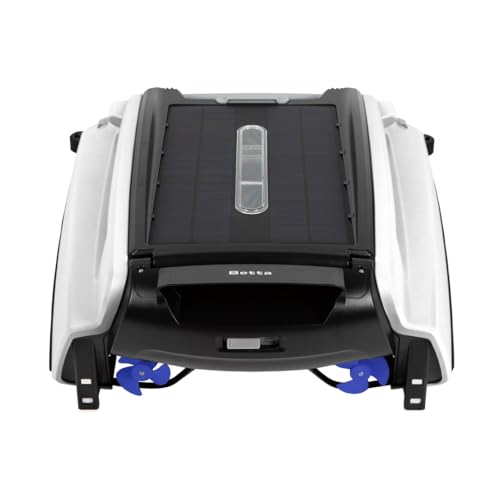

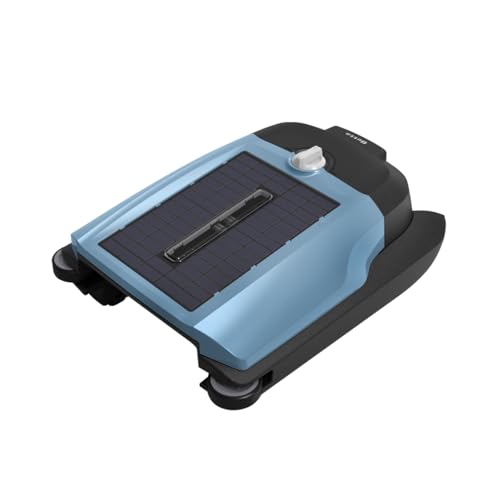

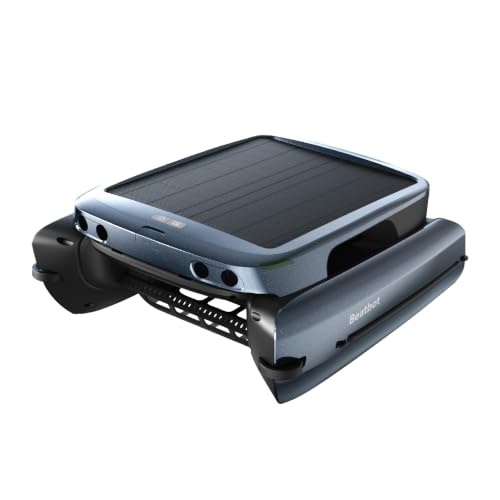
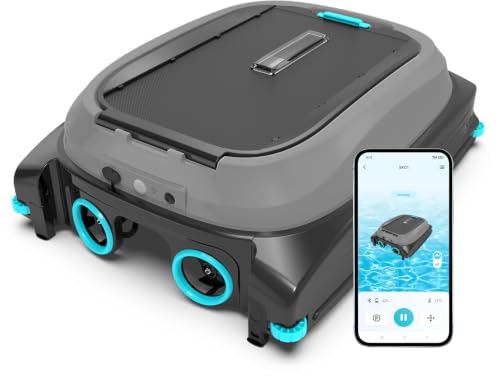

Who Should Buy Which Automatic Pool Skimmer?
Pool Owners With Heavy Leaf Fall
If trees hang over your pool, the surface can go from clear to covered in a single windy afternoon. You need a large debris basket and a wide intake mouth, because a small basket fills by midday and the unit then pushes leaves around instead of collecting them. Look for baskets you can lift out and rinse in seconds, since you will empty yours far more often than the average owner, and read our guide to the best pool skimmer for leaves for more on heavy debris setups.
Owners of Small and Medium Pools Who Want Hands Off Cleaning
For a typical backyard pool without heavy tree cover, a solar powered unit with a modest basket is usually enough. It starts working when the sun hits the panel, needs no cord and no plumbing changes, and keeps the surface presentable between your weekly manual cleanings. Your main checks are panel size, battery backup for cloudy spells, and whether the navigation pattern suits a rectangular pool or wanders well in freeform shapes.
Above Ground Pool Owners
Above ground pools have thinner walls, different waterline heights, and often a ladder rather than steps, so clearance matters more than raw power. A compact floating unit that rides low in the water usually fits better than a tall design that can catch on the ladder or the top rail. Confirm the unit works with your pool depth and that its bumper or sensor layout handles the ladder instead of circling it for an hour.
Key Features to Compare
Power Source and Run Time
Most automatic surface skimmers run on solar power with a rechargeable battery, and a smaller group plugs in or connects to the pool plumbing. Solar models cost nothing to run and start on their own each morning, but their strength depends on panel size and how much direct sun your pool gets. Battery capacity decides how long the unit keeps working through shade and into the evening, when insects are most active on the water. If your pool sits under trees for much of the day, a model with a larger battery or a plug in option will clean more consistently than a small panel design.
Debris Basket Size and Filter Fineness
The basket is where every leaf, bug, and seed ends up, so its volume directly sets how often you stop to empty it. Fine mesh traps pollen and small seeds but clogs faster in dusty areas, while coarse mesh passes fine particles back into the water. Many baskets slide or lift out from the top, which is far easier than designs that make you pull the whole unit from the pool. Match basket size to your debris load first, then check how fine the mesh is, because a huge basket with coarse mesh still leaves a film of fine debris behind.
Navigation and Pool Coverage
A skimmer only cleans the water it actually crosses, so the travel pattern matters as much as suction. Some units use water jets or dual motors to steer, others drift and redirect when they touch a wall, and smarter designs map a route that covers edges where debris collects. Corners, steps, and beach entries trap floating debris, so look for bumpers and brushes that sweep along the waterline rather than bouncing away from it. In a large pool, a unit that favors the edges and returns to open water usually removes more debris per hour than one that zigzags in the middle.
Build Materials and Weather Resistance
These units live outdoors in chlorinated or salt water under strong sun, which is a harsh combination for plastic. UV stabilized housing resists cracking and fading, and sealed motor compartments keep pool chemistry away from the parts that fail first. Salt water pools are harder on metals and seals, so check that the maker rates the unit for salt systems if you have one. Panel glass or coating quality also matters, because a clouded solar panel quietly cuts run time season after season even when the motor still works fine.
Size, Weight, and Handling
You will lift the skimmer out of the water often, to empty the basket, to store it, and any time swimmers take over the pool. A lighter unit with a real handle is simply easier to live with than a heavy box you haul out with two hands and drip across the deck. Size also affects storage, since the unit needs a shaded spot out of the pool during winter or storms. Check the stated pool size rating against your actual surface area, because an undersized unit in a big pool spends its battery crossing open water instead of collecting.
Matching an Automatic Skimmer to Your Pool
Start with your pool type. In ground pools with steps and ledges need a unit whose sensors or bumpers cope with level changes without beaching itself, while above ground pools need clearance under ladders and around the top rail. Next, look at your sun pattern: a pool in full sun can run a solar unit from morning to evening, while a shaded pool needs stored battery power to keep working. Finally, think about swimmer safety and habits. Floating skimmers are not toys, and makers generally advise taking the unit out while people swim, both to protect the device and to keep the surface clear for swimmers. If children use the pool daily, pick a model that is quick to lift out and simple to restart, and never let kids ride or hang on the unit.
If you are still comparing against the fixed options built into the pool itself, our overview of the best pool skimmer types explains how automatic surface units fit alongside wall skimmers and manual nets.
Common Mistakes to Avoid
- Buying by pool gallons alone and ignoring surface area, so the unit spends its charge crossing open water and misses the edges where debris gathers.
- Choosing the finest mesh basket for a dusty yard, then wondering why run time drops once the clogged basket drags on the motor.
- Leaving the skimmer in the pool during swimming, which risks damage to the unit and gets in the way of swimmers.
- Forgetting that solar models need direct sun, so a pool shaded by trees after midday gets far less cleaning than the rating suggests.
- Skipping basket emptying for days, until packed wet leaves stain the basket and start to smell.
How to Make Your Automatic Pool Skimmer Last Longer
Empty and rinse the basket before debris packs down, because a light rinse after each heavy day is far easier than scrubbing a stained basket later. Wipe the solar panel with a soft cloth whenever you see water spots or dust film, since a clean panel charges faster and extends daily run time. Rinse the whole unit with fresh water after use in a salt pool, and check the intake and brushes for hair and stringy debris that wrap around moving parts. Store the skimmer in shade when it is out of the water for long stretches, and bring it indoors before freezing weather, because ice can crack the housing and damage the battery. Follow the maker guidance on battery storage charge over winter so the pack wakes up healthy in spring.
FAQ
Are automatic pool skimmers worth it?
Yes, for most owners they are worth it because they collect debris while it still floats, which is when it is easiest to remove. A surface skimmer running daily cuts the load on your main filter, reduces the slimy layer that forms when leaves sink and decay, and keeps the pool looking ready between deeper cleanings. They do not replace your wall skimmer, pump, or brushing routine, but they remove the most visible part of the mess with almost no effort from you.
How do you clean an automatic pool skimmer?
Lift the unit out, open or slide out the basket, and dump the contents into the trash rather than back onto the deck where wind returns it to the water. Rinse the basket mesh from the outside in so trapped particles wash free, then wipe the solar panel and check the intake for wrapped hair or fibers. Do this over a drain or lawn area, and avoid pressure washers, which can tear fine mesh and force water into sealed compartments.
How long does an automatic pool skimmer last?
A typical unit lasts about two to four seasons, with the battery and the solar panel usually aging out before the motor. You can stretch that lifespan by rinsing salt and chlorine residue off the housing, storing the unit out of harsh sun when it is not running, and following winter storage guidance. If a model offers a replaceable battery, that single feature can add seasons of use, because the rest of the unit often still works when the original pack fades.
Can an automatic pool skimmer handle a salt water pool?
Many models can, but you should confirm the rating before buying rather than assume it. Salt water is harder on seals, metal fasteners, and charging contacts, so look for an explicit statement that the unit suits salt systems. Rinsing with fresh water after heavy use days helps any model, and it matters most for the charging contacts and panel edges, where salt crust builds up and quietly reduces charging.
Should you remove an automatic pool skimmer while swimming?
Yes, taking the unit out while people swim is the safer routine and the one most makers recommend. A floating device can be bumped, climbed on, or damaged by active swimmers, and it also blocks part of the surface during games and laps. The habit takes seconds if the unit has a good handle, and dropping it back in after swimming restarts surface cleaning right away, catching the sunscreen film and debris that a swim session stirs up.
Final Thoughts
The right choice comes down to matching power source, basket capacity, and navigation style to your pool rather than chasing the longest feature list. Use the product table above to compare the designs you are weighing, and remember that a best automatic pool skimmer earns its place by quietly keeping the surface clear every day, not by any single headline spec. Prices and availability can change, so check the product page before ordering.


