Best Pressure Washer for Boats for 2026: Power With a Gentle Touch
Disclosure: We may earn a commission when you buy through links on this page, at no extra cost to you. As an Amazon Associate I earn from qualifying purchases. Learn more

Washing a boat needs gentle, adjustable pressure. Compare PSI control, nozzles, foam systems and hose reach to clean gelcoat, decks and trailers safely.
The boat comes home on its trailer wearing a film of lake scum, dried salt along the hull and bait residue in the cockpit. A garden hose barely touches it, but the wrong pressure washer can scar gelcoat, lift decals and force water past seals. Choosing the best pressure washer for boats is really about control: enough flow to rinse fast, gentle and adjustable pressure, and nozzles that spread the jet wide instead of concentrating it into a cutting stream.
This guide covers the boat owners this tool suits, the specs that protect fiberglass and vinyl, and the washing routine that avoids expensive damage. For a broader view of the category, see our guide to the best pressure washer models for home use. The product table near the top shows the main contenders side by side.





Who Should Buy a Pressure Washer for Boats?
Trailer Boat Owners Who Wash on the Driveway
If your boat lives on a trailer, most washing happens at home after each trip, hull, trailer bunks and all. A pressure washer with a long hose reaches around a 20 foot boat without moving the machine, and adjustable pressure lets you rinse the trailer frame harder than the hull. Driveway washing also means you control the runoff and the detergent, which marinas often restrict. For this routine, a mid range electric unit covers nearly every task a recreational boat presents.
Saltwater Anglers Rinsing After Every Trip
Salt is the enemy: left to dry, it corrodes fittings, stains gelcoat and eats trailer hardware. A fast rinse routine after each outing matters more than deep cleaning power, so quick setup and generous water flow count most. A washer that starts instantly and rinses a hull in minutes gets used after every trip, not just on cleaning days. Pair it with a gentle boat soap through the detergent system when grime builds, and always flush the engine per its own manual with a hose, never the pressure jet.
Owners of Boats With Teak, Vinyl and Canvas
Older and premium boats mix delicate surfaces: teak decks that splinter under a hard jet, vinyl seats with stitched seams, canvas covers and clear enclosures. These owners need pressure control more than pressure itself, plus fan nozzles that keep the jet soft and wide. If your boat wears a lot of brightwork and upholstery, prioritize adjustable output and test every new setting on a hidden patch. The machine should serve the boat, never test its weakest seams.
Key Features to Compare
Adjustable Pressure, Not Maximum Pressure
Gelcoat and painted hulls are happiest with a wide fan at moderate pressure, roughly the 1200 to 1900 PSI range at the surface, achieved through nozzle choice and distance rather than a bigger motor. Machines with a dial, dual settings or a good spread of included nozzles make that control easy. More maximum PSI is not better here; it is simply more ways to gouge fiberglass or strip a decal. Treat the headline number as a ceiling you rarely visit, and shop for control at the gentle end instead.
Nozzle Selection and Spray Patterns
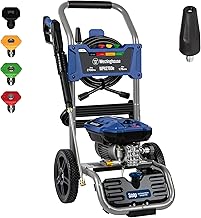
The nozzle decides how the water lands. A 40 degree white fan tip is the boat workhorse for hulls and decks, while a 25 degree green tip handles stubborn trailer grime at a distance. A zero degree red tip has no place near a boat, since its pencil jet can cut gelcoat and skin alike. Quick connect tips swap in seconds, while a single adjustable nozzle twists through patterns and suits owners who wash mixed surfaces in one session. A turbo nozzle, which spins a tight jet, belongs on concrete, not on your hull.
Water Flow for Fast Rinsing
Flow, measured in GPM, decides how quickly soap and loosened algae sheet off the hull. Around 1.2 to 1.8 GPM covers recreational boats comfortably; higher flow rinses a wide hull faster and feeds a foam cannon evenly. Flow also flushes the scum line at the waterline, the dirtiest band on most boats, without repeated passes. When comparing machines, a moderate pressure unit with healthy flow often out cleans a high pressure, low flow rival on real boats. Rinsing speed is what makes the after trip routine painless enough to keep.
Detergent Systems and Boat Soap
An onboard detergent tank or a foam cannon lets you lay boat soap across the hull so grime softens before you rinse. Use only detergents made for boats and for the waterway rules where you wash; many marinas ban washing over the water entirely, and some soaps are restricted near lakes and harbors, so check the local rules. A suction tube system that draws from a separate bottle gives more choice of soap than a fixed tank. Whatever the system, rinse soap fully: dried detergent films attract dirt and dull the gelcoat shine.
Hose Length and Working Around a Trailer
A boat on a trailer is a long obstacle course, and a 25 to 35 foot hose lets the washer sit still while you circle the hull. Short hoses force constant machine moves, dragging the cord across wet concrete. A flexible, kink resistant hose matters more underway than a stiff premium one. Reel storage is handy but adds bulk; many boat owners prefer loose coils on a hook. Remember that extension hoses drop pressure slightly, so buy reach in the original hose where you can.
Electric Convenience and Water Safety
Electric washers dominate boat duty for good reasons: instant starts, no exhaust near the cockpit, and quiet running that suits early marina mornings. The non negotiable is a GFCI protected outlet and keeping all connections out of standing water, since you are spraying water around electricity by design. Gas machines add reach for remote ramps without power, but their noise and throttle control make gentle work harder. Our guide to the best pressure washer for home use compares the two power types in depth.
Setting Pressure for Gelcoat, Decks and Upholstery
Start farther away than you think: hold the fan tip about 12 to 18 inches from gelcoat and move closer only if grime resists. Keep the jet moving in overlapping passes so no spot takes a sustained blast, and never aim at seals, decals, vent openings or engine intakes, where water finds its way inside. Work decks from the bow down so runoff carries dirt off rather than into clean areas. On teak, drop to the widest fan and the longest distance, or skip the washer and use a soft brush, because a hard jet raises the grain and shortens the wood life. Vinyl seats clean safely with low pressure and soap, but keep the tip back from stitching, which a close jet can slice open.
Common Mistakes to Avoid
- Using a zero degree tip or a turbo nozzle on gelcoat, which etches lines that only polishing can remove.
- Spraying engine intakes, electronics and hatch seals directly, forcing water where it causes corrosion and faults.
- Washing with household detergents at the marina, which can violate local rules and harm aquatic life.
- Holding the tip inches from the surface to blast algae, which gouges fiberglass and lifts bottom paint.
- Pressure washing teak like concrete, which tears out soft grain and leaves the deck fuzzy and weak.
- Running the washer from a non GFCI outlet on a wet dock or driveway, an avoidable shock risk.
How to Make Your Boat Pressure Washer Last Longer
Rinse the machine itself after saltwater sessions, coil the hose out of the sun, and store the pump protected from freezing, since one hard freeze can crack it. Run clean water through the detergent system after soapy jobs so residue does not gum the injector. Inspect the inlet filter screen monthly during the season and rinse away the grit that starves the pump. Keep O rings on the hose and lance connections lightly lubricated and replace them at the first drip. Before winter storage, follow the manual pump saver routine, drain every hose, and store the unit indoors standing upright. A washer treated this way starts instantly for years of after trip rinses.
FAQ
What PSI is safe on a fiberglass boat hull?
With a wide 40 degree fan tip held about a foot away, the effective pressure on gelcoat from a typical 1500 to 2000 PSI machine is gentle enough for routine washing. The damage cases almost always involve narrow tips, close range or a stationary jet. When in doubt, increase distance before increasing pressure, and test on the transom or another low visibility area. Old, chalked gelcoat is softer than new, so treat aged hulls with extra distance.
Can you pressure wash a boat engine?
Not with the jet. Outboards and sterndrives should be flushed internally with a garden hose and muffs or the built in flushing port, following the engine manual. A gentle external rinse with low pressure and distance is fine for the cowling, but never aim at intakes, seals, wiring or the lower unit seals. Salt removal matters, yet water forced past a seal costs far more than the salt ever would. When the engine maker and washer advice conflict, the engine manual wins.
How often should you pressure wash a boat?
Rinse after every saltwater trip, even if that rinse is only a low pressure freshwater pass, because dried salt starts corrosion immediately. A full soapy wash every few outings, or monthly in season, keeps the scum line and mildew from setting in. Freshwater trailer boats can go longer between washes. The routine matters more than the intensity: five gentle minutes after each trip beat one aggressive hour each spring, and the same washer can then handle the tow vehicle, a job our guide to the best pressure washer for cars covers.
Can a pressure washer remove algae and the scum line?
Light algae slime and a fresh scum line yield to a fan tip, soap and patience. Established growth, barnacle bases and stained gelcoat need a brush, a boat hull cleaner and sometimes wet sanding by a professional, and blasting harder only risks the surface. Work the waterline in short passes and let the soap dwell. If the bottom carries antifouling paint, use the softest settings, since aggressive washing strips the paint and may breach marina rules on runoff.
Is a cordless pressure washer enough for boat washing?
For rinse duty at a dock without power, a battery washer that draws from a bucket can handle a quick freshwater pass over a small boat. Output and runtime are modest, so full soapy washes of larger hulls outlast the battery and the bucket. Our roundup of the best cordless pressure washer models shows the current trade offs. Most owners treat cordless as the away from home backup and keep a corded electric unit for the driveway routine.
Final Thoughts
Boats reward control over force: adjustable output, a wide fan nozzle, healthy flow and a long hose will clean hulls for years without a single scar. Build the after trip rinse into a habit, keep electricity and water safely apart, and let soap do the heavy work that pressure should not. With those habits, the best pressure washer for boats for your slip or driveway is simply the gentlest machine that still rinses fast. Check the product table above for the current options.