
Best Intex Pool Vacuum in 2026: How to Choose the Right Type
Disclosure: We may earn a commission when you buy through links on this page, at no extra cost to you. As an Amazon Associate I earn from qualifying purchases. Learn more
Compare the best Intex pool vacuum options by type and pump fit, and learn which cleaner style matches your Intex pool size, liner and debris load.
Intex pools are soft walled and vinyl lined, and that changes what a vacuum can safely do in them. Hard wheels, aggressive brushes and oversized suction designed for concrete pools can scuff or stress a liner, while a cleaner built for Intex fittings clicks straight onto the pump you already own. The best intex pool vacuum for your pool depends on three things: your pool's size, your pump's flow rate, and whether your debris is mostly fine dirt or leaves and bugs.
Rather than reviewing individual models, this guide explains the cleaner types Intex sells under its own name and the third party styles that fit Intex pools, then uses the product table to show which type suits which owner. Compatibility checks come first, because the most common Intex mistake is buying a cleaner your pump cannot power.
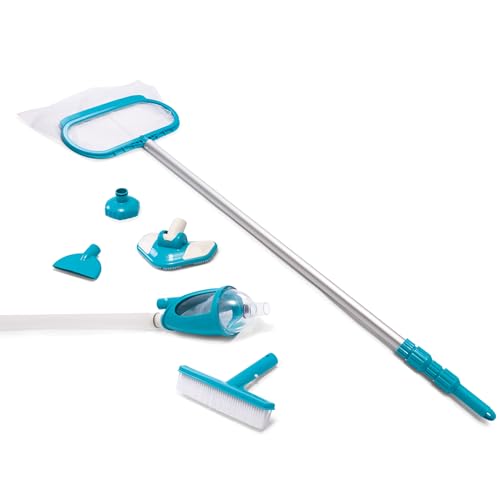
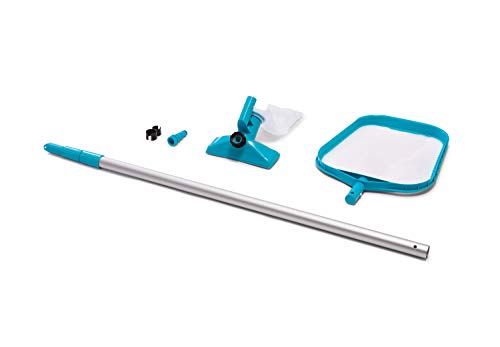
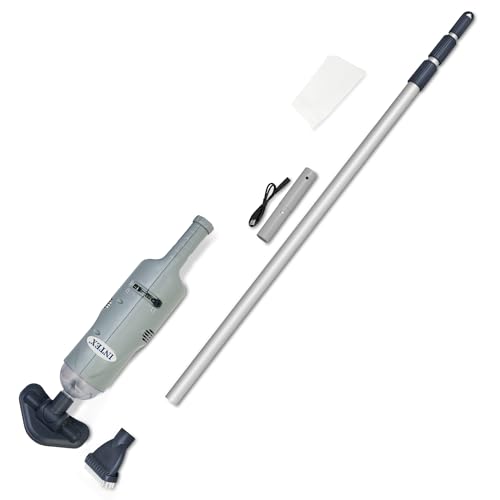
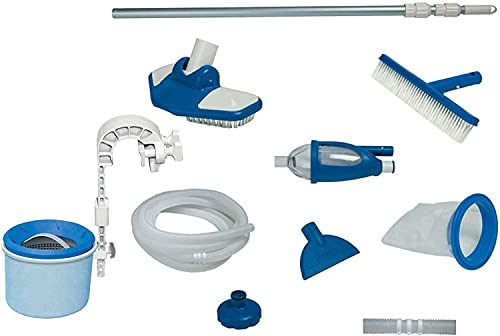
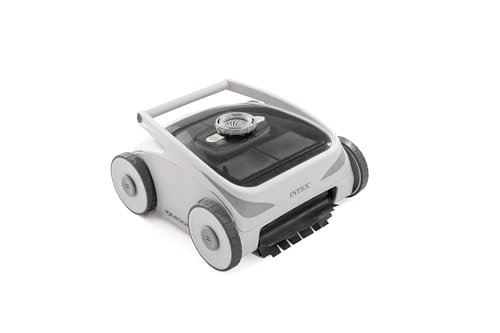

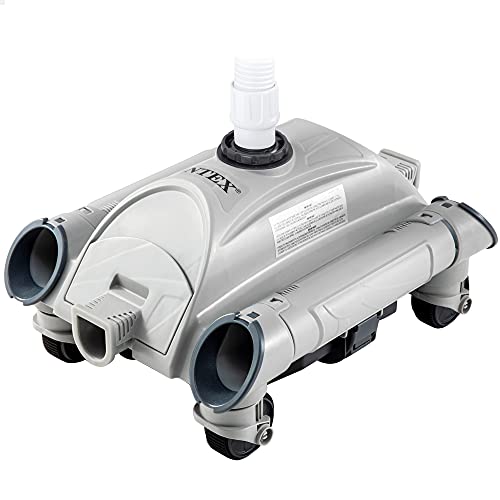
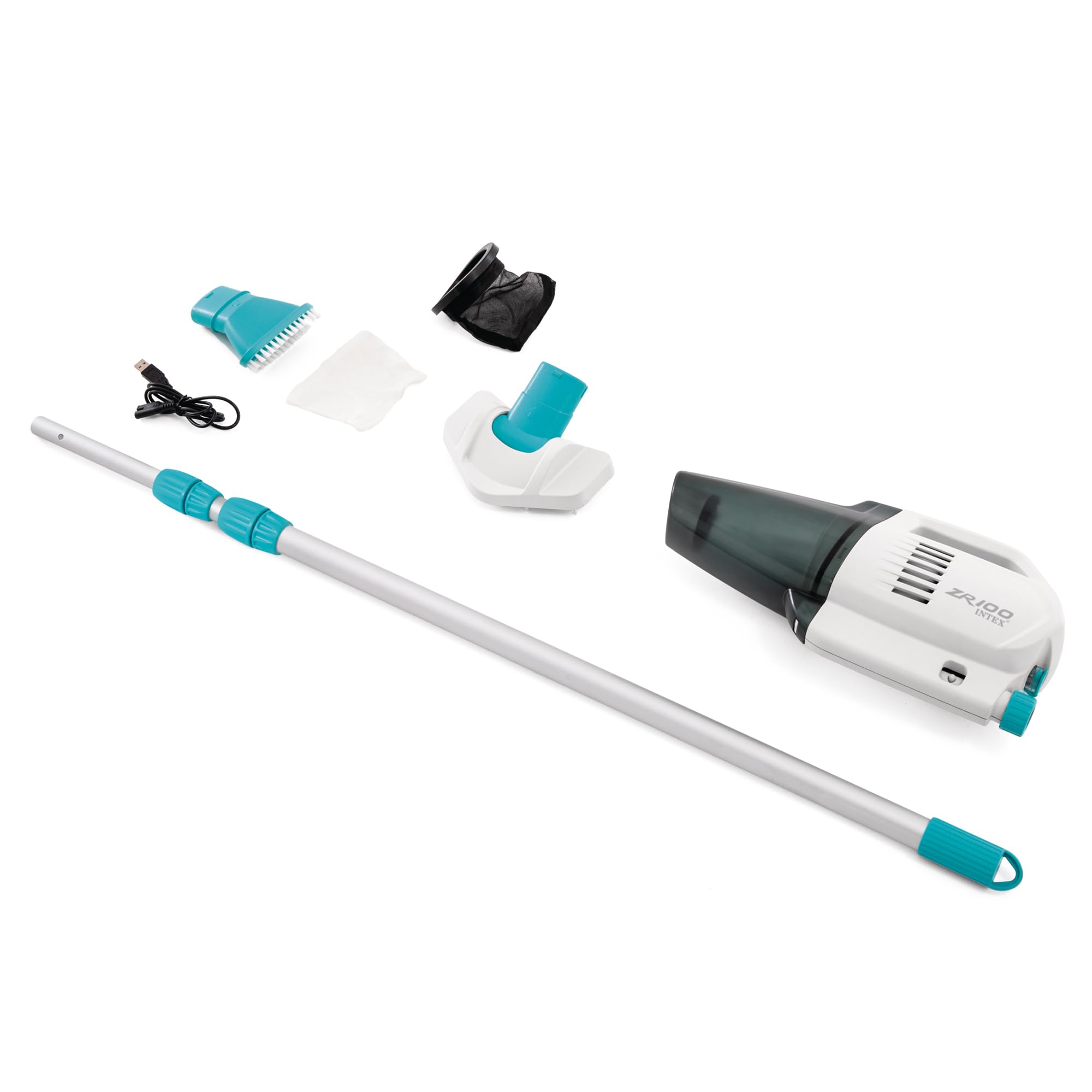

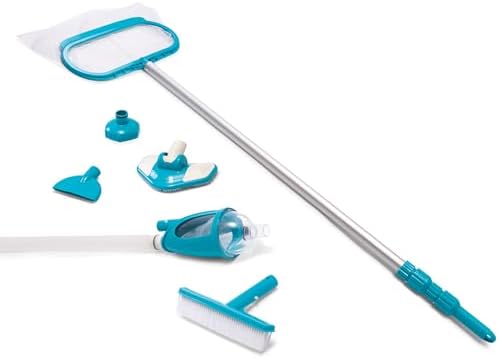
Who Should Buy Which Intex Pool Vacuum?
Owners of Small Frame Pools Fighting Floor Dirt
Most Intex pools collect a film of fine dirt, sand and pollen on the floor, and the fastest relief is a cleaner matched to that light debris. If your pump meets the flow requirement, an automatic suction cleaner wanders the floor on its own while the pump runs. Owners of smaller pools with the smallest pumps are better served by a rechargeable handheld vacuum, which asks nothing of the pump at all and handles a modest floor in a few passes.
Owners Whose Pump Is Too Small for Automatic Cleaners
Intex ships many sets with entry level filter pumps, and those pumps often fall below the minimum flow that automatic suction cleaners need. If that is your situation, your realistic options are a handheld vacuum, either rechargeable or a venturi style that works off a garden hose, or upgrading the pump and opening the door to automatic cleaning. Trying to run an automatic cleaner on an undersized pump gives you a unit that parks in one spot and a floor that stays dirty.
Owners Dealing With Leaves and Surface Debris
If your pool sits under trees, the battle is leaves and insects, not floor film. A vacuum alone will not keep up; pairing floor cleaning with a skimmer routine matters more than upgrading the vacuum. Choose a cleaner with a coarse debris path and an easy to empty container, and favor handheld units for the daily leaf scoops between full cleans. The wider category context in our guide to the best above ground pool vacuum shows how leaf heavy yards usually combine tools instead of relying on one.
Key Features to Compare
Pump Flow Compatibility
This is the make or break spec for Intex ownership. Automatic cleaners that run off the filter pump need a minimum flow, measured in gallons per hour, and Intex pumps vary widely by pool set, from small cartridge pumps to larger sand filter systems. Find your pump's rated flow on its label and compare it with the cleaner's minimum requirement before anything else. If the numbers do not meet, the cleaner will move slowly, climb nothing, and stall on debris. The product table above flags powered types, and handheld battery vacuums sidestep this check entirely.
Cleaner Type Within the Intex Ecosystem
Intex compatible cleaning falls into a few families. Automatic suction cleaners connect to the pump intake and roam the floor. Rechargeable handheld vacuums run on their own battery with a telescoping pole and suit spot cleaning and small pools. Manual vacuum heads attach to a pole and the pump hose for directed cleaning. Venturi vacuums use garden hose pressure to create suction and bag debris in a mesh sock. Each family trades effort, price and cleaning depth differently, and most owners end up happiest with one primary type plus a skimmer net.
Liner Safe Contact Parts
Vinyl liners punish sharp edges and stiff brushes. Look for soft wheels, smooth bases and brush materials meant for above ground pools, and avoid any cleaner marketed for concrete or plaster unless it states vinyl safety. Weight matters too: a heavy cleaner dragged across the floor creases and wears the liner at the cove where wall meets floor. Handheld units should have rounded heads with no exposed screw tips, since you press them directly along seams and corners.
Debris Handling and Filter Fineness
Fine silt and coarse leaves demand opposite designs. Handheld vacuums with fine filter bags capture the gray film that clouds small pools, but they clog quickly under leaf loads. Automatic cleaners pass debris to the main filter, where your cartridge or sand media decides what gets caught, which is one reason pump owners upgrade cartridges during heavy season. Match the debris path to your yard: screened in pools can prioritize fineness, open pools under trees should prioritize capacity and easy emptying.
Hose, Pole and Fitting Fit
Intex pools use their own hose diameters and threaded fittings, and adapters are a common hidden cost. Check that a cleaner's hose matches your pump connections, commonly the larger threaded Intex fittings on framed pools, or budget for the adapter set. Telescoping poles should reach the center of your pool from outside the wall; for wider pools, that means a longer pole or cleaning from inside the water. The general fitting logic mirrors the wider category in our overview of the best pool vacuum types, but Intex hardware narrows the choices.
How to Check Your Intex Setup Before Buying
Do three quick checks on your own pool first. Read the pump label for its flow rating and write the number down. Measure your pool's diameter or length so you can match pole reach and, for automatic cleaners, hose length. Then look at your floor after a normal day and name the main debris honestly: dust, sand, leaves, or bugs. Those three facts eliminate most wrong purchases, because they decide the cleaner family before brand or price enters the picture.
One more check protects swimmers and equipment. Run electrical cleaning tools only when nobody is in the water, keep rechargeable units charged outside the pool area, and plug any poolside charger into a GFCI protected outlet with dry hands. If your debris is mostly fine dirt and your pump is strong, a pump driven cleaner from the class compared in our guide to the best suction pool vacuum will serve you well; if your pump is weak, a self powered unit like those in our roundup of the best battery powered pool vacuum is the honest answer.
What Intex Pool Vacuums Cost
Manual vacuum heads and basic handhelds start around $20 to $50 and cover small pools with light debris. Rechargeable handheld vacuums with stronger suction and fine filters run about $60 to $150. Automatic suction cleaners for Intex pumps usually land around $80 to $180, not counting any adapter or a pump upgrade. The real budget question is total system cost: a cleaner that forces a pump upgrade can cost more than a premium handheld that works with what you own.
Common Mistakes to Avoid
- Ordering an automatic cleaner before checking the pump flow rating, then watching it sit motionless on the floor.
- Using a stiff bristled vacuum head meant for concrete pools, which scuffs and weakens a vinyl liner over one season.
- Leaving a rechargeable vacuum floating or stored in the pool, where constant chlorinated water attacks its seals and battery.
- Vacuuming a heavy algae bloom straight into a small cartridge filter, which clogs the cartridge and stalls cleaning halfway through.
- Skipping the skimmer net routine and expecting the floor vacuum to handle leaves that never sink.
- Buying hoses by looks instead of fitting size, then finding the cleaner cannot connect to the pump at all.
How to Make Your Intex Pool Vacuum Last Longer
Rinse handheld vacuums with fresh water after each use and let them dry before charging, since chlorine residue corrodes contacts and dulls filter bags. Empty debris containers as soon as a session ends rather than letting wet leaves sit inside. Store cleaners out of the pool and out of direct sun, because UV and constant chemical exposure age plastic faster than use does. For pump driven cleaners, keep the main filter clean so flow stays strong, and inspect hose cuffs and seals at the start of each season, replacing cracked pieces before they leak air and kill suction.
FAQ
Why does my Intex pool vacuum barely move?
Nine times out of ten, the pump is not delivering the flow the cleaner needs, or air is leaking into the hose and breaking suction. Confirm the pump rating against the cleaner minimum, purge air from the hose by holding it against the return jet, and check that the filter is clean. If flow still falls short, the cleaner and pump are simply mismatched.
Can I use a regular pool vacuum head in an Intex pool?
You can, if the head is smooth and liner safe and the hose adapts to your pump fittings. Avoid weighted heads with stiff brushes made for plaster, and keep the head moving so suction does not grip one spot of liner. Many owners find a purpose built Intex compatible head simpler than adapting generic hardware.
How long do rechargeable Intex pool vacuums run per charge?
Most handheld rechargeable units run roughly 40 to 90 minutes per charge, depending on the model class and how clogged the filter is. That covers a small to mid size Intex pool floor with time to spare. Larger pools benefit from a mid session filter rinse, which restores suction more than the battery level alone would suggest.
Should I vacuum my Intex pool before or after adding chlorine?
Vacuum first, then treat the water. Debris and floor film consume chlorine quickly, so shocking a dirty pool wastes chemical and can leave the water cloudy. A clean floor lets your sanitizer work on the water itself. Wait until cleaning is done and the vacuum is out before anyone swims, as with any powered pool tool.
Do Intex pools need a different vacuum than other above ground pools?
The cleaning principles are the same, but the fittings and pump sizes are Intex specific. Other above ground brands often use standard skimmer connections, while Intex sets rely on their own hose sizes and intake fittings. That is why compatibility checks matter more here than raw suction numbers: the best cleaner is the one that connects and gets full flow.
Final Thoughts
For Intex owners, compatibility is the whole ballgame: confirm your pump flow, protect the liner, and pick the cleaner family that matches your debris. Use the product table above to compare types against those three checks before you look at price. Do that, and the best intex pool vacuum for your setup becomes an easy call, and your floor stays clean without a weekly wrestling match. Prices and availability can change, so check the product page before ordering.


