Best Robotic Pool Cleaner for Fiberglass Pools (2026): Gentle on Gel Coat, Tough on Grime
Disclosure: We may earn a commission when you buy through links on this page, at no extra cost to you. As an Amazon Associate I earn from qualifying purchases. Learn more

Choose a robotic pool cleaner for fiberglass pools with gentle brushes, sure climbing on slick gel coat and fine filtration that protects the shell finish.
A fiberglass pool shell is smooth, glossy and famously slippery, and those traits change what you should ask from a robot. Stiff brushes that scrub plaster without a second thought can dull a gel coat finish over a season, while wheels that grip textured concrete spin uselessly on a slick fiberglass wall. Finding the best robotic pool cleaner for fiberglass pools means putting surface protection and climbing traction ahead of raw power, then checking that filtration is fine enough for the powdery dust these pools collect.
This guide explains the needs a fiberglass shell creates, the features that answer them, and the routine that keeps both robot and gel coat in good shape. The product table near the top shows how the main cleaner classes differ, so you can spot which ones suit a smooth one piece shell.
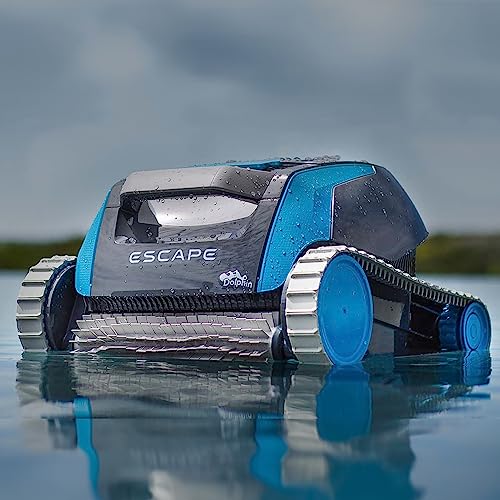
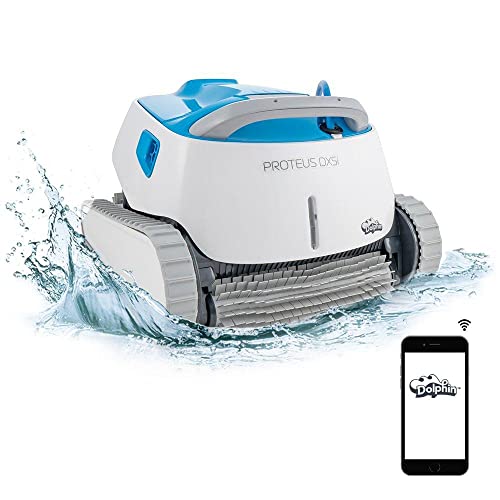
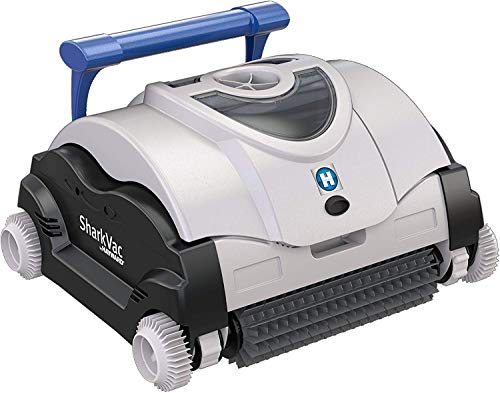

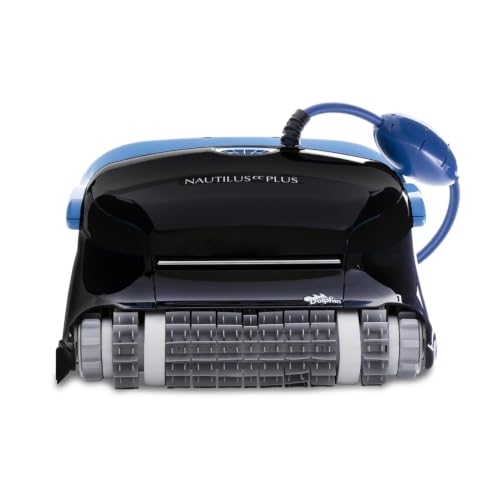
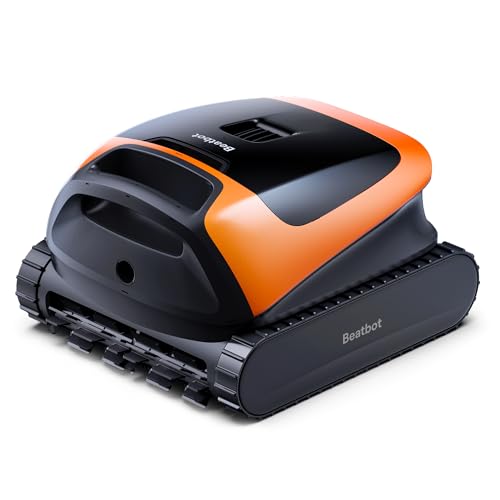
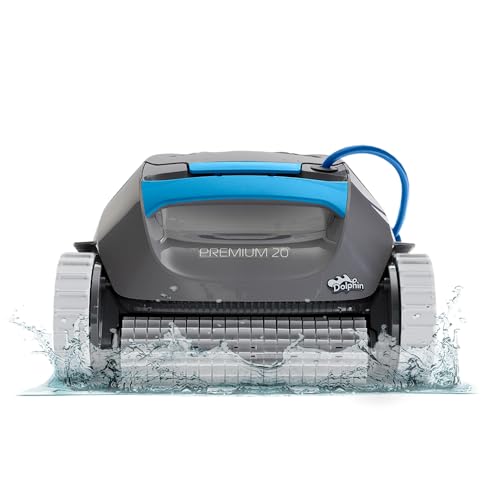

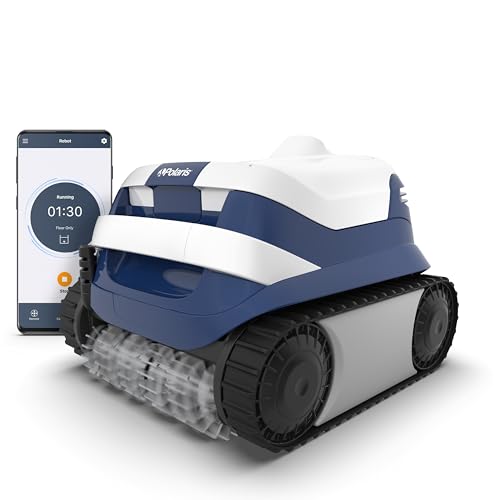

Who Should Buy Which Robotic Pool Cleaner for a Fiberglass Pool?
Owners Watching an Algae Film Spread on Slick Walls
Fiberglass walls grow a slippery biofilm that a floor only robot never touches. If your walls feel slimy and the waterline carries a green tint, you need a wall climbing model with soft, high contact brushes that wipe the film away without grinding the surface. Climbing matters more than horsepower here, because a robot that slides back down a smooth wall cleans nothing. Our general guide to the best robotic pool cleaner explains how climbing ratings are measured, which helps you read fiberglass claims with a cooler head.
Owners Worried About Scratching or Dulling the Gel Coat
Gel coat is a finish, not a structure, and it shows every insult. Gritty debris trapped under a hard wheel, or a brush with stiff bristle tips, can leave fine scratches that catch dirt and look worse each season. If your shell is newer or recently refinished, choose foam rollers or soft rubber brushes, check that the robot body has no sharp molding edges underneath, and keep sand out of the pool so the robot is not grinding it across the floor.
Owners With Molded Steps, Benches and Tanning Ledges
One piece shells come with built in steps, swim out benches and shallow ledges that robots handle unevenly. Wide flat ledges collect leaves in dead calm water where no current carries them to the robot path. Owners with these shapes should favor a cleaner with a thorough random or scanning pattern and a long enough cycle to cross the ledges repeatedly, plus a top load basket that makes frequent emptying painless during leaf season.
Key Features to Compare
Brush Material and Surface Contact
Foam rollers and soft rubber scrubbers are the fiberglass friendly choices. Foam grips a slick wall better than hard bristles and spreads pressure across a wide contact patch, which lowers scratch risk. Some robots use combined brushes with a soft center and firmer edges for the waterline. Avoid brushes marketed for rough plaster or pebble finishes, because their stiffness solves a problem your pool does not have while creating one it does. Ask yourself how the brush feels against a car finish, because gel coat deserves the same respect.
Climbing Traction on a Smooth Shell
On fiberglass, climbing is a traction problem before it is a power problem. Rubber tracks usually out climb smooth wheels on gel coat, and a heavier robot with a low center of gravity holds its line better on the slope where the floor rolls into the wall. Suction strength still matters, since the robot must hold itself against the wall while the brushes work. Read owner feedback from fiberglass pools specifically, because a model praised on plaster may slide and stall on your shell.
Filtration Fineness for Powdery Debris
Fiberglass pools shed little debris from the surface itself, so most of what the robot collects is fine dust, pollen and dead algae, all of it small. A coarse basket alone will blow the finest fraction back through the exhaust and leave the water hazy. Look for fine filter cartridges or dual layer baskets that trap silt, and plan to rinse them often, because a loaded fine filter cuts suction and climbing grip at the same time. Clear water after a run is the real test of filtration, not the size of the basket.
Navigation Pattern and Cycle Length
Smooth shells let debris slide downhill, so most grit gathers in the deep end and along the floor to wall curve. A robot that repeats a smart pattern will cover the ledges and shallow end more evenly than one that bounces at random for a short cycle. Longer cycles help fiberglass pools because the robot needs extra passes to catch material that keeps migrating. If your shell has an unusual shape, a model with a remote spot clean function earns its keep for the corners the pattern misses.
Corded Reach Versus Cordless Freedom
Cable length must exceed your pool length plus the distance to a dry, shaded spot for the power supply. A swivel in the cable prevents the tangles that drag a light robot off its line on a slick floor. Cordless models remove the cable worry and suit smaller shells, though their run time caps cycle length. If you lean cordless, our overview of the best cordless robotic pool cleaner class explains the run time and charging tradeoffs in plain terms.
Matching a Cleaner to Your Fiberglass Shell Shape
Measure the shell before you shop. Note the length, the shallow end depth, and whether the steps sit in a corner or run along one wall. Rectangular shells are the easiest for any navigation pattern. Freeform shells with tight curves need a robot that turns in a short radius and does not beach itself on a ledge. If your fiberglass pool is a compact plunge model or a raised shell, the sizing advice in our guide to the best above ground robotic pool cleaner applies surprisingly well, because small water volumes reward frequent short cycles over one long one. Owners of larger one piece shells installed in the ground can cross check reach and cable guidance in the best robotic pool cleaner for above ground pools guide, where the sizing tables translate directly to compact fiberglass layouts.
Run the robot three times in the first week and watch where it misses. Missed patches usually trace back to water flow pushing the robot off the shallow end, or a return jet current the pattern cannot fight. Angle the return jets downward, run the cleaner while the pump is on low or off, and give the robot a starting point in the deep end so gravity works with it instead of against it.
Common Mistakes to Avoid
- Buying a plaster rated robot with stiff bristles, which slowly dulls the gel coat and leaves fine scratches that trap dirt.
- Judging climbing by motor power alone, when traction on the slick shell decides whether the robot ever reaches the waterline.
- Leaving the robot soaking in the pool all week, which ages seals and lets warm chemical water attack the housing and cable.
- Running a coarse basket only, so fine dust blows straight back into the water and the pool never looks truly clear.
- Shocking the pool and running the robot at the same time, which exposes the brushes and seals to a harsh chemical spike.
- Dragging the robot out by its cable, which strains the swivel and the motor housing seal on every single removal.
Care and Maintenance for Cleaner and Shell
Lift the robot out by its handle after each run, rinse it with fresh water, and store it in shade on its caddy or side so the foam rollers keep their shape. A roller stored under the robot full weight flattens in one spot and then thumps and slips on the wall. Rinse fine filters until the water runs clear, and let them dry fully before the next run to slow the slimy buildup that clogs them.
For the shell itself, keep water chemistry in range, because fiberglass shows scale and metal stains faster than rougher finishes, and a robot cannot scrub away a stain that chemistry caused. Brush the waterline by hand once a week with a soft brush. That two minute habit covers the one band most robots reach poorly, and it keeps the film from gaining a foothold the robot then has to fight.
FAQ
Will a robotic pool cleaner scratch a fiberglass pool?
A well chosen one will not. Scratches come from stiff plaster brushes, grit trapped under wheels, or damaged parts with sharp edges, not from robotic cleaning itself. Choose foam or soft rubber brushes, keep sand and sharp debris out of the pool, and inspect the underside of the robot each month for worn or cracked parts. If you can hear grinding during a run, stop the cycle and check the brushes before the next one.
Why does a robotic pool cleaner slip on fiberglass pool walls?
Gel coat is smooth and often coated with a thin algae film, so wheels and brushes get little grip. The robot needs either rubber tracks, foam rollers that deform against the surface, or strong suction holding it to the wall. A freshly brushed wall is easier to climb than a slimy one, so a manual brush down before the first robot run of the season makes a visible difference to climbing success.
How often should a robotic cleaner run in a fiberglass pool?
Two or three runs a week suit most fiberglass pools in season, with extra runs after storms or heavy use. Because debris slides to the deep end quickly on a smooth shell, shorter regular cycles keep the floor cleaner than one marathon run. Daily runs make sense during pollen season, when a fine yellow layer settles overnight and is easiest to catch before swimmers stir it up.
Can a robotic pool cleaner remove stains from a fiberglass pool?
It can lift loose dirt and light organic film, but it cannot remove stains that have bonded to the gel coat, such as metal stains or deep algae staining in porous worn spots. Those need water testing and the right stain treatment for fiberglass surfaces. Use the robot to keep the shell clean after treatment, and never add harsh stain chemicals while the robot sits in the water.
Are robotic pool cleaners safe for older fiberglass shells?
Yes, with the gentle brush rule applied strictly. Older gel coat can be chalky and thin, so soft foam rollers are the safest contact surface, and you should avoid any model that relies on aggressive scrubbing to prove itself. Check an older shell for blisters before the season, since a robot will not cause blistering, but its brushes can open a blister that was already failing, and that repair belongs to a pool professional.
Final Thoughts
Fiberglass rewards gentleness and punishes brute force. Pick soft brushes, real climbing traction and filtration fine enough for powdery dust, and the robot will keep the shell glossy instead of slowly sanding it. Use the product table above to compare classes against your shell shape and debris load, keep up the short weekly habits in the care section, and your best robotic pool cleaner for fiberglass pools choice will protect the finish you paid for while the water stays swim ready.