
Best Polaris Robotic Pool Cleaner for 2026: Drive Types, Filters and Pool Fit
Disclosure: We may earn a commission when you buy through links on this page, at no extra cost to you. As an Amazon Associate I earn from qualifying purchases. Learn more

A Polaris robotic pool cleaner scrubs floors, walls and the waterline on its own. Compare drive types, filter canisters and cable lengths by pool.
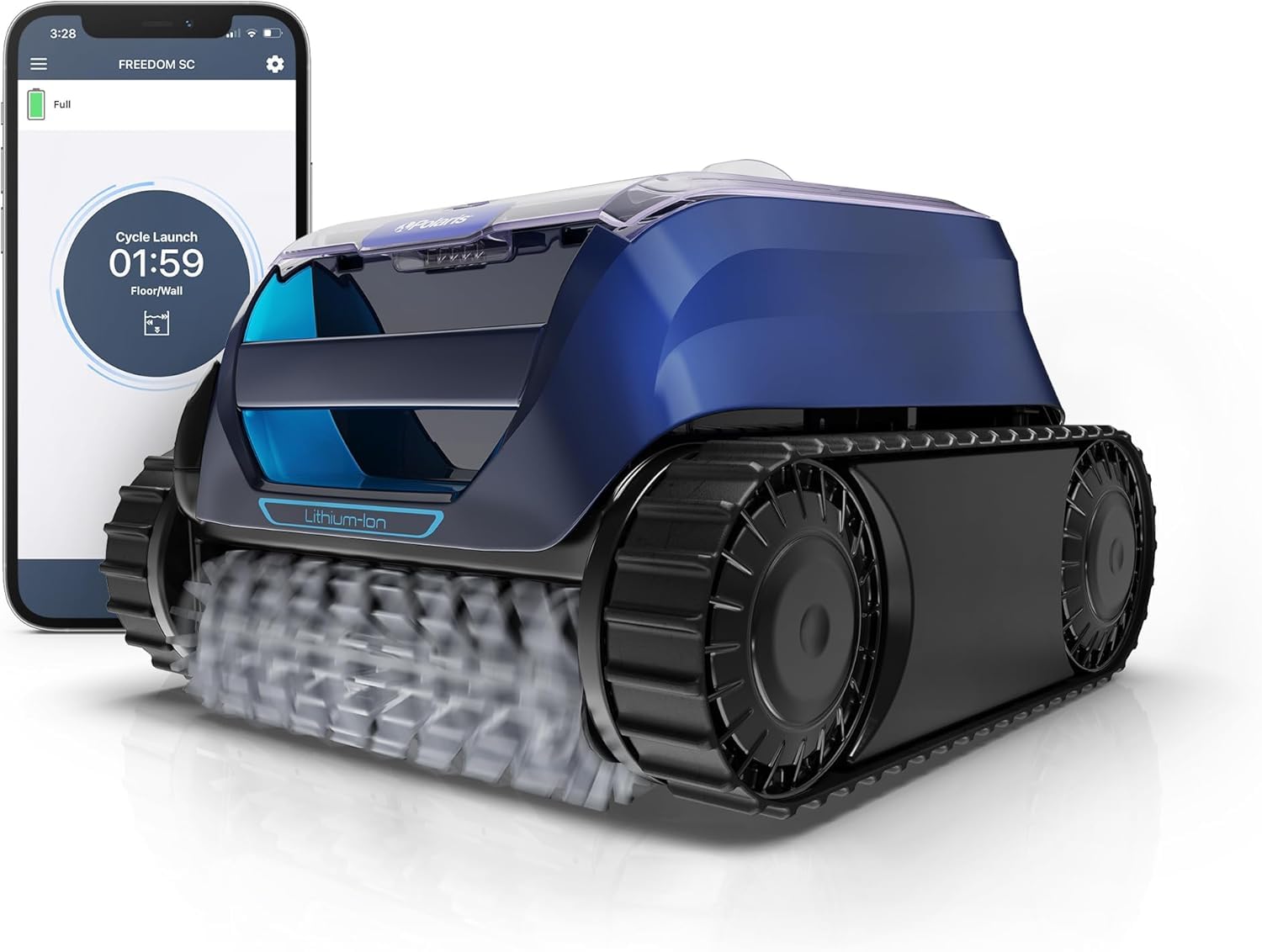
Skimming leaves with a net buys you about a day before the floor looks neglected again, and brushing walls by hand is the chore every pool owner quietly skips. This brand helped invent pressure side pool cleaning and now fields a full robotic range, so choosing the best polaris robotic pool cleaner comes down to matching drive type, filtration, and cable length to your pool's size and surface rather than chasing the longest feature list.
This guide explains how the robotic classes divide, which features change weekly life with the machine, and the safety and care habits that keep it working season after season. The comparison table below lines the classes up against pool types, so you can shortlist before reading the detail.
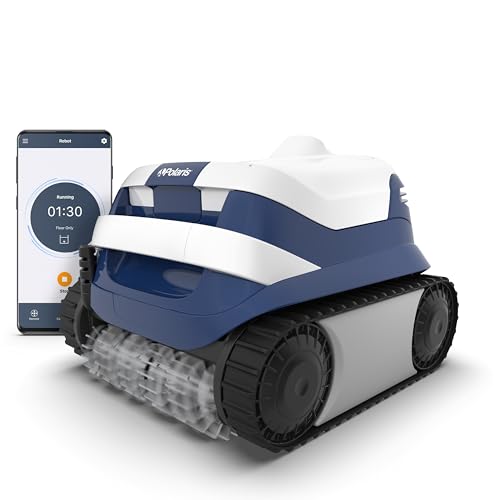
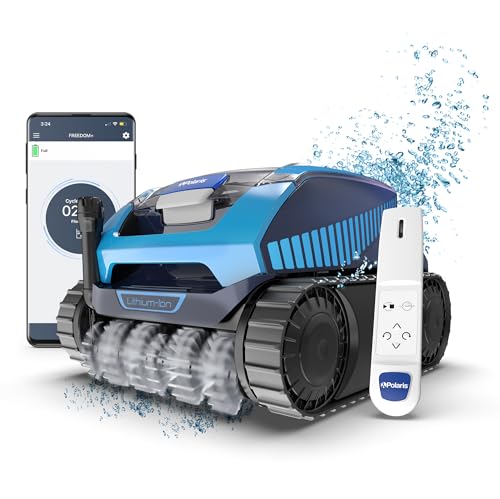

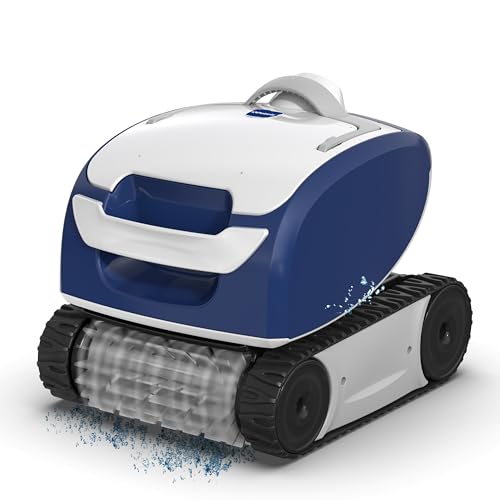
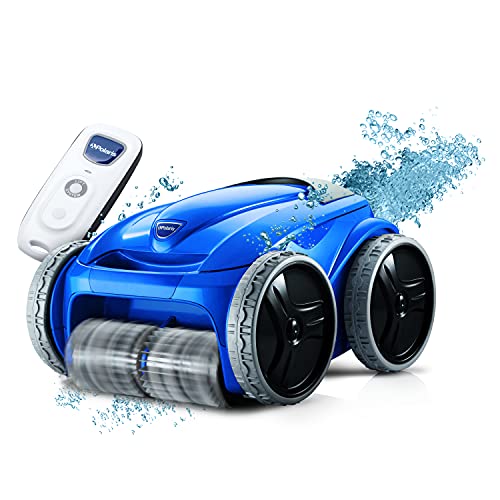



Who Should Buy Which Polaris Robotic Cleaner?
In Ground Pool Owners Tired of Manual Brushing
If you own an in ground pool and your weekends include a brush, a net, and a vacuum hose, a robotic cleaner takes over the floor and wall work in one cycle. This brand's core robotic classes are built for in ground pools up to about 50 feet, with wall climbing and waterline scrubbing on the stronger models. The win is consistency: a machine that runs on schedule keeps algae from gaining the foothold that turns into a green cleanup.
Leaf Heavy Yards With Big Debris Loads
Pools under trees swallow leaves, acorns, and twigs that overwhelm small intake cleaners. Look for the classes with oversized filter canisters and wide suction openings, since debris capacity decides whether the robot finishes the cycle or chokes in the deep end. Owners in this group should also weigh how easy the canister is to empty, because a filter you dread cleaning is a filter that stays full.
Owners Who Want App Scheduling and Easy Retrieval
Upper classes in this range add programmable schedules, app or remote control, and lift systems that drive the cleaner to the wall and lighten it for removal. If the pool is your home's centerpiece and you host often, those conveniences keep the water guest ready with little weekly effort. Buyers should confirm their phone and WiFi reach the pool area before paying for connected features they cannot use at the water's edge.
Key Features to Compare
Drive Type and Wall Climbing Ability
Entry robotic classes drive on two wheels or tracks and clean the floor well, with partial wall coverage. Stronger classes use four wheel drive style traction that climbs walls confidently and scrubs the waterline, where sunscreen and pollen leave their film. Your pool surface matters here: slick tile and fiberglass need grip and brush types that match, while plaster and pebble finishes reward stiffer scrubbing brushes. If your walls grow visible film between cleanings, climbing ability is the feature to pay for, not a longer cable.
Filter Canisters and Debris Grades
This brand favors top loading filter canisters that lift out without turning the machine over, which is a genuine daily convenience. Canisters come in fine and ultra fine grades: fine handles leaves, bugs, and grit, while ultra fine traps silt and dust that cloud the water after storms. Some owners keep both and swap by season. A transparent canister window or a full indicator saves guessing, since a packed filter quietly cuts suction and cleaning quality long before the cycle looks wrong.
Cable Length, Swivel and Pool Size Fit
Match the cable to your pool's longest dimension plus the distance from the power supply to the water, with a little slack for the caddy position. Cables in this range run from about 50 feet on smaller classes to 60 or 70 feet on larger ones, and a swivel joint keeps the cord from coiling itself into a knot that shortens reach over time. Oversizing the cleaner for the pool wastes money, but undersizing the cable is worse, because a robot that cannot reach the far corner leaves a dirty crescent every single cycle.
Cycles, Timers and Smart Controls
Basic classes offer a floor only and a floor and wall cycle with a weekly timer. Upper classes add multiple cycle lengths, spot cleaning, and app control with notifications when a cycle ends or a filter is full. Scheduling matters more than gadget appeal: a cleaner that runs brief cycles several times a week keeps a pool steadier than one heroic clean each weekend. Our hub guide to the best robotic pool cleaner range compares how brands handle scheduling, if you are cross shopping.
Brushes and Surface Compatibility
Brush style should match your finish. Soft or combination brushes suit vinyl and fiberglass, while stiffer scrubbing brushes tackle plaster and tile waterlines. Some classes actively scrub with rotating brushes that loosen film before the suction passes, which is what keeps the waterline from developing its familiar ring. Check the maker's surface guidance for your exact finish, because a warranty friendly match matters if a dispute ever arises about surface wear.
Power Supply Placement and Electrical Safety
The control box must sit in shade, off the ground, and at the maker's stated distance from the pool edge, plugged into a GFCI protected outlet. Never swim while the cleaner is running, and remove it before anyone enters the water, both for the cord and for basic electrical prudence. Keep pool chemicals stored locked and away from children and pets, and never let the power supply sit where sprinklers or wash water can soak it. These habits are simple, and they are the difference between a safe appliance and an avoidable incident.
Matching the Cleaner to Your Pool Shape and Finish
Freeform pools with curves, steps, and benches reward the stronger navigation classes, which map more methodically instead of wandering. Beach entries and wide tanning ledges can strand lighter robots, so owners with those features should favor traction and climbing power. Above ground pools sit mostly outside this brand's robotic heartland; owners there should start with our guide to the best above ground robotic pool cleaner designs, or the closely related roundup for the best robotic pool cleaner for above ground pools, before assuming a flagship in ground robot will adapt.
If cords themselves are the objection, the battery classes in our roundup of the best cordless robotic pool cleaner models trade runtime and suction for total freedom from cables, which suits smaller pools and owners who run short, frequent cycles.
Common Mistakes to Avoid
- Buying a cable that is too short for the pool's far corner, which leaves a permanent dirty zone the robot never reaches.
- Leaving the cleaner living in the water full time, which ages seals, cables, and brushes far faster than the maker intends.
- Letting swimmers use the pool while the robot runs, which risks cord tangles around people and ignores basic electrical safety.
- Running the machine right after shocking the pool, which exposes its plastics and seals to harsh chemical levels.
- Pulling the cleaner out by its cable, which strains the cord connection that keeps water out of the motor.
- Skipping the rinse after emptying the canister, which lets fine silt dry into the filter pleats and choke the next cycle.
How to Make Your Polaris Robotic Cleaner Last Longer
Lift the cleaner out after each cycle using its handle or lift system, rinse the canister with a hose, and let the machine drain and dry in shade before it goes on the caddy. Store it indoors over winter with the cable loosely coiled and the brushes unweighted, since a robot left sitting on its brushes flattens them. Keep the power supply dry and ventilated, and check the cable for nicks each spring. Run cycles in balanced water rather than in a freshly shocked or algae heavy pool when you can, because harsh chemistry is hard on every seal and plastic. Treated this way, a robotic cleaner commonly serves for years of weekly work.
FAQ
Is Polaris a good robotic pool cleaner brand?
It is one of the long established pool cleaning names, with deep experience in pressure side cleaning and a mature robotic range. The strengths owners cite are strong traction, easy top loading filters, and wide dealer support for parts. Judge the class against your pool's size and surface rather than the badge, because an entry model in a big leaf heavy pool will disappoint for reasons that have nothing to do with build quality.
How long does a robotic pool cleaner last?
Several seasons of weekly use is a fair expectation, with brushes, tracks, and filters as the wear items along the way. Storage out of the water and out of the sun is the biggest lifespan lever an owner controls. Motors and power supplies generally outlast the soft parts, so a cleaner that gets fresh brushes and filters on schedule keeps performing close to new.
Can a Polaris robotic cleaner climb walls and scrub the waterline?
The stronger classes can, using four wheel traction and active brushes that work the tile line where film collects. Entry classes focus on the floor with partial wall coverage, which suits pools whose walls stay clean between visits. If your waterline grows a visible ring, climbing ability belongs at the top of your checklist, ahead of app features.
How often should a robotic pool cleaner run?
Two or three cycles a week keeps most home pools steady, with extra runs after storms, heavy use, or a weekend of guests. Shorter frequent cycles beat one long session, because debris is removed before it stains or feeds algae. In peak leaf season, empty the canister between cycles so capacity never limits the clean.
Does a robotic cleaner replace pool chemical care?
No. The robot removes debris and scrubs surfaces, which helps sanitizer work, but it does not test or balance water. Keep up chlorine, pH, and alkalinity care on your normal schedule, and store all pool chemicals locked away from children and pets. Think of the cleaner as the housekeeping half of pool care, with chemistry as the other half.
Final Thoughts
Match three things and this brand rewards you: cable length to your pool's true reach, filtration grade to your debris, and climbing power to your walls. The best polaris robotic pool cleaner for your yard is the class that finishes a full cycle, in your pool's shape and finish, without heroics from you. Compare the classes in the product table above, and let your leaf load and your waterline cast the deciding votes.


