
Best Solar Robotic Pool Cleaner for 2026: How Sun Powered Cleaning Actually Works
Disclosure: We may earn a commission when you buy through links on this page, at no extra cost to you. As an Amazon Associate I earn from qualifying purchases. Learn more

Compare solar robotic pool cleaner run time, panel charging, battery size and filter care so your pool stays clean with less cord handling and effort.
A solar robotic pool cleaner sounds almost too easy. You set a panel by the pool, drop the robot in the water, and sunshine does the rest. The reality is more specific. Most units in this class skim surfaces or scrub floors in short daily runs, powered by a battery that recharges from a solar panel. Finding the best solar robotic pool cleaner for your yard means matching panel output, battery size and pool dimensions honestly, instead of trusting the word solar on the box.
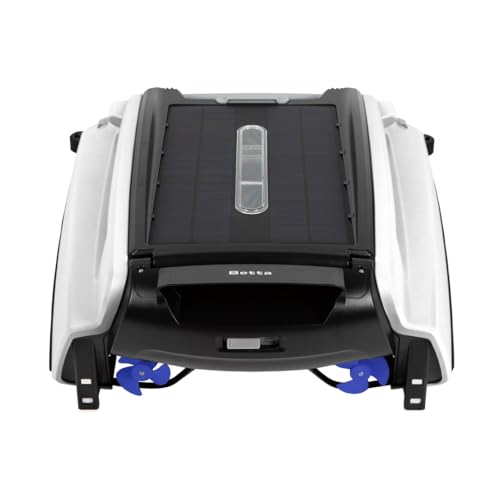
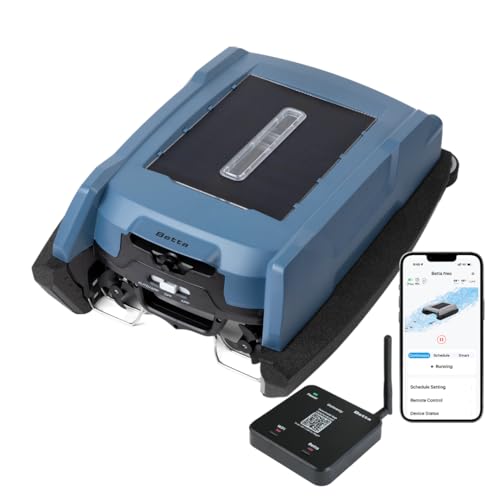
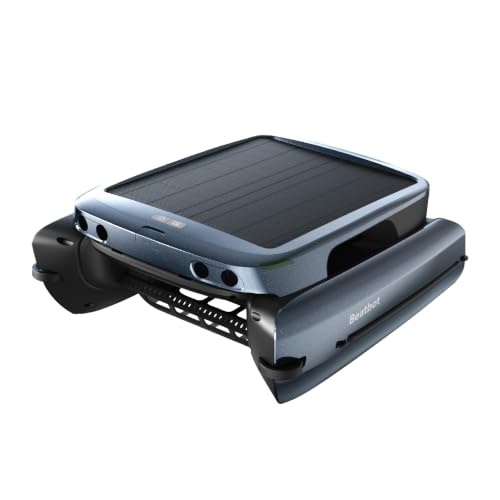
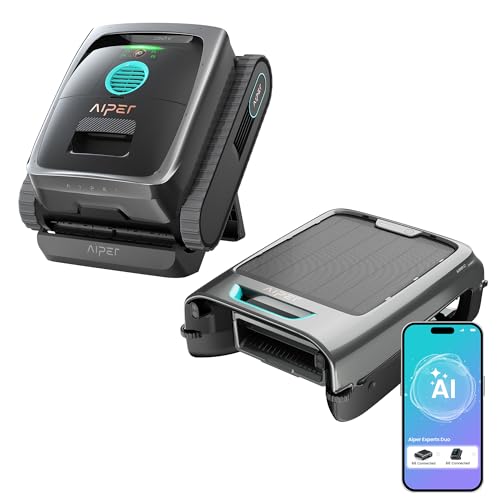
This guide walks through who these cleaners suit, the specs that decide whether one keeps up with your debris load, and the habits that keep a panel and battery healthy for years. The product table below lists current models so you can see where solar designs give up power in exchange for freedom from cords and outlets.


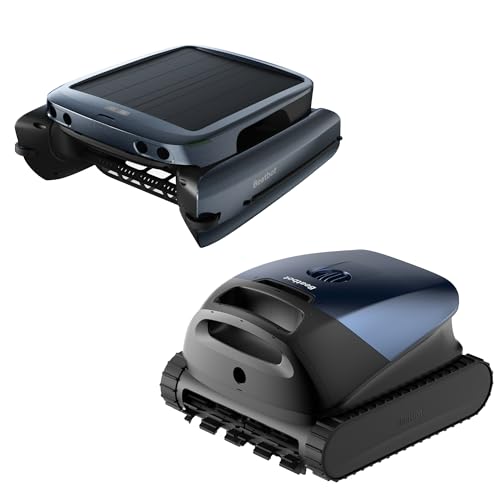
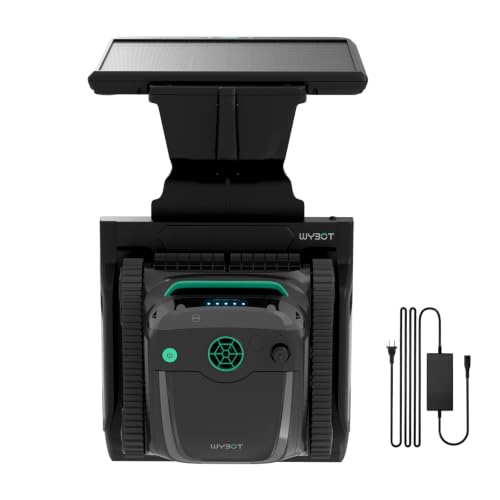
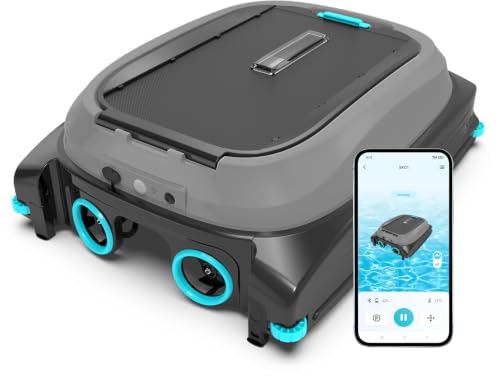
Who Should Buy a Solar Robotic Pool Cleaner?
Above Ground Pool Owners With Sunny Yards
Most solar models are built for smaller water volumes, and that makes them a natural fit for above ground pools that sit in open sun. If your pool gets six or more hours of direct light and your debris is mostly leaves, pollen and bugs on the surface, a solar skimming or floor unit can run a little every day and keep the water presentable. Owners comparing frame sizes and wall heights will also want to read our guide to the best above ground robotic pool cleaner, because cleaning reach matters more than raw suction in shallow pools.
Owners Who Hate Cords and Deck Outlets
A corded robot needs a power supply on the deck, a cable that floats and tangles, and an outlet in a safe dry spot. A solar unit removes all three headaches. There is nothing plugged in near the water while it runs, which many families find reassuring, and there is no cable to coil after every cycle. If you like the cordless idea but want stronger scrubbing than a small panel can feed, our roundup of the best cordless robotic pool cleaner covers battery models that charge from a wall adapter instead.
Small In Ground Pool Owners With Light Debris
A compact in ground pool under heavy leaf fall will overwhelm a solar cleaner, but a small pool in a screened enclosure is a different story. Dust, sand and the odd leaf are exactly the steady, light load these robots handle well when they run daily. Think of the solar unit as a maintenance tool that keeps a clean pool clean, rather than a rescue tool for a green swamp. It pairs well with a manual vacuum session once a month for corners and steps.
Key Features to Compare
Panel Output and Charging Time
The panel is the engine of the whole system, so its wattage decides how fast the battery recovers between runs. Small panels trickle charge and may need a full sunny day to restore one long cycle, while larger panels can top up the battery in a few hours of strong light. Check whether the panel floats on the water, mounts on the deck, or both, because a floating panel shades part of the pool and a deck panel needs a cable run to the water. Partial shade from fences and trees cuts output sharply, so place the panel in the sunniest spot you have, even if it is a few feet from the edge.
Battery Capacity and Daily Run Time
Run time claims only mean something next to battery capacity. A unit that runs ninety minutes per charge but needs eight hours of sun to refill will clean less per week than a modest unit that sips power and recharges by noon. Look for a cleaner that can complete at least one full pass of your pool floor or surface per charge, and pay attention to whether it resumes automatically when the battery refills. Daily short runs beat one long weekend run for solar models, because debris that sinks and decays is far harder to remove than debris caught fresh.
Floor Only Cleaning Versus Surface Skimming
Solar cleaners split into two families. Skimmers float and collect leaves, insects and pollen before they sink, which keeps the filter system cleaner and slows algae food buildup. Floor models drive along the bottom and pick up sand and settled grit, but most cannot climb walls because the power budget is tight. Decide which problem your pool actually has. A pool under trees needs the skimmer first. A pool in a windy, dusty area needs the floor model. Some owners run one of each in larger pools, since both sip power and neither needs a cord.
Filter Basket Size and Mesh Fineness
A small basket fills fast during pollen season, and a full basket means the robot pushes debris around instead of trapping it. Look for a basket you can lift out from the top and rinse with a hose in under a minute, because that chore decides whether you keep using the cleaner. Mesh fineness matters too. Coarse mesh handles leaves but lets fine silt pass back into the water, while fine mesh traps silt and clogs sooner. If your pool collects powdery dust, favor the finer basket and accept rinsing it more often.
Pool Size Limits and Navigation Pattern
Every solar model lists a maximum pool size, and the honest limit is usually smaller than the printed one once you account for cloudy days. Random navigation is common in this class, so coverage comes from run time rather than smart mapping. A cleaner that runs daily will eventually cross every patch of floor, while a cleaner that runs twice a week will miss spots. Measure your pool before you shop, and if your pool sits near the top of a model size range, step up to the next class or accept that the solar unit is a helper beside your main cleaning method.
Setting Up a Solar Cleaner for Your Pool
Start by timing the sun. Watch where shadows fall on the water between morning and late afternoon, then park the panel where it stays lit longest. For a floating panel, that usually means the deep end corner away from the skimmer flow. Charge the battery fully before the first run, even if that takes a full day, because a partial first charge teaches you nothing about real run time. Run the cleaner daily for the first week and check the basket each evening. The debris volume you see tells you whether one run is enough or whether the pool needs a second daily cycle in heavy leaf season.
Safety comes first around any pool equipment. No one should swim while a robotic cleaner is running, solar or otherwise, because swimmers can tangle in a floating panel cable and the robot itself is a hard object in moving water. Keep pool chemicals stored in their labeled containers, locked away from children and pets, and never mix chlorine products with acids. Rinse your hands after handling tablets or shock, and let the cleaner, not a swimmer, do the work while chemicals circulate.
Common Mistakes to Avoid
- Expecting a solar cleaner to rescue a neglected green pool, which ends with clogged baskets, stained surfaces and a battery drained flat every day.
- Placing the panel in partial shade, which quietly halves charging speed and leaves the robot short of power by mid afternoon.
- Leaving the robot in the water for weeks at a time, which fades seals, bakes the battery in hot water and invites algae growth on the housing.
- Ignoring the basket during pollen season, so the cleaner spends its run pushing a plug of fine debris from one end of the pool to the other.
- Buying by pool size on the box alone, without checking whether the model climbs, skims or only drives the floor.
- Storing the panel face down on concrete, which scratches the surface and slowly lowers output for the rest of its life.
How to Make Your Solar Robotic Pool Cleaner Last Longer
Rinse the filter basket after every few runs and let it dry in the shade, because a damp basket stored in a hot deck box grows mildew that smells and clogs mesh. Wipe the panel weekly with a soft cloth and plain water. Sunscreen film and dust can cut output noticeably, and harsh scrub pads scratch the surface. Bring the robot indoors during freezing weather, and store the battery at a partial charge rather than full or empty, which is gentler on the cells over a long winter.
Inspect the wheels, tracks and brushes each month for hair, string and twigs wrapped around the axles, since drag from a wrapped axle shortens run time just like a weak battery. Check the charging contacts for green corrosion and clean them with a dry cloth. If run time shrinks over a season, test the simple causes first: a dirty panel, a clogged basket, and a pool that has grown dirtier than the cleaner class you bought.
FAQ
Can a solar robotic pool cleaner run on cloudy days?
Yes, but more slowly and for shorter runs. The battery carries the cleaner through overcast spells, and the panel still gathers some charge under bright cloud, just at a fraction of its sunny day rate. Expect the robot to skip a day or run a shortened cycle after two or three grey days in a row. Owners in cloudy climates should size up the panel or treat the solar unit as a helper beside a plug in model rather than the only cleaner.
Do solar robotic pool cleaners climb pool walls?
Most do not. Wall climbing takes strong suction and motor torque, and the power a small panel collects is better spent on longer floor or surface runs. A few floor models brush the lower wall at the cove where the floor meets the wall, which helps with the gritty ring that forms there. If your walls grow a visible algae film, plan on a weekly brush by hand or a corded cleaner for that job, and let the solar robot handle daily maintenance.
How long does a solar pool cleaner battery last before replacement?
Most owners get about two to four seasons from a battery pack, depending on heat and how deeply it drains each day. Batteries fade fastest when the robot runs to empty daily in hot water, so a model that finishes its route with charge to spare will age more gracefully. Replacement packs are a running cost worth checking before you buy, and our overview of the best robotic pool cleaner types explains how battery costs compare across every cleaner class.
Can a solar robotic pool cleaner work in a saltwater pool?
Many can, as long as the product listing states saltwater compatibility. Salt is hard on metal contacts and cheap seals, so rinse the cleaner with fresh water after runs in a salt pool and dry the charging contacts before storage. Check the manual for a stated salt concentration limit, and never assume a freshwater only model will survive a season of salt exposure without corroding.
Will a solar skimmer replace a robotic floor cleaner?
No, because the two tools catch debris at different stages. A skimmer removes leaves and bugs while they float, which is the cheapest moment to catch them. A floor cleaner handles what already sank. Owners of pools under trees often start with the skimmer and add floor cleaning later, while owners comparing full setups for a rectangular in ground pool can see how floor and wall models differ in our guide to the best robotic pool cleaner for above ground pools and its sizing notes, which apply the same logic to simple pool shapes.
Final Thoughts
A solar cleaner rewards the right expectations. Give it a sunny yard, a pool within its size range, and a daily routine, and it quietly removes the debris that makes pools look tired between deep cleans. Starve it of sun or ask it to do rescue work, and no panel size will save the experience. Weigh panel output, battery recovery and basket size against your real debris load, check the product table above for the classes that fit, and the best solar robotic pool cleaner for your pool becomes a simple match of sun, size and habit.


