
Best Pool Chemicals of 2026: 3 Top Picks + Buying Guide
Disclosure: We may earn a commission when you buy through links on this page, at no extra cost to you. As an Amazon Associate I earn from qualifying purchases. Learn more

Chlorine, shock and algaecide picks for home pools, plus target levels and safe handling.
Clear pool water is mostly chemistry. A sanitizer keeps bacteria and algae in check, shock burns off the buildup that sanitizer cannot handle alone, and balancers keep pH and alkalinity where chlorine works best and surfaces stay protected. Choosing the best pool chemicals means picking a reliable daily sanitizer, a weekly shock, an algae preventer and a way to measure your water, then using each one at the right dose.
This guide compares three core products for most home pools, explains what each type of chemical does, covers safe handling and storage, and answers common questions. Our top pick is In The Swim 3 Inch Stabilized Chlorine Tablets, a slow dissolving trichlor sanitizer for floaters and feeders.




Our Top Picks at a Glance
| Award | Product | Key Specs | Best For |
|---|---|---|---|
| Best Overall | In The Swim 3 Inch Stabilized Chlorine Tablets (10 lb) | 90% available chlorine, slow dissolving, individually wrapped | Daily sanitizing in floaters and feeders |
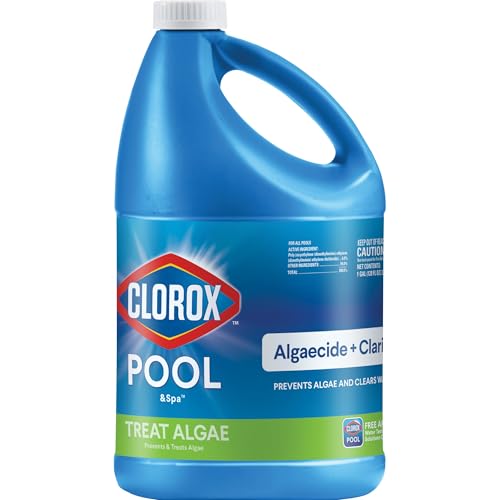
| Best Budget | Clorox Pool&Spa Algaecide and Clarifier (128 oz) | Non foaming, treats and prevents algae | Algae prevention and clearer water |
| Best Premium | HTH Pool Care Shock Advanced (12 pack) | Cal hypo, no added CYA, 4 in 1 formula | Weekly shock and quick recovery |
Our 3 Top Picks for the Best Pool Chemicals
These three products cover the core weekly routine for most residential chlorine pools. Prices change often, so treat them as approximate.
1. Best Overall: In The Swim 3 Inch Stabilized Chlorine Tablets
In The Swim tablets made the list because they handle the most important job, steady sanitizing, with little effort. A 10 pound bucket costs around $60 and has one of the largest buyer review counts of any pool chemical.
- Highlights: 99% trichloro-s-triazinetrione with 90% available chlorine; slow dissolving for consistent chlorination in floaters or automatic feeders; sun stabilized to resist UV loss; individually wrapped tablets that the brand says do not expire, though they are best used within two years of manufacture.
- Trade off: trichlor adds cyanuric acid (CYA) over time, which can build up and reduce chlorine's effectiveness, so pair it with an unstabilized shock and check CYA regularly.
- Best for: inground and above ground chlorine pools that want hands off daily sanitizing.
Larger 25 and 50 pound buckets cost less per pound if you have a big pool or a long season. Never put tablets directly in a skimmer basket unless the manufacturer allows it, because the concentrated chlorine can damage equipment.

2. Best Budget: Clorox Pool&Spa Algaecide and Clarifier
Clorox Algaecide and Clarifier is the pick for keeping algae away and water sparkling for little money. A 128 ounce jug costs around $11.
- Highlights: treats existing algae and helps prevent green, mustard and black algae; adds clarity in the same step; non foaming formula; compatible with all pool types including saltwater pools, per Clorox; works with the Clorox Pool App for dosage suggestions.
- Trade off: algaecide supports chlorine but does not replace it or shock.
- Best for: weekly algae prevention and owners who struggle with cloudy water.
Add it at the deep end with the pump running, as Clorox directs, so the product circulates evenly through the pool.

3. Best Premium: HTH Pool Care Shock Advanced
HTH Shock Advanced is the upgrade for owners who want a fast, multi purpose weekly shock. The 12 pack costs around $46.
- Highlights: a cal hypo formula that sanitizes without adding cyanuric acid, which helps prevent overstabilization; a 4 in 1 formula that HTH says kills bacteria and algae, reduces chlorine odor and irritation and restores clarity; fast dissolving; suitable for vinyl lined pools and saltwater systems.
- Trade off: cal hypo adds calcium, so pools with hard water need to watch calcium hardness.
- Best for: weekly shocking, after heavy use, storms or parties.
Pre dissolve granular shock in a bucket of water if your pool has a vinyl liner, unless the label says it can go straight in, and shock in the evening so the sun does not burn off chlorine before it works.

How We Chose the Best Pool Chemicals
We compared manufacturer labels, active ingredients, dosing directions and pool compatibility, plus verified buyer feedback on water clarity, ease of use and value. We gave extra weight to products with clear labels, broad compatibility and strong long term buyer ratings. We focused on the chemicals every chlorine pool needs and left out specialty products that only fix rare problems.
Because pool chemistry depends on your water, we also included measuring tools in our comparison. No chemical works well if you are guessing at pH, chlorine and stabilizer levels.
How to Choose the Right Pool Chemicals
Pool care works best as a system. A sanitizer, a shock, a balancer set and an algaecide cover most needs, and a good way to read your water ties them together.
Start with your pool type and sanitizer system. Chlorine, saltwater and bromine pools share many products but differ in what they need weekly. Then consider pool size, sun exposure and how many swimmers use it, which all change how fast chlorine is used up.
Type
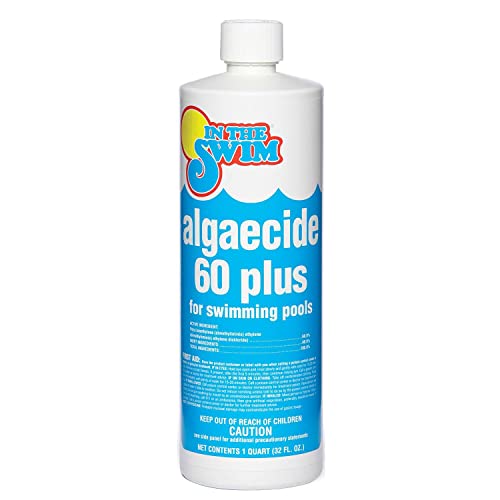
Sanitizers keep water safe every day: trichlor tablets, liquid chlorine, salt chlorine generators or bromine. Shock oxidizes contaminants and boosts chlorine: cal hypo, dichlor or non chlorine shock. Algaecides, like Clorox Algaecide and Clarifier or In The Swim Algaecide 60 Plus, prevent algae. Clarifiers gather fine particles so the filter can catch them. Balancers adjust pH, alkalinity, calcium hardness and stabilizer. Closing kits, like those from Doheny's and In The Swim, bundle winterizing chemicals.
Match the Formula to Your Pool and Surface
Vinyl liners can bleach if undissolved granular shock settles on them, so pre dissolve or choose a liner safe product. Plaster and gunite pools need balanced calcium hardness to protect surfaces. Saltwater pools still need shock and balancers; check labels for salt system compatibility, as HTH and Clorox note on their products. Pools with attached spas or fountains benefit from non foaming, non metallic algaecides, such as In The Swim Algaecide 60 Plus.
Safety: Labels, EPA Registration, Ventilation
Sanitizers, shocks and algaecides are registered pesticides, so follow the label exactly. Never mix chemicals, especially different types of chlorine, and never add water to chemicals; always add chemicals to water. Wear gloves and eye protection, store products in a cool, dry, ventilated place away from sunlight and from each other, and keep them out of reach of children and pets. Cal hypo and trichlor can react violently if combined.
Concentrate vs Ready to Use
Tablets dose slowly and automatically. Granular shock is concentrated and works fast. Liquid chlorine is ready to pour but heavy and shorter lived. Liquid algaecides and clarifiers measure easily by the ounce; In The Swim lists maintenance doses of 2 to 4 ounces per 10,000 gallons for its Algaecide 60 Plus.
Cost Per Use
Buying tablets and shock in larger quantities lowers the cost per pound. A 10 pound tablet bucket suits a small pool or short season, while 25 to 50 pound buckets suit larger pools. Algaecide costs very little per dose. Calculate cost per 10,000 gallons per week to compare brands fairly.
How Much Should You Spend?
Under $20: algaecides, clarifiers and pH adjusters. $20 to $60: shock packs and 10 pound tablet buckets. More than $60: bulk tablets, 50 pound shock buckets and complete water check kits. Most home pools spend a few hundred dollars per season on chemicals.
Measuring Your Water: Strips vs Kits
Test strips, like the EASYTEST 7-Way strips, read free chlorine, total chlorine, pH, total alkalinity, total hardness, cyanuric acid and bromine in about 15 seconds; EASYTEST recommends checking at least twice a week. Drop based kits, like the Taylor K-2006C complete kit, cost more but give more precise readings, especially for free chlorine and CYA. Many owners use strips for quick checks and a drop kit monthly.
Best Pool Chemicals by Need
For hands off sanitizing: 3 inch trichlor tablets in a floater or feeder, such as In The Swim tablets, keep chlorine steady.
For weekly shock: cal hypo shock like HTH Shock Advanced or Clorox Shock XTRABLUE Plus restores clarity and burns off contaminants without adding stabilizer.
For algae prevention: a weekly dose of algaecide, such as Clorox Algaecide and Clarifier or In The Swim Algaecide 60 Plus, stops blooms before they start.
For cloudy water: a clarifier, like Clorox Super Water Clarifier, helps the filter catch fine particles. Clean the filter and run the pump longer.
For closing the pool: a closing kit sized to your gallons simplifies winterizing.
Chemicals work best alongside physical cleaning. See our guides to pool skimmers and pool vacuums.
Target Levels at a Glance
These are common targets for residential chlorine pools. Follow your equipment and product labels where they differ.
| Reading | Common Target | Adjust With |
|---|---|---|
| Free chlorine | 1 to 3 ppm | Tablets, liquid chlorine, shock |
| pH | 7.4 to 7.6 | pH increaser or decreaser |
| Total alkalinity | 80 to 120 ppm | Alkalinity increaser (baking soda) |
| Calcium hardness | 200 to 400 ppm | Calcium increaser, partial drain |
| Cyanuric acid | 30 to 50 ppm | Stabilizer, partial drain to lower |
FAQs
What are the best pool chemicals?
For most chlorine pools, the best pool chemicals are 3 inch stabilized chlorine tablets for daily sanitizing, a cal hypo shock for weekly treatment, an algaecide for prevention and pH and alkalinity balancers. In The Swim tablets, HTH Shock Advanced and Clorox Algaecide and Clarifier cover the core routine.
How long do pool chemicals last?
Trichlor tablets keep well for about two years if sealed and dry; In The Swim says its tablets are best used within two years of manufacture. Granular shock lasts longest when sealed and cool. Liquid chlorine loses strength within weeks. Test strips usually last about 90 days once opened, per EASYTEST.
Are expensive pool chemicals worth it?
Brand name chemicals offer consistent quality and clear labels, but the active ingredient matters most. Compare percentage of available chlorine and cost per dose rather than price alone. Spending on a good water check kit often saves more than buying premium chemicals.
How should you store pool chemicals?
Store them in original, sealed containers in a cool, dry, ventilated area, off the floor and away from sunlight. Keep chlorine products apart from acids and from each other, and away from gas cans and fertilizer. Lock them away from children and pets.
What is the most reliable brand of pool chemicals?
HTH, Clorox Pool&Spa, In The Swim and Doheny's are widely used, with strong buyer ratings. Reliability comes from consistent active ingredients and clear dosing, so choose brands that list percentages and directions plainly.
Final Verdict
In The Swim 3 Inch Stabilized Chlorine Tablets are the best pool chemicals pick for daily sanitizing, Clorox Algaecide and Clarifier is the budget way to prevent algae and cloudiness, and HTH Shock Advanced is the premium weekly shock that adds no stabilizer. Measure your water twice a week, follow labels and store chemicals safely, and your pool will stay clear all season. For automatic cleaning, see our guide to automatic pool vacuum cleaners.


