Best Pressure Washer for Siding (2026): Soft Washing Without the Damage
Disclosure: We may earn a commission when you buy through links on this page, at no extra cost to you. As an Amazon Associate I earn from qualifying purchases. Learn more

Pick the best pressure washer for siding and use soft wash technique: low pressure soap, long reach and safe rinsing for vinyl and fiber cement.
The north wall of a house tells the truth about your climate: a green film creeps up the vinyl, mildew freckles the shaded corners, and the whole elevation looks dingy next to the front door side. Siding is a huge surface, and it is surprisingly easy to ruin with a pressure washer used like a patio blaster. The best pressure washer for siding is not the strongest machine you can buy; it is the one that soaps gently and rinses at a safe distance.
Pros call the method soft washing: low pressure detergent does the cleaning, and water flow does the rinsing. This guide covers the features that make soft washing easy, from soap injectors to second story reach, plus the technique that keeps water out from behind your siding. For whole property comparisons, our general best pressure washer guide covers the broader field, and the product table near the top gathers the siding friendly machines.
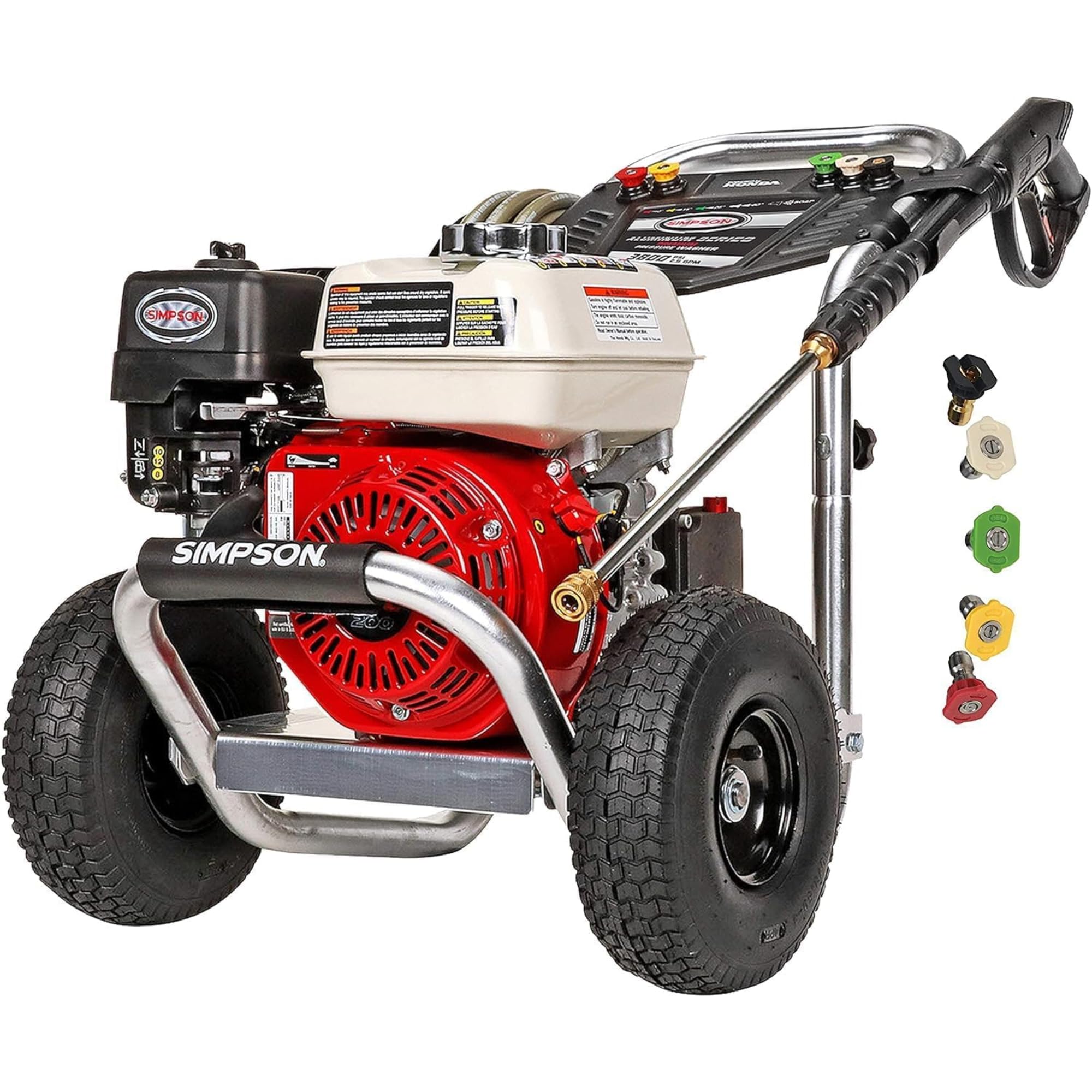


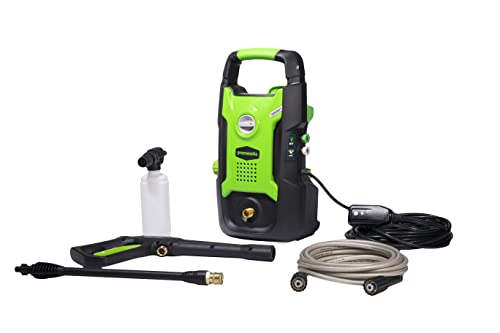
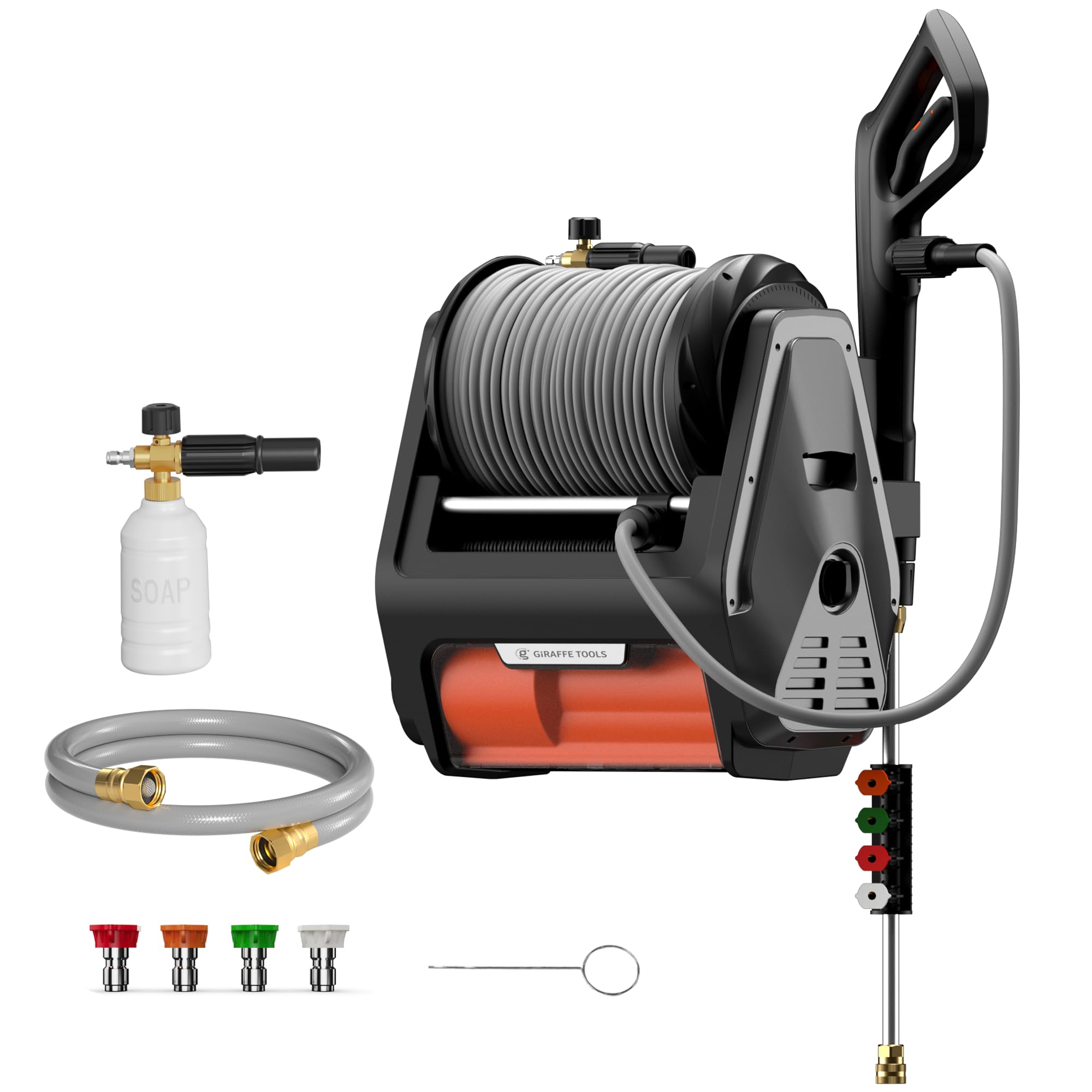
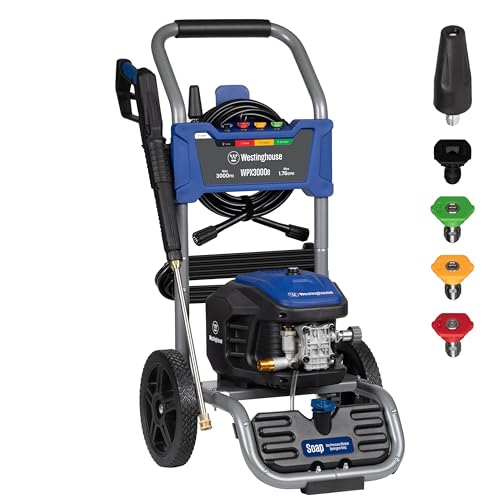

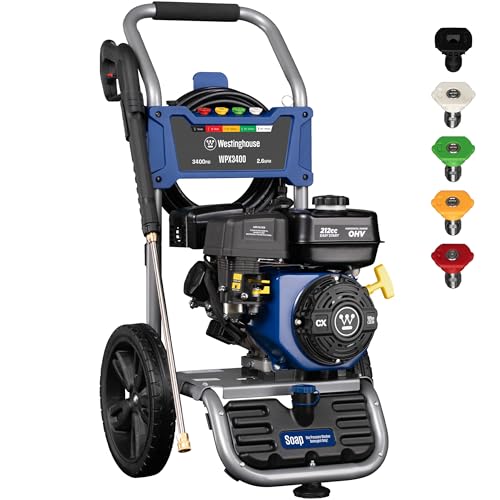
Who Should Buy Which Pressure Washer for Siding?
Owners of One and Two Story Vinyl Sided Homes
Vinyl is the most common siding in the country and the easiest to clean, as long as pressure stays low and the spray never drives upward under the laps. A mid range electric unit with a soap tank and a 25 to 35 foot hose covers a typical two story wall from the ground. Your must haves are an adjustable or soap tip setup and enough cord and hose to circle the house without moving the machine every ten minutes.
Fiber Cement and Painted Wood Siding Owners
Fiber cement boards are hard but their paint is not, and painted wood is softer still. These surfaces reward machines with fine pressure control, because a close rinse that vinyl survives can strip paint edges and raise wood grain. Choose a model with a full tip set and a detergent system you trust, and plan to work in smaller sections. If your paint is already failing or chalking, wash gently and expect the job to become repaint prep, not just cleaning.
Townhome and Small Lot Owners
Attached homes add constraints: neighbors close on both sides, tiny side yards, and limited storage. A compact electric unit with tidy hose storage fits a garage shelf, runs quietly on a weekend morning, and will not gas the neighbor patio with exhaust. Battery models tempt here, and the best cordless pressure washer class can rinse a small townhome elevation, though a full house wash still favors a cord and a hose for steady flow.
Key Features to Compare
Low Pressure Soap Application
This is the heart of soft washing. A downstream injector or onboard soap tank applies siding cleaner at garden hose like pressure, coating a whole wall so algae and mildew release during a short dwell. Check whether soap mode needs a special low pressure tip, and how large the tank is, because refilling mid wall leaves lap lines. A machine that sips detergent from an external bottle gives you more working time and simpler cleanup. Siding cleaners made for pressure washers are formulated to rinse clean without filming windows.
Pressure Control at the Wall
The machine rating matters less than the pressure that actually reaches the siding, which falls with distance and wider fan tips. You want a setup that can work very gently: a 40 degree tip, good standoff distance, and on some models an adjustable wand or pressure dial. Avoid any setup that forces you to choose between full blast and off. If your shopping list covers the whole house and yard, the best pressure washer for home use class is a useful cross check, since siding is usually the biggest single job these machines do.
Reach: Hose Length, Wands, and Second Story Kits
Reach decides whether your feet stay on the ground, where they belong. A 30 to 50 foot hose lets you park the machine and walk a full elevation. Extension wands and second story nozzle kits, which use a jet effect to carry soap and rinse water upward, clean gable ends without a ladder. Ladders and pressure wands are a bad mix, because trigger kickback on a rung is a real fall risk. Buy reach in the hose first, then add a second story kit if your gables are tall.
Electric or Gas Around the House
Electric units are quiet, start with a trigger pull, and store indoors without fuel smells, which suits most siding jobs done once or twice a year. Gas units give more flow and freedom from cords for large rural homes where the far wall sits far from any outlet. Weigh the cord honestly: you will drag it around landscaping all day. Either way, plug electric models into a GFCI protected outlet and keep cord connections off wet ground and out of puddles.
Detergent Handling and Pump Protection
Soft washing runs a lot of solution through the pump path on injector models, so easy flushing matters. Look for clear instructions on rinsing the injector after use and a design that keeps harsh chemicals out of pump seals unless rated for it. A garden hose inlet screen that is easy to pull and rinse will save you from mystery flow drops. Also check wand storage and tip storage onboard, because the soap tip you lose in the grass is always the one the job needs.
Soft Washing Siding, Wall by Wall
Start by closing windows, covering outdoor outlets and light fixtures, and wetting the landscaping along the wall. Pre wetting plants and rinsing them again afterward is the simplest plant protection there is. Work one wall at a time, in shade or on a cloudy stretch, so cleaner never bakes dry on warm siding.
Apply detergent from the bottom up, in overlapping bands, and let it dwell for about 5 to 10 minutes while the wall stays wet. Bottom up application stops dirty solution from streaking down across dry siding below. Then rinse from the top down with a wide fan, holding the wand at a downward or level angle and keeping a comfortable distance. Never aim upward under lap edges, because driven water gets behind the boards and soaks the sheathing, and avoid blasting directly at window seals, door frames, and vents.
Stubborn spots, like the green splash zone near the ground and mildew under eaves, get a second soap pass and a soft brush rather than a closer jet. When you finish a wall, rinse the plants again, coil the hose, and walk the wall at an angle to spot missed bands in the raking light before moving the machine.
Common Mistakes to Avoid
- Spraying upward under siding laps, which forces water behind the boards and can feed hidden mold and rot.
- Rinsing at close range with a narrow tip, etching permanent wand tracks into vinyl and stripping paint from fiber cement.
- Washing from a ladder with a full pressure wand, where one trigger kick can shift your balance at the worst moment.
- Letting detergent dry on hot, sunlit siding, which leaves chalky spots and streaks that need a second full wash.
- Blasting window screens, seals, and attic vents, tearing mesh and pushing water into places that never dry well.
- Skipping the plant rinse before and after, then blaming the cleaner for scorched shrubs along the foundation.
How to Make Your Pressure Washer Last Longer
Siding work runs detergent through the machine, so the rinse down is the maintenance. Flush the injector and soap lines with clean water for a full minute after every wash day. Pull and rinse the inlet screen, which collects grit from garden hoses and wells. Before winter, run pump saver through the unit and drain the hose completely, because freeze damage inside the pump is the top killer of home washers. Inspect nozzle tips for worn orifices each spring, since an eroded tip quietly changes your spray pattern, and store the wand with the trigger unlatched so seals rest unloaded.
FAQ
What pressure is safe for vinyl siding?
Vinyl cleans safely with soft wash technique: detergent at low pressure, dwell time, and a wide fan rinse from a comfortable distance. The pressure at the wall should feel gentle, closer to a strong garden hose spray than to a patio jet. If your machine only offers high settings, distance and the widest tip are your control. When green film releases after soaping, the rinse is removing loosened growth, not cutting it off, and that is exactly right.
Can pressure washing damage fiber cement siding?
Yes, mainly by damaging the paint rather than the board. A close, narrow jet can lift paint edges, drive water into cut ends, and leave visible tracks in the finish. Use soft washing, keep the fan wide and moving, and treat any already peeling areas by hand with a brush. If large areas are chalking or flaking, the siding needs paint prep and repainting more than it needs washing.
How do you reach second story siding without a ladder?
Use reach tools instead of climbing. A longer hose, an extension wand, and a second story nozzle kit are designed to soap and rinse upper walls from the ground, using a focused jet to carry water upward at low effective pressure. Work when there is little wind, since overspray drifts at height. Keeping both feet on the ground also keeps your balance out of the equation when the trigger kicks.
Can you pressure wash painted wood siding?
Gently, yes. Painted wood takes the softest touch of the common sidings: wide fan, generous distance, and mostly detergent doing the work. Sound paint survives a careful wash; loose paint will come off, and that is information, not damage, since it needed scraping anyway. Wash well ahead of any repainting so boards dry fully, and avoid soaking unpainted cut ends and window trim joints.
How often should house siding be washed?
Most homes need a wash every one to two years, with shaded north walls on the shorter cycle where algae returns first. Washing more often rarely hurts with true soft wash technique, but it also rarely helps. Watch for the early green tint in spring and schedule the job for a mild, cloudy weekend. Homes under heavy tree cover may spot wash the splash zone near grade between full washes.
Final Thoughts
Clean siding is a chemistry and patience job wearing a power tool costume. Pick a machine that soaps easily, reaches your gables from the ground, and rinses wide and gentle, and your house will look freshly painted without a single etched track. Compare the soft wash friendly options in the product table above, then put the same unit to work on the driveway apron and the car on wash day, and it earns its title as the best pressure washer for siding in your garage.