Best Bona Mop Formats for 2026: A Practical Buying Guide
Disclosure: We may earn a commission when you buy through links on this page, at no extra cost to you. As an Amazon Associate I earn from qualifying purchases. Learn more

Compare the best bona mop formats by head size, pad system and cleaner refills, with care tips for sealed hardwood, laminate and tile floors.
Bona built its name on one idea: a flat microfiber mop paired with a cleaner made for wood floors, so you stop pushing dirty water around with a string mop. The catch is that the lineup now spans spray mops with onboard tanks, larger premium formats, and plain flat mops you pair with a separate bottle, and the wrong format makes the system feel like a chore. Picking the best bona mop for your home is really about floor size, how often you clean, and how much you want to spend on pads and cleaner over time.
This guide explains the formats by class rather than by badge, compares pad sizes and refill costs, and covers the floor types the system suits and the ones it does not. The comparison table below summarizes the lineup so you can see which format matches your rooms before reading on.





Who Should Buy Which Bona Mop Format?
Apartments and small hardwood areas
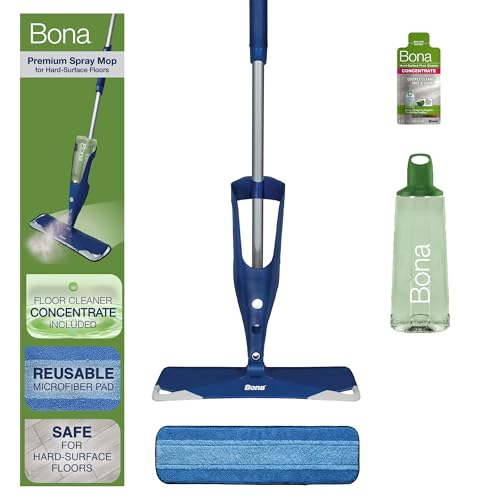
If your wood flooring is a single living room or a couple of bedrooms, the standard spray mop format covers it without strain. The onboard cartridge means no bucket to fill, store, or carry, and the flat head slides under most furniture. You will finish a small space in minutes, and the mop hangs on a hook behind a door. For this group, the bigger premium format is money spent on head width you will rarely use.
Large open plan homes with lots of wood
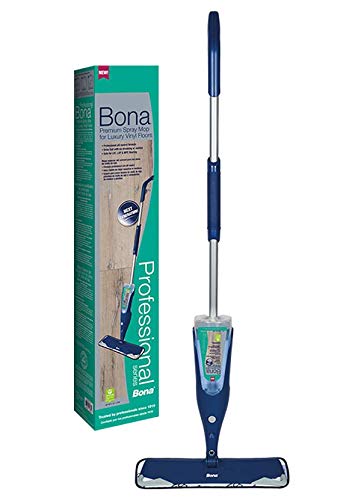
Big continuous floors reward a wider head: the larger premium spray format covers more ground per pass and its bigger cartridge stretches further between refills. The trade off is weight and storage, since the larger tool needs a real home in a closet. If you clean the whole ground floor weekly, the time saved per session adds up fast. This group should also budget for several pads, so a wash day never leaves you without a clean one.
Homes mixing wood with tile and laminate
The Bona system works across sealed hard surfaces, as our guides to the best mop for hardwood floors and the best mop for tile floors explore in depth, but each surface drinks cleaner differently and the brand sells floor specific formulas. A plain flat mop with interchangeable pads suits mixed homes well, because you can swap pads between rooms and use each surface's cleaner from a spray bottle. What matters is discipline: a pad loaded with grit from an entryway should never glide onto softwood, so color code your pads by room or surface.
Key Features to Compare
Format: spray mop or flat mop with separate bottle
The spray formats carry their cleaner in a refillable cartridge and mist it ahead of the pad with a trigger, so the whole job is one tool and one hand free; our best spray mop guide compares this format against other brands and tank styles. The plain flat mop is lighter and slimmer, but you carry a spray bottle in the other hand or pre mist the floor section by section. Spray formats cost more up front; flat formats cost less and have nothing to clog. Households that clean little and often usually prefer the grab and go spray style.
Pad size, pad types, and the pad system
Head width decides how fast large rooms go and how well the mop fits tight ones: wider pads cover open floors quickly but struggle between chair legs and around toilets. The system offers cleaning pads for wet work and fluffy dusting pads for dry pickup, and using the dusting pad first is the step that protects wood, because grit left on the floor becomes an abrasive under a wet pad. Pads attach with hook and loop strips; check that replacements in your chosen size are easy to find, since a pad you cannot replace is a mop with an expiry date.
Cleaner cartridges and refill costs
The spray formats use the brand's hardwood cleaner in cartridges, and the running cost question is whether you refill from the large refill bottles, which is far cheaper per ounce than swapping cartridges. The cleaner is formulated to leave little residue, which is the system's real appeal: floors feel clean rather than coated. Using other brands of cleaner in the cartridge can void warranties and may leave residue the pads then spread around, so read the terms before experimenting. Budget wise, cleaner and pads together are the true price of the system, not the mop.
Handle, weight, and maneuverability
A flat mop lives on its swivel: the head should turn flat enough to slide under sofas and lay nearly horizontal for dusting under beds. Handle length matters for taller users, since a short handle means stooping across a whole floor. Spray formats add the weight of a full cartridge at the head end, which you feel in the wrist over a long session. A secondary grip on premium formats helps when you need to press on a stubborn spot without bearing down awkwardly.
Floor compatibility and limits
The system targets sealed hardwood, laminate, luxury vinyl, and tile, and the cleaner is made to be gentle on factory finishes. It is not the tool for waxed or oiled wood that needs its own care products, nor for unsealed or damaged floors where moisture can reach bare wood. Even on sealed floors, the rule is damp, not wet: the spray format meters small amounts for a reason, because standing liquid is the enemy of wood seams. When in doubt, your flooring maker's care guidance outranks any mop brand's claims.
How the Bona System Works: Pads, Cartridges, and Refills
The routine is a two pass method. First, run the dusting pad dry to lift grit, crumbs, and pet hair; this pass protects the finish. Second, swap to the cleaning pad, mist a small section, and mop with the grain, working your way out of the room so you never walk on wet floor. Rinse or swap the pad when it looks loaded, because a dirty pad stops picking up soil and starts leaving streaks. Afterward, machine wash the pads without fabric softener, which coats the microfiber and ruins its grip, and let the cartridge sit upright so the trigger mechanism stays primed. That small discipline is most of what owners describe when they say the system works better than their old mop.
Common Mistakes to Avoid
- Skipping the dry dusting pass, so grit grinds under the wet pad and dulls the finish.
- Soaking the floor with extra spray passes, letting moisture sit in the seams between boards.
- Washing microfiber pads with fabric softener, which coats the fibers and kills their pickup.
- Using vinegar or generic cleaners in the cartridge, risking residue and warranty problems.
- Storing the mop head down on a dirty pad, which flattens the pad and grinds in the grit.
- Dragging one pad through the whole house, spreading bathroom soil onto kitchen floors.
How to Make Your Bona Mop Last Longer
Wash pads after every few uses in warm water with a mild detergent, never with bleach or softener, and air dry or tumble on low so the hook and loop backing keeps its grip. Replace pads when they stop grabbing dust, typically after many washes, rather than scrubbing harder with a dead pad. Rinse the cartridge nozzle if spray pattern weakens, and store the mop hanging with the head off the floor. Keep the trigger mechanism clean by wiping the head after sessions in dusty rooms. Treat the pole joints gently: the swivel is the part that wears, and forcing it against stuck furniture is how it cracks.
FAQ
Which Bona mop format suits a small apartment?
The standard spray mop is the natural fit: it stores on a hook, needs no bucket, and its head width suits rooms broken up by furniture. The larger premium format earns its size only where long open runs of flooring make extra passes tiresome. Apartment owners should spend the difference on a spare cleaning pad instead, because laundry turnaround, not head size, is what usually interrupts a small home routine.
Can you put other cleaners in a Bona spray mop cartridge?
The cartridge is designed for the brand's own cleaner, and the maker advises against other formulas: some can damage seals, spray unevenly, or leave residue the system is built to avoid, and using them may affect warranty coverage. If cost is the concern, refilling the cartridge from the brand's large refill bottles lowers the price per clean considerably without leaving the system. For tile or stone areas, use the formula made for that surface rather than improvising.
How often should Bona mop pads be washed or replaced?
Rinse the cleaning pad during a session whenever it looks gray, and machine wash pads after every few sessions so soil does not set into the fibers. With normal home use, pads last through many washes; replace them when the microfiber feels flat and stops lifting dust even when clean. Keeping two or three pads in rotation means a wash day never stalls your routine, and each pad lasts longer for resting between uses.
Is a Bona mop safe for laminate and luxury vinyl floors?
Yes, when used as directed, because the flat pad and metered spray keep moisture low, which is what laminate and vinyl seams need. The caution is pooling: never let sprayed cleaner sit in puddles, and work in small sections so each one dries quickly. Check your flooring brand's care sheet as the final word, since some budget laminates restrict even damp mopping. Used with that care, the system cleans these floors without the swelling risk of a soaked string mop.
How long does a Bona mop last?
The pole and head are simple hardware and can serve for years; the consumables are pads and cleaner. The swivel joint and the spray trigger are the parts that eventually wear, and both last longer when the mop is stored hanging and the head is not forced. Viewed as a system, your ongoing spend is pads and refill cleaner, which is predictable and modest compared with disposable pad systems that charge you for every single session.
Final Thoughts
Choose the format by your floor plan: standard spray for compact homes, the wider format for large open wood, or the plain flat mop if you clean several surface types and like control over each cleaner. The product table above lines the formats up by head size, tank style, and running costs. Whichever you pick, the best bona mop is the one whose pads you keep clean and whose cleaner you use sparingly, because technique, not the badge on the handle, is what leaves wood floors clear and streak free. If you are still comparing mop styles beyond this one system, our best mop overview covers the main categories side by side.