
Best Carpet Cleaner for Couches in 2026: A Buying Guide for Fresher Upholstery
Disclosure: We may earn a commission when you buy through links on this page, at no extra cost to you. As an Amazon Associate I earn from qualifying purchases. Learn more
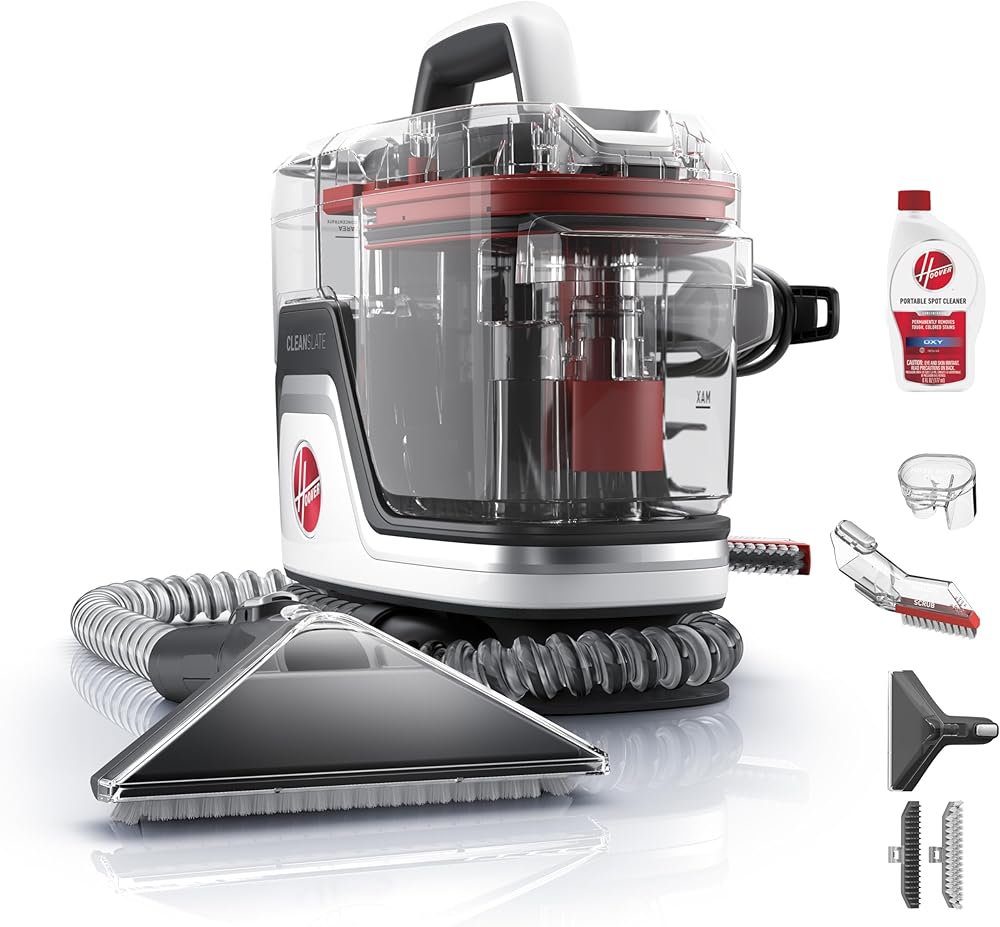
Pick the best carpet cleaner for couches by checking hose reach, upholstery tools, tank size and drying power for sofas and loveseats.
A couch collects a special kind of grime: snack crumbs ground into the seams, drink rings on the arms, pet hair worked deep into the weave and that one mystery stain from months ago. Regular vacuuming only handles the surface of it. The best carpet cleaner for couches is really an upholstery cleaner at heart, a machine that sprays solution, scrubs gently and pulls dirty water back out of fabric without soaking the cushions through.
This guide explains which machine formats actually work on sofas, the tools and tank sizes that matter when you are cleaning vertical surfaces and tight seams, and the technique points that keep fabric safe. The comparison table below shows the main formats side by side so you can match one to your furniture before you read the details.


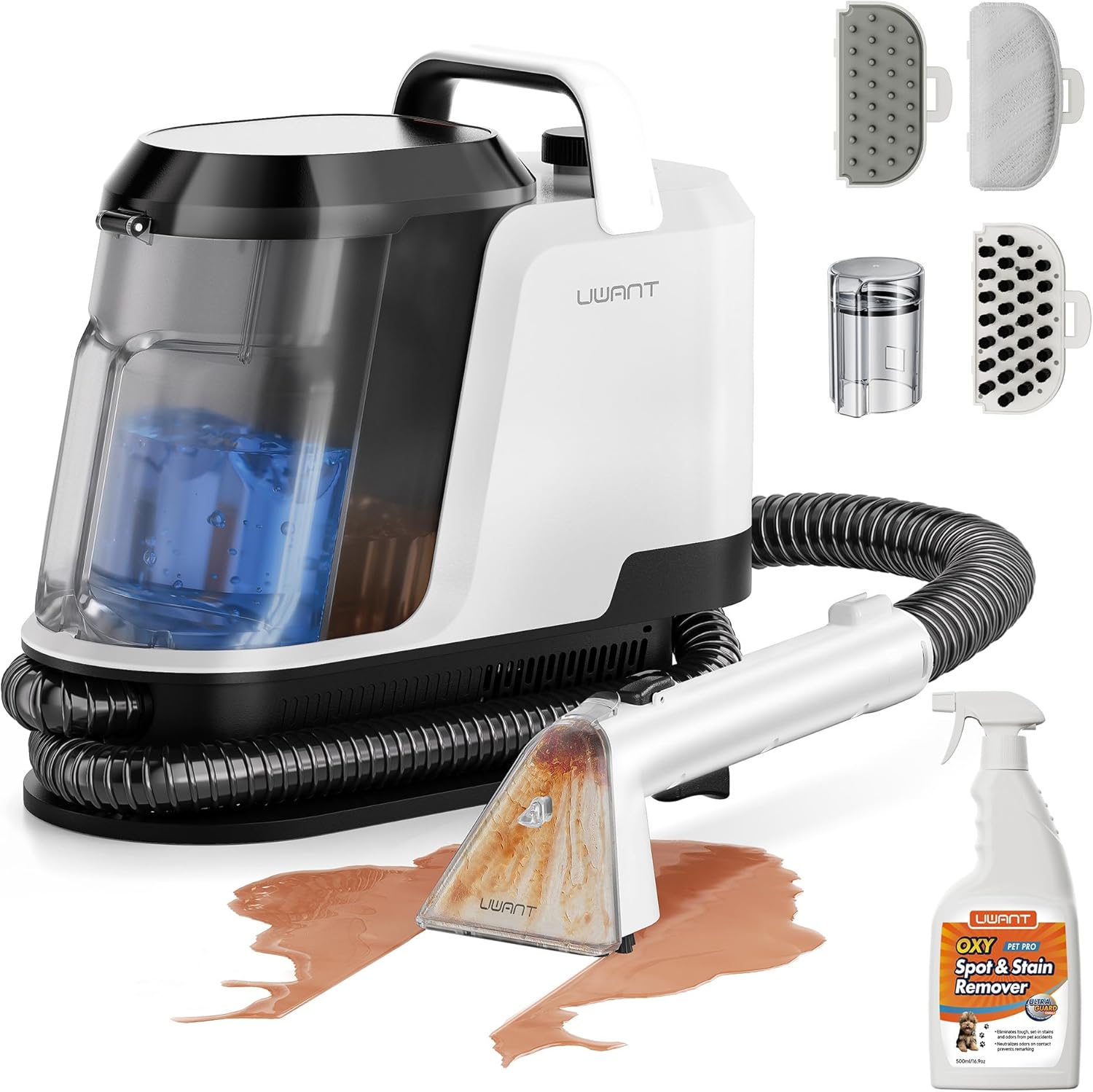

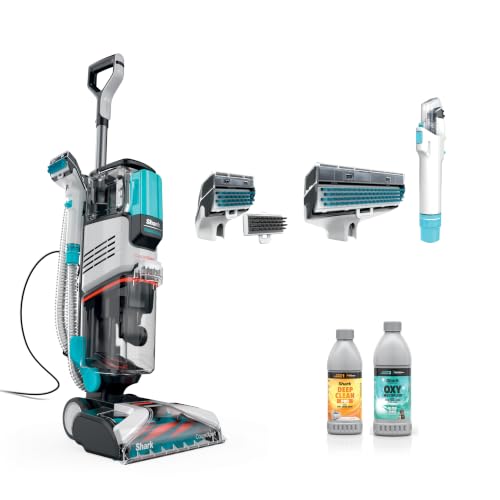

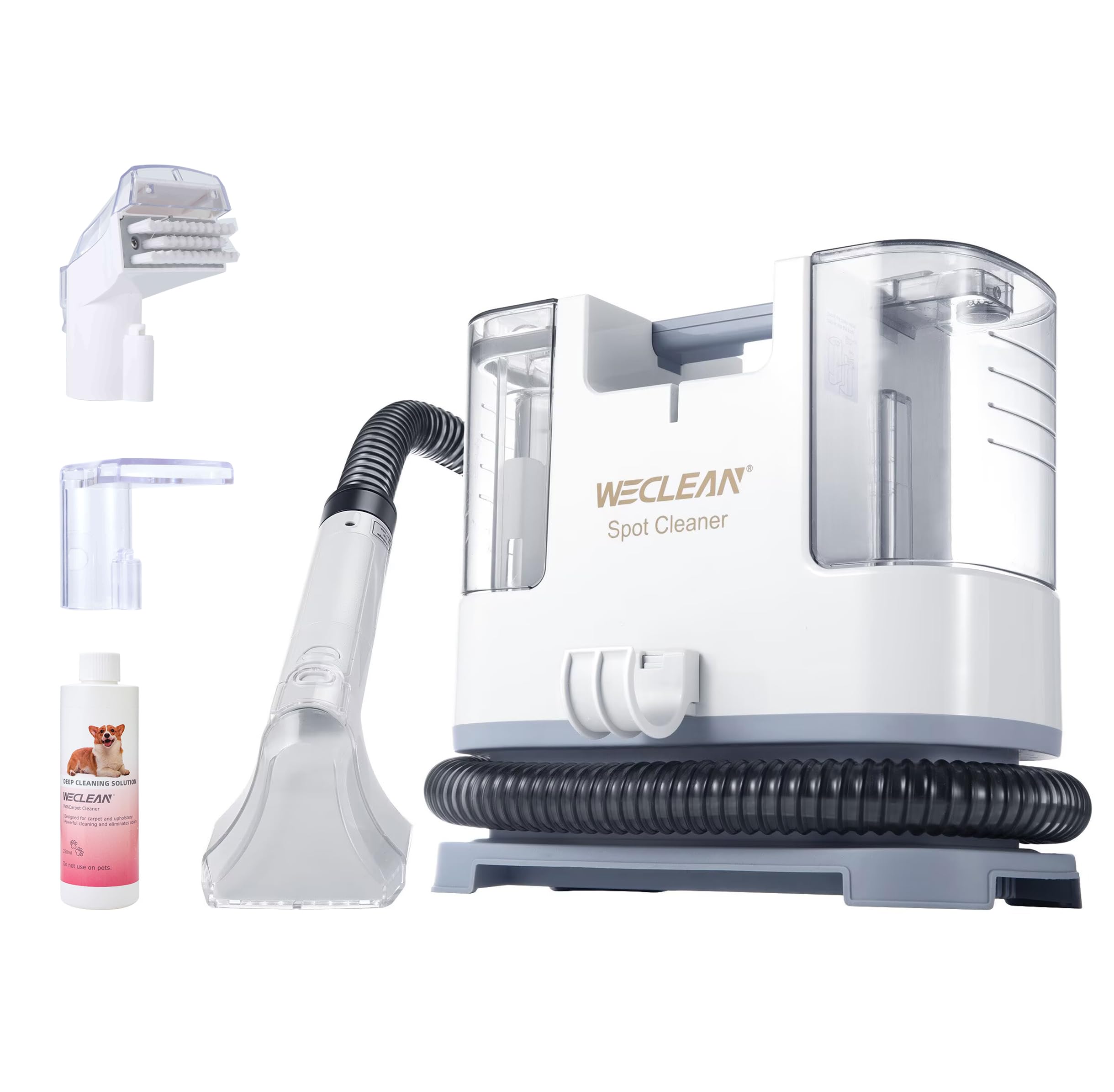
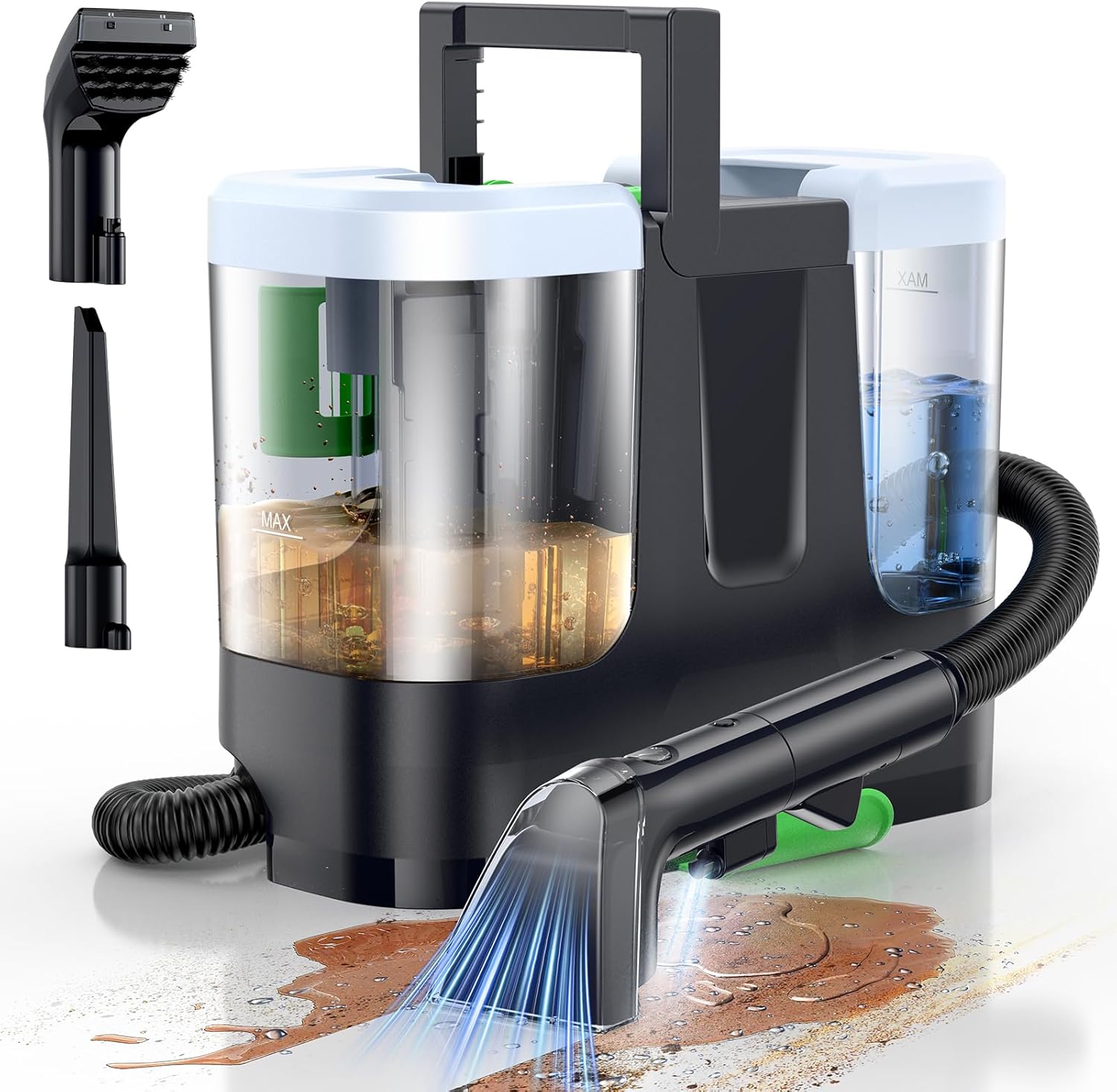
Who Should Buy Which Carpet Cleaner for a Couch?
Pet owners whose couch is the dog or cat bed too
If animals nap on the sofa daily, you need a machine with a dedicated pet tool and strong suction to pull hair and dander out of the weave, not just wash the surface. A portable spot cleaner with a rubber bristled tool works well for frequent small jobs. You will also want solution formulated for pet messes, since enzymes break down the organic material that causes odors to return.
Families with kids, snacks and frequent drink spills
Households where juice and milk land on cushions weekly should look at a mid sized portable with a longer hose and a wider upholstery tool, so a whole sofa can be cleaned without refilling every few minutes. Heated drying features help because family couches go back into use the same day. A machine that stores compactly matters too, since you will reach for it often and it should live near the living room.
Apartment renters with one sofa and limited storage
If you have a single loveseat and a closet for storage, a small spot cleaner is usually the smart buy rather than a full upright with an upholstery hose. It handles stains as they happen, which is when they are easiest to remove, and it rinses clean in a sink. Renters should also prize machines that leave fabric fairly dry, because slow drying cushions in a small space can develop a musty smell.
Key Features to Compare
Machine format and hose reach
Format decides how a couch job feels. Portable spot cleaners are light, carry to the sofa and park on the floor beside it, with hoses around 4 to 5 feet that reach across most cushions. Full size uprights add an upholstery hose of 8 feet or more, which helps with tall backs and sectionals but means hauling a heavy machine to the room. Measure your sofa and the distance from floor to top cushion, then check the hose length honestly, because a short hose forces you to lift the machine onto furniture, which risks spills of dirty water.
Upholstery tools and brush design
The tool at the end of the hose does the real work on fabric. A standard upholstery tool around 3 to 4 inches wide balances coverage and control, while a narrower crevice style tool gets into seams where crumbs and hair pack tight. Rubber bristles or a gentle scrub brush loosen ground in soil without roughing delicate weaves. Avoid stiff brushes on linen, velvet or loosely woven fabrics, and always check the furniture tag first: W means water based cleaning is fine, S means solvent only, and X means vacuum only with no liquid at all.
Suction and water recovery
Suction matters more on upholstery than on carpet, because couch cushions hold water deep in foam padding and dry slowly. Strong recovery pulls more solution back out, which shortens drying from a full day to a few hours and lowers the risk of mildew smells. In practice, slow overlapping passes with the tool pressed firmly into the fabric recover far more water than fast swipes. If a machine leaves cushions feeling soggy after several dry passes, its recovery is too weak for regular couch work.
Tank size and easy rinsing
Portable machines carry smaller tanks, often under half a gallon per side, which is fine for spot work but means refills on a full sectional. Separate clean and dirty tanks are standard and make dosing solution simple. What matters just as much is how the machine rinses after the job: a self rinsing hose or a tool that flushes clean water through the suction path keeps dirty residue from sitting in the hose and smelling later. Tanks with wide mouths rinse faster under a tap and dry without trapping moisture.
Heat features and drying help
Some machines heat the cleaning water or blow warm air to speed drying, and on couch fabric that time saving is real. Heated cleaning helps dissolve body oils that build up on arms and headrests. Warm air drying features shorten the wait before cushions can go back on the frame. If the machine you like has no heat, plan on pointing a room fan at the sofa for a few hours, which achieves much the same result at no extra cost.
Solution choice and fabric safety
Use the upholstery formula the maker recommends, diluted as directed, and never be tempted to add bleach or mix products, since mixing bleach with ammonia or acidic cleaners creates toxic gas. Enzyme formulas suit pet and food stains, while oxygen based boosters help with drink discoloration on light fabrics. Test any new solution on a hidden patch of the couch first and wait for it to dry, because dyes on some fabrics shift even with gentle products. Ventilate the room while you clean and keep kids and pets off the couch until it is fully dry.
Matching the Machine to Your Furniture
Start from the furniture, not the machine. A compact loveseat in a rental points to a small portable; a large sectional that hosts movie nights points to a bigger tank and a long hose. Our general guide to the best carpet cleaner covers the full category if you also need floor duty from the same purchase. If portability is the deciding factor, the machines in the best portable carpet cleaner roundup focus on carry anywhere designs that store in a closet. For accident prone pets, the targeted options in the best carpet cleaner for pet urine guide explain enzyme cleaning in more depth, and the best carpet cleaner for pet stains guide covers set in marks that need stronger treatment.
Price follows format more than brand. Small spot cleaners generally sit under $150, larger portables with heat and longer hoses run about $150 to $250, and full uprights with upholstery kits reach about $250 to $400. For couch only duty, the middle band is usually the sweet spot, since you get hose reach and drying help without paying for floor cleaning power you may rarely use.
Common Mistakes to Avoid
- Soaking cushions with too much solution, which drives dirty water deep into the foam and can leave a mildew smell that is worse than the stain.
- Skipping the furniture tag check, which leads to water cleaning on S or X coded fabrics that can shrink, fade or water spot.
- Scrubbing a stain in circles with a stiff brush, which spreads the mark and frays the weave instead of lifting the soil out.
- Putting cushions back before they are fully dry, which traps moisture against the frame and invites musty odors.
- Leaving dirty water sitting in the machine after the job, which coats the hose and tank with residue that smells on the next use.
- Using hot water on a protein stain such as blood or milk before treating it, which can set the stain into the fabric permanently.
How to Make Your Carpet Cleaner Last Longer
Rinse both tanks after every couch session and run clean water through the hose and tool for a few seconds so residue does not dry inside the suction path. Let the tanks and tool air dry with caps open before you store the machine, and coil the hose loosely rather than in tight bends that crack with age. Check the tool face and spray nozzle for lint buildup, since fabric fibers clog the jet and cause uneven spraying. Store the unit indoors where it will not freeze, because leftover water in the pump can crack internal parts in a cold garage. A bottle of the correct solution and a spare nozzle stored with the machine keep small jobs from turning into errands.
FAQ
Can you use a carpet cleaner on all couch fabrics?
No, and the furniture tag decides. W and WS codes accept water based cleaning, which is what these machines do. S coded fabric needs solvent based products only, and X coded fabric should only be vacuumed, so a water extraction machine can damage both. Microfiber, cotton blends and most synthetics usually carry W or WS codes and clean well. When there is no tag, test in a hidden spot and wait for it to dry before doing the whole cushion.
How long does a couch take to dry after extraction cleaning?
Most couch fabric feels dry in about 4 to 8 hours when the machine has strong recovery and the room has decent airflow. Thick cushions and humid weather stretch that time, while a fan pointed at the sofa cuts it noticeably. Do not sit on the couch or replace loose cushions until the fabric and the foam beneath feel dry to a firm hand press, because trapped moisture is what causes lingering odors.
How do you get pet odor out of a couch with a carpet cleaner?
Use an enzyme based solution made for pet messes and give it the dwell time printed on the bottle, often 5 to 10 minutes, before extracting. The enzymes need that contact time to break down the organic compounds that cause odor, and extraction then removes them instead of just covering the smell. For a cushion that smells deep inside, treat both sides and repeat once rather than soaking it harder a single time.
Is a portable spot cleaner enough for a full sofa?
It is enough for a loveseat or a sofa with a few problem areas, though you will refill the tank several times on a large sectional. The cleaning quality on each cushion is similar to bigger machines; the difference is working time and hose reach. If full sofa cleans are a monthly routine rather than an occasional rescue, the larger tank and longer hose of a bigger portable will save real frustration.
How often should you deep clean a couch?
For most homes, a full extraction clean every 6 to 12 months keeps fabric bright, with spot cleans as spills happen. Homes with pets that sleep on the sofa or kids who snack there benefit from a clean every 3 to 6 months, focusing on arms, headrests and the front edges of cushions where oils collect. Vacuuming the couch weekly with an upholstery attachment between deep cleans removes the grit that wears fabric down.
Final Thoughts
Shop by format first, then by tool and tank details: the machine that fits your sofa size and storage space is the one you will use often enough to keep fabric genuinely fresh. Compare the options in the product table above against the checks in this guide, and the best carpet cleaner for couches for your home will be the one whose hose reaches every seam and whose drying power matches how fast your family needs the sofa back.


