
Best Cordless Power Scrubber in 2026: A Practical Buying Guide
Disclosure: We may earn a commission when you buy through links on this page, at no extra cost to you. As an Amazon Associate I earn from qualifying purchases. Learn more

Torque, brush heads, battery runtime and extension reach compared, so you can pick the best cordless power scrubber for grout, tubs, showers and tile.
Scrubbing a tub ring or a shower floor by hand is the kind of chore your wrists remember the next day. A cordless power scrubber hands that work to a motor: press a spinning or oscillating brush against the soap scum, guide it slowly, and let torque do what elbow grease used to. Choosing the best cordless power scrubber is about matching brush heads and battery stamina to the surfaces you actually clean.
This guide compares spin power, brush systems, extension reach and water resistance, and covers the safety points that matter when electricity and cleaning chemicals share a wet room. The comparison table below shows the landscape first.


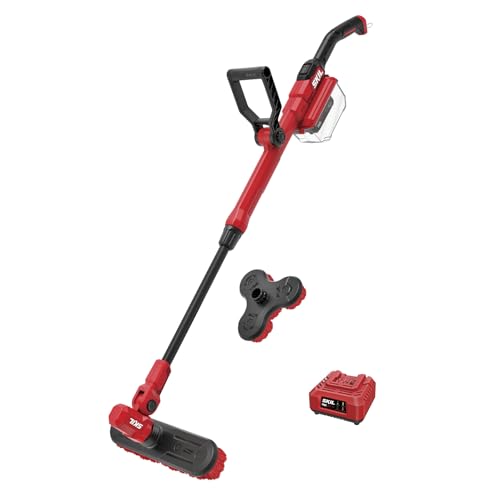

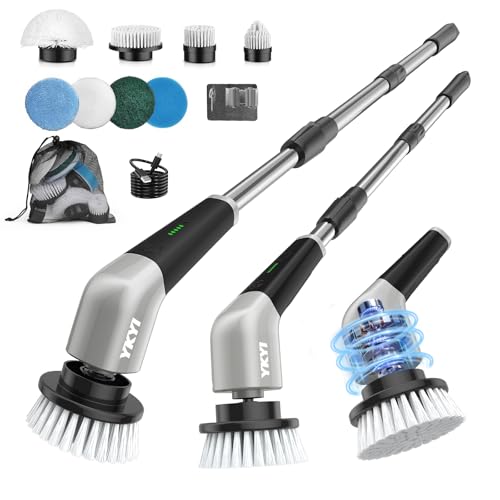
Who Should Buy a Cordless Power Scrubber?
Anyone Whose Hands and Wrists Tire Fast
If grip strength, arthritis or repetitive strain makes a hand brush miserable, a powered scrubber changes the job from force to guidance. You hold the handle steady and steer, while the motor supplies the pressure cycles your joints would otherwise absorb. That relief is the main reason these tools exist, and it applies to kitchen, bathroom and laundry scrubbing alike. It supports comfort during cleaning; it does not treat any condition, so keep following your clinician guidance for joint issues.
Bathroom Heavy Households
Homes with several tiled showers and tubs multiply the worst scrubbing jobs in the house. A cordless scrubber with an extension handle turns shower walls, tub surrounds and floor grout into standing work instead of kneeling work. The best power scrubber for shower designs lean into that use, and this guide explains the shared specs behind them so you can judge any model on the same terms.
Detail Cleaners: Kitchens, Cars and Outdoor Gear
Beyond bathrooms, spinning brushes excel at stove tops, sink basins, patio furniture, wheel rims and grill grates. If your cleaning list is a tour of small, stubborn surfaces, a compact scrubber with several brush shapes earns its drawer space. Owners who only ever scrub one tub may be served by a simpler best handheld power scrubber without the extension system.
Key Features to Compare
Spin Speed, Torque and Stall Behavior
Listings advertise revolutions per minute, commonly in the 300 to 500 range, but torque decides whether the brush keeps turning when you press on baked soap scum. A scrubber that stalls under light pressure forces you to push harder, which defeats the purpose. Look for two speed settings: a lower, stronger gear for grout and stove work and a faster one for large tile areas. Honest listings describe the motor in terms of working pressure rather than headline speed alone.
Brush Head Assortment
The head set is the tool. A useful kit includes a large flat brush for shower floors and tub bottoms, a dome brush that follows tub curves, a corner brush that reaches where walls meet, and a narrow grout brush for lines and faucet bases. Check that heads attach with a firm click or screw fitting rather than a loose press fit that pops off mid scrub. Replacement heads should be easy to buy, because brushes are consumables that flatten and fray with use.
Extension Handle and Reach
An extending handle, typically reaching about 35 to 45 inches, converts the scrubber for shower ceilings, high tile and floor work without a step stool. Check how the sections lock, since a pole that twists or shortens under pressure is worse than none. Also confirm the head angle adjusts, because a fixed straight line works for floors but poorly for tub walls. If you plan to use the tool mostly at arm length, a shorter fixed handle keeps the whole thing lighter and simpler.
Battery Runtime and Charging
Runtime claims of 60 to 90 minutes assume light pressure on the high speed setting. Real bathroom sessions with pressing and low gear work land lower, so treat the claim as a ceiling. What matters practically is whether one charge covers your full cleaning round, and how long a recharge takes, commonly two to three hours. A battery level indicator prevents the mid shower stall, and a standard USB or common barrel charger is easier to replace than a proprietary brick.
Water Resistance and Wet Room Safety
These tools work in splash zones, so an IPX rating matters: IPX7 designs tolerate brief immersion, while IPX4 resists splashes only. Match the rating to your habits, and never charge the tool with wet hands or leave the charger on a wet counter; plug charging gear into a GFCI protected outlet in the bathroom and keep the charging port cover closed while scrubbing. Rinse brushes with water only after detaching them, and let everything dry before storage.
Matching Brush Heads to the Job
Work from the surface outward. Use the large flat brush on shower floors and tile walls with a mild cleaner, the dome on tub curves, and the corner head where the wall meets the ledge, moving slowly enough for the bristles to work. The narrow grout brush earns its place on lines and around fixtures; our best power scrubber for bathroom guide goes deeper on bathroom layouts. Whatever the surface, let the cleaner dwell for a few minutes first and read its label: never mix bleach with ammonia or acidic cleaners, because the fumes are toxic, and run the fan or open a window when using strong products. The category overview in our best power scrubber guide compares cordless and corded designs if you are still deciding the format.
Common Mistakes to Avoid
- Pressing as hard as you would with a hand brush, which stalls the motor and flattens bristles without cleaning faster.
- Using the stiffest grout brush on fiberglass or acrylic tubs, where it can dull or scratch the finish.
- Combining bleach with ammonia or vinegar cleaners in the same session, creating toxic gas in a small bathroom.
- Charging the scrubber beside a filled sink with wet hands, instead of using a dry spot and a GFCI outlet.
- Moving the brush too fast across the surface, so each patch gets a fraction of a second of contact and the scum stays.
- Storing the tool with a wet brush head sealed in a cabinet, which grows mildew between the bristles.
How to Make Your Cordless Power Scrubber Last Longer
Rinse brush heads after every session and pick out trapped hair, because dried cleaner and grit stiffen bristles and unbalance the spin. Let heads air dry fully before they go back in the case. Replace heads when bristles splay or lean permanently, since a worn head makes the motor work harder for less result. Keep the battery in the healthy middle: avoid running it dead flat every session and store the tool partly charged rather than full or empty for months. Wipe the handle and charging port dry after bathroom work, and check the extension lock for grit that can score the sections.
FAQ
Are cordless power scrubbers worth it?
They are worth it when scrubbing is frequent, the surfaces are large or your hands tire quickly, because the motor replaces the most punishing part of the job. For one small sink and an occasional wipe, a hand brush remains rational. The value rises with every tiled shower, tub and grout line your home adds to the weekly list.
Can a cordless power scrubber damage grout or tubs?
It can if you pair the hardest brush with full pressure on a soft surface. Stiff nylon grout brushes are safe on cement grout and ceramic tile, but acrylic and fiberglass tubs need the softer heads, and sealed stone wants a test in a hidden spot. Let the brush and cleaner do the work rather than leaning on the tool.
How long does a power scrubber battery last per charge?
Expect roughly 45 to 90 minutes of real scrubbing depending on speed setting and how hard you press, with low gear grout work at the shorter end. A full bathroom round usually fits inside one charge. If your home has several bathrooms cleaned back to back, favor models with longer rated runtimes or swappable batteries.
Can you use a cordless power scrubber with any cleaner?
Most cleaners are fine on the brushes, but the surface sets the limits, and strong acids can attack grout and some metals while bleach solutions can fade colored grout. Read the cleaner label, work in a ventilated room, and never mix products. Rinse heads after using strong chemicals so the residue does not sit in the bristles until next time.
How do you clean a power scrubber after use?
Detach the brush head and rinse it under running water, using an old toothbrush to clear the base where scum collects. Wipe the tool body with a damp cloth only, keeping water out of the charging port. Dry the head fully before storing, and check the bristles for splaying that signals replacement time.
Final Thoughts
Torque that does not stall, heads that match your surfaces and a battery that outlasts your cleaning round: judge every model on those three and the best cordless power scrubber for your home is easy to pick from the product table above. Used with a patient pace and safe chemical habits, it turns the worst scrubbing jobs in the house into routine ones.


