
Best Shop Vac With HEPA Filter for 2026: What True HEPA Cleaning Takes
Disclosure: We may earn a commission when you buy through links on this page, at no extra cost to you. As an Amazon Associate I earn from qualifying purchases. Learn more

A shop vac with HEPA filtration keeps fine dust out of the air you breathe back in. See what sealed HEPA systems, bags and filter care really require.
Sand one patched drywall seam without proper filtration and you can watch the dust hang in the light for an hour, settling on every shelf in the room. A standard shop vac collects the pile you can see and blows the finest fraction straight back out of the exhaust, which is why the best shop vac with hepa filter is built differently, with a sealed system that traps the particles your eyes cannot track. For renovation dust, workshop fines, and ash, that seal matters more than raw suction.
This guide explains what the HEPA label does and does not promise, which parts of the system decide real world results, and how to keep the filtration honest over years of use. The product table below lists current models so you can spot the difference between marketing language and a true sealed setup.


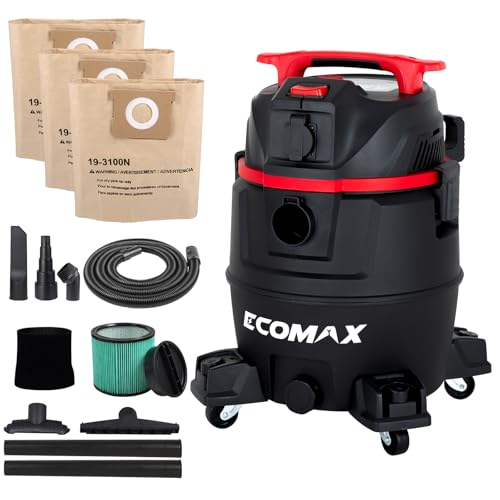


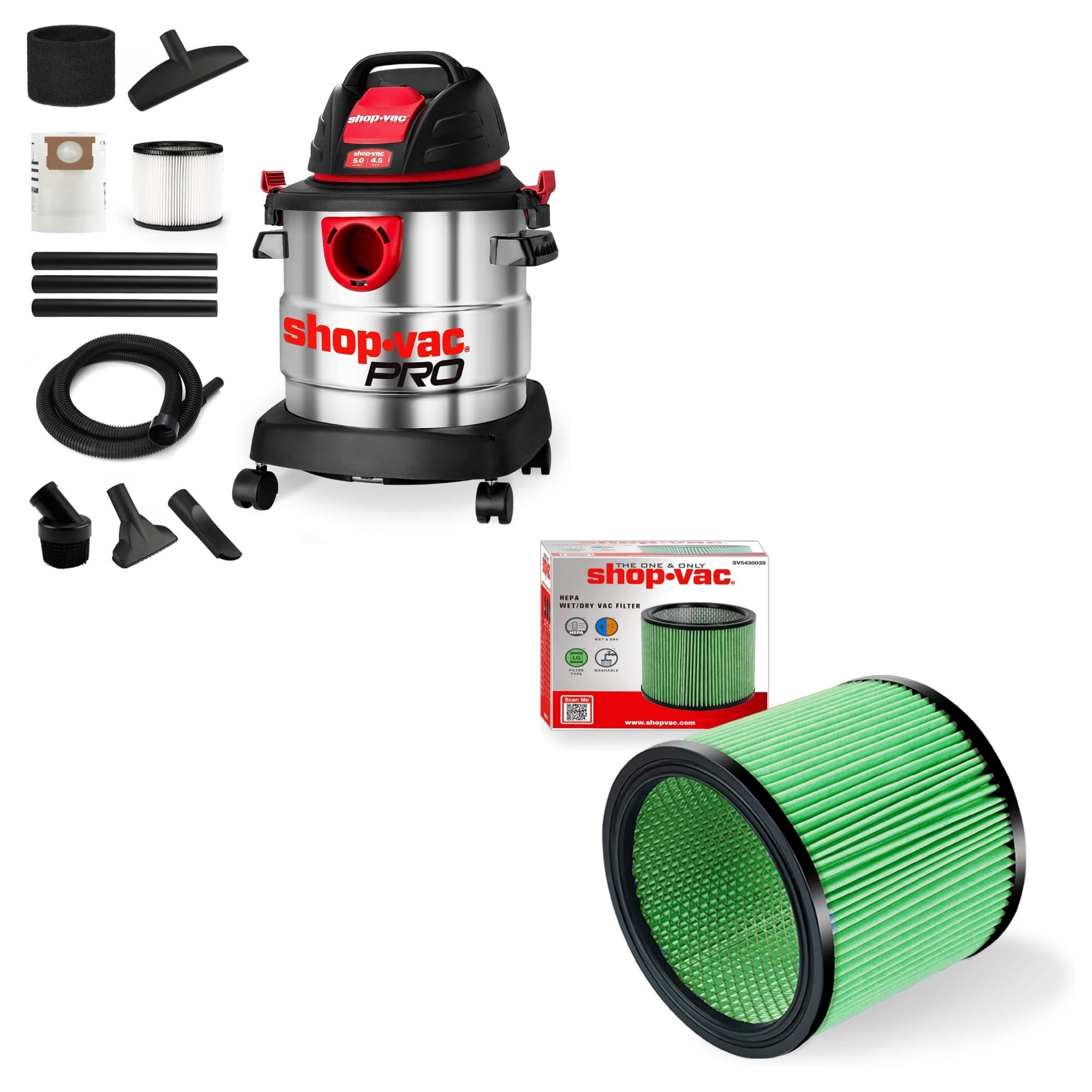
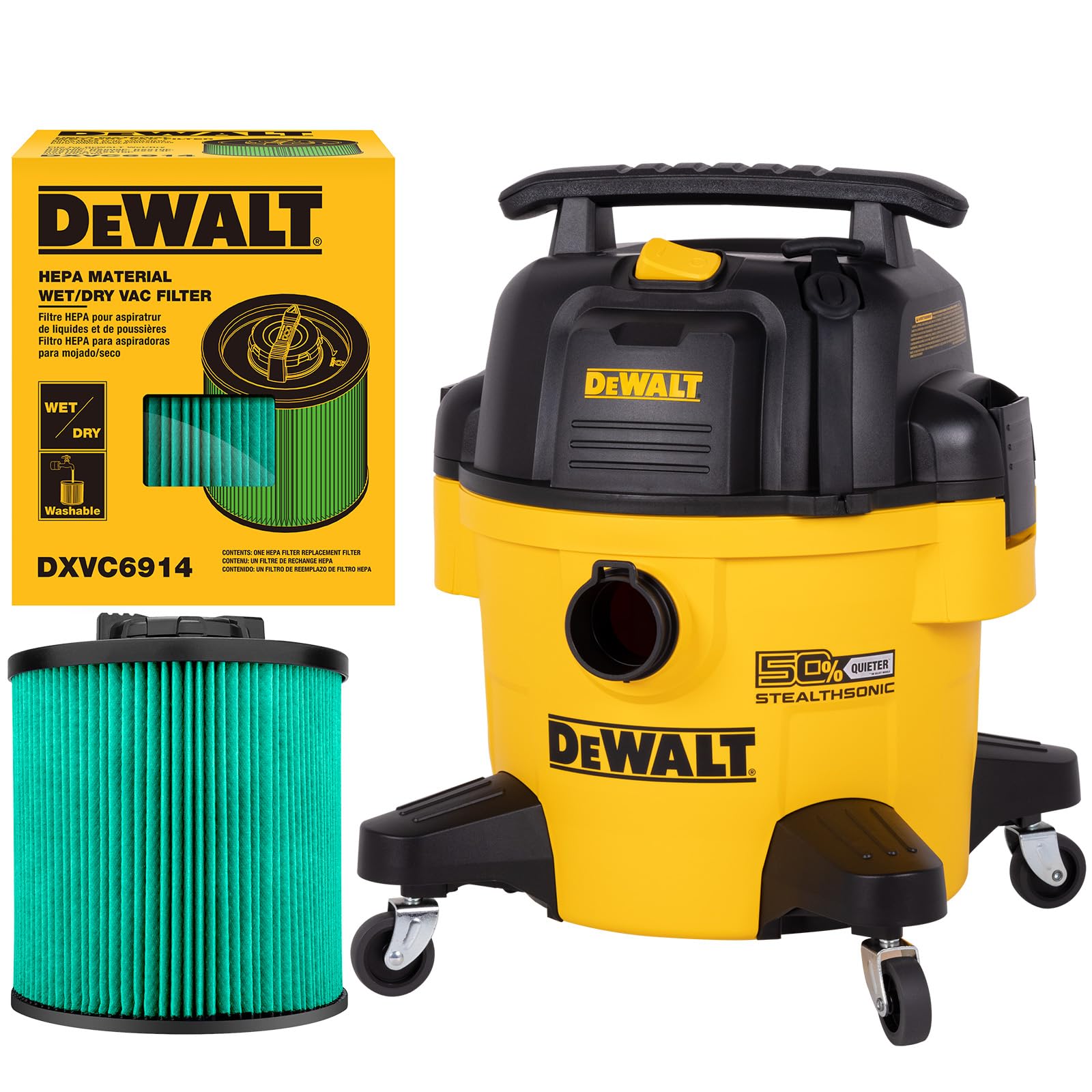
Who Should Buy a Shop Vac With HEPA Filtration?
Renovators Sanding Drywall, Plaster and Wood Fillers
Joint compound and plaster dust are fine enough to pass through a basic cartridge and coat a whole room, which doubles your cleanup time. A sealed HEPA setup captures that dust at the tool or the floor and keeps the exhaust clean enough to work in a lived in home. If you renovate homes built before 1978, read the lead paint note in the features section below, because regulated work calls for certified HEPA vacuums and specific procedures, not just any HEPA labeled machine.
Woodworkers Tired of Fine Dust Everywhere
Sanding and routing produce the finest dust a shop makes, and it settles on tools, projects, and lungs over a whole session. A HEPA filtered vac paired with filter bags pulls that dust in at the sander and keeps the shop air visibly clearer. You will still wear a respirator for heavy sanding, since no vacuum catches everything at the source, but the layer of film on every surface shrinks dramatically.
Households Managing Dust, Dander and Ash
Pet dander, fireplace ash, and the gray dust that pours out of a vacuumed rug are exactly the particles a basic filter misses. A sealed HEPA machine helps keep those particles in the tank instead of back in the room air, which makes cleaning feel finished rather than redistributed. Be clear about the limit, though: a vacuum is a cleaning tool, not a medical device, and it does not treat allergies or asthma. Readers managing a diagnosed respiratory condition should follow their doctor's guidance on home dust control rather than relying on any single appliance.
Key Features to Compare
True HEPA Media Versus HEPA Style Claims
The HEPA standard means the filter media captures at least 99.97 percent of particles at 0.3 microns, the size that slips through filters most easily. Listings blur this with phrases like HEPA type or HEPA style, which describe media that resembles HEPA without meeting the full standard. For drywall dust and general fines, a good HEPA rated cartridge still performs well, but for lead work and the finest dust, look for the full standard stated plainly. The wording on the filter itself matters more than the wording on the box.
A Sealed System, Not Just a Good Filter
Even perfect media fails if dusty air leaks around it. In a sealed system, every path into the machine passes through the filter, with gaskets at the cartridge seat and a lid that closes without gaps. Cheaper setups let a share of air bypass the pleats entirely, so the filter rating never reaches the exhaust. Check how the cartridge seats, whether a gasket is present, and whether the maker describes the unit as a sealed or certified system. This is the single feature that separates real HEPA performance from a HEPA filter dropped into an ordinary vac.
Filter Bags as the First Stage
High efficiency filter bags are not optional extras on a HEPA setup, they are what makes it last. The bag catches the bulk of the dust, so the expensive cartridge only polishes the air and clogs slowly instead of packing solid in one drywall session. Bags also keep emptying clean, since you seal and toss the dust rather than shaking it into a trash can cloud. Price the bags for your tank size before buying, because a machine with cheap cartridges but costly bags can cost more per year than the reverse.
Wet Use Limits and Filter Swaps
Most HEPA cartridges are dry use only, and soaking one ruins the media and can grow mildew inside the pleats. Machines differ in how they handle wet pickup: some ask you to remove the cartridge and fit a foam sleeve, others offer a washable filter rated for both. If you plan to vacuum water often, check the swap process and the price of a second filter, because a HEPA machine that is fussy about liquids will frustrate you. Our hub guide to the best shop vac range shows which classes treat wet work as a core job rather than an exception.
Certification for Lead Paint Renovation Work
Renovation work that disturbs lead paint in older homes falls under rules that require a true HEPA vacuum, and in many cases a certified sealed unit, along with specific work practices. Rules vary by job and location, and paid work on older housing carries legal duties that a buying guide cannot cover. Treat this article as shopping guidance only, check your local and federal requirements before starting, and hire a certified renovator when the rules call for one. A standard shop vac with a HEPA cartridge added is not a substitute for compliance.
Suction Loss as the Filter Loads
Fine filtration loads faster than coarse filtration, so airflow drops as the cartridge fills, and the drop can be steep with drywall dust. Larger pleated cartridges hold more before choking, and bag use slows the process a great deal. Watch for a machine that keeps accessories and bags easy to find, because a HEPA vac you cannot get filters for becomes an ordinary vac the day the cartridge dies. When suction fades mid job, the bag is the first thing to check, not the motor.
Getting Real Filtration From the Setup You Buy
Run the full chain every time: bag fitted correctly, cartridge seated on its gasket, lid latched evenly. A bag torn at the collar or a cartridge seated crooked silently downgrades the whole system. For sanding work, connect the hose to the tool port when the sander offers one, since dust captured at the pad never becomes room dust at all. In tight interiors, a smaller unit from our guide to the best small shop vac models can still carry proper filtration, which suits apartment renovations where storage is tight.
For car interiors full of fine road dust and pet hair, the dedicated setups in our guide to the best shop vac for car detailing pair well with a HEPA cartridge, since the same dust that coats a dashboard is what a basic filter blows back. And if your fine dust work happens in short bursts around the house, the battery models in our roundup of the best cordless shop vac options now include sealed filtration on some classes, which beats dragging a corded tank out for a two minute job.
Common Mistakes to Avoid
- Buying a HEPA style filter and assuming it meets the full HEPA standard for fine dust or lead work.
- Skipping filter bags to save money, which clogs the costly cartridge in a fraction of its service life.
- Vacuuming water with a dry only HEPA cartridge fitted, which ruins the media and breeds mildew.
- Shaking a clogged cartridge clean over a trash can indoors, which dumps the trapped dust back into the room.
- Ignoring a torn bag or a crooked cartridge seat, which lets air bypass the filter entirely.
- Expecting the vacuum to manage a health condition, which no cleaning appliance is designed or approved to do.
How to Make Your HEPA Filtration Last Longer
Change bags before they are packed hard, because an overfilled bag forces dust into the cartridge pleats. Tap the cartridge clean outdoors, downwind, and only as the maker allows, and never wash a filter that is not rated washable. Keep a spare cartridge so the machine never runs with a damp or damaged one, and store filters in a dry place, since humidity swells the media and invites odor. Rinse the foam sleeve after wet jobs and let every part dry fully before reassembly. Handled this way, the sealed system keeps its rating honest and the exhaust stays clean for years.
FAQ
What does HEPA mean on a shop vac?
It means the filter media meets a standard of capturing at least 99.97 percent of particles at 0.3 microns, the hardest size to trap. The label only delivers that result when the machine is sealed, so air cannot slip around the filter. HEPA type or HEPA style wording signals similar looking media that has not met the full standard, which is fine for general dust but not for regulated work.
Is a shop vac with HEPA filtration worth it for home use?
For homes that sand, sweep ash, or battle fine dust, yes, because the exhaust stops re seeding the room you just cleaned. Casual users who mostly vacuum leaves and garage grit gain less, since coarse debris never challenged a basic filter. The honest test is the dust you make: if it hangs in the air and settles as film, HEPA filtration earns its cost.
Can a HEPA shop vac be used for wet pickup?
Only in the configuration the manual allows, which usually means removing the HEPA cartridge and fitting a foam sleeve before liquids. Some washable filters are rated for both, but they must dry completely before dry fine dust work resumes. When in doubt, treat the HEPA element as dry only, because a soaked cartridge loses its rating and its airflow together.
How often do HEPA filters and bags need replacing?
Bags go out with every fill, which for dusty work can mean one per session, while the cartridge lasts months to over a year when bags do the heavy lifting. Replace the cartridge when suction stays low after cleaning, when the media smells musty, or when you spot tears or crushed pleats. Keeping one spare on the shelf prevents the temptation to run the machine unfiltered.
Does a HEPA shop vac help with allergies?
It reduces the fine dust a vacuum returns to the room, which supports a cleaner home routine, but it is not a treatment and makes no medical promise. People with allergies or asthma should build their plan with their doctor, where cleaning habits are one part of a wider picture. What the machine can honestly claim is cleaner exhaust air during the jobs it was bought for.
Final Thoughts
Filtration is a system, not a sticker: full standard media, a sealed housing, and bags doing the first stage of work. Verify those three, respect the wet use limits, and the best shop vac with hepa filter for your projects will keep fine dust in the tank where it belongs. Look back at the product table above to compare current models, and choose the setup whose replacement filters and bags you can actually keep in stock.


