
Best Shop Vacs for Drywall Dust (2026): What Actually Traps the Dust
Disclosure: We may earn a commission when you buy through links on this page, at no extra cost to you. As an Amazon Associate I earn from qualifying purchases. Learn more

Choose the best shop vac for drywall dust with fine filter bags, the right hose and tank size, plus setup steps and mistakes that clog filters.
Sanding one patched wall can coat an entire room in a film of white dust so fine it hangs in the air and settles for days. A household vacuum chokes on it within minutes, and its filter passes much of the finest fraction straight back into the room. The best shop vac for drywall dust is not simply the strongest shop vac: it is the one set up with fine filtration bags and a filter that can survive gypsum dust without blinding over.
Drywall dust behaves differently from sawdust or gravel, and the setup matters as much as the machine. This guide explains who needs which size, the filtration stack that actually works, and how to run the vac during sanding so the dust goes into the tank instead of your lungs. The product table below lists current models across the main size classes.
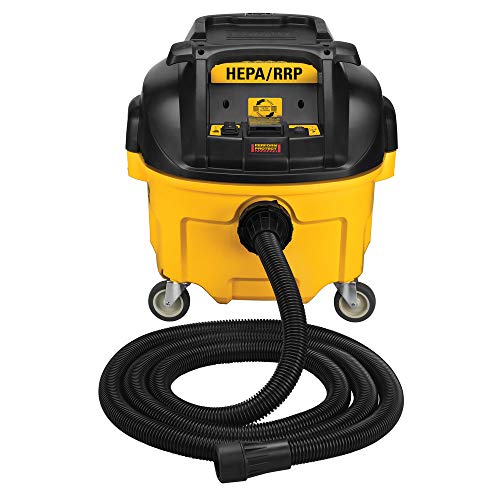

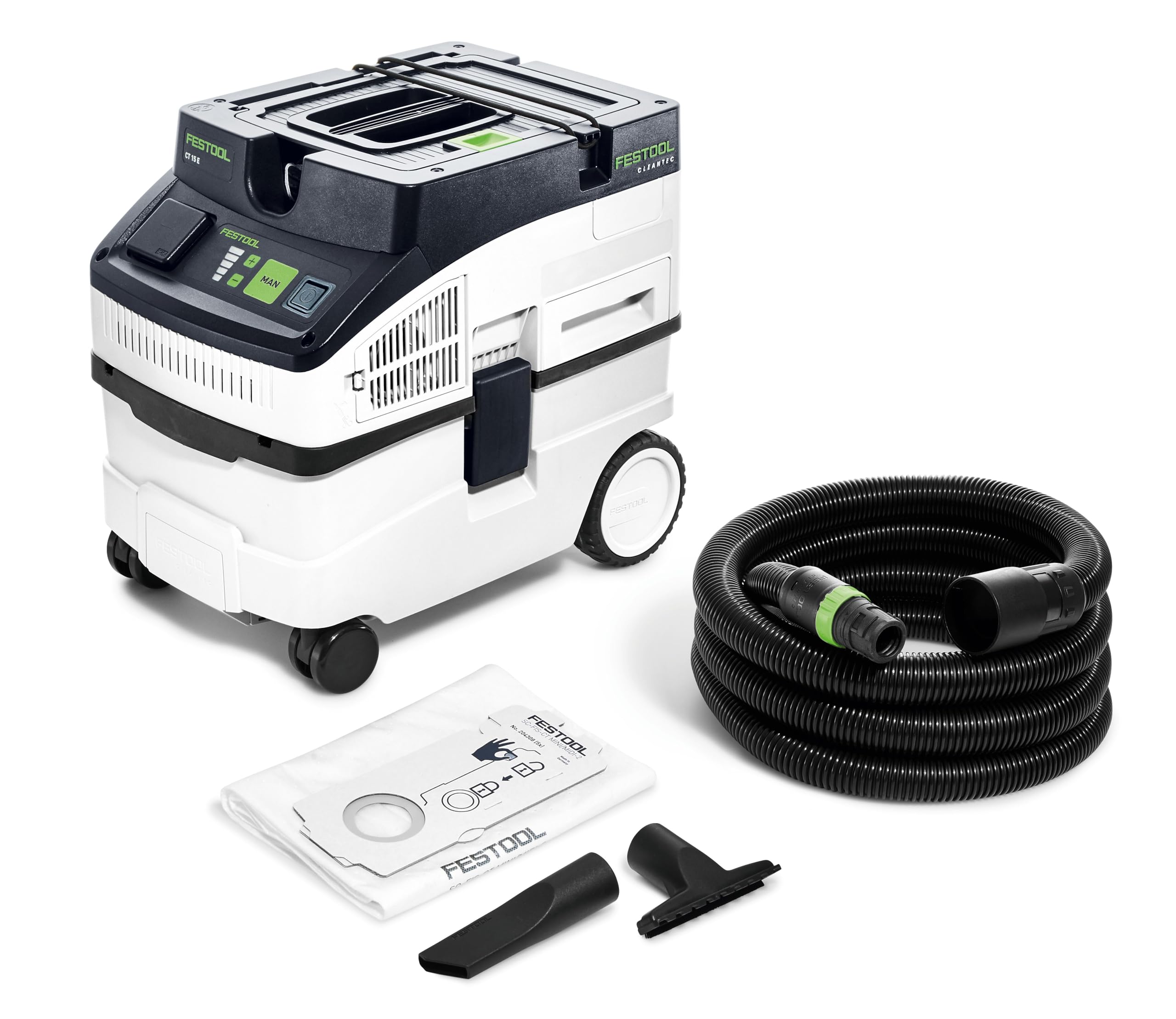


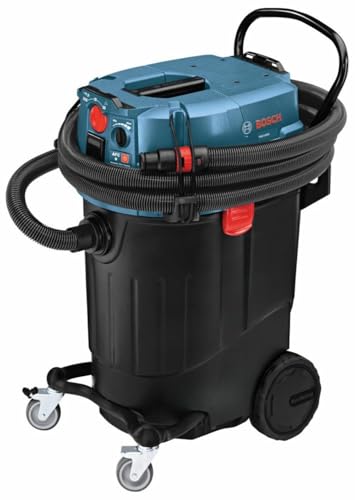
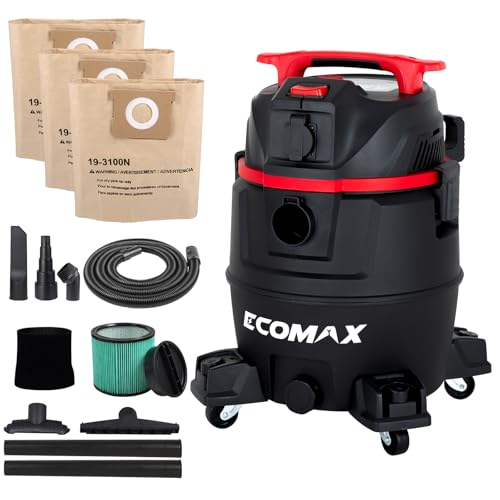
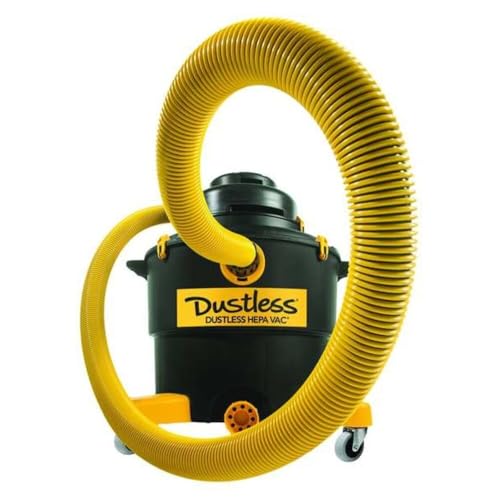
Who Should Buy Which Shop Vac for Drywall Dust?
DIY renovators patching and sanding one or two rooms
A mid size tank, about 5 to 9 gallons, balances capacity against the reality of carrying the vac up stairs and emptying fine dust safely. You will sand in bursts, so the priority is a vac that pairs with your sander's dust port and starts fast. Buy the fine dust filter bags from day one; they are not an optional extra for this job. A smaller vac with the right bags outperforms a giant vac with a bare cartridge filter every single time on drywall.
Contractors and drywall finishers sanding daily
Daily sanding justifies a larger tank, 12 to 16 gallons, a stronger motor and a filter system built for constant fine dust loading. Bag costs become a line item, so look at bag price and availability as carefully as the vac price. Pros also benefit from a longer hose that lets the vac sit outside the room being sanded, which keeps its exhaust and your workspace further apart. Our general guide to the best shop vac range covers the heavy duty class across brands.
Homeowners cleaning up after a renovation
If the sanding is done and the dust has already settled everywhere, your job is methodical cleanup rather than dust capture at the source. A mid size vac with a floor brush, a crevice tool and fresh fine bags will work through floors, window tracks and vents. Work top down, from shelves to sills to floors, and empty or swap the bag before it feels heavy, because settled dust compacts and a packed bag sheds dust back into the air when you move the vac.
Key Features to Compare
Fine filtration bags: the first line of defense
For drywall dust, the bag is the system. Fine filtration bags rated for drywall and fine dust catch the gypsum before it reaches the cartridge filter, which keeps suction steady through a whole room instead of fading after ten minutes. They also make disposal cleaner, since the bag seals the dust in when you pull it out. Budget bags as a consumable: a room sized sanding job can fill one, and forcing a packed bag to keep working is false economy that costs you a cartridge filter instead. If a vac cannot take fine dust bags, cross it off the drywall list no matter how strong its motor is. That one requirement does more to define the best shop vac for drywall dust than any motor rating printed on the box.
Cartridge filter type and cleaning
Behind the bag sits a pleated cartridge filter. Standard filters handle general debris, while fine dust and HEPA rated cartridges trap a smaller fraction and suit finish work in occupied homes. Even the best cartridge blinds over eventually under drywall load, showing up as a slow suction fade. Choose a vac whose filter removes without tools so you can tap it clean outdoors, and keep a spare cartridge so a wash day never stops the job. Never wash a cartridge that the maker rates as dry only, and let any washable filter dry fully before it goes back in.
Suction: CFM versus sealed pressure
Two numbers describe shop vac power. CFM measures airflow volume and decides how well the vac pulls dust through a sander hose and across a floor tool. Sealed pressure, quoted in inches of water lift, describes pulling strength against resistance, which matters with long hoses and clogged filters. For drywall work with a sander attached, healthy CFM through a narrow hose matters more than headline horsepower, a figure that is measured in a way that flatters every brand. A mid range motor with clean filtration will out clean a bigger motor choking on a blinded filter.
Hose diameter and sander connection
Drywall sanders and detail sanders use small dust ports, usually matched by a 1.25 inch hose or an adapter on a standard 2.5 inch hose. The narrow hose is lighter overhead and at the wall, which matters when you sand ceilings and high seams. Check what adapters the vac includes, because a loose sander connection leaks dust at exactly the point you are trying to capture it. A locking hose connection is worth having too: a hose that pops off mid pass dumps its collected dust back onto the floor in one grey puff.
Tank size and mobility
Tank ratings overstate usable volume, since the fill line sits well below the rim. For drywall dust, a 5 to 9 gallon tank suits most home projects and stays liftable when loaded, while bigger tanks earn their size on multi room jobs. Wide stance casters matter more than buyers expect, because a vac that tips when the hose tugs will spill its dust load at the worst moment. If the vac will live in a garage between projects, compact models in our guide to the best small shop vac options may serve better than a contractor sized drum.
Wet pickup and the foam sleeve
Most shop vacs also pick up water after you swap to a foam sleeve, and renovation work does involve spills and damp mopping water. That dual role is handy, but discipline matters: never run drywall dust through a wet filter setup or water through the paper cartridge, since gypsum turns to paste and ruins both. Keep the two configurations separate, label them if you must, and dry the tank before dry dust duty resumes. Battery models exist too, and our guide to the best cordless shop vac range explains where they make sense for short sanding sessions without a cord.
Setting Up a Shop Vac for Drywall Sanding
Fit a fresh fine dust bag first, then check the cartridge behind it. Connect the sander with the snuggest adapter you have and run a test pass on a small section: if dust escapes visibly at the sanding head, the connection or the bag is wrong, not the suction. Keep the vac outside the doorway when the hose allows, and close the room door to contain what escapes. Wear a properly fitted respirator rated for fine dust and sealed eye protection while sanding, because no vacuum captures everything at the source, and take particular care in older homes where joint compounds and textures can contain hazardous materials that call for professional assessment before you disturb them. When the job ends, seal the bag before removing it, wipe the vac exterior with a damp cloth, and shower the dust out of your hair before it travels through the house. If the same vac also serves your car, swap in a clean filter first, and the detailing advice in our best shop vac for car detailing guide assumes exactly that fresh start.
Common Mistakes to Avoid
- Running drywall dust with no filter bag, so the cartridge blinds within minutes and suction collapses.
- Using a household vacuum for sanding dust, which destroys its filter and blows fine dust through the exhaust.
- Shaking a clogged cartridge clean indoors, undoing an hour of careful dust containment in one cloud.
- Sanding without a respirator because the vac is attached, when capture at the head is never complete.
- Overfilling the bag until it bursts inside the tank, coating every internal surface with gypsum paste dust.
- Storing the vac with a dust loaded bag inside, so the next job starts with half its capacity already gone.
How to Make Your Shop Vac Last Longer on Drywall Work
Treat bags and cartridges as a matched pair and replace them together when suction fades despite a clean tank. Tap the cartridge clean outdoors after each sanding day, and wash it only if the manufacturer allows it, drying it fully afterward. Coil the hose without kinks, since a crushed hose section whistles, leaks dust and strains the motor. Keep the float valve and lid seal clean so the vac shuts off properly during any wet pickup. Stored dry, with a fresh bag fitted and ready, the vac will greet the next patch job as a tool rather than a project.
FAQ
Is a shop vac worth it for drywall dust?
Yes, because drywall sanding is one of the jobs that ruins household vacuums fastest, and a shop vac with fine dust bags is the standard way to control it. The same machine then serves garage and renovation cleanup for years. If you only ever patch one small hole, a damp sponge sanding method avoids most dust without any vacuum at all, which is worth knowing before you buy.
What should I look for in a shop vac for drywall dust?
Start with fine filtration bag compatibility, then a fine dust or HEPA rated cartridge, then a hose that fits your sander's port without sloppy adapters. Tank size comes after filtration, not before it. Finally check bag prices and stock, because a vac whose bags are hard to find will be run bagless by someone, someday, with predictable results.
How do you clean a shop vac after drywall work?
Seal and remove the bag outdoors if you can, then tap the cartridge clean into a bin while wearing your respirator. Wipe the tank with a damp cloth to catch the settled film, and let everything dry before reassembly. Check the hose for a dust cake near the cuff, which narrows it over time. Store the vac with a fresh bag installed so it is ready without a setup delay.
How long does a shop vac last?
A shop vac in home renovation service typically lasts seven to ten years, with hoses, filters and casters as the wear items along the way. Fine dust is abrasive, so machines fed a steady diet of it age faster unless the bag discipline in this guide is followed. When suction fades, replace the cartridge before blaming the motor; in most cases the motor was never the problem.
Final Thoughts
Filtration first, size second: that order decides whether drywall dust stays a controlled chore or becomes a whole house film. Fit the fine bags, connect the sander snugly, protect your lungs, and even ceiling seams become manageable. Match your project scale against the classes in the product table above, and the best shop vac for drywall dust for your renovation will be the one whose filter setup you are willing to maintain.


