
Best Shop Vac With Detachable Blower for 2026: A Complete Buying Guide
Disclosure: We may earn a commission when you buy through links on this page, at no extra cost to you. As an Amazon Associate I earn from qualifying purchases. Learn more

Compare shop vacs with a detachable blower by blowing speed, suction, tank size and conversion steps. A buying guide for two in one garage cleanup.
Leaves pile up against the garage door, sawdust settles into every corner of the workbench, and then the same afternoon brings a spilled bag of soil that needs vacuuming. The best shop vac with detachable blower is built for exactly this shuffle: the motor unit lifts off the tank, clicks onto a blower tube, and clears hard surfaces in minutes, then goes back to vacuum duty. This guide explains how blower output, conversion design and vacuum performance differ across this category so you can judge the two in one value honestly.
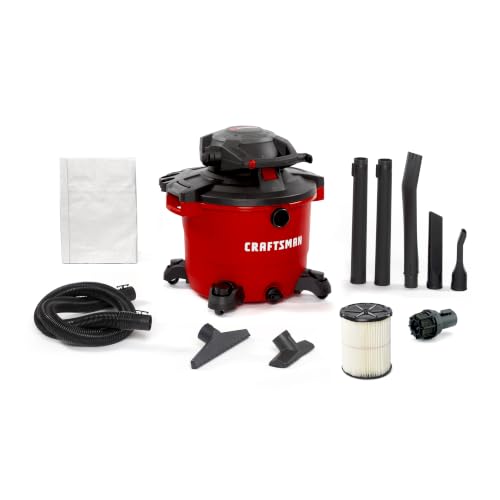
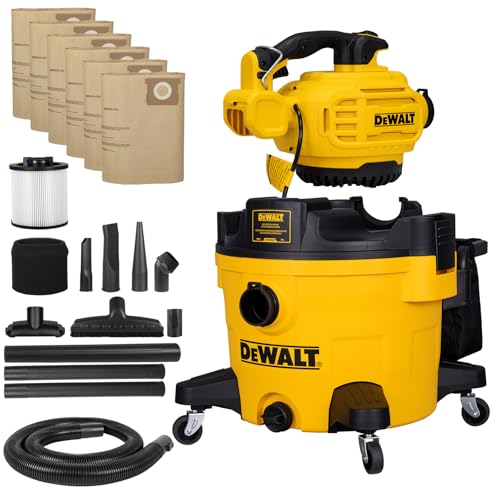
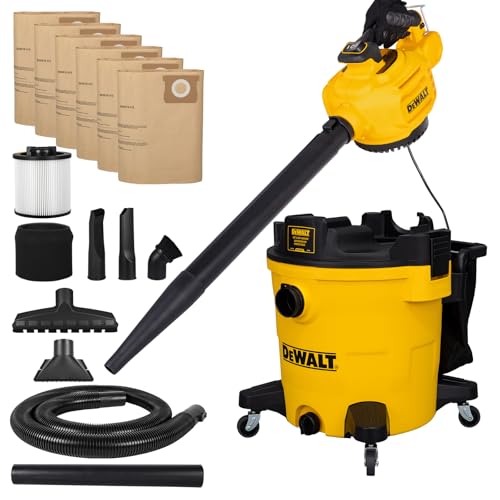
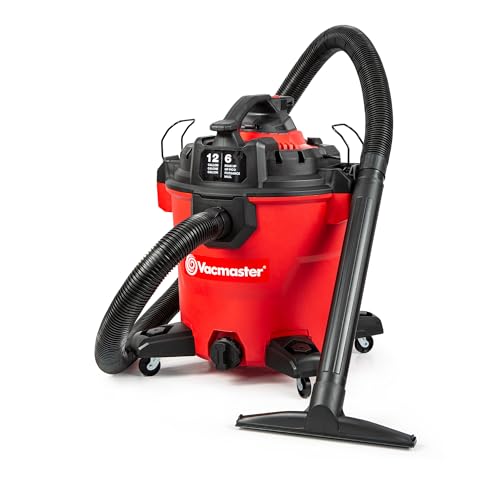
The sections below cover who benefits most from the detachable design, the features that separate a useful blower from a weak add on, and the safety and care habits that keep both jobs working well. The product table below lists current models, and the notes after it explain the tradeoffs behind them.



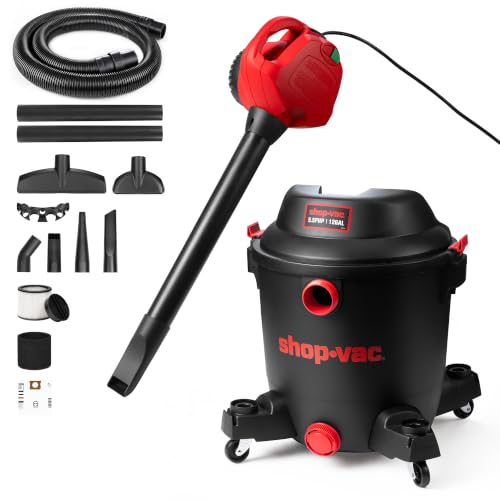
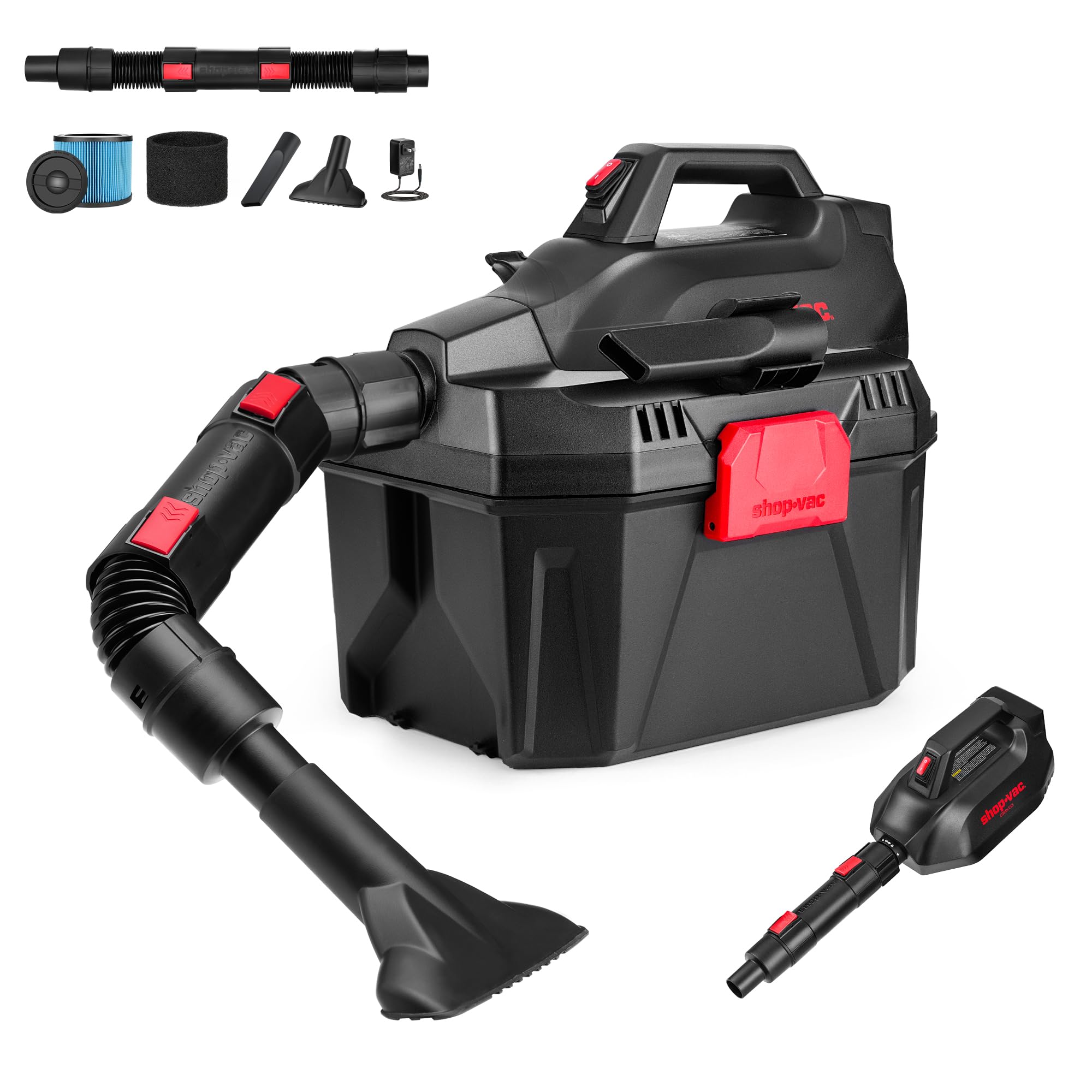
Who Should Buy a Shop Vac With a Detachable Blower?
Homeowners Who Clear Patios, Driveways and Garage Floors
If your outdoor cleanup is mostly blowing leaves, grass clippings and grit off hard surfaces, a detachable blower covers it without a second machine taking up shelf space. The blower walks the debris line to the lawn or a pile, and the vacuum then handles the corners and the inside of the garage. Homes with long driveways or heavy fall leaf loads may still want a dedicated blower, but for typical suburban hard surfaces this combination is enough.
Workshop Users Who Blow Out Sawdust and Debris
Blowing sawdust off tools, out of cabinet carcasses and from under benches is faster than chasing it with a brush, and the vacuum then collects what settles. A detachable blower with a concentrator nozzle reaches into equipment and corners well. If blowing is a rare task for you, the wider range in our guide to the best shop vac shows plain vacuum models that put the whole budget into suction and filtration instead.
Car Owners Who Wash and Dry Their Own Vehicles
A focused stream of air pushes water out of mirrors, badges, door jambs and wheel spokes, where towels leave drips that streak paint later. The same machine then vacuums the interior, which makes it a tidy one tool routine for a driveway wash. For interiors that need fine crevice tools and gentler accessories above all else, our guide to the best shop vac for car detailing covers machines chosen for that single job.
Key Features to Compare
Blower Output and Speed Control
Blower strength is described in miles per hour and, more usefully, in CFM of air moved. Detachable blower units commonly reach speeds around 170 to 260 miles per hour at the nozzle, which is plenty for dry leaves on concrete but slower work on wet mats of leaves. A variable speed trigger or dial helps when you need a gentle stream that will not scatter mulch or gravel. Judge the blower on the air it delivers at the nozzle with the concentrator fitted, not on the motor rating alone, and expect wet debris to need a rake first.
How the Blower Detaches and Reattaches
The conversion should take seconds and no tools: release a latch or two, lift the motor head off the tank, and lock it onto the blower base or tube. Designs that keep a proper handle on the motor unit are far more comfortable for a full driveway session than ones you grip by the housing. Check that the latch feels solid, because a loose head vibrates and leaks air in vacuum mode too. If family members will share the machine, an obvious, glove friendly latch means the blower actually gets used instead of skipped.
Vacuum Suction and Tank Size
The detachable feature should not cost you vacuum performance. Look for airflow and sealed suction figures in the same range as plain models of the same tank size, since the tank, hose and filter do most of the real work. Tanks in this category usually run from about 10 to 16 gallons, big enough for garage and yard debris. A smaller home that mostly blows a patio and vacuums one car may prefer the lighter machines in our guide to the best small shop vac, where the blower is a bonus rather than the main event.
Hose, Tube and Attachment Set
You need two kits in one box: vacuum hose, extension wands and floor nozzles for suction work, plus blower tubes and a concentrator for blowing. Locking connections matter on both sides, because a blower tube that pops off under pressure is a common frustration. A gutter or utility nozzle adds value for workshop users. Check whether the blower tube stores on the machine, since a loose tube that lives in a corner tends to get lost. Replacement tubes and filters should be easy to find for the brand you choose.
Filtration for Fine Dust
Blower duty does not change the vacuum side: a pleated cartridge filter for dry debris, filter bags for fine dust, and a foam sleeve for wet pickup. Fine sawdust from sanding deserves bags plus a fine dust rated cartridge so the exhaust stays clean. Remember that the same motor cools itself with the air it moves, so a clogged filter stresses it in both modes. Confirm the cartridge size and bag fit before buying spares, because fittings vary between brands and even between tank sizes in one brand.
Cord Length and Working Radius
Most detachable blower models are corded, and the cord limits your blowing range to the reach of an outdoor outlet plus the cord length, often around 18 to 20 feet of working radius with the tube. That covers a garage and the apron in front of it, but not a long driveway. If your cleanup regularly runs far from the house, our guide to the best cordless shop vac explains the runtime tradeoff of battery models. For corded use outdoors, plug into a GFCI protected outlet and keep the connection off wet ground.
Using the Detachable Blower Safely Around the Yard
Wear eye protection whenever you blow, because the airstream kicks grit and small stones back at shin and face height. Never point the tube at people or pets, and stop when someone walks into the work area. Work from the house outward so debris moves away from doors, and avoid blowing on windy days when you cannot control where dust lands. Keep the vacuum body on dry ground during wet cleanup, handle plugs with dry hands, and let the motor cool between a long blowing session and heavy vacuum work on a hot day.
What a Detachable Blower Model Costs to Own
Two in one models usually sell for around $120 to $220, a modest step above a plain vacuum of the same size. The blower side adds almost no running cost beyond an occasional replacement tube, while the vacuum side uses the usual bags and cartridge filters, roughly around $30 to $50 a year for an active garage. Compare that with buying a separate handheld blower, and the detachable design usually wins on both price and storage space for moderate yard work.
Common Mistakes to Avoid
- Blowing debris into the street or a neighbor's yard instead of onto your own lawn or into a pile, which just moves the cleanup problem.
- Running the blower at full speed around loose mulch and gravel, which scatters landscaping material into the grass.
- Forgetting to reinstall the cartridge filter after wet pickup, which sends the next load of dry dust straight through the motor area.
- Storing the motor head unlatched on the tank, which lets it tip off and crack the housing or the latch.
- Blowing leaves while they are soaked and matted, which wastes time the vacuum or a rake would finish faster.
How to Make Your Shop Vac and Blower Last Longer
Blow out or rinse the cartridge filter regularly, since the motor works in both modes and a clogged filter overheats it either way. Rinse the blower tube and concentrator when they cake with wet grit, and check the latch and hinges for cracks each season. Empty and dry the tank after wet jobs, store the machine with the head latched and the cord loosely coiled, and keep spare bags on hand so you are never tempted to run fine dust without one. A quick wipe of the tank rim seal keeps suction strong.
FAQ
How powerful is the blower on a shop vac with a detachable blower?
Powerful enough for the jobs it is designed for: dry leaves, grass clippings and sawdust on hard surfaces. Nozzle speeds in this category are commonly listed around 170 to 260 miles per hour, similar to entry level handheld blowers. It moves loose debris quickly, but it will not match a dedicated backpack blower on deep, wet leaf cover across a large lawn. For patios, garages and driveways, most owners find it sufficient.
Can a detachable blower replace a separate leaf blower?
For small to medium yards with mostly hard surface cleanup, yes, and you save the cost and storage of a second machine. The limits are range and endurance: the cord tethers you to an outlet, and the tube and handle are less ergonomic over a long session. Properties with big lawns, heavy leaf fall or long driveways usually still justify a dedicated blower, while the detachable unit handles everything near the house.
Does removing the blower change the vacuum suction?
No. In vacuum mode the motor head sits on the tank exactly like a standard shop vac, and suction depends on the motor, hose and filter condition, not on the blower feature. Suction only drops if the head is not latched down fully or the rim seal is dirty, both easy to check. If performance feels weak, clean the filter and confirm the latch clicks before assuming the machine is at fault.
Can the detachable blower clear wet leaves?
It can move damp leaves on concrete slowly, but soaked, matted leaves resist any blower of this size. A practical approach is to rake or vacuum the worst mats first, then blow the remaining loose layer into a pile. Letting leaves dry for a few hours after rain makes the blower far more effective. Avoid blowing standing water toward the vacuum or its cord connection.
What attachments should come with a detachable blower shop vac?
Expect a vacuum hose with extension wands, a utility nozzle and a crevice tool, plus blower tubes and a concentrator nozzle. A floor brush and a wet nozzle round out a useful kit. The concentrator is the piece that makes blowing precise, so confirm it is included rather than sold separately. Onboard storage for both sets keeps the two in one promise real instead of theoretical.
Final Thoughts
Weigh the blower honestly against your yard: if most of your blowing happens on hard surfaces near the house, the two in one design earns its place, and the product table above shows how the main configurations balance tank size and blower output. The best shop vac with detachable blower for your garage is the one that converts in seconds, keeps full vacuum manners, and uses filters you can replace cheaply for years.


