
Best Enzyme Cleaners for Carpet in 2026: A Buying Guide
Disclosure: We may earn a commission when you buy through links on this page, at no extra cost to you. As an Amazon Associate I earn from qualifying purchases. Learn more

Choose the best enzyme cleaner for carpet by comparing formulas for urine and organic stains, dwell time, fiber safety and safe use around kids and pets.
A pet accident on carpet is really two problems: the visible stain and the odor soaked into the pad beneath it. Ordinary cleaners handle the surface and mask the smell for a day, then the odor returns on the first humid afternoon because the urine crystals and organic residue were never actually removed. Enzyme cleaners work differently: live cultures and enzymes digest that residue at the source. The products vary widely in strength, format, and safety profile, so this guide explains how to choose the best enzyme cleaner for carpet for your stains, your fibers, and your household.
Success with these products is mostly technique, so the guide covers dwell time and saturation as carefully as formula types. Our category wide guide to the best enzyme cleaner products places carpet formulas among the versions made for laundry, drains, and hard floors.


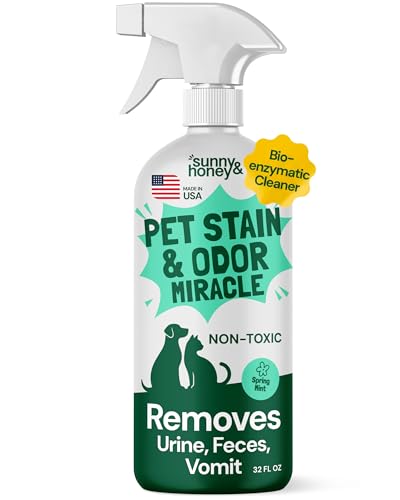
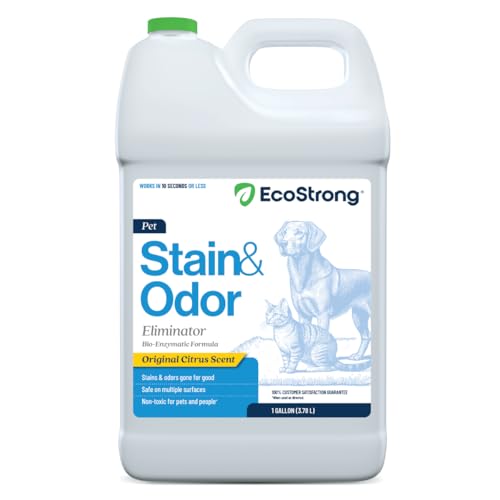
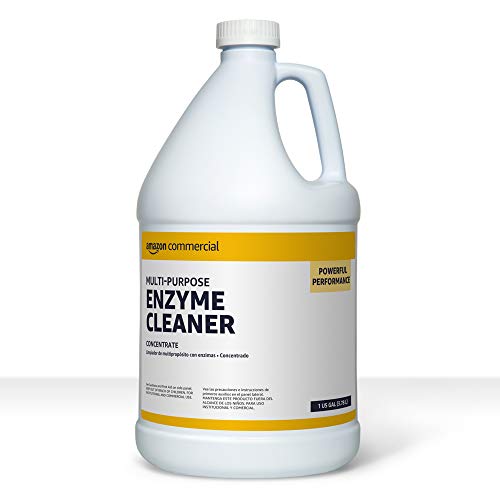

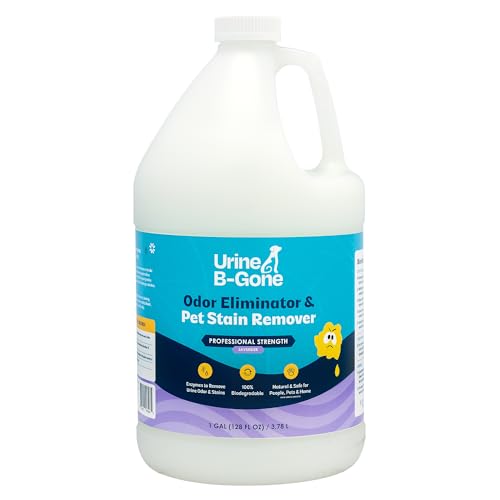

Who Should Buy Which Enzyme Cleaner for Carpet?
Cat Owners Dealing With Urine Outside the Litter Box
Cat urine is the hardest common carpet problem: it is concentrated, it carries potent odor compounds, and cats return to any spot they can still smell. You need a formula made specifically for feline urine, applied with real saturation, because a light surface spray cannot reach what soaked to the pad. The dedicated guide to the best enzyme cleaner for cat urine compares the feline specific formulas, which are the right starting point when the offender is a cat rather than a dog.
Dog Owners Handling Accidents, Vomit, and Mud Season
Dog messes spread wider and happen more often, from puppy training accidents to stomach upsets on the living room rug. A versatile dog rated formula in a large bottle or a concentrate you dilute yourself fits this pattern, because you will treat bigger areas more frequently. The guide to the best enzyme cleaner for dog urine covers the dog focused options, including the stronger outdoor and yard sprays some owners pair with indoor treatment.
Households Treating Old or Mystery Stains
Old stains are the honest hard case. Enzymes work best on residue that is still organic and reachable, and a stain that has been in the pad for a year, or one previously treated with bleach or heavy detergent, may respond slowly or partially. Choose a high strength formula, plan on two or three saturated treatments with long dwell times, and set expectations accordingly. A black light torch, a cheap and genuinely useful tool, shows you the true borders of an old accident so you treat the whole zone instead of the visible center.
Key Features to Compare
Enzyme Blend and Live Cultures
Labels describe two related technologies: enzymes that break specific bonds in proteins, starches, and fats, and bacterial cultures that produce those enzymes continuously while they feed on the residue. Culture based products keep working for hours during the dwell, which is why their instructions insist on keeping the spot damp. Formulas list targets differently, so match the stated purpose to your mess: a urine specialist for urine, a general organic formula for food and vomit. Products coy about what they digest, beyond general freshness language, are usually the weak end of the shelf.
Saturation Reach and Dwell Time
The single biggest performance factor is not in the bottle at all; it is whether the solution reaches as deep as the urine did. Carpet pile is the top layer of a system that includes backing and pad, and a spray that wets only the pile treats a third of the problem. Good products instruct you to saturate generously, cover the area with a damp towel or plastic to slow evaporation, and wait anywhere from several hours to a full day. Choose bottle sizes and sprayer designs that make true saturation affordable, because skimping on volume is the most common reason these cleaners get blamed for failing.
Spray, Pour, and Concentrate Formats
Ready to use sprays are the convenient default for single accidents and small rugs. Pour bottles suit large areas where you need volume fast. Concentrates you dilute in your own sprayer cut the cost per treatment dramatically and reduce plastic, at the cost of mixing discipline: too weak and the cultures underperform, too strong and you waste product without gaining speed. Multi pet and large homes usually land on concentrate for routine work with one ready to use bottle kept mixed for the two in the morning emergency, which is a practical split.
Carpet Fiber and Color Safety
Most enzyme cleaners are safe on synthetic carpet fibers such as nylon and polyester, the bulk of home carpet. Natural fibers ask for care: wool and silk can be damaged by some enzyme blends, particularly protein digesting ones, and labels often exclude them. Dyed and delicate rugs deserve a colorfastness test in a hidden corner, left for the full dwell time, before you commit to a soaked treatment. Also confirm the formula is safe for use in or around carpet cleaning machines if you plan to extract afterward, since some products foam excessively in machine tanks.
Scent Profile and Residue
These products scent themselves two ways: a light fragrance that fades, or strong perfumes meant to signal cleanliness. Heavy fragrance is a mixed blessing, because it can mask whether the treatment actually worked, and many cats and dogs dislike strong scented spots enough to remark nearby instead. Residue matters too: a formula that leaves a sticky film attracts new dirt to the exact patch you treated. Better products rinse or extract cleanly and leave the pile texture unchanged. If a treated spot turns gray faster than the surrounding carpet in the following weeks, residue is the reason.
Safety Around Children and Pets
Enzyme cleaners are among the gentler chemical tools in the house, but gentle is not the same as careless. Keep children and pets off the treated area until it has dried completely, both for their sake and because paws and knees wick the solution out before it finishes working. Store bottles locked or on a high shelf away from children and pets, read each label before use, and ventilate the room during long dwell treatments. Never mix an enzyme cleaner with bleach or strong disinfectants in the same session, because those chemicals kill the cultures and can release harmful gases when bleach meets acidic or ammonia based products. If a child or pet ingests cleaner or shows distress after contact, contact a doctor, veterinarian, or poison control promptly rather than waiting.
How to Treat a Carpet Accident So the Cleaner Can Work
Blot fresh accidents first with plain towels, pressing and standing on the stack to pull moisture from the pad, and never scrub, which spreads the stain and frays the pile. Remove any solids, then saturate the full zone, extending past the visible edge, because urine spreads wider in the pad than on the surface. Cover the area to keep it damp, wait the label's full dwell time, then blot again or extract with a machine. Let it dry completely before judging the result, since odor often fades only at full dryness, and repeat the treatment on old stains rather than doubling chemicals in one session.
Common Mistakes to Avoid
- Spraying a light mist over a urine spot, which wets only the pile while the pad below keeps the odor fully stocked.
- Using bleach or a strong disinfectant on the stain first, which kills the enzyme cultures and can set the stain permanently.
- Rushing the dwell time and drying the spot with a fan in the first hour, ending the cultures' work before it starts.
- Treating only the visible stain edges, while the urine has spread through the pad well beyond the surface edge.
- Judging the result while the carpet is still damp, then overtreating or giving up just before the odor would have cleared.
- Using a protein digesting formula on a wool rug without checking the label, damaging the very fibers you meant to save.
How to Store and Handle Enzyme Cleaner So It Stays Effective
Live culture products are perishable in a way sprays are not. Store them at room temperature, out of garages that freeze in winter or bake in summer, because temperature extremes kill the cultures and leave you spraying scented water. Keep the cap tight, note the purchase date on the bottle, and treat shelf life seriously: formulas lose potency over time, and an old bottle that suddenly stops working is usually just expired. Small households should buy smaller bottles they will finish, since a fresh small bottle outperforms a stale gallon. As with all cleaning chemicals, store locked away from children and pets, and keep the original label so directions and warnings stay with the product.
FAQ
How long does an enzyme cleaner keep working after application?
The cultures stay active while the treated area remains damp and they still have residue to feed on, which is why instructions ask for hours of dwell under a cover. Once the spot dries fully, activity stops, and any remaining odor means residue remains for a second treatment. This is also why one thorough saturated application outperforms three quick sprays across a day: each quick spray dries before the deep work finishes.
Is an enzyme cleaner worth it compared with regular carpet shampoo?
For organic stains and odors, yes, because the two products do different jobs. Shampoo lifts surface soil and improves appearance, but it cannot digest the urine compounds in the pad, so odor returns. Enzyme treatment removes the source itself. Many households use both in sequence: enzyme treatment first for the biological problem, then a machine extraction later for general appearance. For plain tracked in dirt with no organic stain, shampoo alone is enough and enzymes add nothing.
Why does the urine smell come back after treating?
Three causes explain nearly every comeback. The treatment never reached the deepest residue, usually from under saturating. The dwell ended early because the spot dried too fast. Or a previous cleaner, especially bleach, neutralized the enzymes on contact. Old stains add a fourth: the residue is partly in the subfloor or tack strip, beyond any surface treatment's reach. Repeating a properly saturated treatment fixes the first three; the fourth needs the carpet lifted and the layers beneath treated, the same approach used for mattresses in our guide to the best enzyme cleaner for mattress care.
Can you use an enzyme cleaner in a carpet cleaning machine?
Only if the label says so. Some formulas are designed as pretreatments to be extracted later, and a few are made for machine tanks, but many foam too much or lose potency in hot machine water, since high heat kills the cultures. The reliable pattern is to treat with the enzyme product by hand, give it the full dwell, then extract with plain water or the machine maker's own rinse. Check both labels before improvising, because the machine's warranty and the cleaner's cultures are both at stake.
Is enzyme cleaner safe to use on furniture and mattresses too?
Generally yes on washable fabrics, with the same rules: check the label for the surface, try a hidden spot for colorfastness, and saturate to the depth the mess reached. Upholstery foam and mattress layers hold accidents deep, so expect longer dwell and repeat treatments. Keep kids and pets off the piece until it is fully dry, and ventilate the room while it dries. Products carry surface lists for a reason, so when a label excludes a fabric, believe it.
Final Thoughts
The product table above groups the formats, so match formula target and bottle size to your typical accident before anything else. Finding the best enzyme cleaner for carpet in your home comes down to an honest match among the mess, the fiber, and your willingness to saturate and wait. Give a good formula the depth and dwell time it asks for and it will do what surface cleaners never could: end the odor at its source. Prices and availability can change, so check the product page before ordering.


