
Best Air Purifier With Air Quality Sensor (2026): What the Readings Really Mean
Disclosure: We may earn a commission when you buy through links on this page, at no extra cost to you. As an Amazon Associate I earn from qualifying purchases. Learn more

Learn how air quality sensors, laser particle counters and auto mode behave in real rooms, and how to match sensor type and CADR to your space.
A colored ring glows red, the fan roars up, and ten minutes later the light turns green again. That little drama is the whole appeal of a sensor equipped purifier: the machine notices dirty air and reacts without you touching a dial. But sensors vary widely in what they detect and how honestly they report it, and a purifier with a clever display can still move too little air for your room. Choosing the best air purifier with air quality sensor means judging the sensor and the cleaning power together, because one without the other is a wasted purchase.
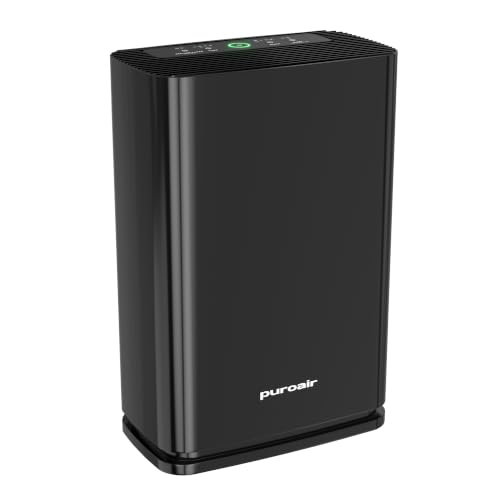
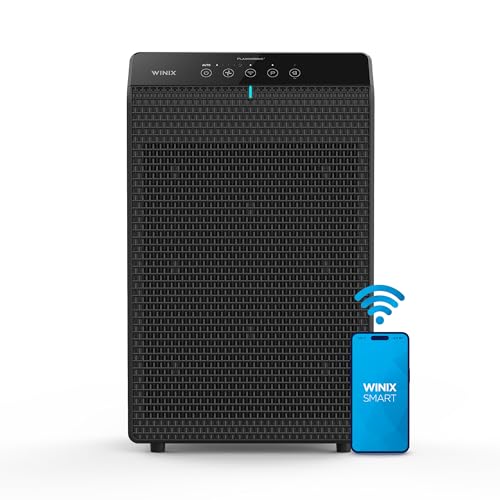
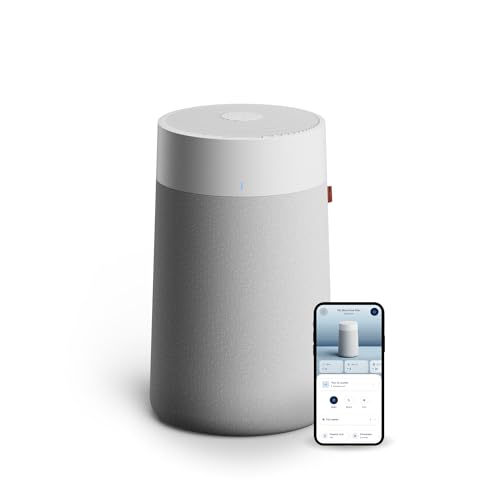
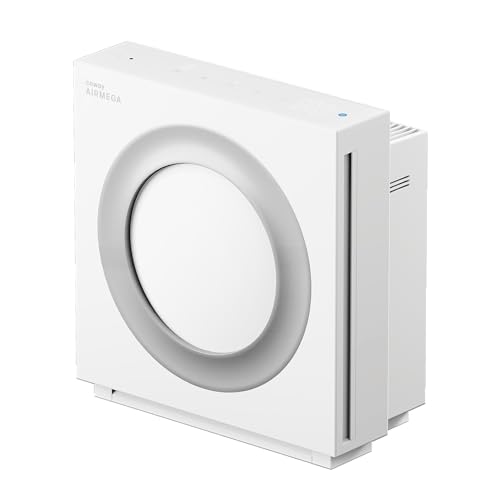
This guide explains sensor types in plain language, shows how auto mode behaves in real homes, and covers the upkeep that keeps readings honest. The comparison table below outlines the main classes, and the sections that follow help you match them to your rooms and routines.


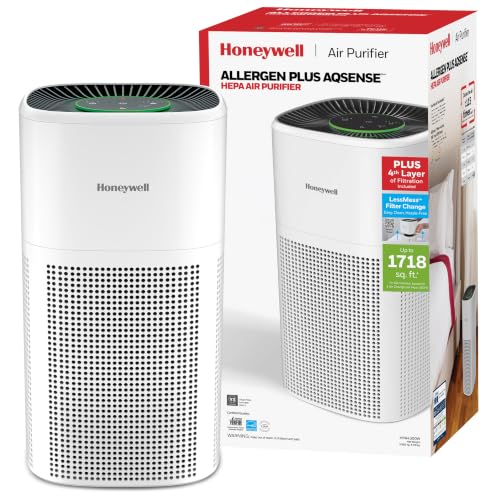

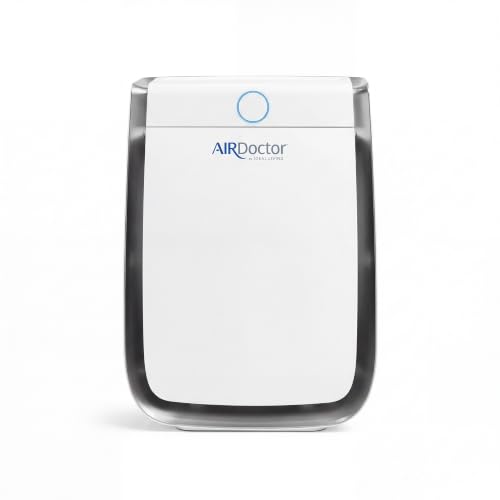

Who Should Buy an Air Purifier With an Air Quality Sensor?
Homes Where Air Quality Swings During the Day
Cooking smoke, a dog shaking off dust, a window opened to a busy street: these events spike particle levels for an hour and then fade. A sensor model in auto mode answers each spike with a burst of high speed cleaning, then settles back to a quiet idle that saves filter life and electricity. If your air problems arrive in bursts rather than sitting constant, that reaction is exactly what you are paying for over a manual model.
Light Sleepers Who Want Cleaning Without Fan Noise All Night
A purifier loud enough to clean a bedroom is often loud enough to disturb sleep when run flat out. Sensor models solve the tension by cruising at a whisper while the air is clean and only speeding up when something pollutes the room. Choose one whose display lights can be dimmed or switched off, because a bright air quality display at bedside is its own sleep problem. For baseline sizing without sensors, our guide to the best air purifier categories covers CADR and room matching in depth.
Households That Want Proof the Machine Is Doing Something
A numeric readout turns an act of faith into a visible result. Watching particle counts fall after vacuuming or litter box cleaning tells you the purifier earns its floor space, and watching them refuse to fall tells you something is wrong, usually a spent filter or a door left open. For pet homes where dander and litter dust spike daily, the targeted advice in our guide to the best air purifier for pets pairs well with a sensor model that reacts to those spikes on its own.
Key Features to Compare
Sensor Type: Infrared Versus Laser Particle Counters
Entry models estimate dust with an infrared sensor that shines light through an air sample and gauges how much scatters back. It is cheap and durable but coarse, reacting mostly to larger dust clouds. Laser particle counters size and count individual particles, reporting a live particle number that responds to smoke and fine dust the infrared type barely notices. If you want readings you can trust at low levels, the laser type is the honest upgrade, and it explains most of the price gap between sensor models.
Gas and VOC Sensing
Some purifiers add a gas sensor that reacts to volatile organic compounds from cooking, cleaning sprays and new furniture. These readings are relative, shown as a level or color rather than an exact measure, and the sensor cannot tell one gas from another. Treat it as a prompt to ventilate and to let auto mode run the carbon filter harder, not as a safety instrument. No home purifier sensor replaces a carbon monoxide alarm, and cooking gas problems call for ventilation and repair, not filtration.
Auto Mode Behavior and Fan Response
Good auto mode is a personality trait. The best implementations ramp up promptly when smoke or dust appears, hold speed until the reading clears, then step down gradually instead of hunting up and down. Poor ones overshoot, roaring at a whiff of steam from a shower, or lag for minutes while smoke spreads. Read the sensor placement as well: a sensor tucked at the back near a wall samples stale air, while one near the intake reads the room more truthfully.
Cleaning Power Still Rules: CADR and Filter Stack
A sensor cannot clean air; it can only command the fan. Match the clean air delivery rate to your room using the two thirds rule, where CADR should be at least two thirds of the room square footage for standard ceiling heights. Behind the fan, look for a true HEPA filter for particles and a meaningful layer of activated carbon for odors and gases. Households focused on musty rooms will find the moisture and filter notes in our guide to the best air purifier for mold helpful, since damp air loads filters faster.
Display Style and What It Tells You
Displays come in three grades: a simple color light, a numeric particle readout, and a full readout with particle and gas levels plus filter life. Numeric displays teach you your home patterns, such as which cooking methods spike the kitchen air, and they expose a lazy sensor fast. Whatever the style, check for a display off option and a filter replacement indicator based on run time or pressure, not a bare timer, so you change filters when they are spent rather than by the calendar alone.
Setting Up and Placing a Sensor Purifier
Give the sensor clean access to room air. Place the unit at least a foot from walls and away from direct blasts of humidifier mist, steam or incense, all of which fool particle sensors into panic mode. Keep it out of the corner behind furniture where air stagnates, because the sensor will happily report clean air for a pocket the fan never actually draws from. Run auto mode for a full week before judging it, since the pattern of spikes across cooking, cleaning and sleep hours is the information you bought the sensor for.
One honest limit deserves plain words. A purifier with a sensor can lower particle levels in a room, but it does not treat allergies, asthma or any other condition, and a reassuring green light is not a medical measurement. If someone in your home has breathing difficulties, keep up every measure their doctor recommends and treat the purifier as household support only. Readers comparing symptom focused setups can also see the placement and sizing notes in our guide to the best air purifier for allergies, which keeps the same realistic line.
Common Mistakes to Avoid
- Trusting a color ring as an exact measurement, when most color displays compress a wide range of particle levels into three or four steps.
- Placing the purifier beside a humidifier or steamy bathroom door, so mist keeps the sensor alarmed and the fan roaring for no real reason.
- Buying a sensor model with too little CADR for the room, so auto mode runs at full speed for hours and still never clears the reading.
- Never cleaning the sensor lens, which slowly blinds the unit until it reports clean air in a dusty room.
- Expecting the gas sensor to detect carbon monoxide or natural gas leaks, jobs that belong to dedicated alarms and a call to your utility.
- Ignoring a reading that never improves, when a stuck high reading usually means a saturated filter or a pollution source you should fix at the origin.
Keeping Sensor Readings Honest: Care and Maintenance
The sensor has a small lens or inlet that collects dust over time. Every few months, power the unit down and clear the sensor area with a dry cotton swab or a gentle vacuum brush, following the manual for your model. A dirty lens drifts the baseline, so the purifier either overreacts to nothing or sits idle in murk. Vacuum the prefilter monthly, and note the date you install each HEPA and carbon filter so replacement timing is based on your home load, not guesswork.
Recheck placement each season. A unit that read the room well in winter may sit in a pollen blast from an open spring window and run at full tilt all day. Move it a few feet, confirm the intake is unblocked by curtains or furniture, and let auto mode relearn the room. If readings still look wrong after cleaning the lens and changing a spent filter, the sensor itself may be failing, and that is a warranty conversation rather than a cleaning problem.
FAQ
How accurate is the air quality sensor in a home air purifier?
Laser particle counters are reasonably accurate for trends and spikes, which is what home use needs. Infrared sensors are cruder and can miss low level fine dust. None of these sensors match laboratory instruments, and humidity can inflate particle readings because water droplets scatter light like dust. Judge a sensor by whether it reacts promptly and settles honestly, and use it to guide ventilation and cleaning habits rather than as a health measurement.
Does auto mode on an air purifier save electricity and filter life?
Yes, in a typical home. Most hours of the day have decent air, so the fan idles at low speed, drawing little power and loading the filter slowly. During a smoke or dust event it spends a short burst at high speed, which cleans faster than running medium all day. The savings shrink in homes with constant pollution sources, where auto mode simply holds a higher speed most of the time.
Can an air purifier with an air quality sensor detect mold or allergens directly?
No sensor in a home purifier identifies mold spores or specific allergens. Particle sensors count particles in the size ranges those materials occupy, which is useful but indirect. A spike after disturbing a dusty corner tells you particles rose, not what they were. Visible mold growth is a moisture problem to fix and clean at the source, and anyone with persistent symptoms should talk with a doctor rather than rely on a purifier display.
Why does the air quality reading spike when nothing seems wrong?
Common triggers are steam from a shower or kettle, aerosol sprays, a candle, or humidity surging from cooking. Particle sensors read mist droplets as particles, so a spike after a shower is usually water, not dirt. If spikes happen with no activity nearby, check for a dirty sensor lens or a purifier placed too close to a kitchen or bathroom doorway, then watch whether the pattern repeats at the same hour daily.
Where should an air purifier with a sensor be placed in a bedroom?
Place it several feet from the bed, with the sensor and intake facing the room rather than a wall, and away from the direct path of an open window. That position samples the air you actually breathe while keeping fan noise and display light from sitting at your pillow. Run it for a few nights in auto mode and check the morning readout trend, which tells you more than any single evening reading.
Final Thoughts
The sensor is a guide, not the cleaner itself. Pair an honest laser sensor and responsive auto mode with enough CADR and a proper filter stack for your room, clean the lens on schedule, and the machine will spend its power exactly when your air needs it. Compare the classes in the product table above against your room size and noise tolerance, and remember the standing advice for anyone with breathing concerns: talk with your clinician about personal needs, and let the best air purifier with air quality sensor you choose support a healthy home rather than promise one.


