
Best Carbon Air Purifiers for 2026: A Guide to Odor and Gas Removal
Disclosure: We may earn a commission when you buy through links on this page, at no extra cost to you. As an Amazon Associate I earn from qualifying purchases. Learn more

A buying guide to carbon air purifiers: how much activated carbon matters, pellet vs sheet media, saturation life, and what carbon can and cannot clean.
Fry fish on Friday and the house still smells like it on Sunday. Paint a bedroom and the sharp smell lingers for a week. Dust filters do nothing for these problems, because odors and chemical vapors are gases, not particles. That is the job shoppers have in mind when they look for the best carbon air purifier: a machine built around activated carbon, the one common filter media that actually traps gases instead of just blowing past them.
Carbon purifiers vary enormously in how much carbon they carry, and that single number decides whether the machine works for months or gives up in weeks. This guide explains how activated carbon works, how to judge the amount and form of it inside a unit, and where carbon helps and where it honestly does not. The comparison table below shows the current field. For particle focused cleaning, our general guide to the best air purifier range covers the broader category.
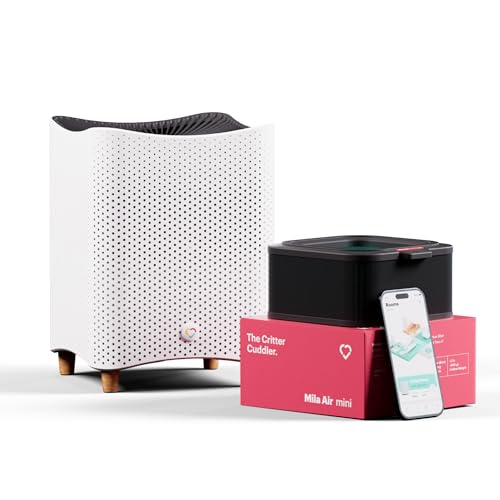
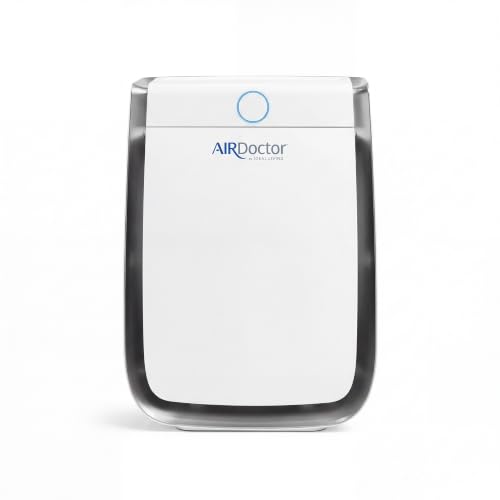
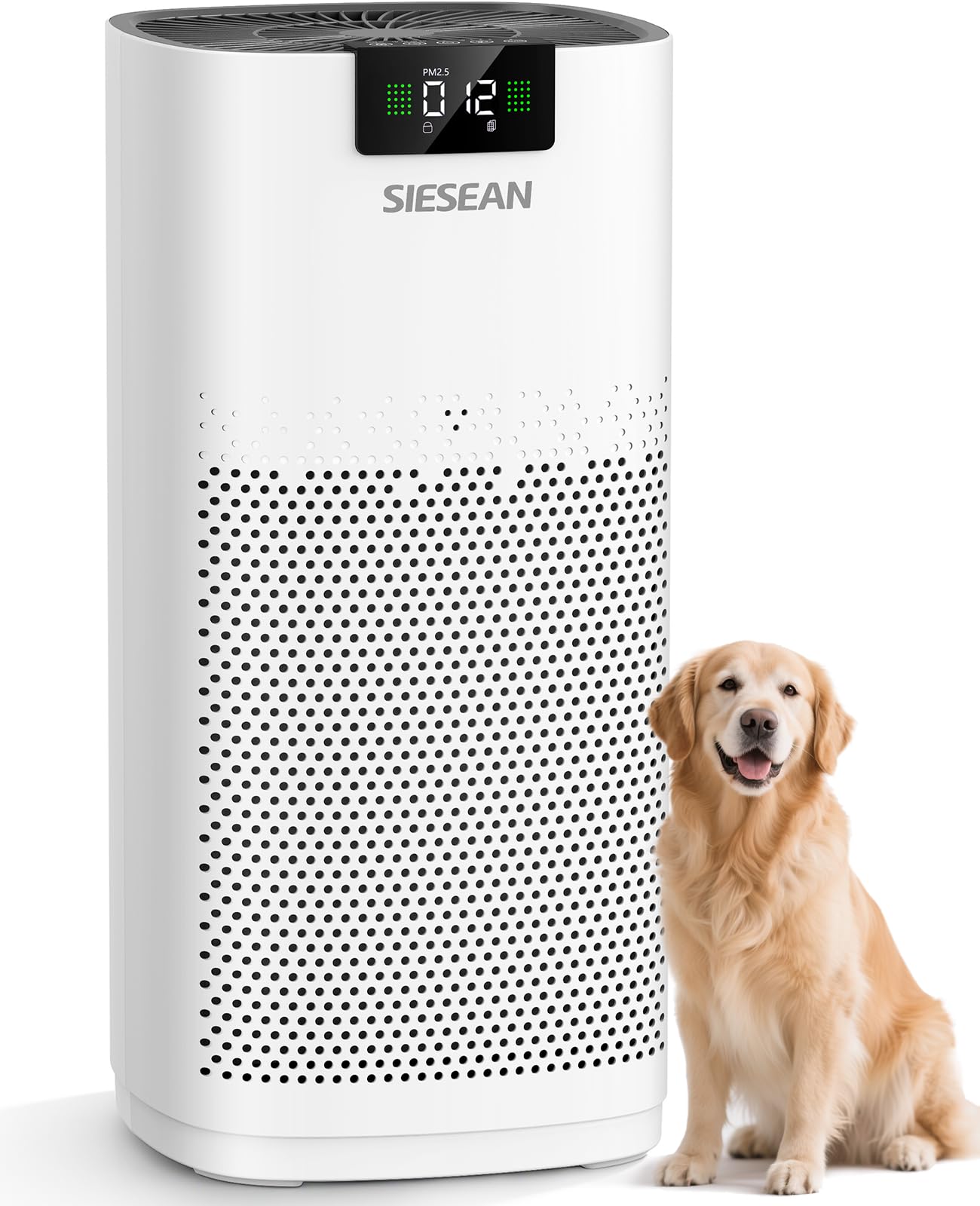
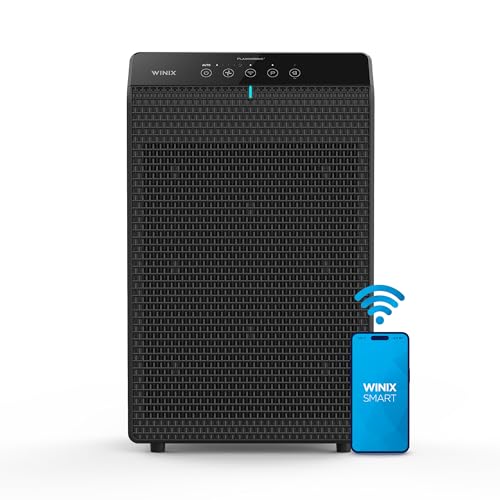
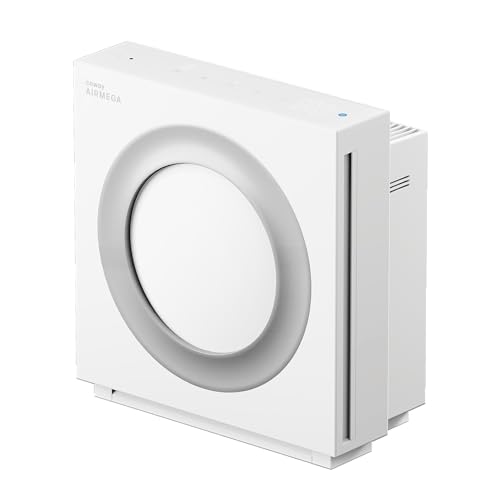
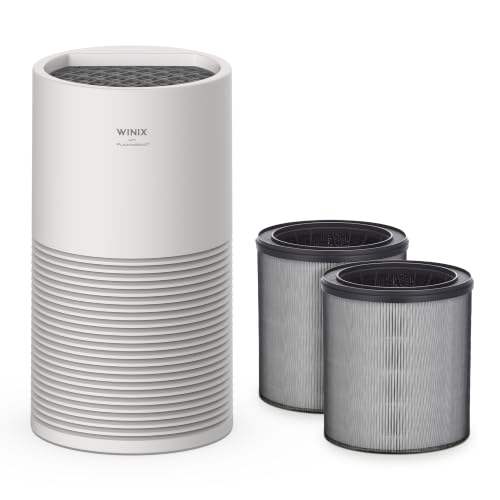
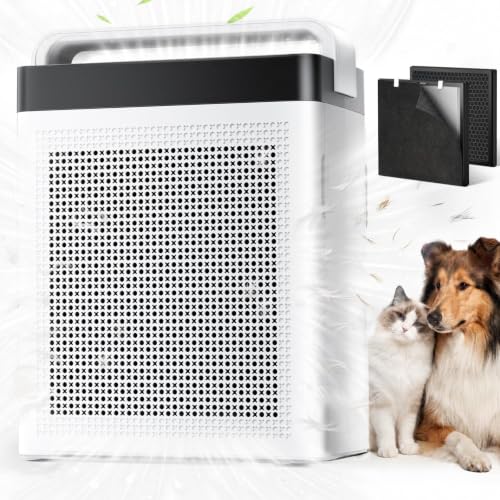

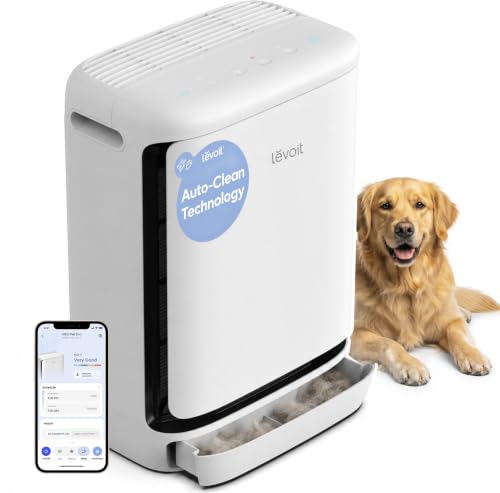

Who Should Buy Which Carbon Air Purifier?
Carbon is a specialist. The households below have gas and odor problems that a carbon heavy machine is genuinely built to solve.
Homes Battling Cooking, Smoke, and Renovation Odors
If your air problem has a smell, it is usually a gas problem: cooking oils, tobacco or fireplace smoke, paint and varnish fumes, new furniture off gassing, cleaning product vapors. These are volatile organic compounds, and activated carbon is designed to adsorb them. You want a unit with a deep carbon bed, not a decorative carbon sheet, and enough airflow to cycle the room air several times an hour. Place it in the room where the odor starts, because carbon works on the air that passes through it, not on smells across the house.
Pet Homes Where Odor Matters More Than Hair
Litter boxes and dog beds produce ammonia and organic odors that a particle filter cannot touch. A carbon purifier near the source steadily trims background odor between cleanings, though it never replaces cleaning the box itself. Pair it with a decent prefilter so hair does not coat the carbon bed and block airflow. Our guide to the best air purifier for pets compares combined units that handle dander and odor together for pet rooms.
City and Roadside Homes With Traffic and Solvent Smells
Apartments over busy roads and homes near workshops breathe in exhaust fumes, ozone from outdoors, and solvent vapors that enter through ventilation and gaps. A carbon unit in the bedroom makes the sleeping hours noticeably fresher for many people. Manage expectations: no home purifier scrubs outdoor air at the building level, and sealing obvious drafts plus running the unit with doors closed gets better results than a bigger machine fighting an open window.
Key Features to Compare
Marketing leans hard on the word carbon. These five checks reveal whether a purifier carries enough of it, in the right form, to matter.
How Much Carbon, and in What Form
This is the deciding spec, and it is the one makers hide hardest. Granular or pellet carbon beds measured in pounds are the serious form: several pounds of pellets give vapors a long path and huge internal surface area to stick to, so the bed keeps working for months. Thin carbon coated foam sheets and dustings of carbon on a particle filter hold a few ounces at best; they trim light odors briefly and then saturate. If the maker will not state a carbon weight, assume it is small. Some beds blend in extra media such as potassium permanganate or zeolite to target specific gases like formaldehyde, a genuine plus for renovation work.
Saturation and Replacement Cost
Carbon does not wear out by clogging like a particle filter; it fills up. Once the pores are loaded, odors pass straight through, and the only fix is a fresh bed. Heavy pellet beds commonly last about six to twelve months of daily use, while thin sheets can fade in a few weeks near strong sources. Price the replacement bed before you buy the machine: a purifier that costs less up front but eats an expensive carbon cartridge twice a year is the pricier choice over three years. A useful field test is your nose: when cooking smells stop fading after the unit runs, the carbon is done.
Prefilters and Particle Filtration Pairing
Dust and hair are carbon enemies: they coat the pellets and choke the airflow that carries vapors to them. A washable or vacuumable prefilter in front of the bed protects it and costs almost nothing to maintain. Many carbon units also include a particle stage for dust and pollen, which is convenient, but judge the machine on its carbon first if gas removal is your goal. Keep the roles straight: the particle stage handles what you can see and sneeze at, the carbon handles what you can smell. Neither one sterilizes air, and no home unit should be bought on promises of medical results.
Room Size and Airflow
Makers rate coverage by room area, but that rating usually assumes particle cleaning at a set number of air changes. For odor work, what matters is how much air moves through the carbon bed per hour and how long each pass spends in contact with the pellets. Very high fan speeds push air through so fast that capture per pass drops, so a larger unit loafing on medium often outperforms a small unit screaming on turbo. Size for the room where the odor lives, close the door, and let it run continuously rather than in short bursts.
Noise and Operating Cost
A carbon purifier earns its keep running many hours a day, so noise and electricity decide whether you actually leave it on. Deep beds add airflow resistance, and the fan works harder to push through them, which is why honest carbon units are rarely the quietest in their class. Check the noise figure at the speed you will live with, not the sleep mode whisper that moves little air. Electricity for a mid size unit running daily is modest, roughly comparable to a bright light bulb, but filter beds dominate the true running cost, so total the first two years of replacements before choosing.
Where Carbon Helps and Where It Does Not
Activated carbon targets gases: odors, smoke smell, paint and solvent vapors, many cooking fumes. It does not capture particles, so pollen, dust mite debris, mold spores, and pet dander pass through a carbon only stage untouched. That is why allergy focused shoppers should not buy a carbon only machine and expect relief; those particles need a true HEPA stage, as explained in our guide to the best air purifier for allergies, and anyone with asthma or significant allergy symptoms should build their plan with a doctor rather than a product page. Mold deserves the same honesty: carbon can soften musty smells, but the fix for mold is removing moisture and the growth itself, and our guide to the best air purifier for mold explains the order of operations. One more caution: skip purifiers that deliberately generate ozone as an odor treatment. Ozone irritates lungs, and a proper carbon bed makes it unnecessary.
Common Mistakes to Avoid
- Buying a unit with a thin carbon sheet for a strong odor problem, then concluding carbon does not work when it saturates in weeks.
- Running the purifier only when odors peak, which lets vapors soak into fabrics and walls that then release them for days.
- Ignoring the prefilter until airflow dies, starving the carbon bed and straining the fan.
- Keeping a saturated carbon bed in service, which can release previously trapped odors back into the room on warm days.
- Placing the unit in a hallway to serve the whole home, when carbon only treats the air that actually passes through it.
- Choosing an ozone generating model for odor control, trading a smell problem for a lung irritant.
How to Make Your Carbon Air Purifier Last Longer
Vacuum or rinse the prefilter on schedule, because a clean prefilter is what lets the carbon bed reach its full life. Keep the unit running steadily in the problem room with the door mostly closed rather than blasting it after odors build up; steady low level work keeps the bed adsorbing in its most effective range. Store spare carbon beds sealed in their packaging, away from the garage or laundry room, because an unsealed bed starts adsorbing household vapors on the shelf and arrives partly spent. Note the install date on each bed so replacement is based on time and smell, not guesswork. Wipe intake grilles monthly, keep the unit a few inches from walls for airflow, and never spray air fresheners near it: those vapors load the carbon with scent chemicals and shorten its useful life for real odors.
FAQ
Are carbon air purifiers worth it?
Yes, when your problem is odor or chemical vapor and the unit carries a genuinely heavy carbon bed. For cooking smells, smoke, paint fumes, and pet odors, carbon is the only common home filter media that addresses the cause. The worth disappears with token carbon sheets, and it disappears for particle problems like pollen, which carbon cannot capture. Match the media to the pollutant and the category makes sense.
How do you clean a carbon air purifier filter?
You do not wash the carbon itself. Water does not restore adsorbed vapors, and washing a pellet bed makes a mess without renewing it. What you clean is the prefilter: vacuum it or rinse it per the manual and dry it fully. The carbon bed gets replaced, not cleaned. Some owners extend a bed slightly by airing it in strong sunlight, but treat that as a stopgap, not a renewal.
How long does a carbon filter last in an air purifier?
A heavy pellet bed typically lasts about six to twelve months of daily use; thin carbon sheets can give up within a few weeks to three months, especially near litter boxes or heavy cooking. Life depends on how much vapor the bed must swallow, so a unit beside a smoker ages far faster than one in a guest room. Your nose is the gauge: when odors stop clearing, the bed is saturated regardless of the calendar.
Can a carbon air purifier remove cooking smells?
Yes, that is one of its best jobs. Carbon adsorbs the oil vapors and odor compounds that make kitchens smell stale for days, especially when the unit runs during cooking and for an hour after. It works on the air, not on grease filmed onto walls and cabinets, so range hood use and surface wiping still matter. For fish and spice heavy cooking, place the unit in or near the kitchen rather than down the hall.
Does a carbon air purifier help with allergies?
Not directly. Allergy triggers like pollen, dust mite debris, and dander are particles, and carbon does not trap particles. Carbon can remove irritating odors and some chemical vapors that bother sensitive people, which is a comfort benefit, but symptom control needs particle filtration and a plan made with your doctor. Shoppers with allergies should choose a unit with a true HEPA stage and treat any carbon stage as a bonus for odors.
Final Thoughts
Judge the product table above by one number first: how much carbon, in what form. Pounds of pellets mean months of real odor and vapor removal; an unstated amount means a sheet that fades fast. Pair that bed with a protected prefilter, size it to the room where the smell starts, and budget the replacement beds before you buy. Chosen that way, the best carbon air purifier quietly erases the smells a particle filter cannot touch. If allergies are part of your picture, pair this purchase with advice from your doctor rather than relying on any purifier alone.


