
Best Air Purifier for Covid for 2026: Cleaner Air, Honest Limits
Disclosure: We may earn a commission when you buy through links on this page, at no extra cost to you. As an Amazon Associate I earn from qualifying purchases. Learn more

An air purifier with true HEPA filtration lowers airborne particle levels at home. Learn CADR sizing, air changes and what these machines cannot do.
Someone in the house tests positive, and the spare bedroom becomes an isolation room while everyone else tries to keep the shared air as clean as possible. A portable air purifier is one of the few tools a household can actually buy for that job. Choosing the best air purifier for covid duty means understanding what filtration can and cannot do: a true HEPA unit lowers the concentration of airborne particles indoors, and that is a useful layer, but it is one layer among several, never a guarantee.
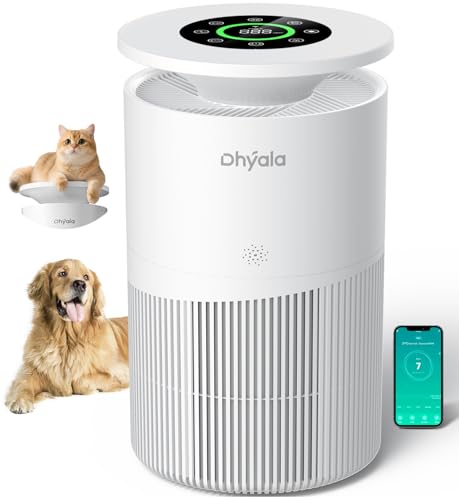
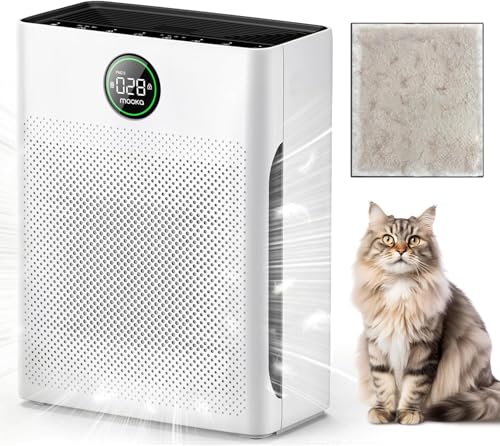
This guide explains the sizing math, the features that matter when a household member is sick, and the claims to ignore. Nothing here replaces medical advice; talk with your doctor about your own situation, especially for anyone at higher risk. For the broader category, see our guide to the best air purifier models. The comparison table below lists the main contenders.


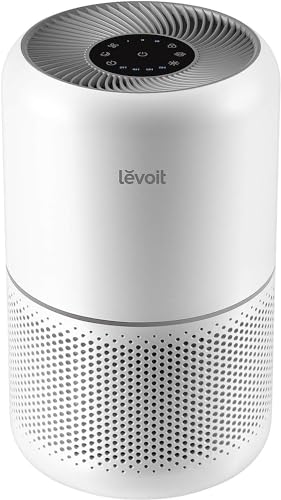
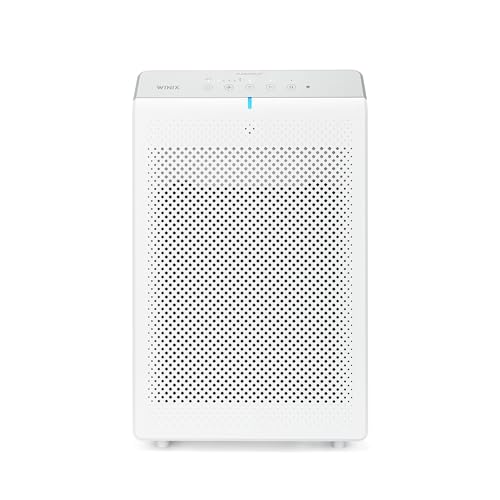


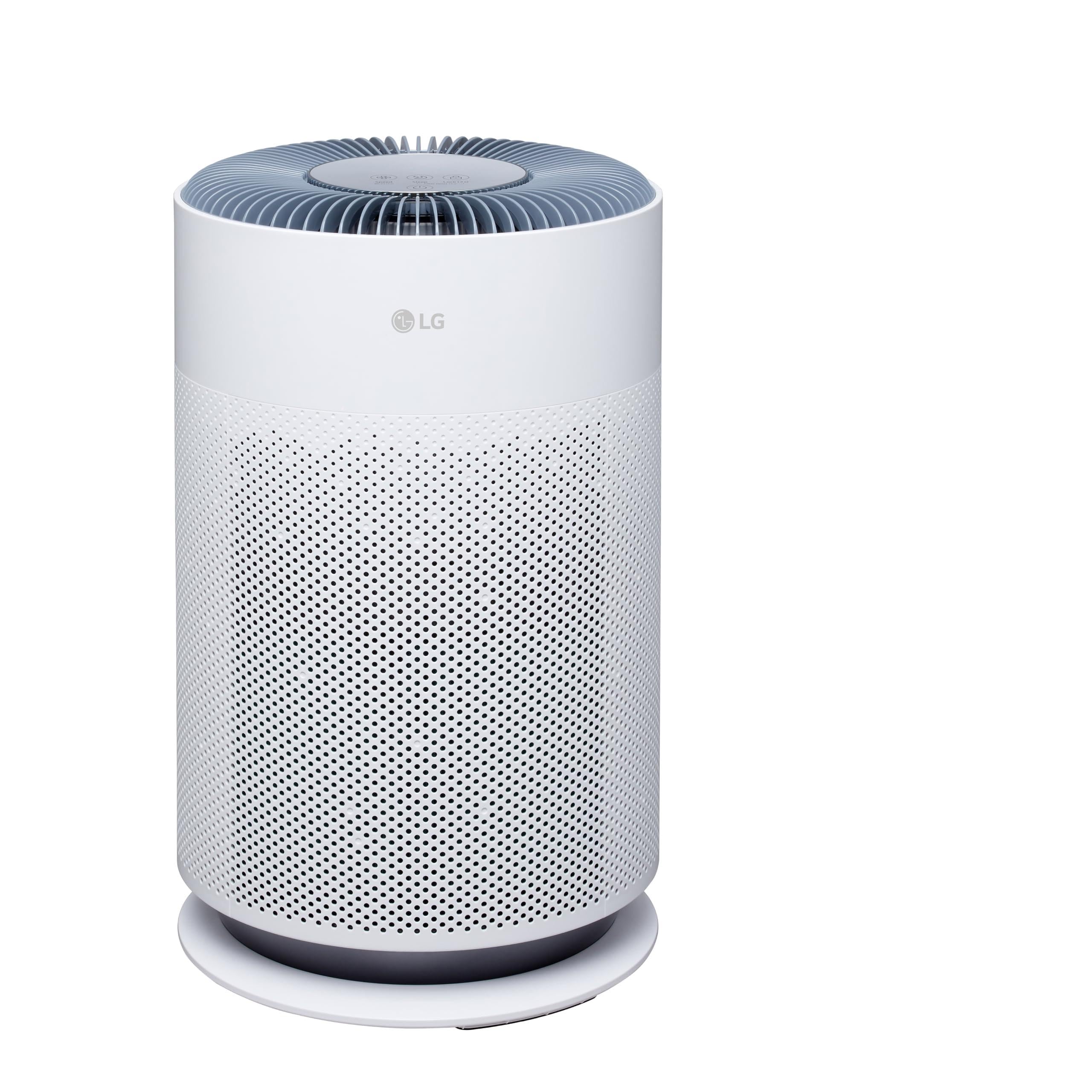
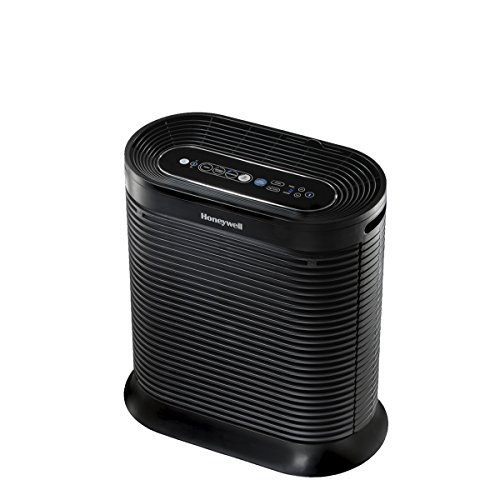
Who Should Buy an Air Purifier for Covid Duty?
Households With a Sick Member Isolating in One Room
When one person is sick and staying in a bedroom, a purifier running in that room reduces the particle load in the air the patient breathes out, and a second unit in the shared living space adds another layer for everyone else. This is the clearest use case the category has. Caregivers entering the room still need the precautions their doctor recommends; the purifier supports those habits rather than replacing them. Choose a unit sized for the isolation room first, since that air matters most.
Caregivers Sharing a Home With Someone at Higher Risk
Some households cannot fully separate: a parent cares for a sick child, or a partner shares a small apartment with someone whose doctor has flagged them as higher risk. Continuous filtration in the shared rooms is a sensible extra layer in that reality. Run the unit constantly on the highest speed the household can sleep and talk over, because a purifier switched off for noise cleans nothing. Ask the clinician involved what else should change at home, since filtration is only one part of a care plan.
Hosts Preparing for Visitors and Gatherings
Before guests arrive, especially older relatives or anyone recently unwell, running a purifier in the gathering room for a few hours beforehand and during the visit lowers the background particle level. Hosts get the most from placing the unit in the room where people actually sit, not in a hallway. It is a modest, honest benefit: cleaner air as hospitality, alongside open windows when weather allows. If a guest is actively ill, postponing remains the kinder and safer choice, and no appliance changes that.
Key Features to Compare
True HEPA Filtration and Particle Sizes
Look for true HEPA filtration, which captures at least 99.97 percent of particles at 0.3 microns, the size range HEPA filters are rated on. Virus particles themselves are smaller, but they travel through indoor air riding on larger respiratory droplets and aerosols, which fall squarely in the range HEPA media traps well. Marketing terms like HEPA type or HEPA style describe looser filters with lower capture rates, and the difference matters for this job. A sealed filter housing matters just as much, since air that leaks around the filter is air that never got cleaned.
CADR and Air Changes Per Hour
The clean air delivery rate, or CADR, tells you how much filtered air a purifier produces, and it is the number that decides whether a unit can keep up with your room. Public health guidance for indoor gatherings commonly points to roughly five air changes per hour of clean air as a helpful target, combining ventilation and filtration. The sizing section below shows the simple math to reach it. Buy for the CADR at a speed you will actually run, and treat a unit that is too small for the room as decoration rather than protection.
Noise Versus the Speed You Will Actually Use
Every purifier cleans best on its loudest setting and worst on its silent one, and the gap can be several fold in delivered clean air. For a sickroom or bedroom, the honest spec is the CADR at the highest speed you can sleep through, often the medium setting. Manufacturers publish noise figures per speed, so compare those before buying. A slightly larger unit loafing on medium usually out cleans a small unit screaming on turbo, and it does so at a volume the household can live with around the clock.
Ionizers, UV Lamps and Ozone Warnings
Skip features that generate ozone. Ionizers and some plasma or UV add ons can release ozone, a lung irritant that is especially unwelcome in a house with a respiratory illness. Look for certification that a model produces little or no ozone, such as listing under the California air cleaner regulation, and simply switch ionizing features off where they cannot be avoided. Plain HEPA plus a carbon prefilter does the entire job this guide describes. Extra germ killing claims on a box are marketing; filtration physics is what removes particles from your air.
Filter Life and Replacement Costs
During an illness stretch, a purifier may run around the clock for weeks, and filters load faster than the gentle estimates on the box. Price the replacement HEPA and carbon filters for any model before buying, and check how often the maker suggests changing them under heavy use. A washable prefilter that catches dust and hair first extends the expensive HEPA element life. During pollen season the same hardware serves double duty for many homes, a side benefit our guide to the best air purifier for allergies explores without medical promises.
Placement, Doors and Room Layout
A purifier cleans the room it sits in, so place it in the isolation room or the gathering room, near the people, with clearance around its intakes as the manual specifies. Keep the door of a sickroom closed while the unit runs, so its clean air is not diluted by the whole house. Corners and blocked intakes choke performance measurably. One correctly placed, correctly sized unit beats two undersized units scattered hopefully around a home, every time.
Sizing Clean Air Delivery to Your Room
The math takes one minute. Multiply the room length by its width to get square feet, then multiply by the ceiling height, usually 8 feet, for cubic feet. To reach about five air changes per hour, divide the cubic feet by 12: that is the CADR, in cubic feet per minute, to shop for. A 12 by 14 foot bedroom holds about 1344 cubic feet, so it wants a CADR near 112 or higher at the speed you will run. Bigger rooms, like an open plan living area, may need a large unit or two units working together. When in doubt, size up, because a larger purifier on a lower, quieter speed still delivers the same clean air.
Common Mistakes to Avoid
- Believing a purifier makes a sickroom safe to enter without the precautions your doctor recommends.
- Buying by room size marketing claims instead of CADR, ending up with half the air changes you need.
- Running the unit on its silent setting during an illness, when its clean air output may be a fraction of the rating.
- Choosing a model with an ionizer that emits ozone into the air of someone with a respiratory illness.
- Hiding the purifier behind furniture or in a hallway, where it cleans air nobody breathes.
- Ignoring filter replacement during heavy use, so a loaded filter quietly stops doing its job.
How to Make Your Air Purifier Last Longer
Vacuum or wash the prefilter every few weeks, since a clogged prefilter starves the HEPA element behind it. Keep the unit running on a steady speed rather than cycling it on and off, which is gentler on the fan motor. Replace HEPA and carbon filters on the maker schedule, sooner after heavy illness use or wildfire smoke, and write the change date on the filter frame so memory never guesses. Dust the intakes and the air quality sensor lens if fitted, and keep the machine out of steamy bathrooms, where moisture loads the media. If anyone in the home develops worrying symptoms such as difficulty breathing, treat that as a medical matter for a doctor or urgent care, not as a sign to buy a bigger purifier.
FAQ
Can an air purifier remove Covid virus particles from indoor air?
A true HEPA purifier captures the respiratory droplets and aerosols that carry virus particles, so it lowers the concentration of those particles in a closed room while it runs. Lower concentration means lower exposure, which is the entire benefit, and it is a real one. It does not sterilize a room, protect someone at close range, or make other precautions unnecessary. Think of filtration as diluting indoor air with cleaned air, one pass at a time, alongside ventilation and staying home while sick.
How many air changes per hour should a home air purifier provide?
Around five air changes per hour of clean air is the target most public health ventilation guidance points to for reducing airborne exposure indoors, and filtration counts toward it alongside open windows or mechanical ventilation. Fewer changes still help proportionally; the relationship is gradual, not a cliff. Use the sizing math in this guide to check a model against your room, and remember that the figure must come from the speed you will actually run, not the turbo setting in the brochure.
Should an air purifier run all day when someone at home is sick?
Yes, continuous running is the point during an illness. Air in a sickroom is replenished with new exhaled particles constantly, so the purifier only holds the level down while it works. Run the unit in the isolation room around the clock on the highest tolerable speed, and keep a second unit in shared spaces if you have one. The electricity cost of a typical home purifier is modest, roughly like a light bulb or a small fan.
Do ionizer or UV features in an air purifier help against viruses?
They are not needed, and some carry a real downside. Ionizers can generate ozone, which irritates lungs and airways, the last thing a household with a respiratory illness needs. UV lamps inside small consumer units rarely expose passing air long enough to matter at these flow rates. The filtration that demonstrably removes particles is the HEPA element, working mechanically on every pass. Choose a model certified for low or zero ozone emissions, and leave the exotic features off the shopping list.
Where should you place an air purifier when someone is isolating?
In the isolation room itself, positioned with clear space around its intakes and outlet, not wedged behind furniture. Keep that room door closed so the cleaned air stays concentrated where the sick person breathes. If you own a second unit, place it in the main shared room where the rest of the household spends time, the same placement logic that helps homes managing pet dander with the best air purifier for pets. One well placed unit per key room beats several units in hallways.
Final Thoughts
A purifier is a layer, not a shield: it steadily lowers airborne particle levels in a closed room, and that earns it a place in a sick season toolkit beside ventilation, rest and medical guidance. Size it by CADR, run it continuously at a livable speed, avoid ozone features, and keep filters fresh. For personal medical decisions, including how to care for someone at higher risk, your doctor remains the right source. Chosen on those honest terms, the best air purifier for covid duty is simply a well sized HEPA machine that never gets switched off. Compare the options in the product table above, and check replacement filter prices before you order.


