
Best Air Purifiers Under $200 for 2026: The Step Up Tier, Explained
Disclosure: We may earn a commission when you buy through links on this page, at no extra cost to you. As an Amazon Associate I earn from qualifying purchases. Learn more

The best air purifier under 200 adds sensors, auto mode and stronger CADR. See what the step up from budget models buys for bedrooms and more.
There is a specific frustration that sends shoppers to this price tier: the cheap purifier helped a little, but it was loud, dumb, and always running at the wrong speed. Doubling the budget to the $200 line is where air purifiers grow up. Finding the best air purifier under 200 means sorting out which upgrades are real cleaning gains and which are decorations, because this tier sells both.
This guide takes the step up angle: what the extra money buys over the sub $100 class, feature by feature, and where the money stops helping. It is written for main bedrooms and modest living rooms, the rooms this tier actually serves. For the full price ladder, our general best air purifier guide shows what sits above, and the comparison table below collects the current under $200 field.


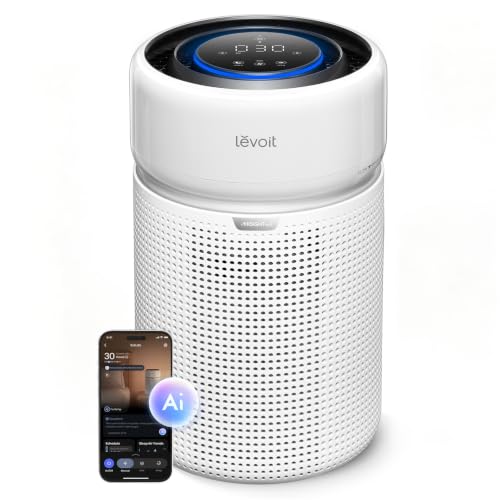
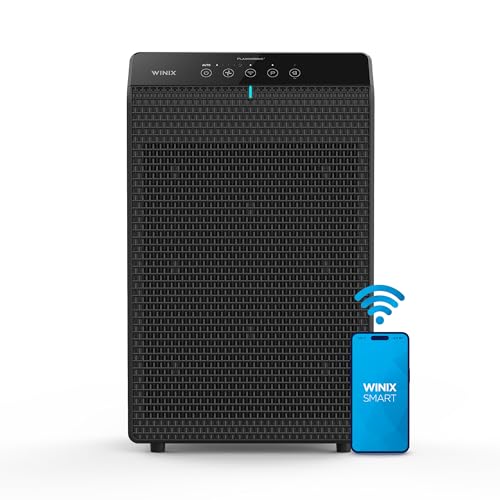

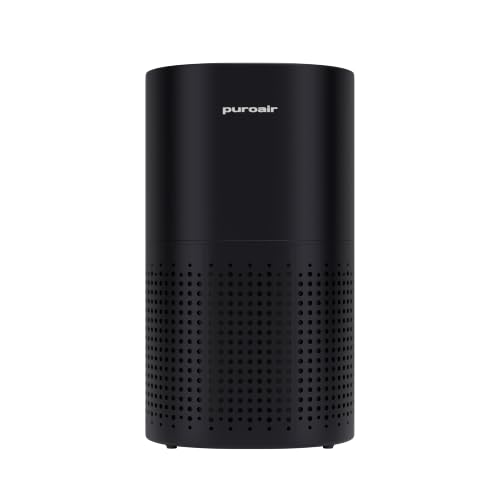
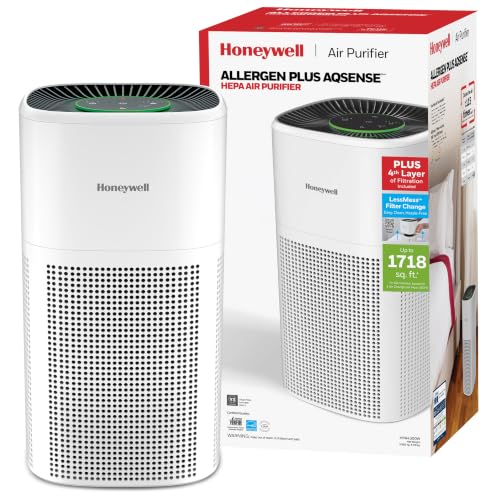
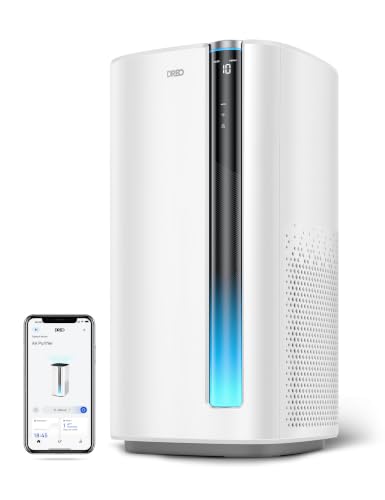

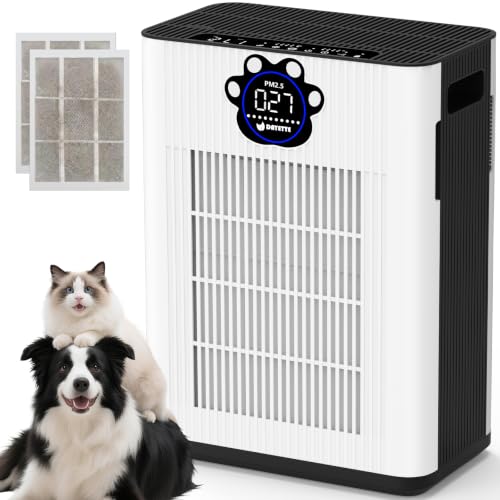
Who Should Buy an Air Purifier Under $200?
Main Bedroom Sleepers Who Want Set and Forget Air
The main bedroom is this tier's home turf. You get a purifier strong enough for a full size room, a sleep mode quiet enough to forget, and a sensor that raises speed when dust spikes and settles back down on its own. Display lights that fully extinguish at night sound trivial until you have taped over a glowing panel. If a purifier will run beside your bed for years, this is the lowest tier where comfort features stop fighting you.
Living Rooms up to About 300 Square Feet
Under $100 units honestly top out at a small bedroom. This tier's stronger fans serve a modest living room, pulling cooking drift, fireplace haze, and tracked in dust down to background levels across an evening. Open plan great rooms still outsize it, so measure before you buy. For a contained living room with doors or a defined footprint, though, one well chosen unit here beats two budget units arguing with each other from opposite corners.
Homes With a Pet Corner or Litter Area
At this price, carbon filtration starts to mean something. Thicker carbon beds, sometimes measured in pounds rather than pads, adsorb pet odors between litter changes instead of surrendering in a week. Dander control also improves with the larger HEPA filters in this class. Dedicated pet households with whole home odor goals should still study the best air purifier for pets class, but for one problem room, this tier is where pet owners usually land and stay.
Key Features to Compare
CADR and Verified Coverage Ratings
The headline upgrade is airflow. This tier commonly doubles or triples the clean air delivery of budget models, enough to cycle a bedroom or small living room air several times per hour. Prefer models with independently verified ratings over in house claims, because the rating method is standardized and hard to fudge. Allergy driven buyers should also compare against the best air purifier for allergies class, where the same ratings decide which machines genuinely keep pollen counts down overnight rather than just moving air around.
Particle Sensor and Auto Mode
A sensor changes how a purifier fits into a home. In auto mode, the machine idles quietly, then ramps up when cooking smoke drifts in, a dog shakes off dust, or pollen surges through an open window. That means high speed happens when it is needed, not all evening. Check what the sensor detects: most read particles only, while some add a basic gas reading. Also check the display logic, because a clear air quality readout teaches you your home's patterns, like which hour the street dust peaks.
Thicker Carbon for Real Odor Duty
Carbon is a weight game. The more granular carbon a filter holds, the longer it adsorbs kitchen, pet, and light smoke odors before saturating. In this tier you start seeing combination filters with meaningful carbon content instead of a scented pad. Expect months of odor help rather than weeks, and expect to pay for it at filter change time. If odors are occasional, a midweight carbon filter is the sweet spot; dedicated smoke or heavy pet odor needs more machine than $200 buys.
Sleep Mode Noise and Light Control
Bedroom suitability is decided at 2 in the morning. Compare the lowest speed noise, look for a display that turns fully off rather than merely dimming, and check whether the fan tone stays smooth at low speed, since some motors tick or pulse when throttled down. A night mode that also locks the control panel is a small mercy in homes with toddlers and cats, both of whom treat glowing buttons as invitations.
Filter Life and Annual Running Cost
Larger filters live longer. This tier stretches replacement intervals to about 6 to 12 months for many models, which softens the per year cost even though each filter costs more, often around $40 to $70. Washable prefilters are common here and genuinely help, catching the lint and hair load before it reaches the main filter. Do the same math as with any purifier: machine price plus a year of filters, compared honestly across your shortlist, is the number that matters.
Where the Extra Money Goes: Under $100 vs Under $200
Side by side, the step up buys four concrete things. First, airflow: a fan and filter sized for real rooms instead of desk corners. Second, automation: a sensor and auto mode that manage speed so you do not. Third, carbon with actual capacity, so odor control lasts months. Fourth, refinement: quieter low speeds, displays that go dark, and prefilters you can wash instead of replace.
It does not buy magic. Coverage claims still inflate, a purifier still cannot fix a damp wall, and in a bathroom adjacent bedroom with a moisture problem, the best air purifier for mold guidance about solving water first still rules. Nor does the extra money buy medical outcomes: cleaner air supports comfort, but breathing conditions belong to a doctor's care. Spend on the four real gains, in that order, and this tier justifies itself every night it runs.
Common Mistakes to Avoid
- Paying extra for an ionizer or plasma add on, which contributes little cleaning and can add ozone to the room.
- Assuming an app and WiFi mean better air, when the filter and fan do all the actual work.
- Forgetting to price the larger replacement filters, which cost more per swap even though they last longer.
- Oversizing into a great room and running the unit on turbo all evening, then blaming the tier for the noise.
- Ignoring display light behavior in a bedroom model, and spending a year annoyed by a glowing air quality readout.
- Leaving the sensor lens dusty, so auto mode drifts out of calibration and the machine stops reacting to real events.
How to Make Your Air Purifier Last Longer
Wash or vacuum the prefilter monthly; on this tier it is usually a proper washable screen, and keeping it clear is the cheapest performance upgrade there is. Wipe the particle sensor lens with a dry swab every few months so auto mode stays honest. Keep the main filter dry and never wash a HEPA element that is not rated washable, since water ruins the media. Note the filter install date inside the cover, and vacuum the intake and outlet grilles when you vacuum the room, because dust blankets on the housing are a sign the whole machine is breathing through a mat.
FAQ
Can you get a good air purifier for under $200?
Yes, and this is the tier where good stops needing qualifiers for most homes. A good under $200 model brings verified airflow for a bedroom or small living room, a true HEPA filter, workable carbon, and an auto mode that manages itself. It still will not serve a large open plan space or erase heavy smoke, but within its rooms it performs like a mature appliance rather than a starter gadget.
Is the step up from under $100 to under $200 worth it?
For a main bedroom or living room, usually yes. The extra money buys roughly double the airflow, a sensor with auto mode, longer filter life, and quieter nights, and those gains show up every single day. For a guest room or dorm that a budget unit already serves well, the step up buys little you will notice. Match the tier to the room's importance in your daily life, not to the room count of the house.
What CADR should a bedroom air purifier under $200 have?
Aim for enough clean air delivery to cycle the bedroom air about four to five times per hour, which for a typical main bedroom means a mid range CADR rather than the smallest number in the tier. More CADR also buys quiet, oddly enough: a stronger machine loafing on low often sounds softer than a weak machine straining on high. When two models cost the same, take the verified higher rating.
Do air purifiers under $200 remove pet odors?
Partly, and far better than budget models do. The thicker carbon beds in this tier adsorb litter and pet odors for months, and the larger HEPA stage keeps dander down in the room. They will not erase a neglected litter box or a whole home's worth of dog smell, and carbon still saturates eventually. Scoop daily, ventilate when you can, and let the purifier handle the background level it was built for.
How accurate are air quality sensors on purifiers under $200?
Useful for trends, not for exact numbers. The particle sensors in this tier reliably notice events (cooking, dust, an open window on a pollen day) and drive auto mode sensibly, but their numeric readouts are estimates that drift with dust on the lens and humidity. Treat the display as a household gauge, like a bathroom scale, good for watching patterns in your own home. Clean the lens on schedule and the gauge stays honest enough for its job.
Final Thoughts
This tier is the grown up end of home air cleaning: verified airflow, automation that earns its keep, and filters that last the season. Skip the decorative extras, price the annual filter cost, and size the machine to your bedroom or living room honestly. The qualifying models sit in the product table above, and the one that fits your rooms and your nights is the best air purifier under 200 for your home.


