
Best Enzyme Cleaner for Litter Box in 2026: A Buying Guide
Disclosure: We may earn a commission when you buy through links on this page, at no extra cost to you. As an Amazon Associate I earn from qualifying purchases. Learn more

Compare enzyme cleaners for litter box odor by soak strength, cat safe scent and dwell time, so a washed plastic box truly smells clean again.
Every litter box owner knows the moment: you scrub the box at the monthly change, it looks spotless, and yet the smell is still there when you lean close. That lingering odor lives in the plastic itself, in a film of urine residue worked into scratches and corners. The best enzyme cleaner for litter box duty is one that digests that residue instead of perfuming it, and does so with a formula you can safely use around the animal that has to step back into the box.
This guide covers which owners need a soak strength formula, the features that matter for a box and the floor around it, and a cleaning routine that actually resets the smell.
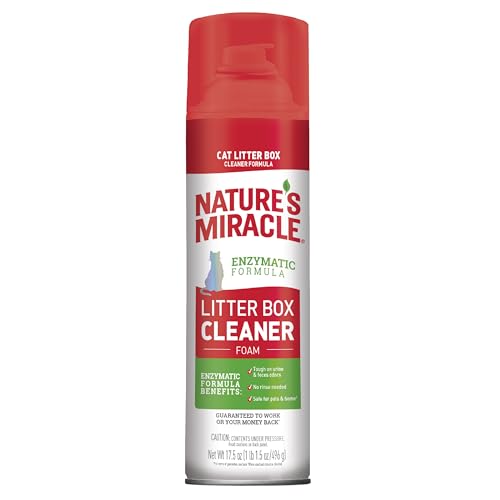
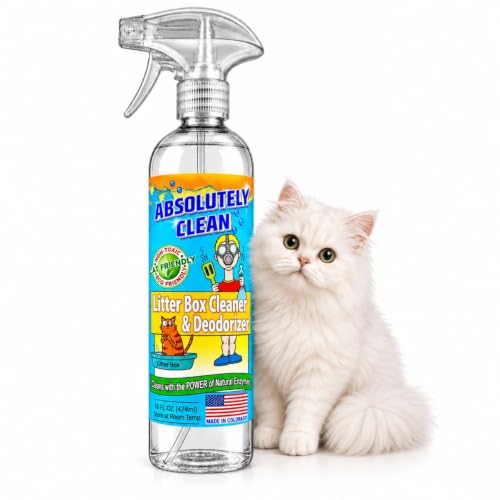

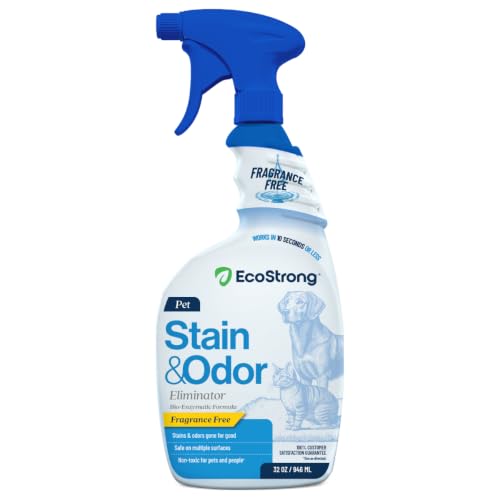
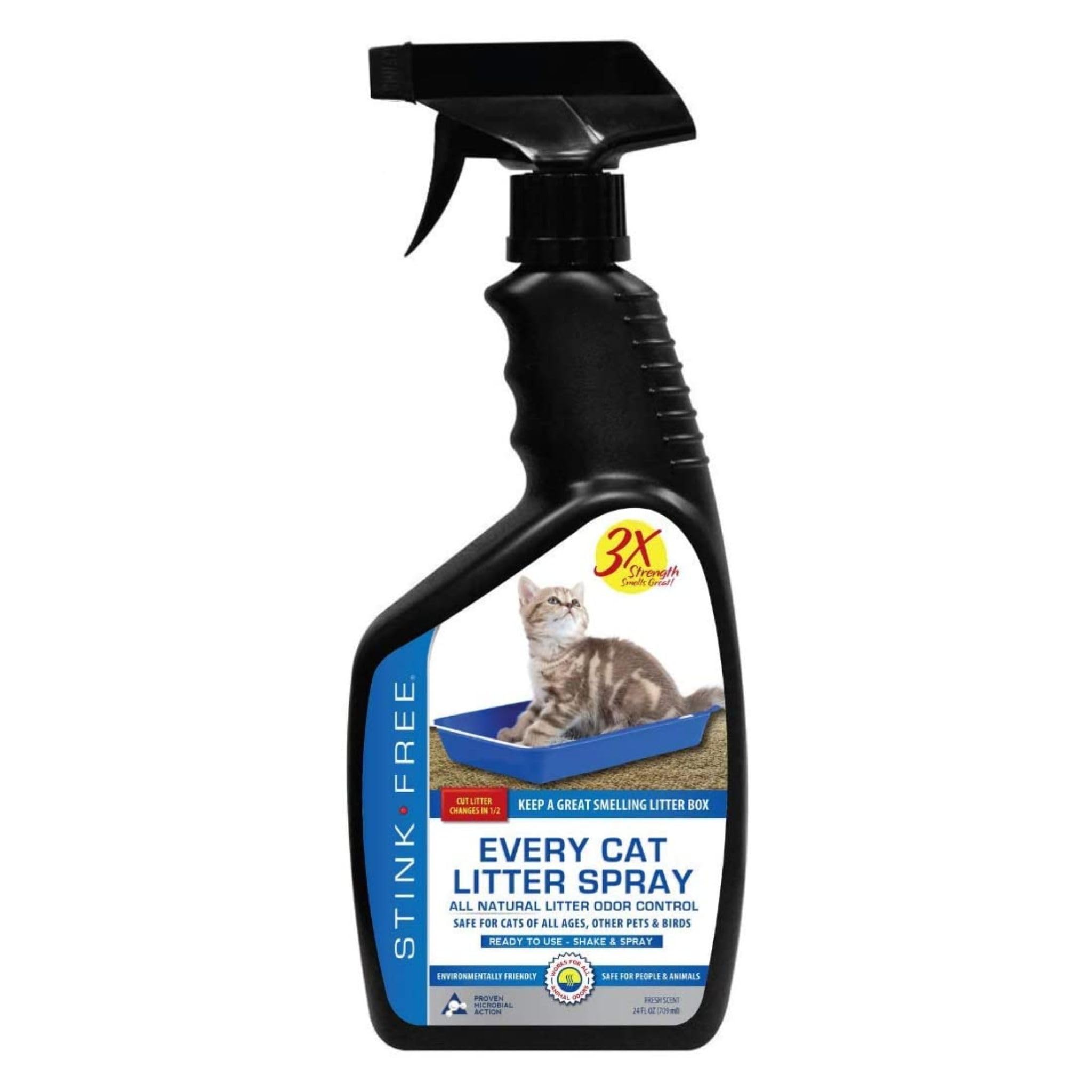


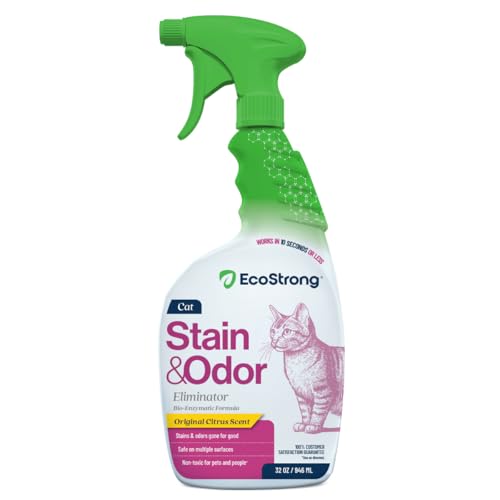
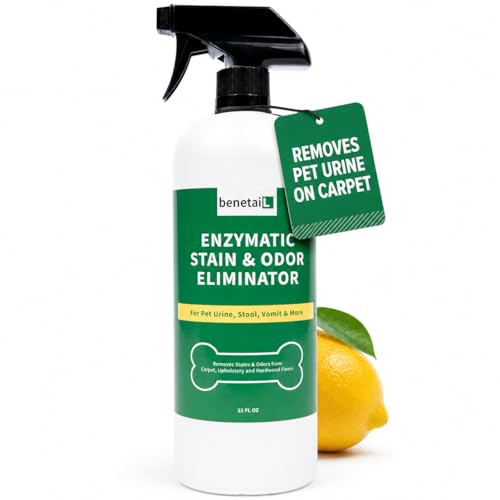
Who Should Buy an Enzyme Cleaner for the Litter Box?
The box area produces a specific odor problem, but it shows up differently in different homes.
Owners of Plastic Boxes With Set In Odor
Plastic is cheap and light, but it scratches, and every scratch becomes a shelf that holds urine film out of a sponge's reach. If your box smells again a day after a full wash, this is your situation. You need a soak friendly enzyme cleaner with the strength to digest weeks of layered residue, and the patience for a long covered soak. This is the same chemistry sold for accidents on carpet, and the specialist guide to the best enzyme cleaner for cat urine explains why cat urine in particular demands a full enzyme treatment.
Multi Cat Households on a Tight Cleaning Cycle
More cats means more traffic, more odor between changes, and often more than one box to maintain. A concentrated enzyme cleaner that dilutes for routine wipes and works full strength for the monthly soak keeps costs sane across several boxes. This group should also value a low scent formula, because with multiple cats the odds are high that at least one of them objects to a heavily perfumed box and starts choosing the floor instead.
Apartment Owners With the Box in Living Space
When the litter box lives in a bathroom or a laundry corner a few steps from the kitchen, odor control is about the whole zone, not just the box. You need one product that handles the box soak, the mat underneath, and the occasional miss on the floor beside it. In multi pet apartments, the same bottle will meet dog accidents too, and the broader guidance in our look at the best enzyme cleaner for dog urine covers that crossover use.
Key Features to Compare
The full category is covered in our guide to the best enzyme cleaner. For litter box duty specifically, weigh these features first.
Soak Strength and Dwell Time
A litter box is one of the few places where you can soak a surface properly, so choose a cleaner that rewards soaking. Thin sprays made for carpet spots may be too weak for a box that has absorbed months of urine. Look for directions that include soak times of thirty minutes or longer, and a formula concentrated enough to keep working through that window. The enzymes digest the organic film while the box sits in a tub or on a protected floor, and the difference versus a quick scrub is not subtle.
Scent That a Cat Will Accept
Your nose is not the customer here. Cats have far stronger smell and firm opinions, and many dislike citrus and heavy floral scents intensely, sometimes enough to avoid a freshly cleaned box. Unscented formulas, or ones whose light scent fades fully on rinsing, are the safer buy. Be cautious with strong essential oil blends around cats in general, because concentrated oils are not feline friendly, and a litter box is a place your cat stands, digs, and then grooms its paws afterward.
Rinsability and Residue
Whatever stays on the plastic after you rinse becomes part of your cat's environment. A good box cleaner rinses away cleanly without leaving a slippery or sticky film, because residue can trap fresh odor faster and can make litter clump against the box walls. Avoid turning to harsh disinfectants to compensate: products containing phenols are a known hazard for cats, and bleach residue in a box is both a fumes problem and a surface your cat has to stand on. Enzymes plus a thorough rinse is the safer chemistry here.
Use Beyond the Box: Mats, Floors, and Soft Furnishings
The box zone includes the litter mat, the floor under and around it, and occasionally a nearby rug or bath mat that took a protest accident. A versatile enzyme cleaner treats all of it, soaking into grout lines and mat fibers where urine wicks and hides. For the deepest soft surface cases, such as a mattress that took a direct hit, the soak and extract approach in our guide to the best enzyme cleaner for mattress shows the full method. One bottle that covers the whole zone beats three half used products under the sink.
A Litter Box Cleaning Routine That Actually Removes Odor
At the full litter change, empty the box completely and shake out the loose dust outside. Spray or pour the enzyme cleaner over every interior surface, making sure corners and the scratch prone base are fully wet, then let it soak for the label's full time, at least thirty minutes for a box with history. Scrub lightly with a brush reserved for this job, rinse until the water runs clear and no slickness remains, and dry the box fully before refilling, because fresh litter poured onto damp walls cakes into the corners. While the box soaks, treat the mat and the floor beneath it, since half of a litter area's smell often lives outside the box.
Common Mistakes to Avoid
- Spraying enzyme cleaner onto litter that is still in use, which wastes the product and gives the cat a damp, scented surface it may refuse.
- Scrubbing the box with bleach after an enzyme soak, which kills the enzymes mid job and leaves harsh residue where the cat stands.
- Choosing the strongest scented formula on the shelf, which can push a sensitive cat to avoid the box and create accidents elsewhere.
- Rinsing too fast and refilling over a damp, filmy base, which locks the old odor under the new litter.
- Cleaning only the box while ignoring the mat and floor, then wondering why the litter area still smells.
Care and Maintenance: Keeping the Box Area Neutral
Between deep cleans, scoop daily and wipe fresh splashes on the box rim as they happen, because residue removed in the first day never becomes the baked in film that needs a soak. Store the cleaner sealed at room temperature and away from children and pets, and mark the brush and sponge you use for the box so they never migrate to kitchen duty. Replace a plastic box that stays smelly after two proper enzyme soaks, since deep scratches eventually hold more odor than any cleaner can extract, and a fresh box on the same routine will stay neutral far longer.
FAQ
Can enzyme cleaner be sprayed inside a litter box that still has litter in it?
No. The litter would absorb the product before it reaches the plastic, and your cat would be digging in a damp, treated surface. Save enzyme treatment for the full litter change, when the box is empty and can be soaked and rinsed properly. For daily odor, rely on scooping and on treating the mat and floor, where stray urine actually lands.
How often should a litter box get a full enzyme soak?
Once a month at the full litter change suits most single cat homes. Multi cat boxes, and boxes used by an older cat with stronger urine, benefit from a soak every two to three weeks. If the box smells again within a few days of a proper soak, the plastic itself is likely saturated with scratches, and replacement will do more than another cleaning.
Why does a cat sometimes avoid the litter box right after cleaning?
Usually the box still smells of the cleaner rather than of the cat. Strong scent, or residue left by a rushed rinse, makes the box feel unfamiliar, and a cautious cat may choose a corner instead. Rinse until the surface feels clean rather than slick, dry it fully, and consider an unscented formula if the problem repeats with a scented one.
Does an enzyme cleaner remove litter box odor from the floor underneath?
Yes, if the urine reached the floor through a leak or an over the edge miss. Saturate the area, keep it damp for the label's dwell time, and repeat once for grout lines or unsealed spots where liquid soaked in. Sealed tile and vinyl respond fastest. If a wooden floor under the box has darkened, the urine has penetrated the finish, and cleaning alone may not fully clear it.
Is an enzyme cleaner safe if a cat walks through a treated area?
Keep the cat off treated surfaces until they are rinsed or fully dry, which is the standard direction on pet enzyme labels. Once dry, normal contact is fine. If your cat does cross a wet treatment, wipe its paws with a damp cloth so it does not lick the product off while grooming, and store the bottle where curious animals cannot reach it.
Final Thoughts
Treat the box at the full change with a real soak, rinse it clean, and keep the surrounding floor on the same routine. The product table above shows how the main enzyme styles split between quick sprays and soak strength formulas. Chosen that way, the best enzyme cleaner for litter box care turns a chore you dread into a genuine reset, and the litter area stops announcing itself to everyone who walks past.


