
Best Enzyme Cleaner for Couch in 2026: Get Odors Out of Upholstery
Disclosure: We may earn a commission when you buy through links on this page, at no extra cost to you. As an Amazon Associate I earn from qualifying purchases. Learn more

Choose the best enzyme cleaner for couch upholstery by saturation depth, dwell time and fabric code, so pet odors are digested instead of masked.
A pet accident on a couch is harder to fix than the same accident on a hard floor, because urine sinks through the fabric into the cushion foam and keeps releasing odor from deep inside. Surface sprays and scented cleaners only mask that smell for a day or two. The best enzyme cleaner for couch use does something different: its live enzyme producing cultures digest the uric acid and proteins in the stain itself, so the odor source is removed instead of covered up.
This guide explains how to choose an enzyme formula that is safe for your upholstery fabric, how saturation and dwell time decide whether it works, and how to apply it so the smell does not creep back.


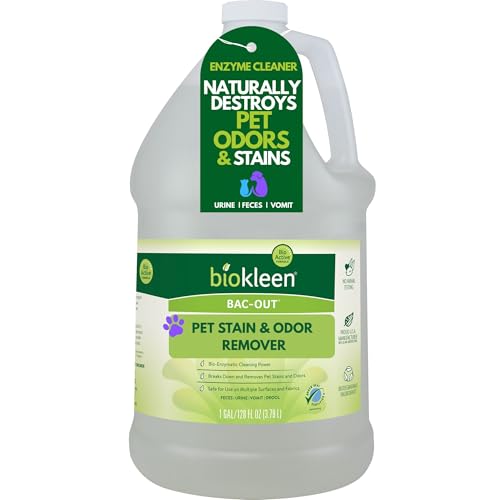
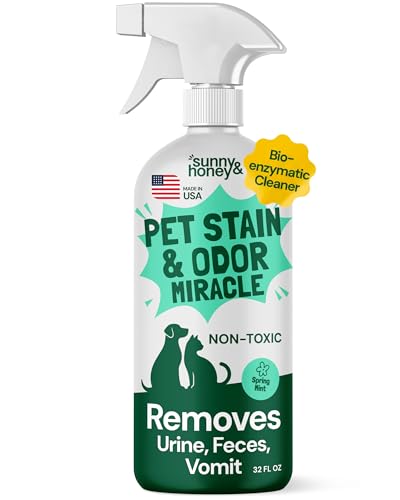
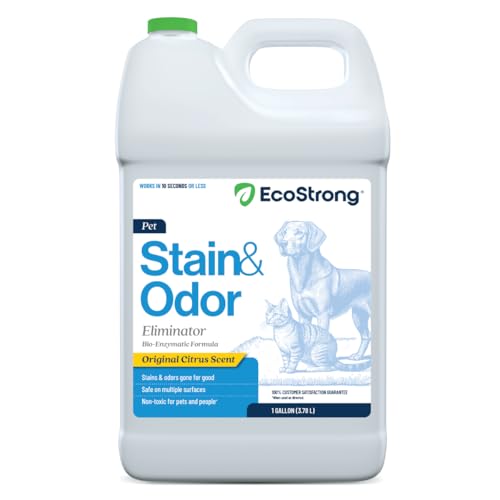


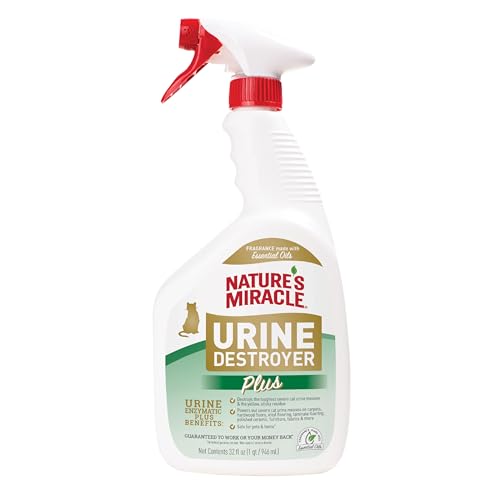
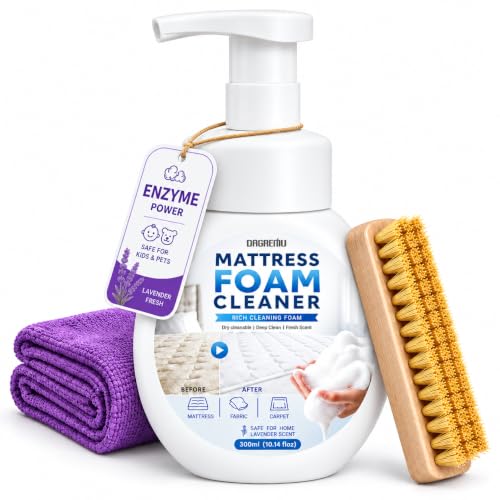
Who Should Buy Which Enzyme Cleaner for Couch Use?
Cat owners dealing with strong, repeated accidents
Cat urine is more concentrated than dog urine and carries odor compounds that survive ordinary cleaning, which is why cats often return to the same cushion once the scent lingers. Choose a formula that specifically names cat urine on the label and plan on deeper saturation, since cats tend to soak a small area heavily. Our dedicated guide to the best enzyme cleaner for cat urine goes further into formulas made for that stronger chemistry.
Dog owners with puppies or senior dogs
Puppy training and older dogs with weaker bladders create frequent, larger puddles that spread widely through cushion foam. A gallon size or a concentrate you dilute yourself keeps the cost per accident sane when accidents happen weekly. Ready to use sprays still help for quick treatment, but volume matters more than bottle convenience here. See our guide to the best enzyme cleaner for dog urine for options matched to bigger, more frequent messes.
Households with toddlers and delicate upholstery
Couches double as play space and nap space for small children, so the cleaner you use sits against skin for hours after it dries. Look for formulas with a mild scent or no added fragrance, and check that the label allows use on your fabric type. Families in this situation also tend to need the same chemistry in the bedroom, which our guide to the best enzyme cleaner for mattress covers for thicker foam and bedding fabrics.
Key Features to Compare
Live cultures and enzyme strength
Enzyme cleaners work because bacteria in the bottle produce enzymes that break urine, vomit, and other organic waste into water and carbon dioxide. A formula that lists its enzyme activity or names the stains it targets is easier to trust than one with vague claims. Strength matters most on old stains, where the uric acid crystals have had months to set. Keep in mind that these are living products: freezing, high heat, and age all reduce their power, so a fresh bottle from a high turnover seller is a quiet advantage. For a broader view of the category beyond couches, see our guide to the best enzyme cleaner options for the whole home.
Upholstery code and colorfastness
Every couch carries a cleaning code on its tag: W means water based cleaners are fine, S means solvent only, WS allows either, and X means vacuum only. Most enzyme cleaners are water based, so they suit W and WS fabrics and should stay off S and X upholstery. Whatever the code, try the cleaner on a hidden area of the cushion and let it dry completely before treating the visible stain, because some dyes shift while wet and only show the change once dry.
Saturation depth and cushion foam
The visible spot on the fabric is only the top of the stain. Urine spreads outward as it sinks, so the soaked area inside the foam can be twice as wide as the mark you see. A cleaner that is merely misted on the surface will never reach the source, and the odor will return on the first humid day. Choose bottle sizes that let you pour or spray generously, and favor formulas whose labels instruct you to soak the area thoroughly rather than wipe it.
Dwell time and staying moist
Enzymes need time and moisture to work, and most labels ask for several hours of contact, with old stains needing overnight treatment. A cushion that dries in the first hour gives the cultures too little time to finish the job. Covering the treated area with a damp towel or a sheet of plastic keeps it moist without adding more product. Plan treatments for the evening so the couch can sit undisturbed, and keep people and pets off the cushion until it is fully dry.
Scent approach: removal versus masking
Some products lean on strong fragrance to convince you the smell is gone, while better formulas smell mild when wet and nearly neutral once dry. A heavy perfume over a half treated stain fools your nose for a weekend and then fades, leaving the original odor untouched. Judge a product by how the cushion smells two or three days after treatment in a warm room, not by the scent in the bottle. Light, clean scents also matter if anyone in the home is sensitive to fragrance.
How to Treat a Couch Accident So the Smell Does Not Return
Start by removing any solids and blotting up as much liquid as you can with folded towels, standing on the towel stack to press moisture out of the foam. Then saturate the area with enzyme cleaner, going at least an inch beyond the visible stain on every side, and work the liquid in gently with your fingers so it follows the same path the urine took. Cover the cushion with a damp towel to hold moisture, and let the product dwell for the full time on the label, overnight for old or strong stains. Remove the cover, blot once more, and let the cushion air dry completely before anyone sits on it. For stains you cannot see but can smell, a handheld black light used in a dark room makes dried urine fluoresce, so you treat the right spot instead of guessing.
Common Mistakes to Avoid
- Using a steam cleaner or hot water on the stain first, which sets proteins and locks odor into the foam.
- Cleaning the spot with a regular detergent before the enzyme product, since leftover chemicals can kill the live cultures.
- Misting the surface lightly instead of soaking through to where the urine actually reached.
- Letting the treated cushion dry within an hour, so the enzymes stop working before the stain is digested.
- Treating only the visible mark, while the wider soaked area inside the foam keeps releasing odor.
- Using a water based enzyme cleaner on S code or X code upholstery that the maker says to keep dry.
How to Store and Handle Enzyme Cleaners Safely
Store enzyme cleaners at room temperature in a locked cabinet or out of reach of children and pets, and never leave bottles in a hot car or a freezing garage, because temperature extremes kill the cultures that make the product work. Keep the cap tight and the bottle upright, and note the date you opened it, since potency fades over time even on the shelf. Do not transfer the liquid into unlabeled spray bottles, and never mix it with bleach, ammonia, or other cleaners. Wash your hands after application, ventilate the room while a large treatment dries, and keep pets off treated cushions until the fabric is completely dry. Dispose of old, weak bottles through your normal household waste stream as the label directs.
FAQ
Why does my couch still smell after using an enzyme cleaner?
The cleaner almost certainly did not reach all of the urine. Odor that returns on humid days means residue remains in the foam beyond or below the area you treated. Reapply with heavier saturation, extend past the visible stain, and keep the spot covered and damp for a full overnight dwell. If two thorough treatments fail, the urine likely reached the cushion core, and professional extraction or cushion replacement becomes the realistic fix.
Can an enzyme cleaner be used on a leather couch?
Generally no. Leather is finished skin rather than woven fabric, and soaking it with a water based product can stiffen, darken, or crack the surface. Enzyme cleaners are made to penetrate fabric and foam, which is exactly what leather care avoids. Use a cleaner made for leather instead, and if urine has seeped into the foam under torn leather, that becomes a job for an upholstery professional.
How long does an enzyme cleaner need to sit on a couch cushion?
Most labels call for at least a few hours, and overnight is better for dried or strong stains. The cushion must stay moist for the whole period, because the cultures stop working once they dry out. A damp towel or plastic cover over the spot stretches a single application across many hours. After the dwell, let the cushion air dry fully, which can take most of a day for thick foam.
Is enzyme cleaner safe for babies and pets on the couch?
Enzyme cleaners are among the gentler options for homes with children and animals, since the active ingredients target organic waste and break down as they work. Still, follow the label: keep babies and pets off the cushion while it is wet, let the fabric dry completely, and ventilate the room during treatment. Anyone with asthma or fragrance sensitivity should stay out of the room until the scent has faded, and talk with a doctor if symptoms ever appear.
Can an enzyme cleaner remove old urine smells that have been in a couch for months?
Often yes, though expectations should be modest. Old stains form hardened uric acid crystals that need long, repeated soaking to break down, so plan on two or three overnight treatments rather than one. A black light helps you find every affected spot, including ones on the underside of cushions. If the smell survives repeated full saturation, the foam itself may be permanently loaded and replacing the cushion insert is the honest answer.
Final Thoughts
Enzyme cleaning succeeds or fails on reach and patience: soak past the visible stain, keep it moist for hours, and let the cultures finish the work. Match the formula to your upholstery code, buy enough volume for real saturation, and judge results days later rather than by the scent in the bottle. Compare the types in the product table above, and choose the best enzyme cleaner for couch accidents in your home based on fabric, stain age, and who uses the sofa every day.


