
Best Honeywell Air Purifiers for 2026: How to Choose Within the Lineup
Disclosure: We may earn a commission when you buy through links on this page, at no extra cost to you. As an Amazon Associate I earn from qualifying purchases. Learn more

Choose within the Honeywell air purifier lineup: tower vs console sizes, room coverage, filter types and refill costs, without chasing model numbers.
Some buyers do not want to compare a dozen brands; they want one established brand with filters they can find at any big store, and they want the right size the first time. If that is you, the work is choosing inside a single lineup. Shopping for the best honeywell air purifier means sorting Honeywell tower and console models by room size, understanding its filter system, and checking what the refills cost, because the brand sells the machine once and the filters for years.
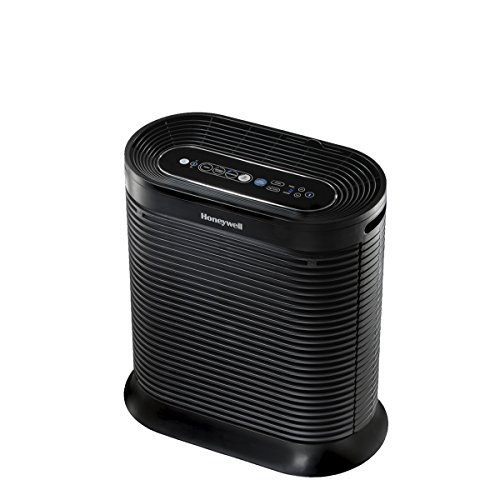
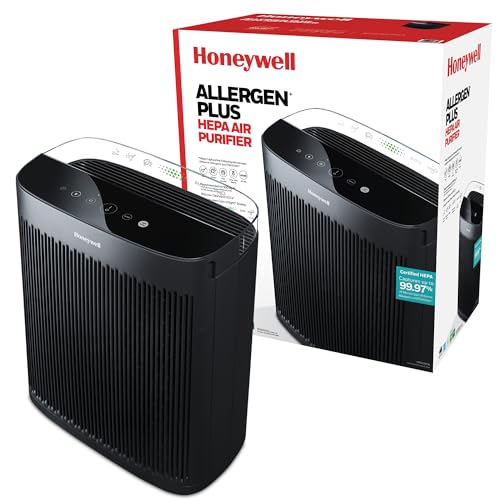
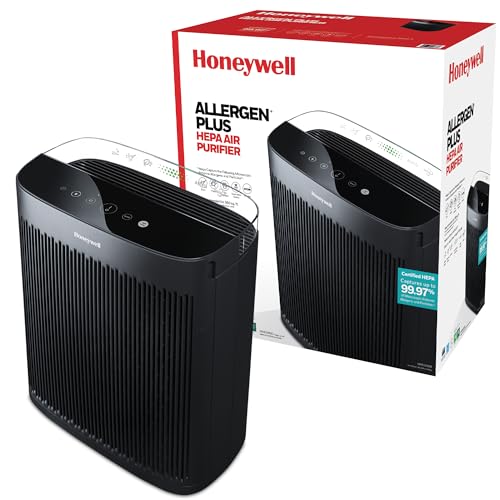
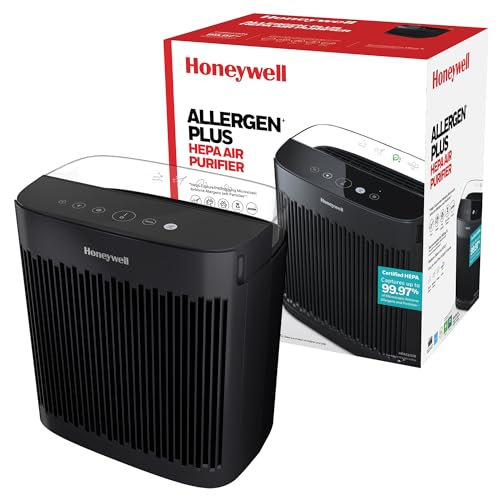
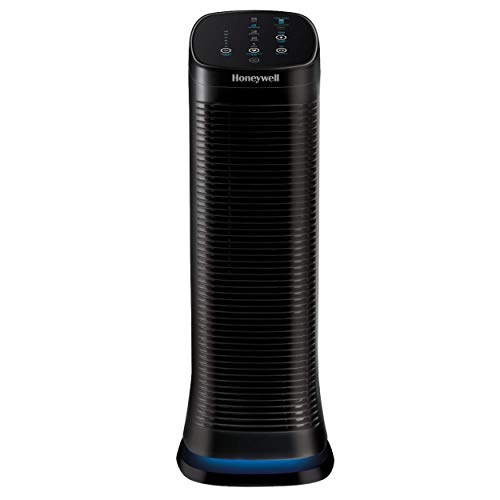
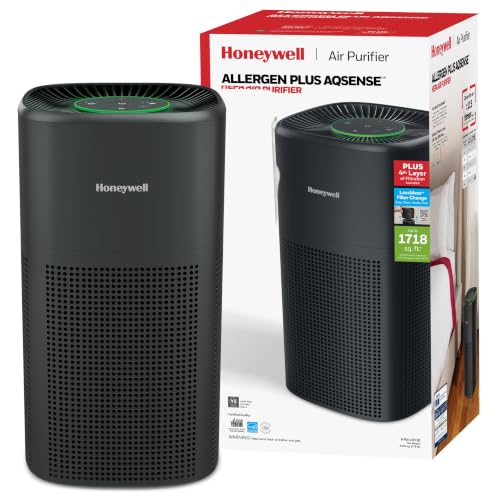
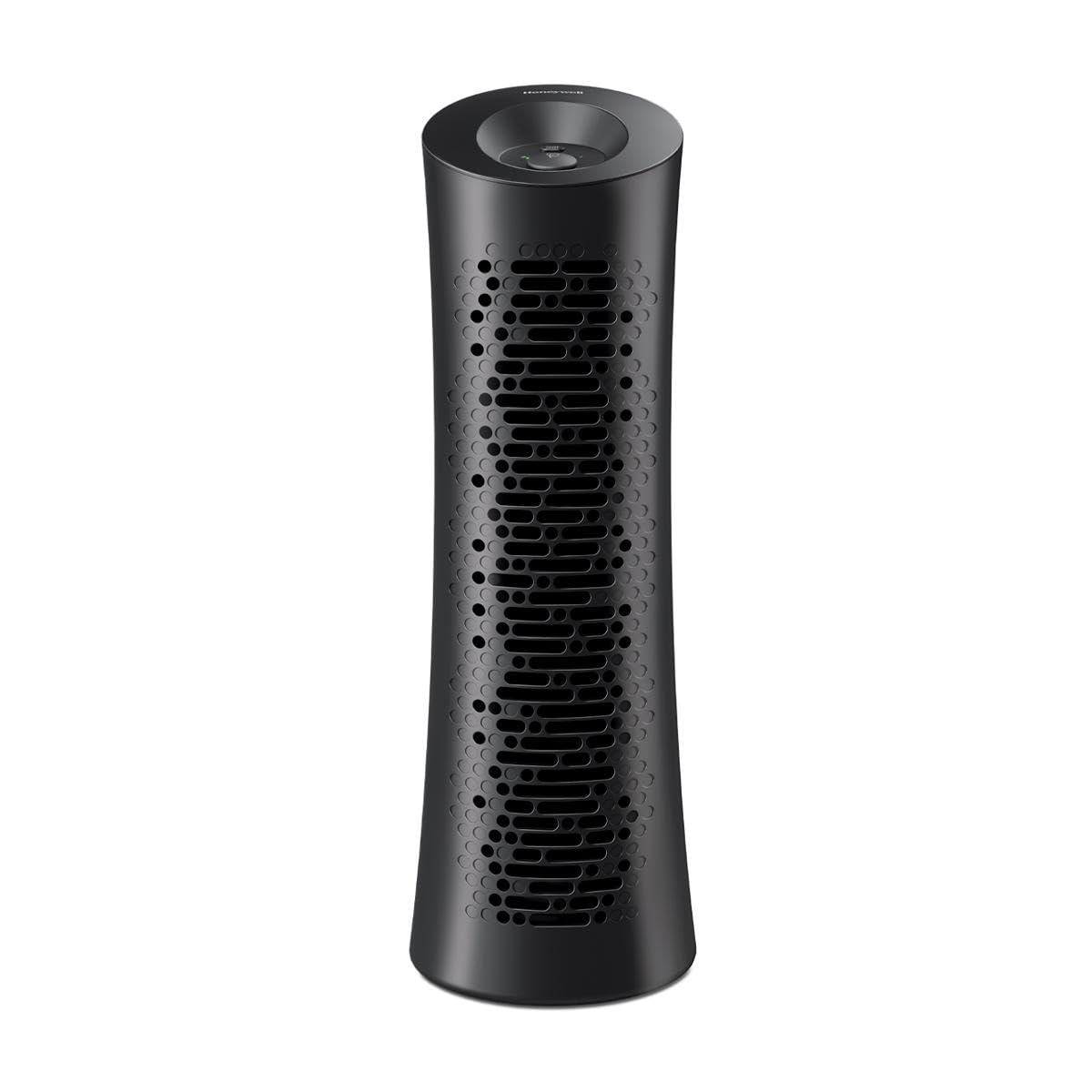
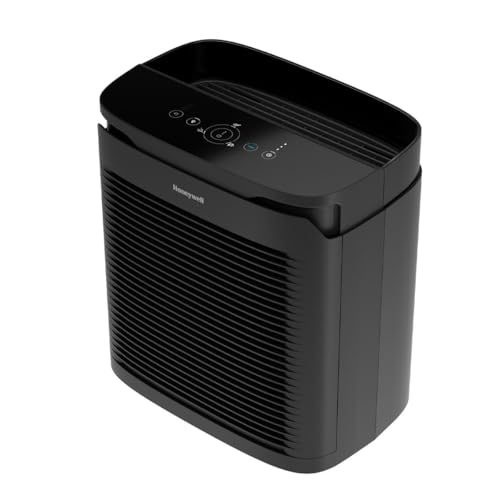
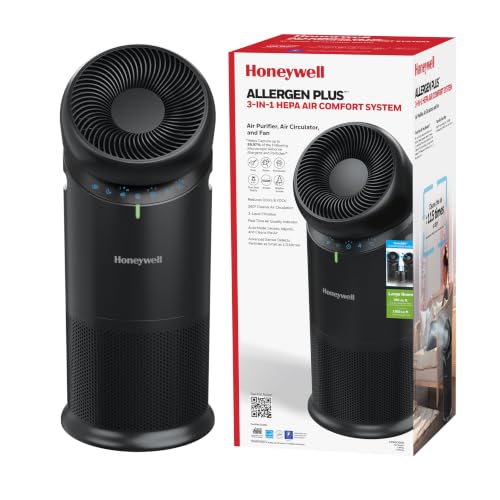
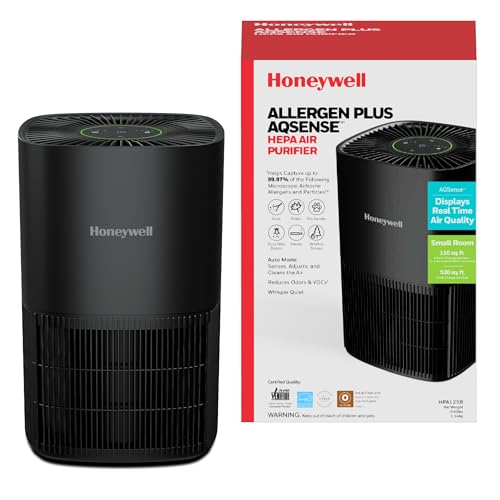
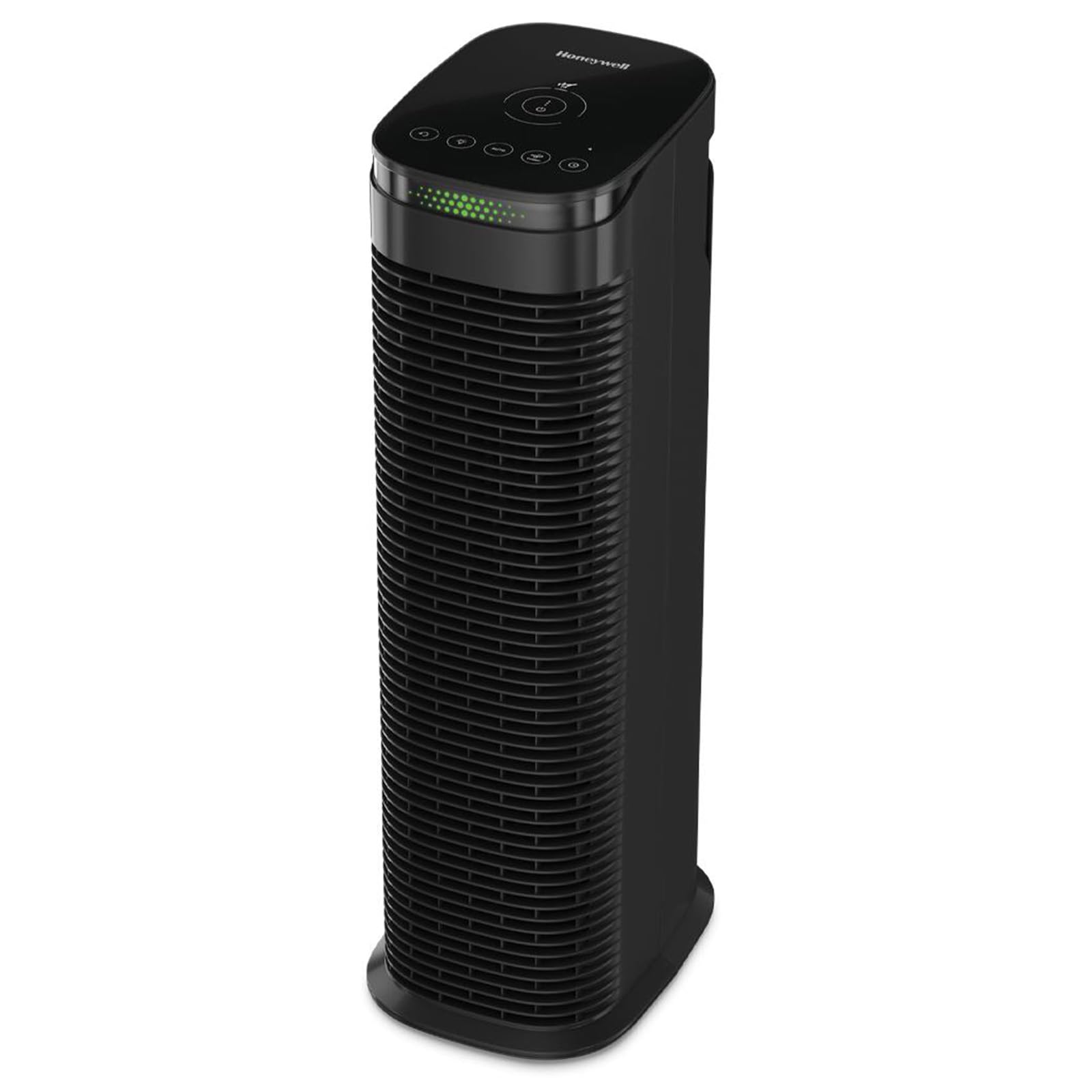
Honeywell has sold home air purifiers for decades, and its lineup follows a consistent logic: compact towers for bedrooms, larger towers and consoles for living spaces, all built around a washable or replaceable prefilter plus a fine particle filter, with odor focused prefilters on many models. This guide walks that lineup without leaning on model numbers, which change often. The product table shows the current range, and our hub guide to the best air purifier category puts the brand in wider context.
Who Should Buy Which Honeywell Air Purifier?
Within one brand, the size class is the decision. Match the class to your room and your main air problem.
Bedroom and Nursery Users Who Need Quiet, Compact Towers
Small Honeywell towers suit rooms up to roughly 100 to 200 square feet, where footprint and night noise matter more than raw power. Look for a genuine low speed quiet enough for sleep and a display that dims or switches off. In a nursery or bedroom, place the unit where intake air is not blocked by bedding or curtains. Filtration reduces airborne dust in the room; it is not a health treatment, and questions about a child breathing or sleep issues belong with a pediatrician, not a product listing.
Living Room and Open Plan Households
Large rooms need the bigger end of the lineup: full size towers and console units rated for roughly 300 to 500 square feet, with the airflow to cycle that volume several times a day. Open plan spaces cheat ratings, because the air volume includes the kitchen and hall, so size up one class when the space has no door to close. Bigger Honeywell units also tend to run quieter at the same delivered airflow, since the fan loafs instead of straining.
Pet Owners Who Want Filters They Can Buy Anywhere
The practical charm of a big brand is the refill shelf: Honeywell prefilters and HEPA filters are stocked by hardware chains and online sellers alike, so a spent filter never waits on a rare part. Pet homes burn through prefilters quickly, and the brand sells odor reducing prefilter variants aimed at pet and smoke smells, which pair with the main particle filter for dander. Our guide to the best air purifier for pets compares how brands handle the hair and odor combination.
Key Features to Compare
Inside one lineup, five factors separate the right Honeywell from the almost right one.
Room Size Classes in the Lineup
Honeywell rates its purifiers by room area, and the honest way to use those numbers is with the two thirds rule: pick a unit whose smoke CADR is at least two thirds of your room square footage for about two air changes per hour, and go larger if the room has high ceilings or stays open to other spaces. The lineup climbs from personal and small room towers through mid size room models to large consoles, and the price steps between classes are smaller than the performance steps. Buying one class up is the cheapest upgrade in the category, because an oversized unit on a lower speed is quieter and its filters load more slowly.
Filter System and Refill Availability
Most Honeywell purifiers pair a prefilter with a True HEPA main filter. The prefilter is your maintenance lever: standard prefilters catch hair and coarse dust and can be vacuumed, while carbon based odor prefilters add gas and smell control and are replaced more often. Main HEPA filters are coded by letter on the box, and each size class takes its own code, so write yours down before the first replacement is due. Refill prices vary by class, with large console filters costing more but lasting longer. Check the per year cost for your class rather than the shelf price of a single filter.
Tower vs Console Footprints
Towers stand tall and narrow, slip beside a dresser or desk, and suit bedrooms and offices where floor space is tight. Consoles are wider, shorter boxes that move more air per cycle and often serve living rooms better, at the cost of a bigger footprint and a look that reads more appliance than furniture. Both draw air through intakes that need clearance, so neither belongs flush in a corner behind a couch. If the unit will live in a child room or a busy hallway, the tower tip resistance and smaller base deserve a thought as well.
Controls, Sensors, and Extra Modes
Across the lineup you will find simple dial or button speed controls at the simple end, and at the richer end, air quality sensors with auto mode, filter change reminders, timers, and on some towers, oscillation that sweeps cleaned air across the room. Auto mode is worth having in busy living spaces because the unit responds to cooking or a crowd without your attention. Filter reminders based on run time are helpful, though they cannot smell a spent odor prefilter, so keep your own nose involved. Germ focused ultraviolet features appear on some models; treat them as extras, not reasons to buy, since the filters do the measurable work.
Noise Across Speed Settings
Every Honeywell lists speeds from a quiet low to a turbo that you will only use in bursts. Judge the model by its middle speeds, where daily life happens: that is the noise you hear over dinner and television. Turbo is for a fast clear out after cooking or vacuuming, and even twenty loud minutes is tolerable if the everyday settings are calm. Bedroom buyers should check the low setting honestly, because a purifier switched off for being annoying cleans nothing at all.
Matching a Honeywell Size Class to Your Room
Start with a tape measure, not the box. Multiply room length by width for square footage, and note the ceiling height: rooms taller than about eight feet hold more air than the rating assumes, so step up a class. Then decide the job. Dust and pollen call for CADR headroom; odors call for the odor prefilter option and steady running in the room where the smell starts. Allergy focused shoppers should read our guide to the best air purifier for allergies for the particle side of the decision, and remember that a purifier supports, but does not replace, medical advice for asthma or significant symptoms. For damp rooms with musty smells, fix the moisture first; our guide to the best air purifier for mold explains why a purifier comes second in that sequence. Place the chosen unit where air can reach its intake, a few inches from walls, away from corners, and let it run long hours at moderate speed rather than short noisy bursts.
Common Mistakes to Avoid
- Buying the size class that matches the room on paper, then running it in an open plan space twice that volume.
- Forgetting to record the filter letter code for your class, then ordering the wrong refill a year later.
- Leaving the shipping plastic on the internal filter, a classic first setup error that makes a new unit move no cleaned air at all.
- Judging the odor prefilter by the main filter schedule, so smells return months before the HEPA filter is due.
- Parking the unit in a corner with its intake blocked, which quietly cuts the airflow the ratings promise.
- Expecting any purifier to resolve a damp or mold problem that needs the moisture source repaired first.
How to Make Your Honeywell Air Purifier Last Longer
Vacuum the prefilter every few weeks, more often with pets, because it guards the expensive HEPA filter behind it. Replace filters by the maker schedule and your own checks: the HEPA stage is done when airflow and dust control fade despite a clean prefilter, and odor prefilters are done when smells stop clearing. Keep the box or a note with your filter letter code and install dates. Wipe the housing and intake grilles monthly, keep the unit out of steamy bathrooms where moisture loads the media, and store spare filters sealed indoors rather than in a garage where the carbon in odor prefilters starts absorbing vapors on the shelf. Run the purifier steadily instead of cycling it hard, which is gentler on the fan motor. With that light routine, the machine itself should serve for many years, and the brand wide availability of refills means filter supply is unlikely to be what retires it.
FAQ
Is Honeywell a good air purifier brand?
It is one of the longest running names in home air cleaning, and its strengths are consistency and distribution: the lineup logic stays stable, and replacement filters are stocked widely at fair prices. The designs favor function over novelty, so you get proven filter formats rather than experimental features. Whether a given model suits you still comes down to size class and refill cost, which is why this guide focuses on those instead of badges.
How do you clean a Honeywell air purifier?
Start with the prefilter: vacuum it, or rinse it only if the manual for your model allows, and dry it fully before reinstalling. Wipe the grille and housing with a dry or slightly damp cloth. The main HEPA filter is not washable; clean around it, never soak it. Work with the unit unplugged, and use the cleaning session to check the filter change reminder and note how loaded the prefilter looked, which tells you whether your interval is right.
Which Honeywell air purifier size should I buy for a living room?
Measure the room and apply the two thirds rule: the smoke CADR should be at least two thirds of the square footage, and open plan rooms should count the connected space, not just the seating area. For most living rooms that lands in the large tower or console class, roughly the 300 to 500 square foot ratings. Sizing up one class buys quieter running at the same cleaning rate and slower filter loading, which most owners appreciate within a month.
Are Honeywell replacement filters easy to find?
Yes, and that is a core reason to choose the brand. Filters are coded by letter for each size class and sold through hardware stores, big box retailers, and online marketplaces, so you are rarely stuck waiting on a single source. Prices are competitive for the same reason. The one discipline required is yours: confirm the letter code for your exact class before ordering, because the codes look similar across sizes.
How long does a Honeywell air purifier last?
The appliance commonly lasts about five to ten years with filter changes on schedule, since the fan and housing have little to wear out when airflow stays clean. Prefilters are replaced or washed many times in that span, odor prefilters several times a year in smelly homes, and the main HEPA filter roughly yearly depending on class and use. Neglect shortens everything: a clogged prefilter makes the motor work against resistance on every run.
Final Thoughts
Choosing inside a single lineup is refreshingly mechanical: measure the room, step up a class if the space is open or the ceilings are high, confirm the filter code and its yearly cost, and pick the tower or console shape that fits the floor. The product table above shows the current Honeywell field in that light. Done this way, the best honeywell air purifier for your home is simply the size class you will never outgrow, with filters you can buy anywhere. If breathing symptoms are part of your decision, let a doctor guide the health side and let this machine handle the air.


