
Best Air Purifier With Carbon Filter for 2026: Two Filters, Two Different Jobs
Disclosure: We may earn a commission when you buy through links on this page, at no extra cost to you. As an Amazon Associate I earn from qualifying purchases. Learn more

How to choose an air purifier with a carbon filter: filter stage order, HEPA pairing, CADR room sizing, carbon weight and replacement bundle costs.
Most homes do not have a single air problem. They have dust on the shelves and a litter box smell in the corner, pollen in spring and cooking odors all year. That mixed reality is why so many shoppers land on the best air purifier with carbon filter: a combined machine whose particle stage catches dust, dander, and pollen while its carbon stage adsorbs the gases and odors a particle filter cannot touch.
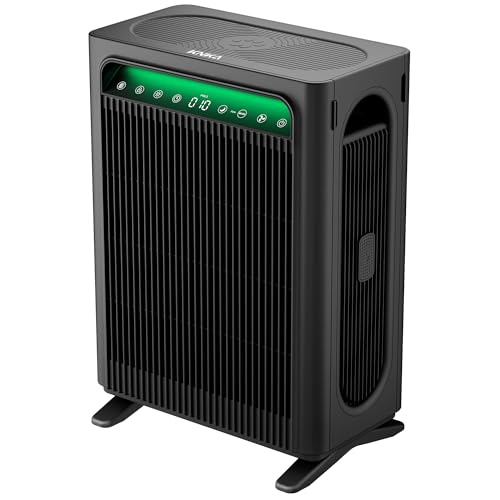
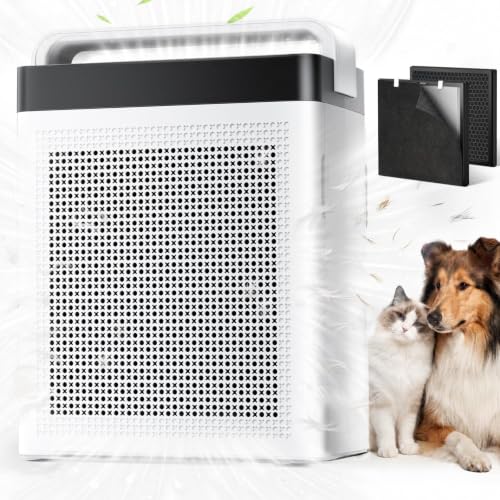
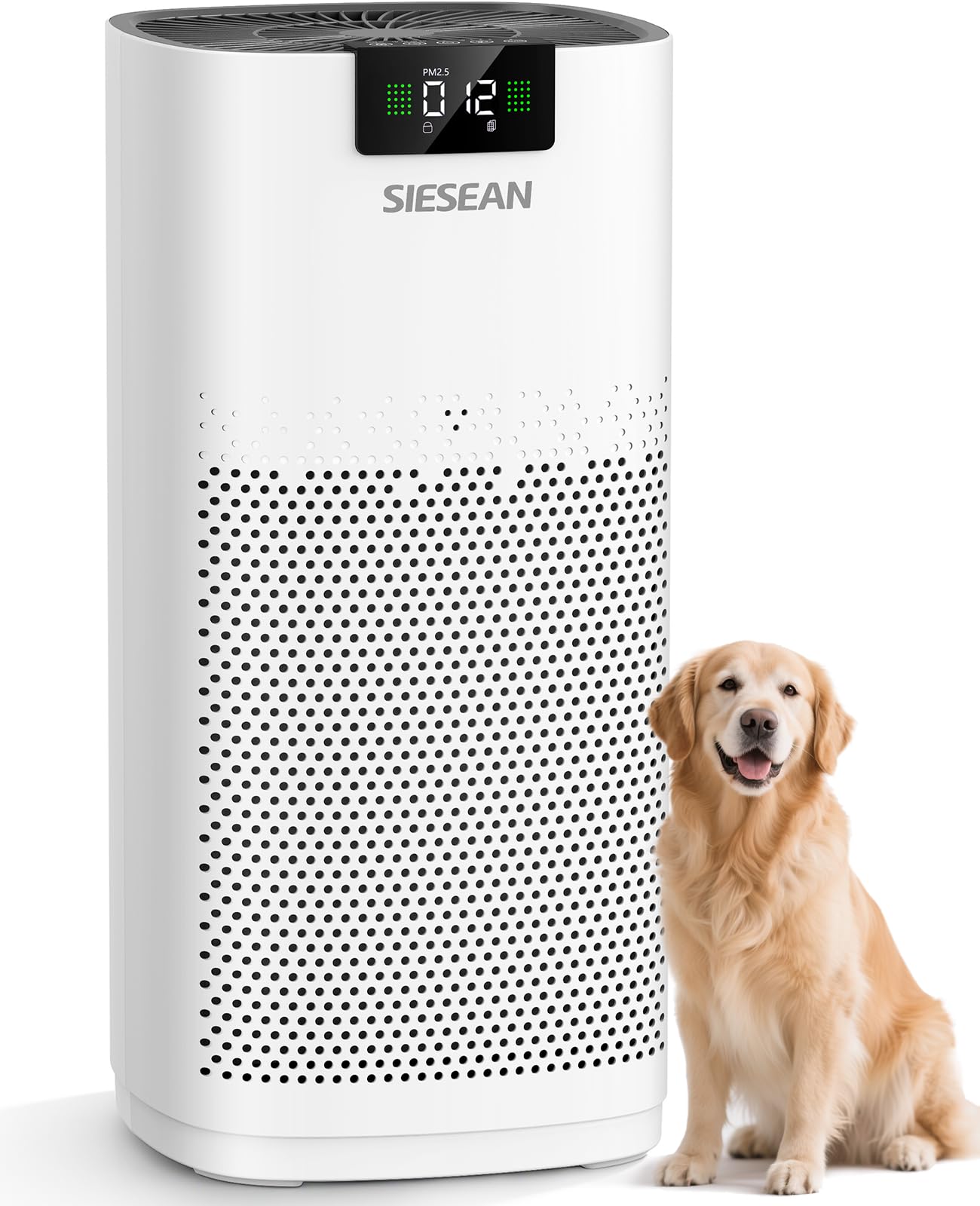
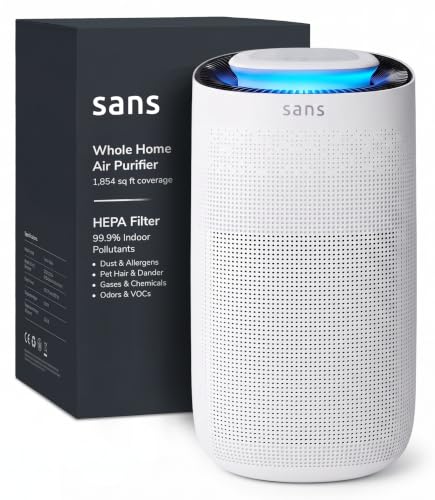
Combination sounds simple, but the details decide value: the order of the filter stages, how much carbon the maker actually included, and what the replacement bundle costs each year. This guide reads the filter stack the way an engineer would, then covers room sizing and upkeep. The comparison table below lists current combined models. For the full category picture, our hub guide to the best air purifier range is the place to start.
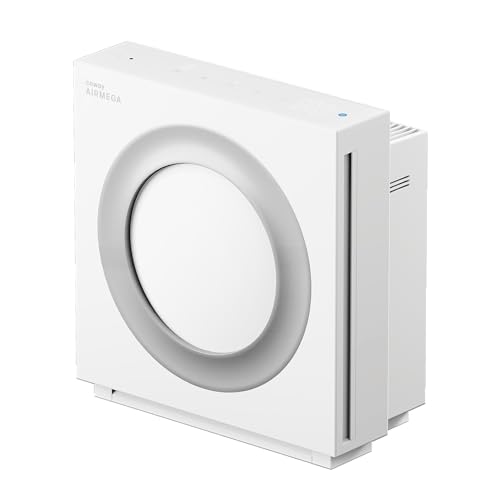
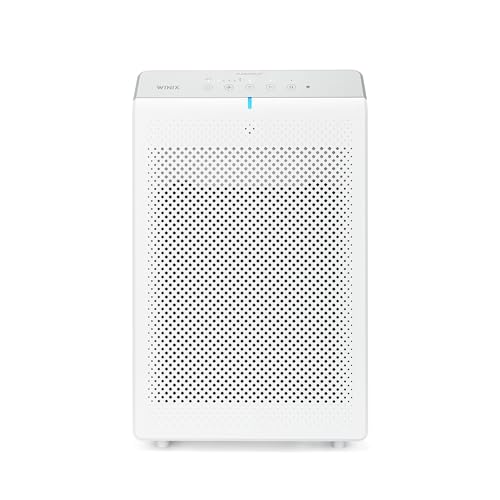

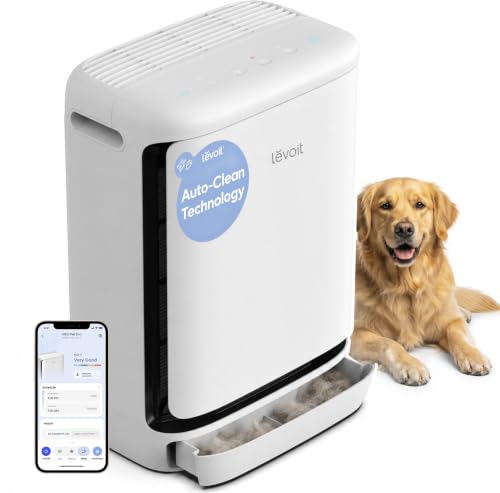
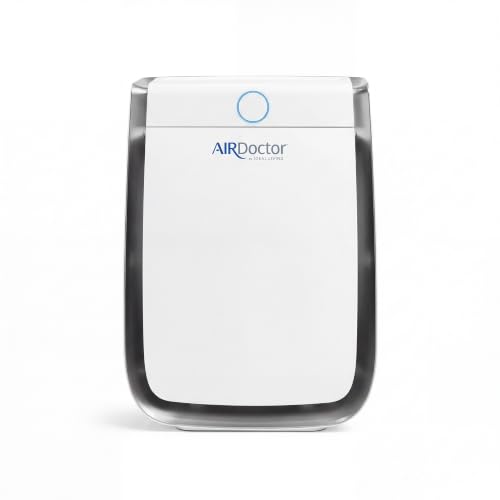

Who Should Buy Which Air Purifier With a Carbon Filter?
A combined unit suits mixed problems. The households below get full value from both stages working together.
Pet Owners With Both Dander and Odor
Pets produce particles and gases at once: dander and hair floating in the air, plus litter and bedding odors sinking into the room. A combined purifier near the pet zone catches the dander in its particle stage and the odor in its carbon stage, handling in one box what neither filter does alone. Size the unit generously, because pet rooms load filters fast. Our guide to the best air purifier for pets goes deeper on placement and prefilter care for homes with heavy shedding.
Allergy Season Households That Also Cook and Keep Windows Shut
When windows stay closed against pollen, indoor odors build up at the same time. A combined unit addresses the pollen with its particle stage and the trapped cooking and cleaning smells with carbon. Keep the medical framing honest: filtration can reduce airborne particles in the room, but it is not a treatment, and anyone with asthma or persistent symptoms should follow a plan made with their doctor. Our guide to the best air purifier for allergies explains how to weigh CADR ratings for particle work.
Apartment Dwellers With Traffic Smells and Limited Space
One machine on one shelf is the apartment constraint, and a combined purifier respects it: dust from the street, exhaust odors through the windows, and cooking smells from a small kitchen all meet one filter stack. Choose a unit whose footprint and noise fit a bedroom or studio, and confirm that replacement filters are sold as a reasonably priced bundle, because apartment storage rarely holds spares bought in bulk.
Key Features to Compare
Combined units all claim the same two stages. These five checks show which ones built each stage properly.
Stage Order and Filter Combination
Read the stack from intake to exhaust. Air should meet a prefilter first, which catches hair and large dust and protects everything downstream. Next comes the carbon stage, then the fine particle stage last, so the air leaving the machine is polished after gas treatment. Some designs wrap the stages into one combined cartridge, which is convenient but forces you to replace all stages together even when only one is spent. Separate stages cost a little more attention and usually less money, because a saturated carbon element can be swapped while a healthy particle filter stays in service. Check which design you are buying before comparing prices.
CADR and Room Sizing
The particle stage is rated by CADR, a measure of how much cleaned air the unit delivers for dust, pollen, and smoke particles. A common sizing rule from industry guidance is to choose a smoke CADR of at least two thirds of the room area in square feet, which yields roughly two air changes an hour; allergy focused use often targets more. Carbon has no equivalent rating, so makers advertise room coverage based on the particle stage alone. A unit can be honestly sized for dust in your room and still carry too little carbon for your odor load, which is why the next check matters just as much.
Carbon Stage Weight in a Combined Unit
In combination machines the carbon stage is where budgets get trimmed. Some units include a respectable granular bed or thick carbon pellet panel; many include a thin carbon sheet whose job is light odor freshening for a few weeks. For litter boxes, smokers, or heavy cooking, that sheet is the first part to fail, long before the particle filter wears out. Look for a stated carbon weight or a visibly deep carbon element, and plan on the carbon stage being replaced two or three times for every particle filter swap in odor heavy homes.
Replacement Bundles and Yearly Cost
Filter math decides the real price of a combined purifier. Add up one year of ownership: prefilters are usually washable and free, the particle stage commonly lasts about six to twelve months, and the carbon stage lasts about three to six months under real odor load. Some brands sell all in one annual bundle at a discount; others price the carbon element high because they know it is a repeat purchase. A machine that looks about $50 cheaper today can cost more by the second year. Also check stock: filters for discontinued lines get scarce and expensive, so a current model from a line with wide retail support is the safer buy.
Fan Speeds, Noise, and Sleep Mode
A purifier only cleans when it runs, and it only runs when the household tolerates it. Judge noise at the medium speed you will actually live with during the day, and check whether the sleep mode still moves meaningful air or merely idles quietly. Useful extras include a filter change indicator based on run hours, an auto mode that reacts to a particle sensor, and display lights that fully switch off at night for bedrooms. Timer and scheduling features help pet rooms and kitchens, letting the unit work hardest right after litter box use or dinner.
Reading the Filter Stack Before You Buy
Product photos usually show the filter stack if you look for the maintenance page rather than the lifestyle shots. Count the stages and measure their depth with your eyes: a carbon element you can see through is a sheet; a panel an inch or more deep is a bed. Look up the replacement part numbers and their prices on the same shopping trip, because that five minute check predicts your second year cost better than any launch discount. Finally, note which direction air flows and where the unit must sit: combined purifiers need clearance at the intake, so a machine designed for a wall hug but installed in a corner blocked by furniture underperforms its ratings. Mold prone rooms deserve a last word of caution: a purifier can help with musty odor and airborne spores after the moisture source is fixed, but it cannot dry a wall or remediate growth, and our guide to the best air purifier for mold lays out the correct sequence.
Common Mistakes to Avoid
- Assuming the carbon stage lasts as long as the particle filter, so odors return months before the change indicator lights up.
- Sizing by the headline room area for a studio, then placing the unit in a much larger open plan space where it cannot keep up.
- Buying a combined cartridge design without checking its price, then paying full stack cost every time only the carbon is spent.
- Blocking the intake against a wall or curtain, which starves airflow and cuts both particle and carbon performance.
- Expecting the carbon stage to handle a moisture problem, when musty odors return until the leak or damp source is repaired.
- Running the unit only at night, leaving daytime cooking and pet odors to soak into soft furnishings.
How to Make Your Air Purifier With Carbon Filter Last Longer
Vacuum the prefilter every couple of weeks; it is the cheapest maintenance in the house and it protects both expensive stages behind it. Keep a simple log of filter install dates on a label inside the filter door, because the carbon stage fails by smell rather than by sight and memory is unreliable. Rotate your expectations with the seasons: pollen season loads the particle stage, winter closed window season loads the carbon. Store spare filters sealed and indoors, away from garages and laundry vapors, since carbon begins adsorbing the moment it meets air. Wipe the sensor lens and intake grille monthly so auto mode reads the room honestly, and keep the unit a few inches from walls and furniture on the intake side. None of this is difficult, but skipping it is why many combined units quietly become dust only machines with a dead carbon stage inside.
FAQ
Is an air purifier with a carbon filter worth it?
Yes, for the common household mix of dust, dander, and everyday odors, because one machine covers both pollutant families. The value depends on the carbon being substantial enough for your odor load and on replacement costs staying reasonable. If your home has no odor concerns at all, a particle only unit is simpler and cheaper to run; if odors dominate and particles are minor, a carbon heavy specialist fits better.
How often should the carbon filter be replaced in a combined air purifier?
Most combined units need a fresh carbon stage about every three to six months with daily running, sooner beside litter boxes or in homes with smokers. The particle stage typically lasts about twice as long. Trust your nose over the calendar: when cooking and pet odors stop fading while the unit runs, the carbon is saturated even if the indicator disagrees, because most indicators count hours rather than measuring the bed.
Can an air purifier with a carbon filter remove pet odors?
It reduces them steadily, yes. The carbon stage adsorbs litter box and bedding odor compounds from the air that passes through it, so a unit placed near the pet area keeps background smell down between cleanings. It does not clean the box, the bed, or the carpet, and a saturated carbon stage does nothing at all. Source cleaning plus fresh carbon is the combination that actually changes how a pet room smells.
How do you clean an air purifier with a carbon filter?
Clean what is cleanable: vacuum or rinse the prefilter, wipe the grille and housing, and dust the sensor. The carbon and fine particle stages are not washable; rinsing them ruins the media and voids the point of the filter. When a stage is spent, replace it and note the date. Running a stage past its life does not save money, because the fan works harder against loaded media and moves less air.
How long does an air purifier last?
The machine itself commonly runs about five to ten years; fans and electronics are durable when filters are changed on time. Filter neglect is the usual killer, since a clogged stack makes the motor labor and overheat. Budget the purifier as an appliance with a yearly filter cost, and choose a model whose filters are stocked by several sellers, because filter availability, not hardware, is what ends most purifiers useful lives.
Final Thoughts
Use the product table above to shortlist, then do the two checks that separate good combined units from weak ones: read the filter stack order and depth, and price a full year of replacement filters. A purifier with a real carbon stage beside its particle filter handles the mixed air of real homes, dust and dander on one side, cooking and pet odors on the other. Picked with its running costs in view, the best air purifier with carbon filter is the single box that keeps a closed up home feeling fresh. Households managing asthma or allergies should fold this purchase into a plan discussed with their doctor.


