
Best Fabric Shaver for Wool in 2026: A Buying Guide
Disclosure: We may earn a commission when you buy through links on this page, at no extra cost to you. As an Amazon Associate I earn from qualifying purchases. Learn more

Compare fabric shavers for wool by guard height, head size and power source, so pills come off sweaters and coats without thinning the knit.
Wool pills faster than almost any other fiber, and the soft halo of fuzz on a favorite sweater can make a good garment look tired long before it is worn out. The best fabric shaver for wool is not simply the most powerful one. Wool is a protein fiber with a springy, delicate surface, so the right shaver trims pills at exactly the surface height while gliding over the knit without nicking the loops beneath. Too aggressive, and each pass thins the fabric you were trying to save.
This guide covers who needs which style, the features that protect fine knits, and the technique that makes the difference between a restored sweater and a damaged one.
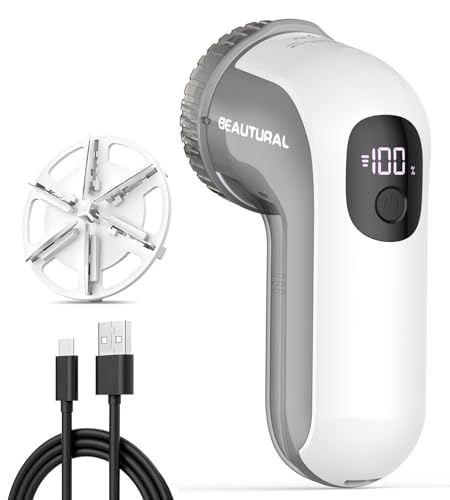


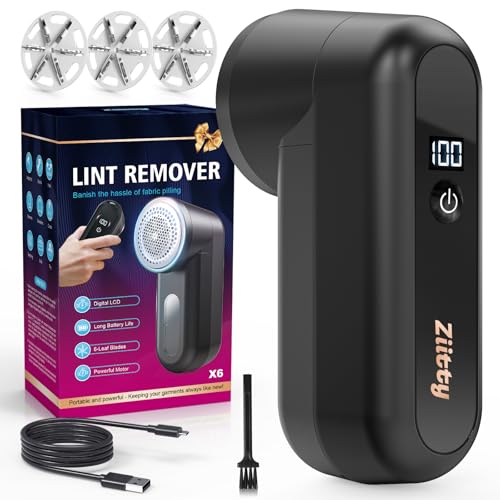
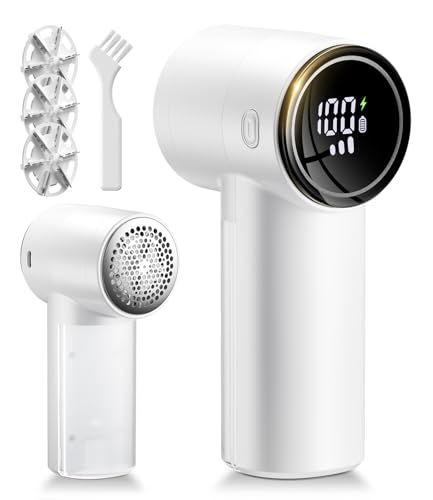


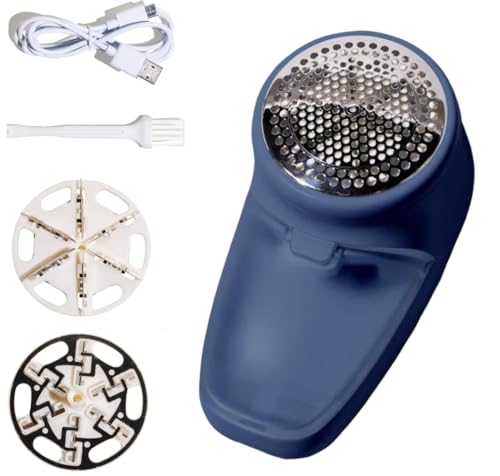
Who Should Buy a Fabric Shaver for Wool?
Wool owners divide into three groups, and each should shop with a different priority.
Owners of Fine Merino and Dress Sweaters
Fine gauge wool shows pills early, especially under arms and where a bag strap crosses, and the knit beneath those pills is thin. Your priority is control: an adjustable shaving height and a fine foil that only admits the pill, not the loop. The same care rules that govern our guide to the best fabric shaver for sweaters apply here in their strictest form, because a single snag in a dress sweater is hard to hide. If you own cashmere as well, shop for the gentlest setting, not the fastest motor.
Owners of Wool Coats, Blankets, and Throws
Bigger wool items pill across broad, flat areas, and the job is measured in minutes rather than moments. A wide shaving head and a generous lint bin matter more than micro level height adjustment, because stopping to empty a tiny bin every few passes gets old fast. Weight also counts: a coat and two blankets can mean a long stretch of steady gliding, so a shaver that sits comfortably in the hand beats a featherweight mini that cramps your grip.
Knitters and Thrift Shoppers Restoring Garments
If you rescue second hand wool or maintain hand knitted pieces, you meet every state of fabric from light fuzz to heavy matted pilling. A shaver with replaceable blades earns its keep in your drawer, because restoration work dulls blades faster than maintenance work does. You also benefit from a model that handles both directions of fabric behavior: tightly woven coat wool that tolerates a firmer pass, and lofty hand knits that need the lightest possible touch and plenty of patience.
Key Features to Compare
The wider category is mapped in our guide to the best fabric shaver. For wool specifically, compare the following before anything else.
Adjustable Shaving Height and Guard Rings
This is the defining feature for wool. A guard or spacer ring lifts the blades a fraction away from the fabric, so the shaver clips pills while the knit surface passes safely below. Multiple height settings let you start high on a fine sweater and drop lower on a sturdy coat. Fixed height shavers are built around an average fabric, and wool is rarely average: too close on merino risks shaving the loops themselves, too far on a felted blanket leaves the pills half cut. If a shaver offers only one setting, it should at least be a conservative one.
Foil Design and Blade Quality
The perforated foil over the blades decides what gets cut. Small, even holes suit fine pills on smooth knits, while a foil with varied hole sizes catches the mixed pill sizes that build up on coats and cardigans. Behind the foil, sharp stainless blades matter more than motor speed, because a dull blade drags pills instead of cutting them, and dragging pulls threads out of the weave. Check that replacement blades are sold for the model you choose, since a shaver with fresh blades performs like a new tool while a dulled one cannot be rescued by technique.
Power Source: Battery, Rechargeable, or Corded
Power shapes how a shaver behaves across a long session. Our guide to the best electric fabric shaver compares the options in full; for wool, the practical points are these. Battery models are light and fine for a sweater or two, but fading batteries slow the blades and increase dragging. Rechargeable models hold steadier power and suit coat work. Corded models never fade at all, which matters when you face a pile of winter garments in one sitting, at the cost of working near an outlet.
Lint Bin Size and Easy Emptying
Wool produces a surprising volume of fluff, and a full bin blocks the foil and quietly ruins performance mid garment. A bin you can see through, or one that opens without tools, keeps the job moving. On large items, bin size is not a convenience detail but a quality feature: every stop to empty a tiny bin is a chance to lose the rhythm of even pressure that good results depend on. Some shavers route lint into a compartment behind the head, which keeps the working face clear longer.
How to Shave a Wool Garment Without Damaging It
Lay the garment flat on a firm surface and pull it gently taut with your free hand, because a shaver crossing a fold will cut the fold. Set the highest guard height, try it on an inside hem, then work in small, slow circles with the lightest pressure that still makes contact. Empty the bin whenever it looks half full, and inspect the area in daylight before moving on, because pills hide in shadow. Save seams, buttons, and embroidered areas for last and approach them from the side rather than head on. The same flat and taut method scales up to wool blankets and throws, where our guide to the best fabric shaver for couch fabrics covers the furniture sized version of the job.
Common Mistakes to Avoid
- Pressing hard to finish faster, which forces knit loops into the foil and shaves the fabric instead of the pills.
- Working on a garment draped over a knee, where folds and curves invite the blades to bite into raised threads.
- Skipping a trial on a hidden patch of a fine sweater, which turns an unknown guard height into a visible shaved stripe.
- Continuing with a full lint bin or dull blades, so the shaver drags and pulls threads instead of cutting cleanly.
- Shaving a damp or freshly washed sweater, because softened, raised fibers cut unevenly and pill worse afterward.
Care and Maintenance: Keeping the Shaver and the Wool in Shape
After each session, brush the lint out of the head and bin with the small brush most shavers include, and store the tool dry with its protective cap on, away from children. Replace blades at the first sign of dragging rather than on a schedule, because wool is unforgiving of dull edges. For the garments, fold wool instead of hanging it, rest a sweater a day between wearings, and turn pieces inside out in the wash, since friction against other clothes is where most pills are born. A shaver used lightly twice a season preserves a wardrobe far better than an aggressive rescue once a year.
FAQ
Will a fabric shaver thin a wool sweater over time?
Used correctly, no. With the guard set high and a light touch, the blades meet only the pills, which stand above the knit surface. Thinning happens when pressure pushes the loops themselves into the foil or when a fixed height shaver sits too close for a fine fabric. If you can see short cut fibers in the lint bin that match the sweater's main color in bulk, reduce pressure and raise the guard.
Can a fabric shaver for wool be used on cashmere?
Yes, with extra caution. Cashmere fibers are finer and shorter than sheep wool, so choose the highest guard setting, the lightest pressure, and a foil in good condition, and try it inside a hem first. Work slowly and stop as soon as the surface looks clean, because the line between de pilled and damaged is thinner with cashmere than with any other common knit.
How often do fabric shaver blades need replacing?
Replace them when cutting quality drops: when you need extra passes, hear dragging, or see pulls instead of a clean surface. For a household maintaining a few sweaters, that may be once a year or less. Restoration work on many garments dulls blades far faster. Keeping a spare blade set with the shaver means the tool is always ready at full sharpness.
Why does a fabric shaver snag or stop on wool?
The three usual causes are a full lint bin blocking the foil, blades dulled enough to grab rather than cut, and a fold or seam lifting fabric into the head. Stop, empty the bin, check the fabric is flat and taut, and try again with a higher guard. Forcing a snagged shaver forward is how small pulls become holes, especially on loose knits.
Is a rechargeable or battery fabric shaver better for wool coats?
Rechargeable models hold steadier blade speed across a long coat session, and steady speed means even cutting without the dragging that fading batteries cause. Battery models are fine for one garment at a time. If your winter routine is a batch of coats and blankets in one sitting, rechargeable or corded power will give you the most consistent result.
Final Thoughts
For wool, control beats power: an adjustable guard, sharp blades, a flat surface, and a patient hand. The product table above shows how the main shaver styles divide along those lines. Chosen and used that way, the best fabric shaver for wool returns a pilled wardrobe to a clean, even surface season after season, without trading the pills for thinner fabric.


