
Best Handheld Vacuum With HEPA Filter for 2026: What the Filter Really Catches
Disclosure: We may earn a commission when you buy through links on this page, at no extra cost to you. As an Amazon Associate I earn from qualifying purchases. Learn more

How to choose a handheld vacuum with a HEPA filter: sealed design, true HEPA vs HEPA style filters, suction, battery life and filter costs explained.
You sweep the kitchen crumbs into a pile, grab a small vacuum, and watch a faint puff of dust drift out of its exhaust as you clean. That puff is exactly what filtration is supposed to prevent. Shoppers looking for the best handheld vacuum with hepa filter usually want the opposite experience: quick pickup of crumbs, litter, and hair, with the fine dust staying inside the machine instead of returning to the air.
Getting there takes more than a filter label. The filter class, the seals around it, and the airflow path decide what actually stays trapped, and the product table shows how current models are built. This guide explains how to read those specs, how suction and battery life trade against each other, and what the filters cost to maintain. If filtration is not your priority, our broader guide to the best handheld vacuum range covers the full category.


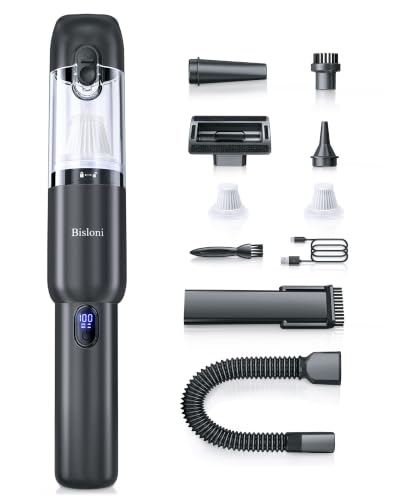


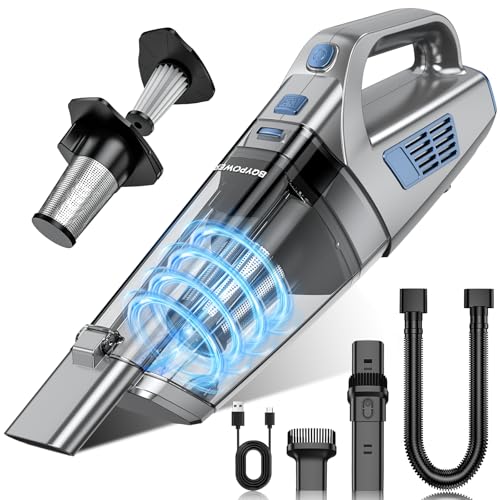
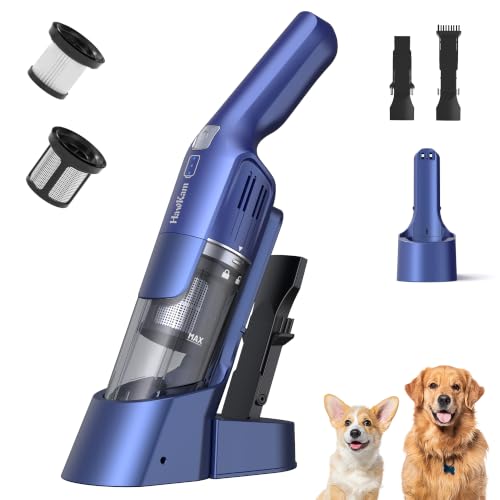
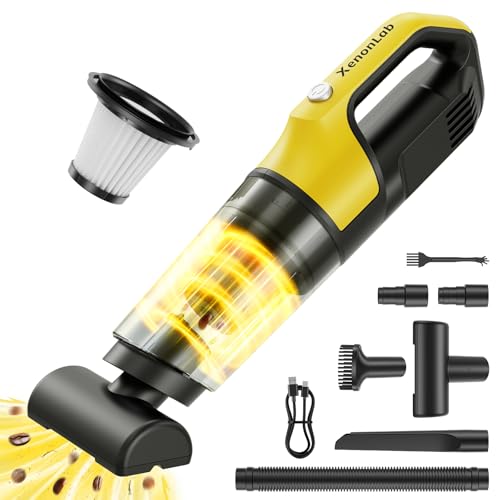
Who Should Buy Which Handheld Vacuum With a HEPA Filter?
A filtered handheld is a quick job tool. The buyers below get the most from the filter, provided the whole machine is sealed well enough to support it.
Households That Want Less Dust Blown Back Into the Room
If someone in your home is bothered by dust, a handheld with real HEPA filtration and a sealed body is the sensible quick cleanup tool: it picks up the visible mess and holds back the fine particles that cheaper exhausts blow around. Keep expectations grounded, though. A handheld treats crumbs and surface dust; it does not purify a room, and it is not a medical device. For ongoing symptoms, a clinician is the right source of advice, and this kind of vacuum is only one small part of a cleaner home routine.
Pet Owners Cleaning Litter, Hair, and Food Scatter
Pets create constant small messes in fixed spots: litter tracked outside the box, kibble around the bowl, hair on the couch edge. A handheld that lives on a charging dock near those spots gets used daily, and a washable prefilter keeps the HEPA element from clogging with hair. A motorized brush tool helps on upholstery. Our guide to the best handheld vacuum for pet hair digs into brush designs and cup sizes for homes with heavy shedding.
Drivers and Stair Owners With No Outlet Nearby
Cars and staircases share a problem: the mess is far from a convenient outlet and awkward to reach with a full size vacuum. A light cordless handheld with a crevice tool handles seat seams, floor mats, and stair treads in a few minutes. Filtration matters here too, because you are working close to the exhaust in a small space. Our guide to the best handheld vacuum for car cleaning compares reach, attachments, and battery sizes for vehicle use.
Key Features to Compare
Filter claims vary more than any other spec in this category. These five checks separate genuinely filtered machines from ones with a filter shaped piece of foam.
Filtration Class and Sealed Design
True HEPA media is rated to capture 99.97 percent of particles at 0.3 microns, the size that passes most easily through filters. Many handhelds instead use HEPA style or HEPA type filters, which look similar but are not held to that standard and may capture far less of the finest dust. Just as important is the seal: air that leaks around the filter or through gaps in the housing never gets filtered at all, so look for a sealed system claim and a filter that sits in a gasketed frame. An unsealed machine with a true HEPA filter can still puff dust from its seams.
Suction and Brush Roll
Manufacturers quote suction in air watts or pascals, and bigger numbers do lift heavier debris like litter and dry pet food instead of just dust. For upholstery and car mats, a small motorized brush matters as much as raw suction, because it flicks hair and grit out of fabric so the airflow can carry it in. Plain suction nozzles skate over embedded hair. If most of your messes are hard floor crumbs, suction alone is fine and a brush adds cost and hair tangles. Match the head to the surface you clean most.
Battery Life and Charging
Expect about 10 to 30 minutes of run time, with the top minutes quoted on the lowest setting you will rarely use. Strong suction modes drain a pack in as little as eight to twelve minutes, which is still enough for two or three quick jobs. A removable battery is a real advantage: you can swap in a spare and keep going, and you replace only the pack when it ages. Wall mounted charging docks keep the vacuum ready and visible, which sounds minor but is the difference between a tool you use daily and one buried in a closet. Most best cordless handheld vacuum designs now charge over a simple dock rather than a loose cable.
Dust Cup Capacity and Emptying
Handheld cups hold roughly 0.2 to 0.7 liters. A small cup is fine for crumbs but fills fast with pet hair, and an overfull cup chokes airflow long before it looks full, so suction fades mid job. One touch emptying that drops the contents without shaking keeps the dust you just trapped from puffing back out at the trash can. Consider how the cup opens: designs that require pulling the filter out with your fingers undo the point of buying a filtered machine, while trap door designs keep your hands and the air cleaner.
Attachments and Filter Costs
A crevice tool and a soft brush cover most handheld jobs; long flexible hoses and motorized pet tools add real value for cars and furniture. The quieter cost is filtration upkeep. Some HEPA elements are washable and last a year or more with gentle rinsing, while others are replace only and need swapping every three to six months at about $10 to $25 each. Check the price and availability of replacement filters before you buy, because a cheap vacuum with costly, hard to find filters becomes expensive within two years.
Where a Handheld Vacuum Fits: Quick Jobs, Not Whole Rooms
A handheld vacuum earns its place on jobs measured in minutes: cereal under a high chair, litter at the box, a muddy footprint trail, a car seat after a road trip. It is the wrong tool for a weekly whole room clean, where its small cup, short battery, and narrow nozzle turn a fifteen minute job into an hour of emptying and recharging. Think of it as the second vacuum in the house, the one that keeps small messes from becoming big ones between full cleans. Buyers with only one vacuum and mostly carpeted floors should put their budget into a full size machine first, then add a filtered handheld when quick jobs start piling up.
Common Mistakes to Avoid
- Trusting a HEPA style label as if it were true HEPA, which leaves the finest dust unfiltered despite the packaging.
- Never washing or replacing the filter, so airflow drops and the motor strains and overheats on every job.
- Vacuuming fine ash or construction dust, which coats and blinds HEPA media in a single use.
- Letting the dust cup overfill, which chokes suction and pushes dust back out through the exhaust.
- Storing the vacuum with a fully drained battery for months, which shortens the life of the pack.
- Using the handheld as your only vacuum for large carpeted rooms, which wears out the battery with constant deep discharge cycles.
How to Make Your Handheld Vacuum Last Longer
Empty the cup after every few uses and tap the prefilter clean outdoors, away from your face. If the HEPA element is washable, rinse it with water only, never soap or brushes, and let it dry for a full day before reinstalling it, because a damp filter grows mildew and blocks airflow. Keep a spare filter so the machine is never run without one. Wipe the seals and the filter seat when you swap filters, since grit on the gasket is a common leak path. Charge the battery after use rather than storing it flat, and keep the vacuum out of hot garages in summer. Replacement filters and packs are the main running costs, so buying a model whose filters are stocked by several sellers protects you if one source dries up.
FAQ
Is a handheld vacuum with a HEPA filter worth it?
It is worth it if fine dust bothers your household or you clean up close to where people sit and breathe, like couches and car seats. The filter premium is modest, and the benefit is real when the body is sealed. If your messes are mostly large crumbs on hard floors and nobody minds dust, a basic handheld does the same visible job for less money.
How do you clean the filter on a handheld vacuum?
Take the filter out over a trash bin and tap loose dust off first. Washable filters can be rinsed under plain water and must dry completely, usually about 24 hours, before going back in. Never use soap, compressed air at close range, or a vacuum on the filter itself, because all three can damage the fine fibers. Replace only filters should be swapped on the maker schedule, not washed.
How long does a handheld vacuum battery last per charge?
Most models run about 10 to 30 minutes depending on the power setting, with strong suction modes at the short end. That sounds brief, but handheld jobs are brief: a car interior takes about five minutes, a staircase about the same. If your quick jobs regularly run longer, pick a model with a removable pack and buy a spare, which also extends the usable life of the machine as the first pack ages.
Can a handheld vacuum with a HEPA filter pick up pet hair?
Yes, on hard floors and with the right tool on fabric. Hair on smooth surfaces needs only decent suction, while hair woven into upholstery needs a motorized brush to lift it. Empty the cup often during pet jobs, because hair fills the small cup quickly and mats against the filter, which is when suction drops off. A quick brush of the prefilter between passes keeps airflow strong.
Does a HEPA filter in a handheld vacuum help with allergies?
It reduces the dust the vacuum itself blows back into the room, which helps keep cleaning from stirring up the fine particles that settle on surfaces. It does not treat allergies, remove allergens from a whole room, or replace medical care. Anyone with asthma or significant allergy symptoms should talk with their doctor about a full plan, where room size air cleaning and bedding routines matter far more than a handheld vacuum.
Final Thoughts
Compare the product table above with three questions in mind: is the filtration true HEPA and sealed, does the suction and brush match your surfaces, and can you buy replacement filters easily in two years? A machine that answers all three turns daily crumbs, litter, and hair into two minute jobs with the dust staying where it belongs. For dust sensitive homes, the best handheld vacuum with hepa filter is less about power records and more about honest filtration that still works after a year of real use.


