
Best Large Kitchen Trash Can for 2026: A Buying Guide
Disclosure: We may earn a commission when you buy through links on this page, at no extra cost to you. As an Amazon Associate I earn from qualifying purchases. Learn more

Compare the best large kitchen trash can options by capacity, lid style and odor control, with sizing help for big households and busy kitchens.
A big cooking day tells you quickly whether your trash can is big enough. One oversized pizza box, a tray of chicken packaging, and a bag of vegetable scraps can fill a standard can before dinner is even served, and every extra trip to the outside bin costs you time with your hands covered in food. Choosing the best large kitchen trash can is mostly about matching capacity to how much waste your household actually produces, then picking a lid and bag system that keep the routine fast and clean.
This guide stays on the decisions that matter for a larger can: real capacity versus the number on the box, footprint and lid clearance, bag fit and liner costs, and the features that keep odors down between emptying days. The product table lines up the main types side by side so you can see how the formats differ before reading the detail.
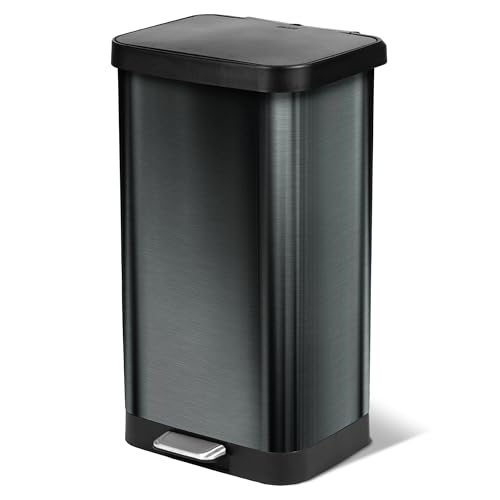

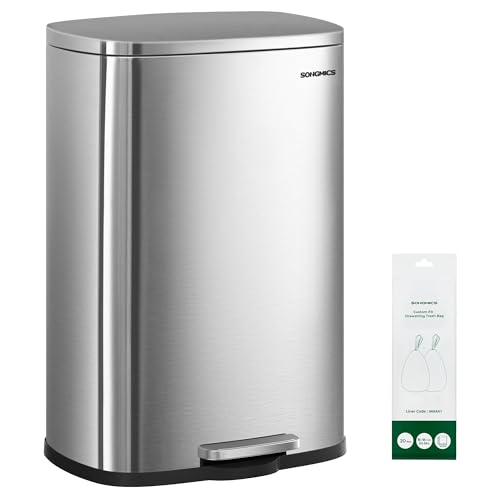
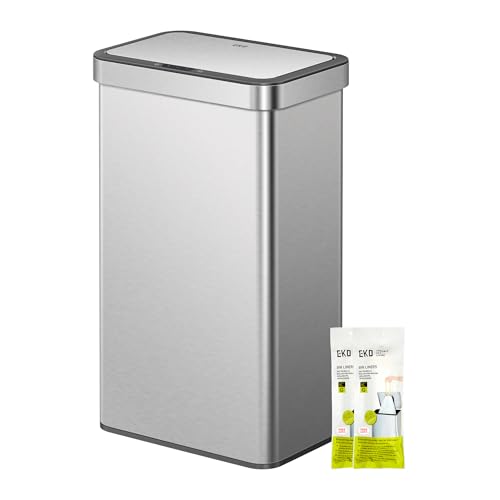

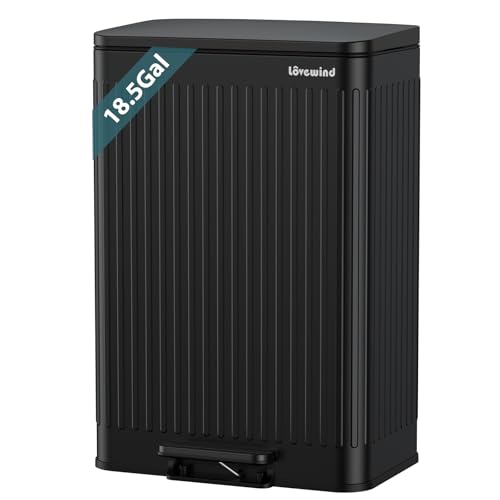
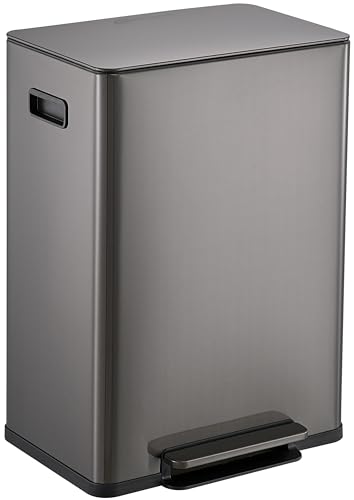

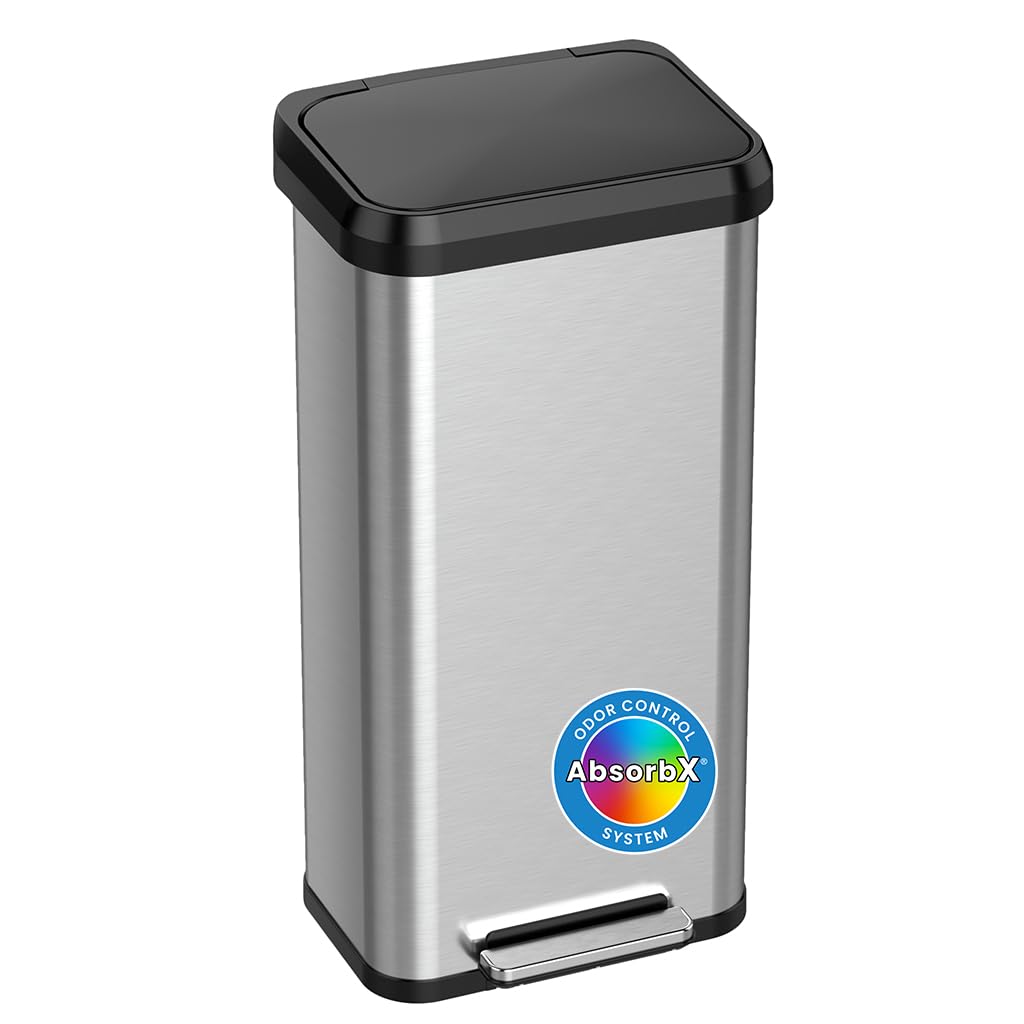
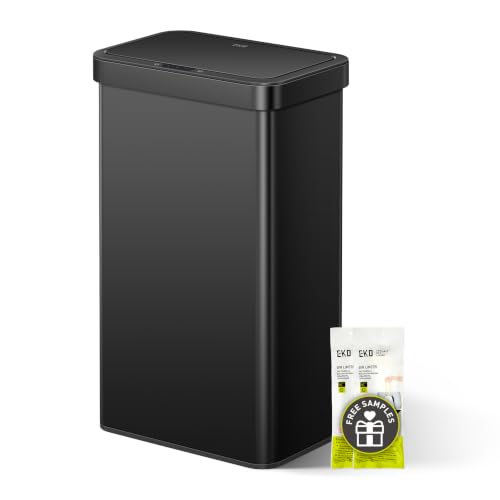
Who Should Buy a Large Kitchen Trash Can?
Families of four or more who cook most nights
A household of four or more that cooks daily can fill a 13 gallon can in about two days, and bulky food packaging makes it fill faster than the gallon rating suggests. A can in the 16 to 20 gallon range stretches that to three or four days, which means fewer half full bags wasted and fewer trips outside in bad weather. If your current bag is bursting before trash day, capacity is your real problem.
Meal preppers and bulk buyers
Batch cooking and warehouse shopping create a different kind of waste: large trays, big produce bags, and packaging that does not fold down. A wide opening matters as much as gallons here, because a narrow mouth forces you to crush boxes by hand over the can. Look for a rectangular or wide oval opening that takes a sheet pan sized tray without a fight, and a rim that holds the bag open while you scrape plates.
Homes with dogs and heavy food scrap waste
Pet households often throw away bulky cans of food, litter bag refills, and scraps that smell within a day. A large can with a firm closing lid keeps a curious dog out and contains odor longer than a small can emptied daily. Pair the size with a liner that fits snugly, because loose bags collapse into the can when heavy wet scraps land on them.
Key Features to Compare
Capacity and footprint
Gallons alone do not tell you how a can fits your kitchen. A 20 gallon slim can may slide into a gap beside the fridge, while a rounder 16 gallon can eats more open floor. If you are still deciding whether standard sizing is enough, compare against the best 13 gallon kitchen trash can options, which fit most households and most cabinets. Measure the floor space and the height under any overhang, then compare footprints rather than ratings. Bigger capacity also means a heavier full bag, so think about the walk to your outside bin. If stairs are involved, a mid size large can you can carry safely beats a giant one you have to drag.
Lid style and opening mechanism
Step pedals keep hands clean and work even when the power is out, while sensor lids open when your hands are covered in raw chicken juice, which is a genuine hygiene win during prep, and our guide to the best touchless kitchen trash can types explains those mechanisms in depth. Swing lids are cheap but brush against waste as it drops in, and they need headroom above the can. Whatever style you pick, check that the lid opens fully without hitting the counter edge, and that it closes with a seal firm enough to hold in odors and keep fruit flies out of the kitchen.
Bag fit and liner costs
Most large cans still use standard tall kitchen bags, but the biggest formats may need larger drawstring bags or brand specific liners that cost noticeably more per bag. Check which bag your shortlist takes before you buy, and look for a bag tuck hole or an inner rim that hides the bag edge and stops it slipping down under heavy loads. A can that wastes one bag in three to slipping quietly costs more over a year than the can itself suggests.
Odor control
Size delays odor problems, it does not solve them, because a big can holds scraps for more days. A lid that seals all the way around matters more than any filter. Carbon filter pockets in the lid help with mild smells, but they need replacing every few months and add a running cost. Some cans add a separate inner bucket for food scraps so the smelly fraction leaves the kitchen sooner. Whatever you choose, the honest fix is still a washable interior you can rinse before smells soak into seams and hinges.
Material and how easy it is to clean
Stainless steel looks sharp and resists odors, but it shows fingerprints and needs a wipe down to stay that way, and dents are permanent; the best stainless steel kitchen trash can designs handle that upkeep best with smooth interiors and treated finishes. Plastic is lighter, cheaper, and shrugs off the weekly hose down that a busy kitchen can really needs. For a cleaning focused buyer, the deciding detail is the interior: smooth walls, few seams, and a removable inner bucket you can take to the sink will save more effort over the can's life than any finish. Fingerprint resistant coatings help, but they wear first around the pedal and lid edge.
Will a Large Can Fit Your Kitchen? Measuring Before You Buy
Measure three numbers before ordering. First, floor footprint: width and depth of the spot, whether that is the end of an island, a gap beside the counter, or inside a deep pantry. Second, open lid height: step and sensor lids swing up and back, so add the lid's travel to the can's height and check it against counter overhangs and upper cabinets. Third, door swing and walkway clearance, because a wide can in a narrow galley kitchen becomes an obstacle you bump into daily. If the can will live inside a cabinet as a pull out, measure the cabinet interior, not the door, and confirm the frame leaves room for the lid or for bag removal. Ten minutes with a tape measure prevents the most common return reason for large cans.
Common Mistakes to Avoid
- Buying the biggest gallon rating without measuring lid clearance, so the lid bangs the counter every time it opens.
- Ignoring which bags the can takes, then paying for costly custom liners for years.
- Choosing a swing lid for a pet household, which lets dogs nose the lid open in seconds.
- Letting a large can go a week between empties in summer, so odor and fruit flies build up despite the lid.
- Scrubbing stainless steel with abrasive pads, which scratches the finish and makes future grime stick faster.
- Skipping the inner bucket wash because the bag looks clean, while spills collect underneath and start to smell.
How to Make Your Large Kitchen Trash Can Last Longer
Wash the inner bucket or can body about once a month with warm water and dish soap, and dry it fully before a new bag goes in, since trapped moisture is what turns minor spills into stubborn odor. Sprinkle a little baking soda in the bottom between washes to absorb smells. Wipe the lid seal and hinge area weekly, because that is where grease and food residue collect and where smells actually escape. For a sensor model, keep the lens clean with a soft dry cloth and replace batteries before they leak. Store spare bags in the bottom of the can under the current bag if there is room, a small habit that saves a trip to the pantry every change. Keep chemical cleaners locked away from children and pets, and never mix bleach with ammonia or acidic cleaners anywhere in the kitchen, because the fumes are toxic.
FAQ
What size counts as a large kitchen trash can?
Most buyers consider anything above the standard 13 gallon size to be large, with common options running from about 16 to 20 gallons. The right size depends on household size and trash pickup rhythm: a family of five cooking daily usually lands near 20 gallons, while a couple that cooks big meals on weekends may find 16 gallons plenty. Match the can to your bag change tolerance, not just to the biggest number available.
How often should you wash a large kitchen trash can?
A monthly wash suits most homes, with a quick rinse sooner whenever a bag leaks. Because a large can holds waste longer, smells can soak into plastic over time, so an occasional soak with warm soapy water for half an hour helps more than a fast wipe. Always let the can dry completely before lining it again, since a damp interior is the main reason odors return within days of a wash.
Do large kitchen trash cans need special trash bags?
Many do not: plenty of 16 to 20 gallon cans are shaped to grip standard tall kitchen bags pulled tight around the rim. The exceptions are oversized rectangular cans and some dual compartment models that need bigger bags or brand liners. Before buying, check the listed bag size and price a box of replacements. If a standard bag fits, your running costs stay low and you can buy bags anywhere.
How long does a large kitchen trash can last?
A well kept plastic or stainless can typically serves for many years, and the parts that fail first are moving ones: pedals, lid hinges, and sensor motors. Choosing a lid mechanism you can operate gently, and keeping hinges free of grit, extends that life. If a lid starts closing unevenly, check for food buildup around the hinge before assuming the can is done, since a thorough clean often restores a smooth close.
Can a large kitchen trash can control odors on its own?
Only partly. A firm sealing lid and a filter slow odor down, but waste held for four or five days will smell when the lid opens, no matter the can. What size really buys you is flexibility: you can tie off a smelly load early without wasting a whole bag. Pairing the can with a small separate caddy for food scraps, emptied daily, keeps the main can fresher far better than any filter.
Final Thoughts
Start with your floor space and your household's real waste volume, then choose the lid style that fits how you cook. The product table above shows how the main large can formats differ on capacity, opening style, and upkeep, so use it to narrow the field before you shop. For most busy homes, the best large kitchen trash can is the one whose bags are cheap, whose lid clears your counters, and whose interior you can wash in minutes, because that is the can that stays pleasant to live with for years. If your measurements point back to a standard size after all, start from our overview of the best kitchen trash can types and work up from there.


