
Best Laundry Pet Hair Remover for 2026: Washer and Dryer Options
Disclosure: We may earn a commission when you buy through links on this page, at no extra cost to you. As an Amazon Associate I earn from qualifying purchases. Learn more

See how washer and dryer tools trap fur so you can choose the best laundry pet hair remover for your machines, fabrics and your weekly routine.
Pet hair weaves itself into fabrics in the wash and survives the dryer, so clothes come out of a full laundry cycle still wearing the dog. Laundry specific removers attack the problem inside the machines, loosening fur in the wash water or catching it during the dry so the lint trap can finish the job. Choosing the best laundry pet hair remover depends on your machines, your fabrics and how much hair your animals actually shed.
This guide compares the main tool types, explains what each stage of the cycle can and cannot do, and flags the fabrics where these tools need help. The product table sums up the classes side by side.
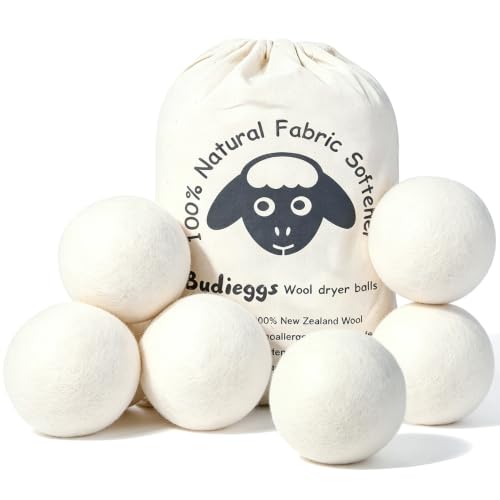

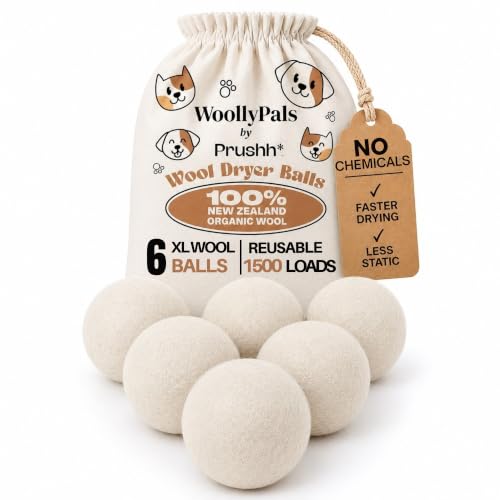
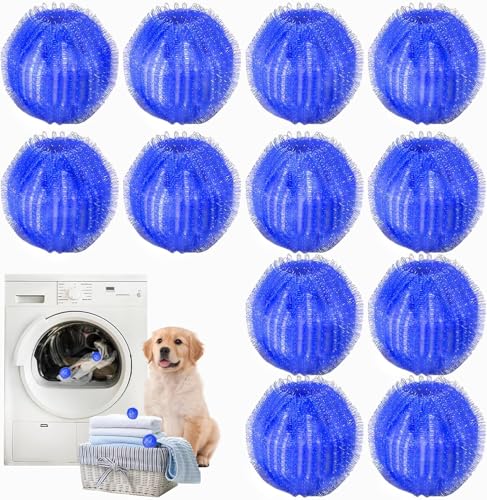
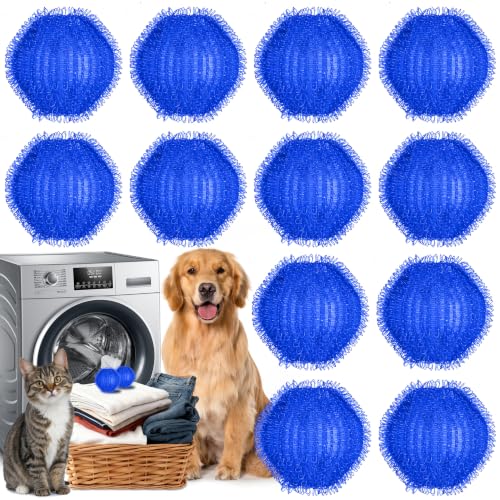


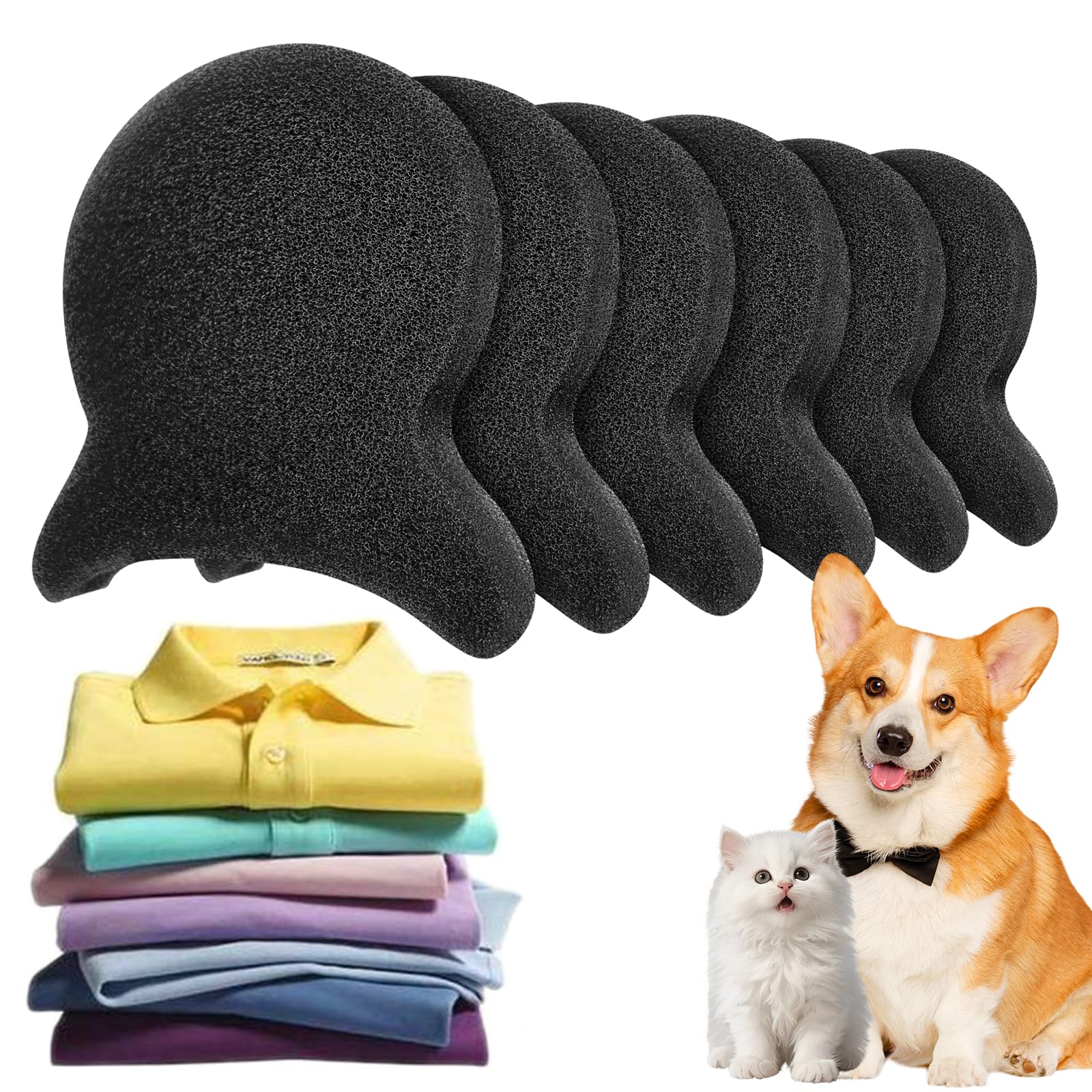
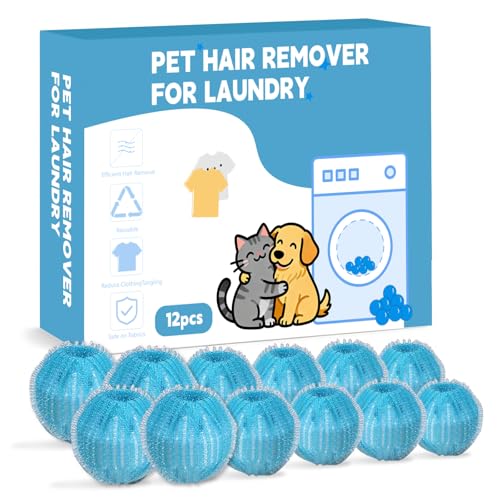
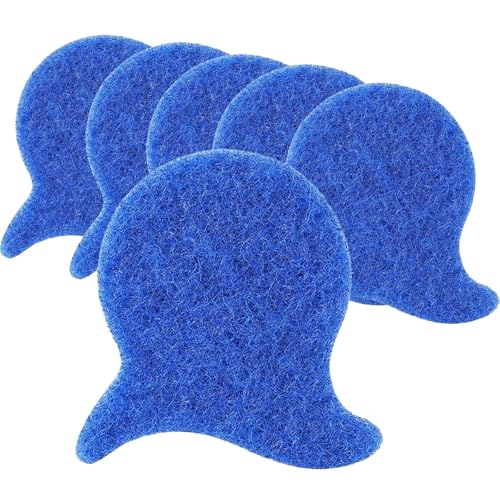
Who Should Buy Which Laundry Pet Hair Remover?
Homes with heavy shedders and dark clothing
A long haired dog or a multi cat household needs the strongest combination: a reusable catcher that works in the wash plus the natural loosening of a hot dryer cycle. Single mild tools disappoint at this hair volume, so plan on pairing methods and shaking garments out before they enter the machine. For hair on furniture and car seats, tools differ again, and our guide to the best pet hair remover covers the non laundry side of the problem.
Apartment dwellers with shared or compact machines
Shared laundry rooms rule out leaving residue in machines, and compact washers have small drums where big catcher tools crowd the load. Small reusable discs or balls suit you, since they rinse clean in seconds and travel in a laundry bag. Avoid anything that sheds fibers or leaves sticky residue, both for your clothes and for the next user of the machine.
Sensitive skin households avoiding extra chemicals
If fragrances and coating agents irritate skin in your home, skip scented sheets and choose mechanical removers instead: silicone or foam catchers for the wash and plain wool dryer balls for the dry. These add nothing to the fabric, rinse or shake clean, and keep working for months. Our guide to the best pet hair remover for clothes covers the lint rollers and brushes that handle the last stray hairs after folding.
Key Features to Compare
Washer stage tools versus dryer stage tools
Washer tools are soft catchers, often silicone or mesh, that float or tumble with the load and grab hair loosened by the water. Dryer tools rely on heat and tumbling, which naturally releases hair toward the lint filter, aided by sheets or balls that reduce static cling. The two stages do different work: the wash loosens and captures, the dryer finishes and collects. Heavy shedding households usually need both stages covered rather than a stronger version of one.
Reusable catchers, sheets and liquid options
Reusable catchers cost more up front and then work for months, making them the low waste default. Dryer sheets are cheap and easy but single use, and their coating can reduce towel absorbency and leave residue on moisture sensors. Liquid hair dissolving additives exist for the wash, but fabric and machine compatibility varies, so read labels carefully before trying one. Compare lifetime cost honestly: a reusable tool replaced twice a year usually beats a sheet habit within a few months.
Machine compatibility: top load, front load and HE machines
Floating catchers need water movement to work, so they perform best in top load machines with agitators or impellers that keep items circulating. In front load machines, tools can get trapped in a fold of fabric and ride the load without catching much, so smaller flexible designs do better there. High efficiency machines use little water, which concentrates hair and can overwhelm a tiny catcher in a big load. Split very hairy loads into two smaller washes instead of one stuffed drum.
Fabric safety and load types
Most catchers are gentle on cotton, synthetics and blends, the fabrics that hold hair worst. Delicates, silk and wool garments should skip the tumble tools and be washed in mesh bags, since friction is their enemy, not hair. Very hairy items like pet blankets can swamp a load of clothes, so wash pet bedding separately and run an empty rinse afterward. That habit also keeps the machine itself cleaner between loads, a point our guide to the best pet hair remover for laundry explores from the routine side.
How much hair the tool can hold
Capacity is rarely printed on the box, but size is a fair guide: bigger catchers with textured surfaces hold more hair per load. A tool that comes out of the wash wearing a felt coat did its job and needs cleaning before the next load, because a saturated catcher stops catching. For multi pet homes, using two catchers per load is a legitimate strategy, and still cheaper than the alternatives over a season.
How to Build a Hair Removal Laundry Routine
Start before the wash. Shake each garment hard outdoors or over a bin, and give the worst items a quick pass with a damp rubber glove or a lint brush, which pulls off more loose hair in thirty seconds than the washer will release in a full cycle. Sort pet bedding and blankets into their own load so clothing loads start with less hair in play.
In the wash, add your catcher tool and use the longest gentle cycle your fabrics allow, since time in water is what loosens hair from weaves. In the dryer, clean the lint filter before the load, not after, and consider a short no heat tumble first to knock hair loose toward the filter. Finish by wiping the washer drum and door seal with a damp cloth, because the hair you remove from the machine is hair that never reaches the next load. Floors and rugs near the laundry area collect the fallout, and our guide to the best pet hair remover for carpet covers those tools.
Common Mistakes to Avoid
- Expecting one small tool to clear a stuffed drum of hairy laundry, which overloads the catcher and leaves hair to redeposit on every item.
- Washing pet blankets with clothing, which transfers a full load of loose hair onto fabrics that started nearly clean.
- Forgetting the lint filter before the dryer cycle, so loosened hair has nowhere to collect and bakes back onto clothes.
- Using coated dryer sheets on towels and sportswear, which reduces absorbency and can dull moisture wicking finishes.
- Leaving a reusable catcher uncleaned between loads, since a hair matted surface cannot grip new hair.
- Skipping the pre wash shake, the cheapest step, and asking the machines to do all the work instead.
How to Make Your Laundry Pet Hair Remover Last Longer
Peel or rinse the collected hair off reusable catchers after every load and let them dry fully before the next use, because damp silicone stored in a closed machine grows musty. Inspect foam and mesh tools monthly for tears, and replace them when the surface smooths out or cracks, since texture is what does the catching. Wool dryer balls last for years; refresh them with a hot wash in a sock if they start to look glazed.
Store small tools in a mesh bag hung by the machines so they do not vanish into sorted laundry. Keep the washer door ajar between loads to dry the drum, and run the machine cleaning cycle on schedule, because hair and detergent residue build up together in seals and filters. A cleaner machine makes every remover work better.
FAQ
Do laundry pet hair removers work in front load washers?
They work, but usually less dramatically than in top loaders. Front load tumbling can pin a catcher inside a folded sheet where it contacts little laundry. Smaller flexible tools and splitting big loads improve results. The dryer stage matters more in front load households, so clean the lint filter before every load and let tumbling and airflow do the finishing work.
Are laundry pet hair removers safe for all fabrics?
Catchers and balls are safe for sturdy everyday fabrics like cotton, denim and most synthetics. Keep them out of delicate loads: silk, lace and fine wool should be washed in mesh bags without tumbling tools, since friction damages them. Always check the care label on specialty items like waterproof jackets, whose coatings can react to additives and sheet residues.
How many loads does a reusable laundry pet hair remover last?
A quality silicone or foam catcher typically lasts several months of weekly washing before its surface wears smooth. Lifespan depends on load size, water hardness and how faithfully you clean it between uses. When hair stops sticking to the tool and starts staying on clothes again, the surface is done and replacement is due, even if the tool looks intact.
Can a laundry pet hair remover handle pet bedding and blankets?
It can help, but bedding carries so much hair that it deserves its own load and a pre shake outdoors first. Run the catcher with the bedding load, then an empty rinse cycle to flush the drum before clothing goes in. Extremely matted blankets may need a lint brush pass after drying as well. Treating bedding as its own laundry category protects everything else you wash.
Do dryer sheets remove pet hair better than reusable tools?
Sheets reduce static, which helps hair release toward the lint filter, and for light shedding they can be enough. Reusable dryer balls create separation between items, which also releases hair, without coating fabrics. For heavy shedding, neither replaces a washer stage catcher, because most hair must be caught before it dries onto the load. Choose by hair volume, not by habit.
Final Thoughts
Think in stages: shake first, catch in the wash, finish in the dryer, and keep the machines themselves clean. The product table above shows the tool classes side by side, so you can match a system to your machines and your animals. With a routine that fits your laundry day, the best laundry pet hair remover is the one that keeps working quietly load after load, and your black shirts finally stay black.


