
Best Lysol Disinfectant Spray in 2026: Understanding the Range Before You Buy
Disclosure: We may earn a commission when you buy through links on this page, at no extra cost to you. As an Amazon Associate I earn from qualifying purchases. Learn more

Compare the best lysol disinfectant spray options by can size, surface scope and dwell time, and see how the brand range differs from other sprays.
Lysol is the name most people reach for first, and that familiarity hides a real complication. The brand sells a whole range of disinfectant sprays that share a logo but not a job description. Some cans are built for hard surfaces only, others are formulated for fabrics and soft furnishings, and the dwell times and sizes vary more than the shelf display suggests. Picking the best lysol disinfectant spray for your home means reading past the brand and matching the specific can to the task.
This guide maps the range by format and purpose rather than by scent artwork, explains the label lines that separate one can from another, and places the brand honestly within the wider disinfectant category. If you already know you want this brand, the product table will help you land on the right variant. If you are still deciding, the label reading habits here transfer to every competitor on the shelf.




Who Should Buy Which Lysol Disinfectant Spray?
Brand loyalty is a fine starting point, but the can still has to match the room and the routine it serves.
Brand Loyal Households Restocking a Known Staple
If a Lysol can has lived under your sink for years, you already trust the format and the scent family, and restocking the same hard surface spray is a sound default. Just verify the current can before you buy, because formulas, dwell times and surface lists are revised over time, and the can you remember may not be the can on the shelf today. Our category overview of the best disinfectant spray options shows how this brand's core spray sits alongside rivals on dwell time and scope, which is useful context for a loyalist.
Caregivers Stocking a Sick Room Kit
When illness moves into the house, you want the spray staged where it will be used, not in a distant cabinet. A full size hard surface can belongs by the sick room door for handles, switches and the bathroom circuit, used with its full dwell time and good ventilation. Fabrics the patient lives with, like sofa arms and bedding, are not hard surface territory, so check whether a soft surface variant from the range or a laundry approach fits each item. Keep children and pets out of treated rooms until surfaces dry.
Travelers and Commuters Who Want a Small Can
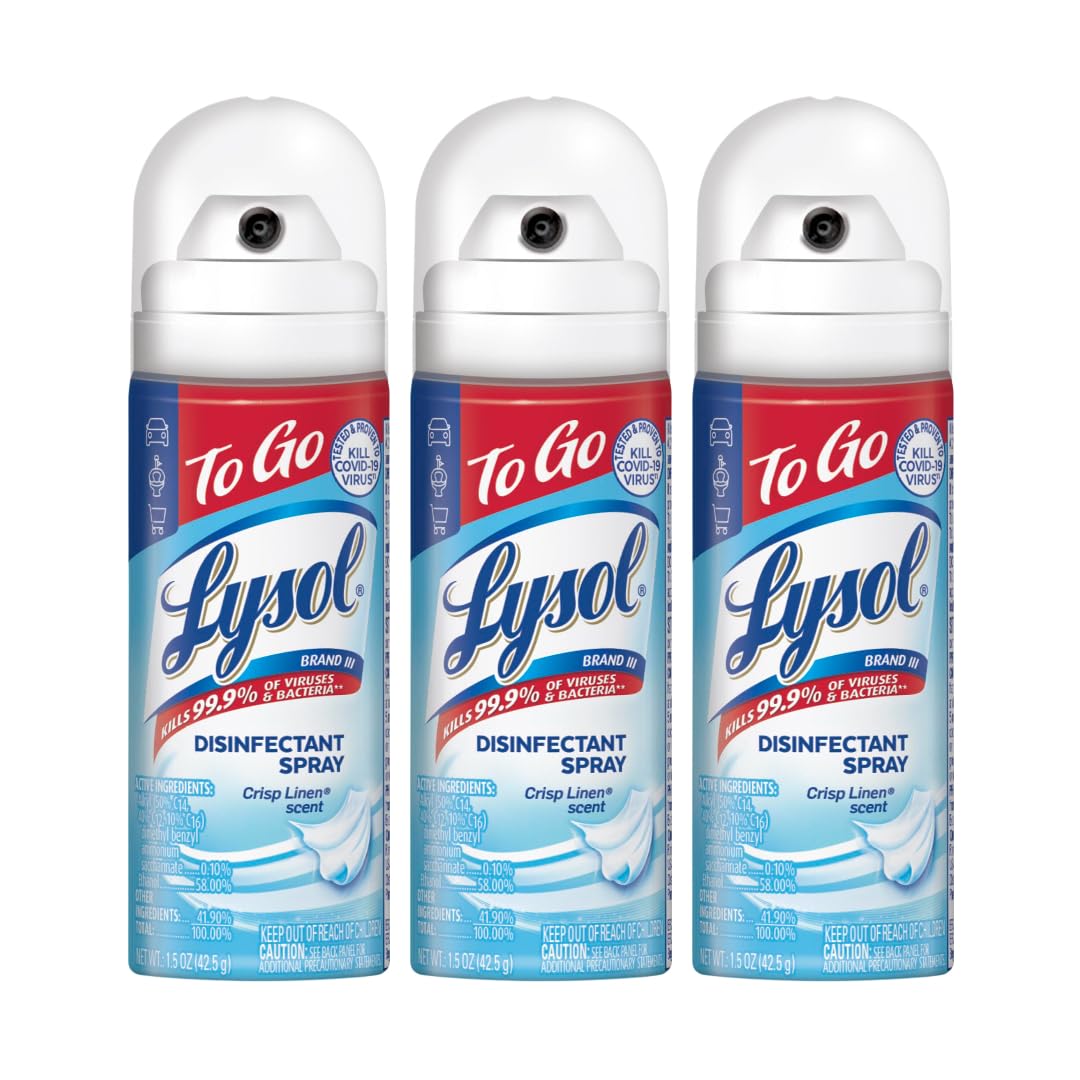
The travel sizes in the range exist for bags, desks and hotel rooms, and they make sense for wiping a tray table area or a borrowed workspace. Two cautions apply. Aerosol cans face airline restrictions, so a travel can belongs in checked baggage within the airline's limits, never loose in a carry on without checking the rules. And a small can is a supplement, not a system: it handles a few hard surfaces on the road, while the home routine still needs a full size can with a label you have read.
Key Features to Compare
Hard Surface Versus Soft Surface Cans in the Range
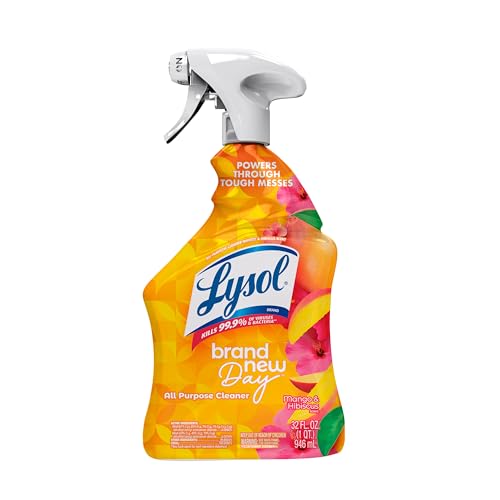
This is the split that matters most. The core disinfectant sprays are registered and labeled for hard, nonporous surfaces: counters, tile, sealed fixtures, metal and plastic. The range also includes sprays formulated for soft surfaces like upholstery and curtains, which sanitize fabrics rather than disinfect hard fixtures, a different claim with different wording. Grabbing the core can for the sofa, or the fabric spray for the bathroom tile, disappoints in both directions. Read the surface list on the specific can, because the shared brand name guarantees nothing about scope.
Dwell Time and Label Claims on the Can
Even within one brand, contact times differ by variant and by organism. One can may disinfect a given virus in two minutes and need ten for another claim, and sanitizing times are shorter than disinfecting times on the same label. The EPA registration number on the back confirms the can is a registered disinfectant rather than a scented air product wearing similar colors. Before you buy, turn the can around: registration number, surface list, dwell times and food contact instructions are the four lines that decide whether this variant fits your routine.
Can Sizes and Cost Per Ounce
The range runs from pocket travel cans through standard household sizes to large value cans, and the price per ounce usually drops as the can grows. The catch is shelf life and storage. A large can is a bargain only if your routine empties it well inside its potency window; a rarely used giant can that expires half full costs more per real use than a standard size. Households with a daily high touch routine can justify the big can. Occasional users should buy the standard size and replace it fresh.
Scent Families and Lingering Fragrance
Lysol leans into scent, offering linen, citrus and other fragrance families across the range, plus lighter scented variants. Fragrance is a genuine use factor: a spray whose smell you dislike will be skipped in a sick room at midnight, and a strong scent in a small bathroom can overwhelm. The unscented or lightly scented end of the range suits odor sensitive households and homes with asthma concerns, where any added fragrance deserves caution. Whatever you choose, ventilate during and after spraying, and let the room air before it is occupied again.
Aerosol Format, Storage and Flammability
Nearly all cans in this range are aerosols, which spray a fine mist that coats vertical and awkward surfaces well. Aerosols carry their own rules. The contents are flammable and pressurized, so cans store away from stoves, furnaces, sunny windows and hot cars, and never near a pilot light. A can that has been frozen or baked may spray weakly or unevenly, which matters because even wetting drives dwell time. If your household prefers to avoid aerosols entirely, the alternatives in our guide to the best natural disinfectant spray products include trigger spray formats worth comparing.
Reading a Lysol Can Label in Thirty Seconds
Hold the can and find four things. First, the EPA registration number, which proves registered disinfectant status. Second, the surface list, which tells you whether this can is a hard surface disinfectant, a soft surface sanitizer, or covers both in different sections. Third, the dwell times, listed by organism or claim type; note the longest one that applies to your purpose, because that is your real working time. Fourth, the food contact line, which tells you whether kitchen counters need a potable water rinse after treatment.
Apply that reading to the two rooms where this brand gets used most. In the bathroom, the registered hard surface cans suit tile, porcelain and fixtures, and our shortlist for the best disinfectant spray for bathroom use shows the dwell times that work in that wet environment. In the kitchen, the rinse rule governs: our guide to the best disinfectant spray for kitchen counters explains which labels allow food contact surfaces and under what conditions.
Common Mistakes to Avoid
- Assuming every can under the brand disinfects every surface, when fabric and hard surface variants carry different claims.
- Spraying the air in a room and calling it disinfected, since the claims cover treated surfaces, not air.
- Skipping the dwell time because the brand feels familiar, which quietly cancels the kill claims on the label.
- Storing aerosol cans in a hot car or beside a furnace, where heat can rupture the can and ruins the spray.
- Using the spray on food contact counters without the label required rinse afterwards.
- Buying the largest can for a small apartment, then relying on it long after its potency window has closed.
How to Make Your Lysol Disinfectant Spray Last Longer
Store cans upright in a cool, dry cabinet, away from children and from any heat source, and keep the cap on so the nozzle stays clean. If the spray turns spitty or uneven, the nozzle is likely gummed with dried product; a warm water rinse of the actuator usually restores an even mist, which matters because patchy coverage breaks dwell time. Note the purchase date on the can with a marker so rotation is easy when a second can joins the cabinet.
Use the product in the order you bought it, oldest first, and do not decant aerosol contents into other containers. When a can empties, follow local guidance for aerosol disposal, since pressurized cans are not ordinary trash in many areas. Finally, match the can to the calendar: if your usage drops after cold season, drop your can size at the next purchase rather than nursing an aging giant through the summer.
FAQ
Are all Lysol disinfectant sprays EPA registered?
The disinfectant sprays in the range are registered, and each carries its registration number on the label. The brand also sells cleaning and air freshening products under similar branding that are not disinfectants and carry no such number. Registration belongs to the individual product, not the logo, so the habit to build is checking the back of the specific can you are holding. If there is no registration number, treat the product as a cleaner or freshener, not a disinfectant.
Can Lysol spray be used on fabric and upholstery?
Only the variants labeled for soft surfaces should go on fabric. The core hard surface sprays can wet, spot or stiffen upholstery and are not labeled for fabric claims. For a sofa or curtain, use the soft surface variant as its label directs, test a hidden patch first for color changes, and let the fabric dry completely before use. Heavy soil on fabric is a cleaning job first in any case, because disinfectant chemistry works poorly through grime.
How long does Lysol spray need to sit to disinfect?
It depends on the can and the claim, which is why the label matters more than brand memory. Dwell times across the range run from under a minute for some sanitizing claims to ten minutes for certain disinfecting claims, and the surface must stay visibly wet for the full period. Find the directions for the organism or purpose you care about, set the time from the moment the surface is fully wetted, and re mist any area that starts to dry early.
Is Lysol spray safe to use around pets?
Used as directed and allowed to dry, treated surfaces are a normal part of pet owning households, but the spraying moment itself is not pet time. Remove pets from the room while you spray, ventilate, and let surfaces dry fully before animals return, since wet residue can be licked off paws or fur. Never spray a pet, its bedding while occupied, or its food and water bowls with a disinfectant not labeled for that use, and store cans where a curious dog cannot puncture them.
Why does my Lysol can lose pressure before it feels empty?
Aerosols depend on propellant, and pressure fades when a can is stored on its side for long periods, kept in the cold, or used in short bursts that chill the can. A clogged actuator causes similar symptoms, so rinse the nozzle first. Warm the can to room temperature in your hands and try again. If pressure never returns, the can has failed; replace it rather than shaking harder, and review storage, because a can kept in a hot or freezing spot rarely survives to its last ounce.
Final Thoughts
The brand earns its reputation, but the reputation is not a substitute for reading the can. Choose the variant by surface scope first, dwell time second and scent third, and the range will cover almost any household routine, from sick room duty to travel kits. The product table above lines the variants up by those specs so the choice takes a minute. Get that match right, and the best lysol disinfectant spray for your home is simply the can whose label already describes your routine.


