
Best Mold Remover for Boats in 2026: A Buying Guide
Disclosure: We may earn a commission when you buy through links on this page, at no extra cost to you. As an Amazon Associate I earn from qualifying purchases. Learn more

Compare mold removers for boats by formula, surface safety on vinyl, canvas and gelcoat, dwell time and mold prevention for cabins and lockers.
Black speckles across the vinyl seats, a musty smell that greets you below deck, and dark film creeping along the caulk lines are all part of owning a boat in a damp climate. The best mold remover for boats does more than bleach a stain pale. It kills the growth at its root, stays safe on the surfaces a boat actually has, and slows the regrowth that warm, humid air over water makes almost certain.
This guide walks through how to choose by formula, by format, and by the surface in front of you, whether that is vinyl upholstery, canvas, gelcoat, or a cramped cabin corner. The comparison table below sums up the main product types side by side, and the sections after it cover who needs which kind, the features worth comparing, and the mistakes that let mold win the rematch.


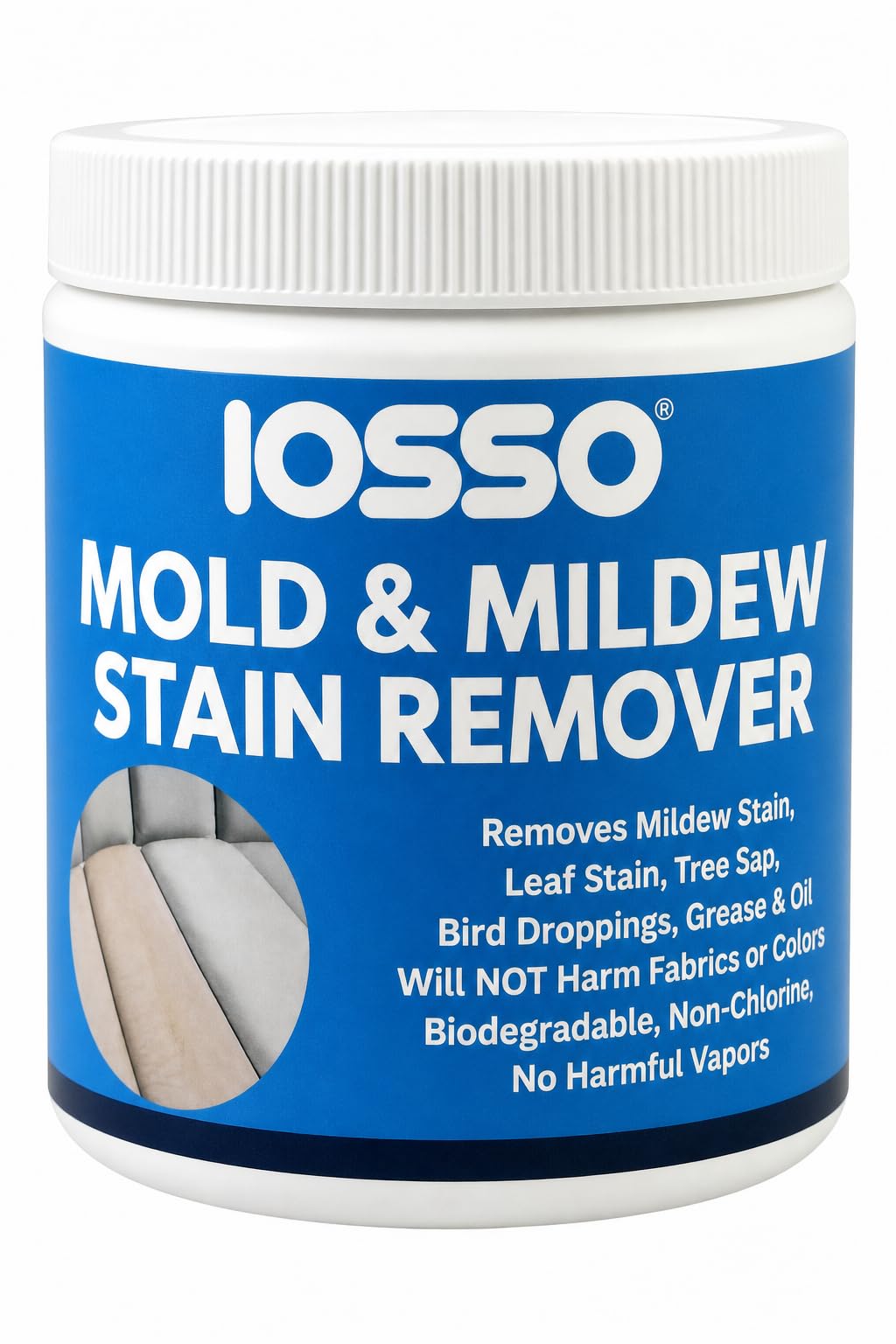
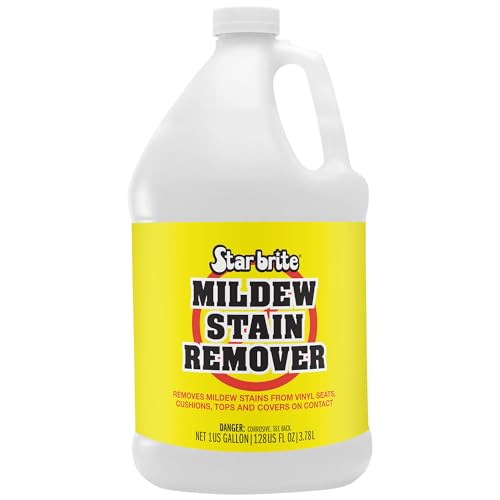


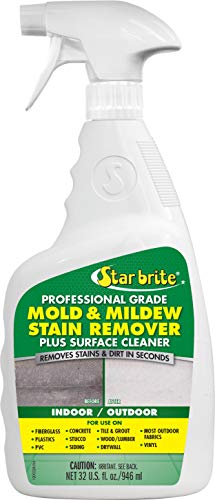
Who Should Buy Which Mold Remover for Boats?
Mold on a boat shows up in a few predictable patterns, and each pattern points to a different kind of product.
Owners Fighting Black Spots on Vinyl Seats
If your main battle is spotted cushions and seat backs, put surface safety first. Vinyl looks tough, but strong bleach formulas can dry it out and weaken the stitching that holds the seams together, so a remover labeled safe for vinyl is the right starting point. Sprays and gels that cling to vertical seat backs give the active ingredients time to work inside the textured grain where spores settle. You also want a product that rinses clean, because leftover residue on a seat transfers to swimsuits and shorts all summer.
Cruisers With Musty Cabins and Headliners
Boats that stay in the water with closed cabins grow mold where you cannot see it: on headliners, inside lockers, and along cabin walls. For this pattern, choose a low odor formula you can spray and leave without rinsing, because wiping down every hidden panel is rarely practical. Residual protection matters more here than raw stain lifting power. A product that keeps working after it dries buys you weeks between treatments in a space that gets little fresh air.
Owners Laying the Boat Up for the Season
If mold appears mainly after storage, your problem is prevention during the months nobody opens a hatch. Treat every surface before the cover goes on, and favor a product sold as a barrier or protectant style remover that discourages new growth on clean surfaces. Concentrates earn their keep here, because you will treat the whole boat at once and again at spring commissioning. Pair the treatment with moisture absorbers and the driest storage setup you can manage.
Key Features to Compare
If you are still sorting out the wider category, our guide to the best mold remover explains the basic product families. On a boat, the five factors below decide whether a bottle earns its locker space.
Cleaning Chemistry and What It Does to the Growth
Bleach based formulas, usually sodium hypochlorite, whiten stains fast and kill surface growth on hard, colorfast surfaces like gelcoat and fiberglass. The trade off is that bleach can fade colored canvas and dry out vinyl. Hydrogen peroxide based removers work more gently, lift stains through oxygen bubbles, and suit fabrics and upholstery better. Another family uses quaternary ammonium compounds, which clean less dramatically but leave a residue that keeps inhibiting growth after drying. Plant derived surfactant cleaners mostly lift soil and light mildew, so they fit routine wipe downs rather than deep, established colonies.
Spray, Gel, or Concentrate Format
Ready to use sprays are the default for spot work on seats, seams, and caulk lines. Gels earn their place on vertical and overhead surfaces, because they stay where you put them instead of running down into the bilge before the dwell time is up. Concentrates that you dilute in a bucket or pump sprayer cost the least per treatment and make sense for a full boat washdown at the start and end of the season. Check the label for the dilution ratios, because a concentrate mixed too weak simply wets the mold without killing it.
Dwell Time and Scrubbing Effort
Every remover needs contact time, usually a few minutes and sometimes much longer for porous surfaces. A longer dwell with a soft brush beats a fast spray and wipe, because aggressive scrubbing tears stitching, scratches gelcoat, and pushes spores deeper into vinyl grain. If a label promises instant results with no dwell, expect a cosmetic bleach effect rather than a real kill. Plan your work so each section stays wet for the full time on the label, and reapply to spots that dry out early in the sun.
Stain Lifting Versus Root Killing
A stain can disappear while the organism stays alive in the pores underneath, which is why some cleaned seats spot again within weeks. Read label language carefully. Products registered to kill mold and mildew say so plainly, while stain removers only promise to remove the marks. For smooth gelcoat, either type can be enough, because there is nowhere for growth to hide. For vinyl, canvas, and caulk, favor a product that claims to kill the growth itself, then use a protectant afterward if regrowth is your recurring problem.
Scent, Ventilation, and Safe Handling
Below deck, a strong chlorine smell lingers for days and makes the cabin unpleasant to sleep in, so low odor formulas have real value on cruising boats. Whatever you choose, open every hatch, run a fan if you have one, and wear gloves, because these products are hard on skin. Never mix a bleach based cleaner with ammonia or an acidic cleaner such as vinegar, since the reaction releases toxic gas that is especially dangerous in a small cabin. Store the bottle upright, locked away from children and pets, and out of direct sun.
Match the Formula to the Surface in Front of You
Gelcoat and fiberglass tolerate the widest range of products, which tempts owners to use one strong cleaner everywhere. Resist that shortcut. Products sold for the home bathroom, covered in our guide to the best mold remover for shower, often lean on heavy bleach meant for tile and grout, and that strength can yellow gelcoat over time and dry out the vinyl and caulk nearby. A remover labeled for marine or multi surface use is the safer default for a full boat.
Porous interior surfaces play by different rules. Cabin walls, headliners, and locker interiors soak up liquid, so flooding them pushes moisture and spores deeper instead of cleaning them. The approach in our guide to the best mold remover for walls fits here: apply enough product to wet the surface, let it dwell, and wipe rather than rinse. Follow with as much airflow as you can create, because a surface that dries slowly is a surface that regrows quickly.
Teak and other wood trim need the gentlest hand on the boat. Strong bleach raises the grain and strips the natural oils that protect the wood, leaving it gray and rough. The advice in our guide to the best mold remover for wood applies directly: pick a wood safe formula, work with the grain using a soft brush, and feed the wood with its normal oil or sealer once it is clean and dry. Mold on teak usually signals trapped moisture under a fitting or cover, so check for the leak while you are there.
Common Mistakes to Avoid
- Using a bleach heavy bathroom cleaner on vinyl seats, which dries the vinyl and rots the seam stitching within a season or two.
- Spraying and wiping within a minute, which removes the color but leaves living growth in the pores to spot again within weeks.
- Pouring leftover products together into one spray bottle, which can release toxic gas and ruin both cleaners.
- Sealing a still damp boat under a tight cover right after cleaning, which traps exactly the moisture mold needs to return.
- Skipping a hidden spot test on colored canvas, which can leave a permanent bleached patch where the spray landed.
Care and Maintenance: Store It Right and Slow the Regrowth
Heat is the enemy of the product itself. A bottle stored in a sun baked cabin loses strength over a summer, so keep removers in the coolest locker you have, cap tight and upright, and rinse the spray nozzle after use so dried residue does not clog it before the next job. Check the label for a storage temperature range if your boat winters somewhere cold, because a frozen concentrate may not remix evenly.
For the surfaces, routine beats rescue. Dry cushions fully before they go into a locker, crack hatches or run a small fan whenever shore power allows, and wipe condensation off cabin walls during spring visits. If growth covers a wide area inside the cabin, or if anyone who uses the boat has asthma or a weakened immune system, leave that cleanup to a professional and keep people out of the space until the work is finished. No remover can outpace a constant drip, so fix the leaking hatch or fitting you find while cleaning.
FAQ
Can a mold remover for boats be used on vinyl boat seats?
Yes, as long as the label lists vinyl among its approved surfaces. Test a hidden corner first, let the product dwell as directed, and rinse well so no residue transfers onto skin and clothing later. If the label warns against upholstery, or the seat vinyl is already cracked and brittle, choose a gentler peroxide based formula instead of risking further drying and split seams.
How often should mold treatment be repeated on a boat kept in a humid slip?
Plan on spot checks every few weeks during the wet season, with a full treatment at spring launch and again before haul out. Boats in covered slips often go longer between treatments, because the roof cuts the rain that feeds growth. A quick look after any stretch of rainy days catches new colonies while they are still small and easy.
Does a mold remover stop mold from coming back on a boat?
A remover kills the growth that is present, but no product can promise a permanent stop in a space that stays damp. Barrier style products slow regrowth for weeks by leaving an inhibiting residue, yet ventilation and dry storage decide the long term result. Think of the remover as the reset, and airflow as the actual long term defense.
What is the difference between a marine mold remover and a bathroom mold remover?
Marine formulas are balanced for the mix of vinyl, canvas, gelcoat, and caulk found on boats, and many add mildew prevention suited to damp storage. Bathroom products aim at glazed tile and grout, so they can run stronger on bleach and harsher on fabrics and stitching. The surface list on the label, not the marketing photo, tells you which world a product belongs to.
Is it safe to sleep in the cabin the same night after using a mold remover?
Sleep aboard only after surfaces are dry and the chemical smell has fully cleared with the hatches open. Strong bleach products can take hours to air out in a small cabin, so treat in the morning rather than at dusk when you can. If the smell still bothers your eyes or throat, keep ventilating and wait, because irritation is the signal that fumes remain.
Final Thoughts
The product table above pulls the main types together so you can match a formula to your worst surface first. Work through the features in order, respect the dwell time, and dry the boat out afterward. Used that way, the best mold remover for boats turns a recurring fight into a short seasonal routine, and your seats, canvas, and cabin stay ahead of the spots instead of chasing them.


