Best Multipurpose Steam Mop for Whole Home Cleaning in 2026
Disclosure: We may earn a commission when you buy through links on this page, at no extra cost to you. As an Amazon Associate I earn from qualifying purchases. Learn more

Pick the best multipurpose steam mop by matching steam settings, accessory kits, and tank size to the floors, counters, glass, and fabric jobs in your home.
Most steam mops do one job: they push a hot pad across a hard floor. A multipurpose model widens that brief to the whole room, adding accessory tools and steam settings for counters, glass, tile walls, upholstery, and fixtures. The best multipurpose steam mop for your home is the one whose accessory kit matches the surfaces you really own, not the one with the longest list of attachments in the box.
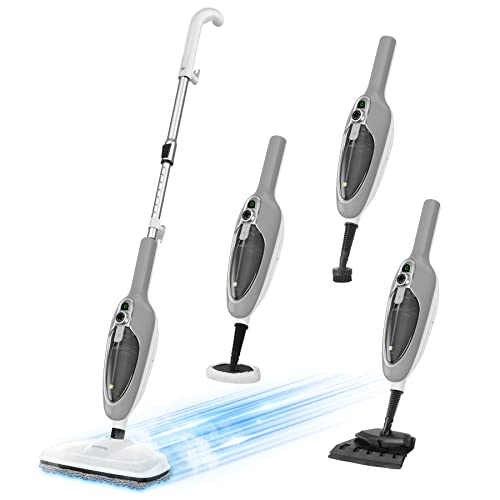
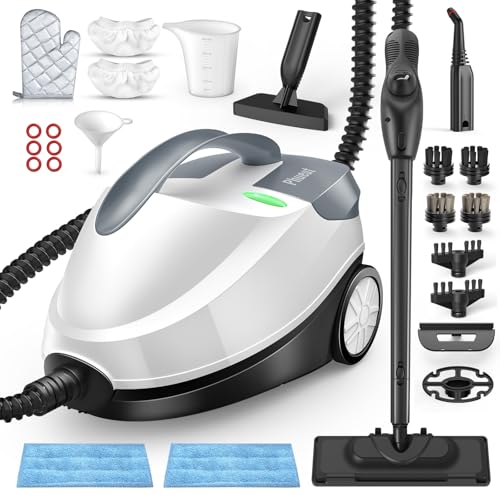
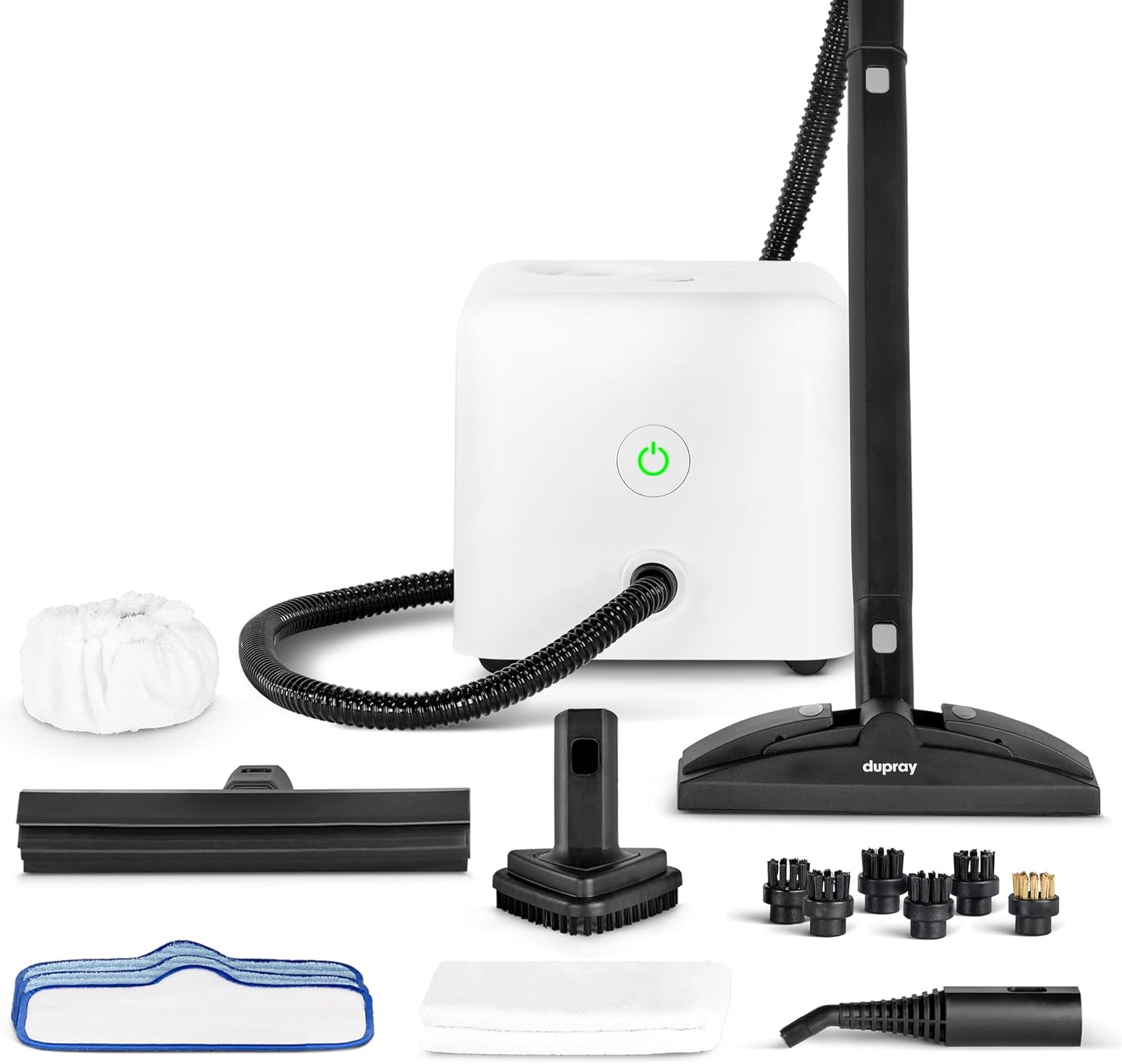
This guide explains how to judge a multipurpose system: which surfaces steam can safely touch, how variable steam settings protect delicate jobs, and how tank size and pad design decide whether whole home sessions feel smooth or stop and start. The comparison table below compares the main system types before the detail sections.


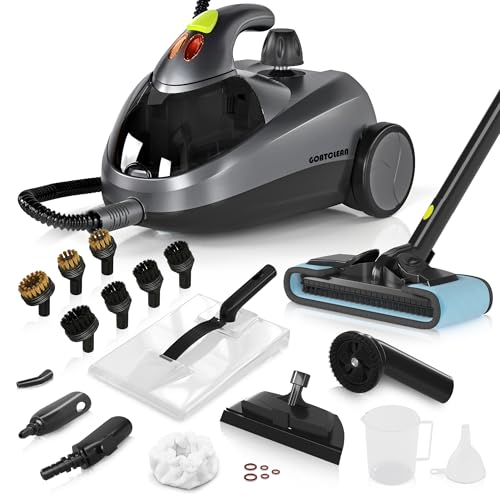

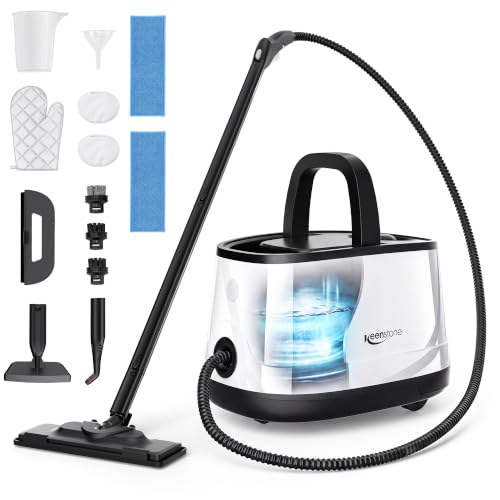
Who Should Buy a Multipurpose Steam Mop?
Households Cutting Back on Chemical Cleaners
If your goal is fewer spray bottles under the sink, a multipurpose steamer is the natural center of that routine, because hot water vapor loosens most everyday soil on hard surfaces without detergent. It suits families who dislike chemical residue on floors where babies crawl and pets eat. Be realistic about limits, though: steam cleans and refreshes, but greasy oven interiors and set stains still need targeted products from time to time.
Homes With Many Different Hard Surfaces
A house mixing tile bathrooms, sealed stone counters, glass shower doors, and sealed wood floors rewards a system with several steam levels and tools shaped for each zone. Our guide to the best steam mop for tile floors covers the floor side of that mix in depth. The value here is switching tools in seconds as you move from room to room, instead of fetching a different appliance for every surface.
Pet Owners Refreshing Fabric and Floors Together
Pets soil both floors and soft furnishings, so a fabric steaming tool that lifts odors and loosens hair from upholstery adds real value beside the mop head. Steam also helps around litter areas and feeding stations where residue builds up on tile. Keep animals out of the room while you work, because steam and hot pads can scald curious paws, and let surfaces cool and dry before letting pets back in.
Key Features to Compare
Our general guide to the best steam mop category explains basic mop selection, while the five factors below decide whether the multipurpose promise holds up.
Range of Steam Settings
Multiple steam levels are the defining feature of this class. Gentle output protects sealed wood and refreshes fabric, medium handles everyday floor soil, and high output dwells on grout, stovetop surrounds, and shower tile. A model with one fixed setting forces you to treat every surface alike, which quietly removes the point of buying multipurpose. Look for a dial or clearly marked buttons you can adjust mid job without reading the manual each time.
Accessory Kit Breadth and Quality
Judge the kit by the jobs in your home. Window and glass tools need a squeegee edge and a smooth cloth, fabric tools need a bonnet that traps lint, and detail brushes need bristles stiff enough to scrub grout but soft enough to spare chrome. Thin plastic tools that flex and leak steam at the joint waste heat and frustrate. A storage bag or onboard rack matters more than two extra niche pieces, because a kit you can carry room to room is a kit you will use.
Pad Design and Floor Coverage
The mop half still does most of the weekly work, so pad quality counts. Microfiber pads with scrubbing strips handle dried drips better than flat pads alone, and a head that flips or swivels reaches under toe kicks and around toilet bases. Check how pads attach: hook and loop pads swap in seconds with dirty hands, while fitted pockets stay put during vigorous scrubbing. Buy at least one spare pad, because switching to a clean pad mid session visibly improves results on dirty floors.
Tank Size and Heat Up Time
Whole home sessions expose small tanks quickly. Tanks around 12 to 16 ounces give a workable balance of weight and runtime, and fast heat up, roughly half a minute, keeps short jobs worth starting. Some systems allow refilling without a long cool down, which matters when you steam a full bathroom after the floors. A water level window you can actually read prevents the dry run guessing that shortens boiler life.
Floor and Surface Compatibility
Multipurpose marketing implies every surface is fair game, and that is not true. Sealed tile and stone are safe territory, sealed hardwood depends on the floor maker, and laminate needs the caution described in our guide to the best steam mop for laminate floors. Delicate items such as unsealed grout colorant, fresh paint, and some plastics should stay away from steam entirely. The best systems say so plainly in their manuals instead of hiding behind fine print.
Mapping the Accessory Kit to Your Rooms
Before buying, list the five above floor jobs you do most, such as shower doors, stovetop, bathroom mirrors, sofa arms, or tile walls. Match each job to a tool in the kit and picture the reach: a short fixed nozzle will not serve a tall shower, while a hose fed tool will. If two of your top jobs have no matching tool, the kit is broad but not broad for you, and a simpler system with the right pieces will serve better than a flagship with the wrong ones. This ten minute check prevents the commonest disappointment with multipurpose tools.
Common Mistakes to Avoid
- Steaming every surface on the highest setting, which can dull sealed wood finishes and warp heat sensitive materials.
- Using the fabric tool on delicate upholstery without a test patch, since some dyes and fibers react badly to heat and moisture.
- Dragging a gritty used pad across glass and glossy stone, where trapped particles can leave fine scratches.
- Assuming steam replaces ventilation, and filling a small bathroom with vapor that condenses on walls and ceilings.
- Storing the machine with a damp pad still attached, which mildews the pad and the head between uses.
How to Make Your Multipurpose Steam Mop Last Longer
Mineral buildup is the main enemy, so use distilled water in hard water areas and follow the manual descale routine rather than folk remedies, because vinegar can damage seals in some boilers. Rinse pads after each session, wash them without fabric softener, and air dry them fully. Wipe accessory joints and let small brushes dry bristle side up so they keep their shape. Keep filters, where fitted, on the replacement schedule the maker sets. Store the full kit together in one bag or bin, coil the cord loosely, and leave the tank cap off during storage so the boiler dries out. Let the unit cool completely before packing it away, and never leave water sitting in the tank between weekly uses.
FAQ
What surfaces can a multipurpose steam mop clean besides floors?
With the right tools it can handle sealed tile walls, glass shower doors and mirrors, sealed stone counters, stovetops, sinks, and many upholstery fabrics. Each surface needs the matched tool and a suitable steam level, and glossy or delicate finishes deserve a hidden test area first. Painted surfaces, unsealed wood, and heat sensitive plastics should be kept away from direct steam.
Is a multipurpose steam mop safe for hardwood floors?
It can be, on the lowest setting, when the floor is properly sealed and the floor maker allows steam. Our guide to the best steam mop for hardwood floors walks through the finish types that tolerate steam and the ones that do not. Keep the head moving, use a clean pad, and stop if the finish clouds or feels tacky, because that signals the coating is reacting to heat and moisture.
How is a multipurpose steam mop different from a 2 in 1 steam mop?
The terms overlap, but the emphasis differs. A two in one usually means the unit splits into a separate handheld steamer for above floor work, while multipurpose describes a wider system of settings and attachments for many surfaces, sometimes without a fully separate handheld body. In practice, shop by the tool list and steam settings rather than the label, because makers use both phrases loosely.
Does a multipurpose steam mop replace a regular mop and bucket?
For routine hard floor cleaning, yes for most homes, because the pads lift soil well and the floor dries in minutes without a rinse step. A bucket still wins for very large spills, outdoor entryways caked with mud, and soaking up standing water, none of which suit a steam pad. Many owners keep a basic flat mop for those rare jobs and use steam for everything weekly.
How often should pads and filters on a multipurpose steam mop be replaced?
Pads typically last through dozens of washes and should be replaced when they stop picking up soil evenly or the scrubbing strips flatten, often after about 6 to 12 months of weekly use. Water filters, where the design uses them, follow the maker schedule, commonly every few months in hard water areas. Keeping a spare pad in rotation extends the life of both, since pads rested between washes recover their loft.
Final Thoughts
The best multipurpose steam mop is a system, not a single tool, so judge it as one: steam settings you can control, attachments shaped for your actual rooms, and a mop head and pad you will enjoy using weekly. Compare the product table above against your surface list, and be skeptical of kits that boast quantity over fit. When the tools match the home, one appliance quietly replaces a shelf of single purpose cleaners.