
Best Power Scrubber for Grout in 2026: A Buying Guide
Disclosure: We may earn a commission when you buy through links on this page, at no extra cost to you. As an Amazon Associate I earn from qualifying purchases. Learn more

Choose a power scrubber that actually fits your grout lines. Compare brush head shapes, spin speed, battery runtime, handle reach and grip comfort.
Grout sits lower than the tile around it, so it collects soap film, body oils and mildew staining that a mop mostly pushes from one line to the next. Scrubbing those lines by hand is slow, and your arm gives out long before the gray film does. A motorized brush takes over the repetitive motion, but it only helps if the head actually reaches into the line. Choosing the best power scrubber for grout comes down to brush shape, spin control and how the tool feels after twenty minutes of work. The comparison table below sums up the main scrubber types side by side.
This guide walks through the features that separate a scrubber built for grout from a general bathroom brush with a motor attached. You will see which head shapes fit narrow lines, why torque matters more than raw speed, and how handle and battery choices change the job on floors versus shower walls.


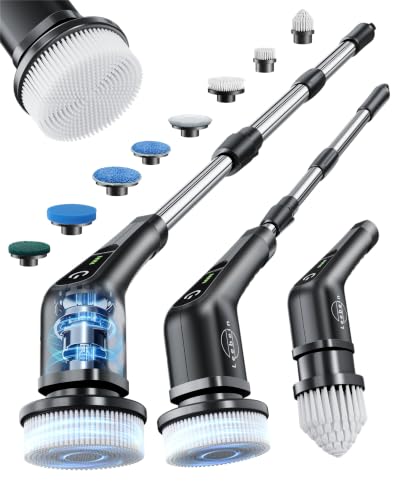


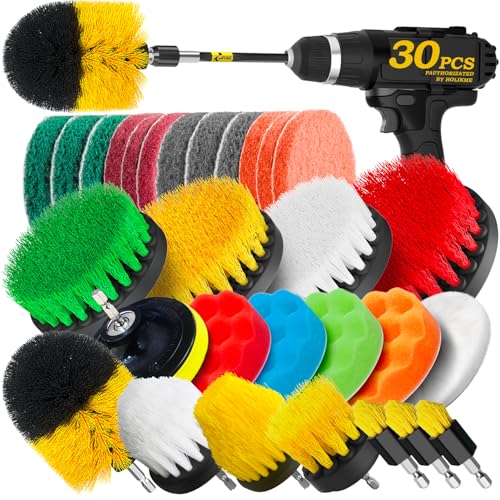

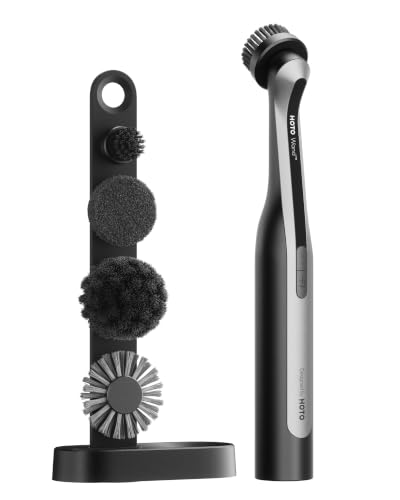
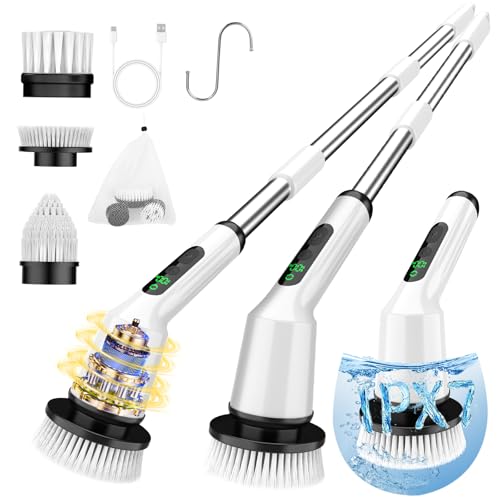
Who Should Buy Which Power Scrubber for Grout?
Shower and Tub Owners Fighting Soap Film
If your main battle is the darkened lines around a tub or inside a shower stall, a compact scrubber with a corner brush is the right shape. These tools work at close range, reach the joint where the wall meets the tub, and rinse clean under the tap. Most owners in this group are really shopping for the best power scrubber for bathroom use, where the work is vertical, wet and done in short sessions. Prioritize water resistance and a head set with a pointed brush over raw power.
Large Tile Floor Owners Who Need Reach
Kitchen and entry floors can hold hundreds of linear feet of grout, and bending over all of it is the real problem. A scrubber with an extension handle lets you work standing up and keeps steady pressure across wide areas. Look for a flat round head for open floor lines plus a smaller head for the edges near baseboards. Battery runtime matters most here, because a big floor rarely fits inside one short charge.
Anyone With a Weak Grip or Sore Knees
The strongest argument for a powered brush is that the motor supplies the force your hands and knees otherwise would. If arthritis, wrist pain or a bad back limits how long you can scrub, choose the best handheld power scrubber weight class, meaning a light body, a loop or textured grip, and a trigger that does not need constant hard pressure. A slightly slower tool you can hold for a full session beats a powerful one you set down after five minutes.
Key Features to Compare
Brush Head Shapes Decide Whether the Tool Reaches the Line
Grout lines are narrow channels, and a wide flat head bridges across them, polishing the tile while the dirt below stays untouched. Cone shaped and corner brushes concentrate their bristles into the channel, and a small round head follows a single line without wandering. Check what heads come in the box and whether replacements are sold separately, because the pointed head does most of the grout work and wears fastest. A useful kit includes at least one cone brush, one small round brush and one flat head for the tile faces around the lines.
Spin Speed and Torque Under Pressure
Manufacturers advertise spin speed, but grout work happens under load, when you press the brush into the line and the motor slows down. Torque is what keeps the head turning through that pressure instead of stalling and squealing in place. Two speed settings help more than one top speed, because a lower setting gives control on vertical shower grout while the higher setting clears floor lines faster. If listings mention stall protection or overload shutoff, that is a good sign the tool was designed for pressing into joints rather than dusting surfaces.
Handle Length and Extension Options
A fixed short handle suits tubs and sinks, while an adjustable extension changes the same tool into a floor and high wall cleaner. Check the locked length range and whether the head angle adjusts, because scrubbing a shower ceiling corner at a fixed straight angle is awkward work. The joint between handle sections should lock without wobble, since flex at the joint eats the pressure you are trying to apply. If you are tall, confirm the longest setting lets you stand upright on floors instead of stooping.
Battery Runtime and Charging
Most grout scrubbers run on small rechargeable packs or internal cells, and real runtime under load is shorter than the number on the box. Think about your largest job: a full shower deep clean can take 30 to 45 minutes of trigger time. Removable packs are the flexible option, because a second pack swaps in while the first charges. Internal batteries are fine for apartment sized bathrooms, but check the charge time, since a tool that needs four hours to recover from a forty minute job will frustrate you on floor day.
Water Resistance for Wet Work
Grout cleaning is wet work, and the tool will get splashed, rinsed and set down in puddles. Look for a sealed body and a stated water resistance rating rather than vague splash proof language. The charging port cover matters as much as the housing, because that opening sits low on many designs. Even with a rated tool, rinse the heads rather than the motor body, and never hold the whole unit under a running tap unless the maker explicitly allows full submersion.
How to Match a Scrubber to Your Grout Lines
Start by measuring your grout lines. Most wall tile uses lines around 1/16 to 1/8 inch, while floor tile often runs 3/16 inch or wider. Narrow lines need the cone brush; wider floor lines accept the small round head. Next, check the grout type. Sanded grout, used in wider joints, tolerates a firmer brush, while unsanded grout in tight wall joints is softer and scratches if you attack it with the stiffest head in the kit.
Sealed grout changes the plan as well. A good sealer keeps stains near the surface, so a medium brush and a mild cleaner usually finish the job, and aggressive heads only wear the sealer down. In a shower, technique matters too: work in small sections, keep the head moving so it does not dwell in one spot, and rinse each section before the loosened film dries back on. Many owners pair this tool with the best power scrubber for shower routine of cleaner first, dwell time second, brush third, because the cleaner does the chemical work while the brush supplies agitation.
Common Mistakes to Avoid
- Pressing down as hard as you can to speed things up, which stalls the motor and burnishes the stain instead of lifting it.
- Using the stiffest brush on soft unsanded grout, which scratches the surface and gives future dirt more texture to grip.
- Skipping the cleaner and its dwell time, then expecting the brush alone to dissolve months of soap film.
- Running a splash resistant scrubber under a running faucet, which forces water past seals the body was never built to hold back.
- Buying a kit with only one wide flat head, then discovering it bridges over narrow grout lines without ever touching them.
How to Make Your Power Scrubber Last Longer
Rinse the brush heads right after each session, before the loosened soap film and grit dry back into the bristles, and pick out trapped hair with an old comb. Soak removable heads in warm water with a drop of dish soap when they start to look gray, then let them air dry fully so mildew does not move into the brush itself. Wipe the motor body with a damp cloth rather than rinsing it. Store rechargeable models with a partial charge rather than fully drained, and replace heads when the bristles flare flat, because a worn head makes you press harder and overloads the motor. If your scrubber shares duty across the house as the best power scrubber you own for tile, tubs and floors alike, keeping a spare cone head on hand means grout day never waits on a worn brush.
FAQ
Can a power scrubber damage grout?
Yes, a power scrubber can damage grout if the brush is stiffer than the grout is hard or if you hold it in one spot too long. Old grout that is already crumbling or cracked needs repair before any powered brushing, because the brush will widen weak spots. Test your chosen head on a hidden section, such as behind the toilet or inside a closet threshold, and check the line for scratching before you commit to the whole room.
Which cleaner should you use with a power scrubber for grout?
Use one cleaner matched to the stain: an alkaline bathroom cleaner for soap film, or an oxygen based soak for dingy colored grout. Never layer two different cleaners on the same line, and rinse fully if you switch products, because mixing chemicals can release harmful fumes. Give the cleaner its full dwell time on the label before you start the brush, since the brush supplies motion, not chemistry.
Is a drill brush attachment a good substitute for a spin scrubber?
A drill brush works in a pinch and delivers plenty of torque, but it is heavier, spins faster than grout work needs, and gives you less control near fixtures and glass. A dedicated spin scrubber runs slower, resists water better and balances in one hand for vertical work. If you already own a drill and clean grout twice a year, the attachment is reasonable; if grout is a monthly job, the dedicated tool earns its storage space.
How often should grout get a powered deep clean?
Most shower grout needs a powered deep clean every one to three months, while kitchen floor grout near the stove may need attention monthly because cooking grease settles there. Daily habits stretch the interval: squeegeeing shower walls and wiping floor spills keeps film from building. Sealing grout after a deep clean also lengthens the gap, because sealed lines release stains with far less agitation next time.
How long do power scrubber brush heads last?
Brush heads typically last from a few months to about a year of regular use, depending on how hard you press and how abrasive your grout is. The clear end of life sign is flared, flattened bristles that skate instead of biting into the line. Because replacement heads are inexpensive compared with a new tool, confirm the brand sells heads separately before you buy, and keep one spare cone brush in reserve.
Final Thoughts
The right scrubber is the one whose head fits your narrowest grout line, whose motor keeps turning under honest pressure, and whose weight you can manage for a full session. Match the brush to sanded or unsanded grout, let your cleaner do its dwell time work, and keep spare heads on hand. With those pieces in place, the best power scrubber for grout turns the most hated chore in the bathroom into steady, seated work. Check the product table above to compare the main scrubber types against the features that matter for your tile.


