
Best Shop Vacs for Woodworking (2026): Airflow, Hoses and Dust Control
Disclosure: We may earn a commission when you buy through links on this page, at no extra cost to you. As an Amazon Associate I earn from qualifying purchases. Learn more

Pick the best shop vac for woodworking by airflow, hose size, separator options and tank capacity, with shop setup tips and mistakes to avoid.
A woodshop produces two kinds of mess at once: heavy chips that pile up under the saw, and fine dust that floats, settles on every surface and finds your lungs. A broom handles the first kind slowly and makes the second kind worse. The best shop vac for woodworking is the machine that connects to your tools, keeps up with a planer without clogging, and still has the manners to clean the floor afterward, all without demanding the budget or floor space of a full dust collection system.
Shop vacs sit below dedicated dust collectors in airflow, but they win on price, size and versatility, which is why most home workshops start with one. This guide covers who needs which size, the specs that predict whether chips will clog the hose, and how a simple separator stretches filter life. The product table below lists current models across the main classes.

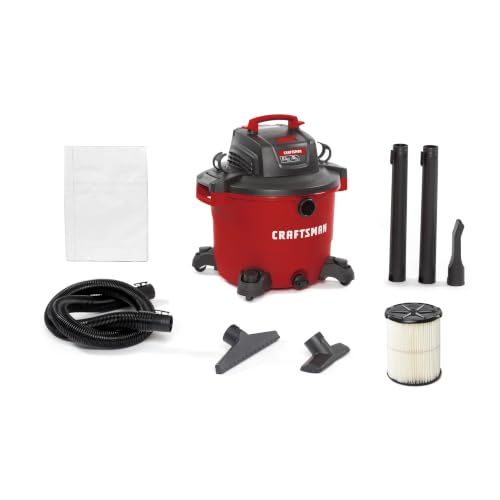
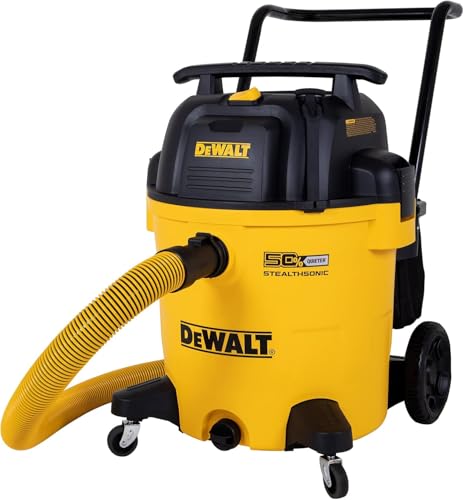

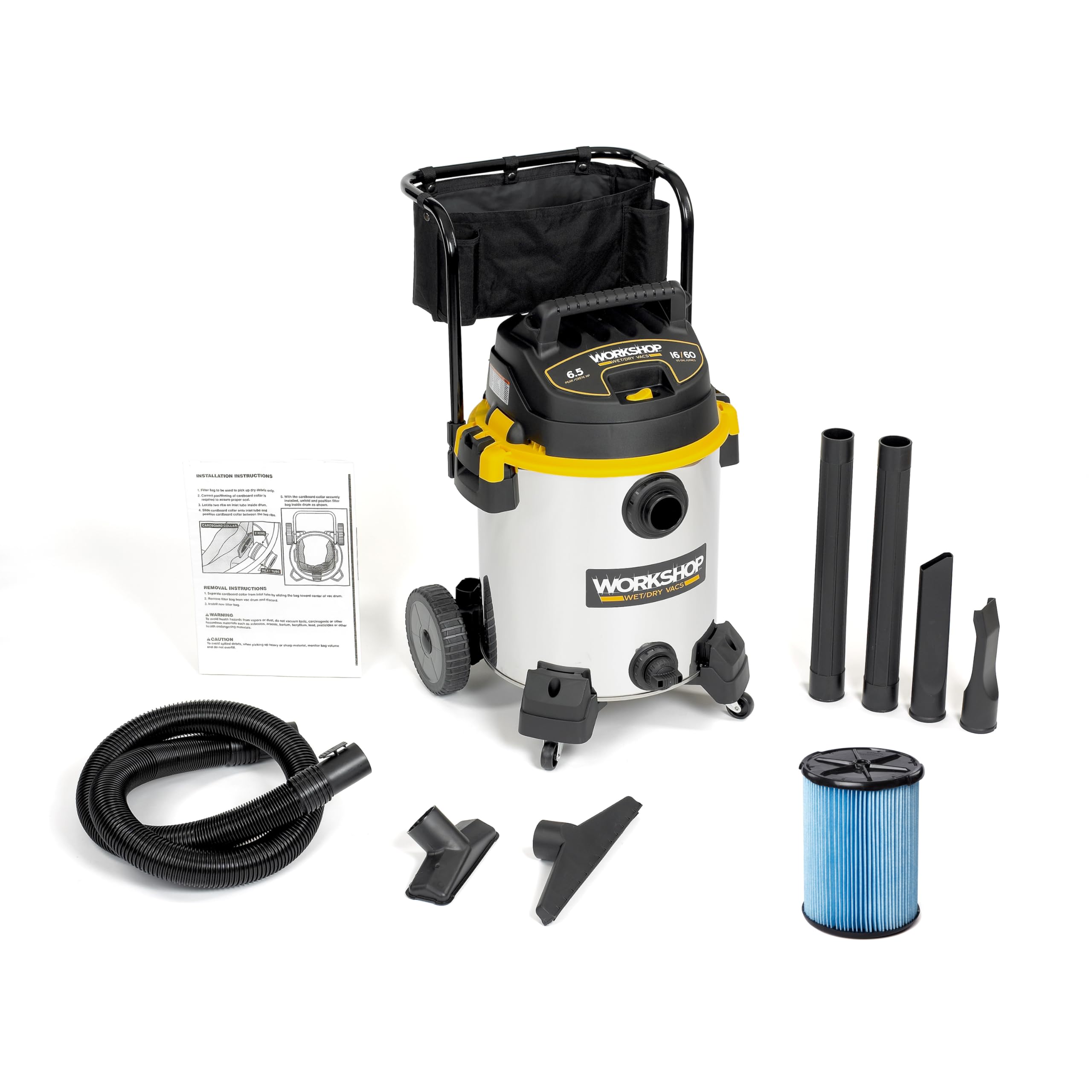


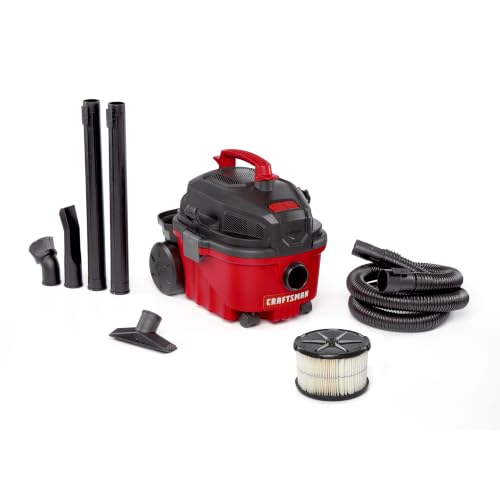
Who Should Buy Which Shop Vac for Woodworking?
Hobby woodworkers with a saw, a router and a sander
If your shop runs one tool at a time, a mid size vac in the 9 to 14 gallon range with strong airflow covers bench cleanup, sander hookup and the occasional table saw session. You will move it constantly, so caster quality and hose flexibility matter as much as power. Buy it with the understanding that random orbit sanders are where it truly shines, capturing fine dust at the source, while big chip producers will always test its limits.
Small pro shops and serious home workshops
Production work fills tanks fast. A planer or jointer session can load several gallons of shavings in an hour, so larger tanks, 14 to 16 gallons, and a separator barrel in front of the vac become worth their floor space. Crews in this class should look at the heavy duty end of our guide to the best shop vac models and budget for bags and filters as recurring supplies, not surprises.
Garage workshops short on space
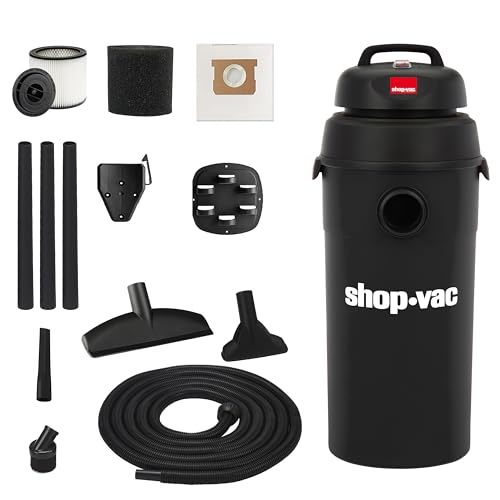
When the shop shares a garage with a car, the vac must park in a corner and deploy in seconds. Compact tanks in the 5 to 8 gallon range trade capacity for a footprint you can live with, and our roundup of the best small shop vac options focuses on that class. A wall mount or a vac that nests under the bench keeps it ready, and readiness is what turns dust control from a resolution into a habit.
Key Features to Compare
Airflow (CFM) and what it means at the tool
Woodworking is an airflow game. Chips leave a blade or cutterhead with speed, and the vac's job is to keep air moving fast enough through the hose to carry them to the tank. Higher CFM ratings, achieved with the standard 2.5 inch hose fitted, predict success with planers and jointers better than peak horsepower figures, which are measured under conditions no workshop reproduces. A vac that feels adequate on floor cleanup can still starve at a table saw port, so match the rating to your hungriest tool and keep the hose run short and smooth. Of every number on the specification sheet, this airflow figure is the one that most decides the best shop vac for woodworking in daily use.
Hose diameter, adapters and tool ports
The standard 2.5 inch hose is the woodworking default because it swallows chips without bridging. Sanders, routers and track saws use smaller ports, typically 1.25 or 1.5 inches, so a stepped adapter set is essential kit rather than an accessory. Every adapter joint leaks a little air, so prefer single piece reducers over stacks of rings. A crush resistant hose that springs back after you step on it will outlast a bargain hose in a working shop by years, and a hose a few feet longer than you think you need prevents the tip overs that happen when a short hose pulls the vac off its casters.
Filtration for fine wood dust
Sanding dust, especially from MDF and plywood, is the fraction that matters for your lungs and for filter life. A pleated cartridge handles general shop debris, and fine dust filter bags in the tank catch much of the small material before it reaches the cartridge. Wear a fitted respirator for sanding and routing regardless of the vac attached, because capture at the tool is good but never total, and empty the tank outdoors with the wind at your back. Fine dust also coats shop surfaces overnight, so a quick vac pass at the end of a session beats a weekly deep clean for keeping the shop pleasant.
Separator compatibility
A cyclone separator lid on a barrel or bucket, placed between the tool and the vac, spins out the bulk of chips and dust before the airstream reaches the tank. The vac's filter then loads a fraction as fast, suction stays consistent through a long planing session, and you empty a cheap barrel instead of fishing shavings out of the vac. Separators cost some airflow, so pair them with a vac that has CFM to spare. For shops that produce mostly shavings, this single addition changes the shop vac from a compromise into a system.
Tank capacity and emptying practicality
Shavings are bulky and light, so woodworking fills volume far faster than the same weight of dirt would. A tank that sounds generous for garage duty can fill during one milling session. Look for wide mouths that do not bridge with curled shavings, drain or dump designs you can manage alone, and lids that seal well enough to keep the fine fraction inside while you wheel the tank out. If the vac doubles for car duty between shop days, the routines in our best shop vac for car detailing guide will keep grit out of your upholstery work and sawdust out of the car.
Noise, power and cordless options
Shop vacs are loud, commonly loud enough that hearing protection is sensible during long sessions, and quieter models with muffler diffusers exist for shops under living spaces. Corded machines remain the default for sustained airflow. Cordless models serve quick bench cleanup and sander duty in short bursts; our guide to the best cordless shop vac designs is honest about their runtime limits. Whichever you choose, plug high draw vacs into a circuit that is not already sharing a saw's load, or expect nuisance breaker trips mid cut.
Running a Shop Vac as Your Dust System
Park the vac or separator where the hose reaches your main tools without crossing walkways, because a hose underfoot during a cut is a genuine hazard. Connect one tool at a time and close off unused ports; an open port is an air leak that starves the tool you are using. Start the vac a breath before the tool and let it run a few seconds after, so chips in the hose complete their trip instead of settling to form the next clog. End each session with a two minute floor pass while the respirator is still on. That rhythm, repeated, is the whole secret: shops stay clean through small constant capture, not heroic monthly efforts.
Common Mistakes to Avoid
- Judging by peak horsepower, then finding the vac cannot keep a planer hose clear in real cutting.
- Vacuuming hot ash, metal grinding sparks or finishing rags, which can smolder inside a tank full of dry shavings.
- Letting shavings pack around the filter cage, so airflow dies slowly and the motor runs hot.
- Using a long, corrugated bargain hose with several adapters, leaking away the airflow the tools needed.
- Sanding MDF without a respirator because the vac is attached, when the finest dust escapes capture entirely.
- Storing oily finishing rags anywhere near the dust system, a fire risk that has nothing to do with suction.
How to Make Your Woodworking Shop Vac Last Longer
Empty the tank before shavings reach the inlet, since a packed tank turns every new chip into filter load. Tap the cartridge clean outdoors weekly during heavy milling, and wash or replace it when tapping stops restoring airflow. Check the hose cuffs and lid gasket each month, because air leaks at those two points explain most mysterious suction loss in shops. Keep the casters free of wrapped string and hair, and store the vac unplugged with the hose loosely coiled rather than stretched. With that light routine, a decent shop vac serves a workshop for the better part of a decade.
FAQ
Is a shop vac worth it for a woodworking shop?
Yes, for any shop without a dedicated dust collector, and even alongside one for sanders and cleanup. It captures sander dust at the source, which is the exposure that matters most, and it handles the floor and bench work a collector cannot. The honest limit is high volume chip production: a busy planer will always prefer a true collector, with the shop vac as its partner rather than its replacement.
What should I look for in a shop vac for woodworking?
Airflow first, then a full size 2.5 inch hose, then filtration bags for fine dust, then tank volume matched to your chip producers. After that, judge the practicalities: caster stability, lid seal, and whether a separator can join the setup later. A vac that wins on those points will still satisfy you when the second and third power tools arrive.
How do you clean a shop vac used for woodworking?
Dump the tank outdoors, knock the shavings out of the inlet screen, and tap the cartridge clean while wearing a respirator. Check the hose by dropping a rag tied to a string through it if airflow feels weak, since chip bridges hide mid run. Wipe the lid seal so fine dust cannot bypass it, and the vac should return to full pull in about ten minutes of attention.
How long does a shop vac last in a workshop?
Expect roughly seven to ten years in home shop service, with filters, hoses and casters replaced along the way. Motors usually die from heat after long sessions with clogged filters, so airflow discipline is lifespan discipline. A separator extends that life noticeably, because the vac itself swallows so much less material across the same years of work.
Final Thoughts
Size the vac to your hungriest tool, give it a short smooth hose and a separator if chips dominate, and keep the respirator habit regardless. Do that, and a modest machine will keep a small shop cleaner than a powerful one used carelessly. Compare your tool list against the classes in the product table above, and the best shop vac for woodworking for your bench will be the one whose airflow and tank match the work you actually mill.


