
Best Rated Ozone Generators for 2026: Types Compared and How to Choose
Disclosure: We may earn a commission when you buy through links on this page, at no extra cost to you. As an Amazon Associate I earn from qualifying purchases. Learn more

Compare the best rated ozone generators by type, output, and timer controls, plus the safety steps for treating an empty room and airing it out after.
A musty basement, a car that still smells of smoke, a rental carrying the last tenant's cooking odors: some smells sit deep in fabric and drywall, where sprays and surface cleaners cannot reach. An ozone generator treats the whole space at once, because ozone gas spreads into upholstery, carpet, and closets and reacts with the compounds that cause the smell. Choosing among the best rated ozone generators is the hard part, since output ratings and formats vary widely.
This guide follows a types compared approach: the four main formats, the output range each one covers, and the sizing and safety rules that matter more than any single rating, all summarized in the product table near the top.




Who Should Buy Which Type of Ozone Generator?
Your odor problem and the size of the space point to a format first, then to a specific unit.
Homeowners Clearing Smoke or Mildew Smells from One Room
You need a portable room unit with a timer and enough output for a bedroom or living room in one cycle. Match the output to the room volume, and plan to be out of the house while it runs. Skip paying for a hold mode you will never use; a timer that stops the unit on its own is essential, because every treatment ends with you outside the room.
Landlords, Detailers, and Sellers Turning Over Cars and Rentals
Odor removal is part of your work, so cycle time matters more than extras. A high output commercial unit treats a car interior or an empty apartment faster, and a rugged housing survives the travel. Hunters treating clothing and gear are a smaller scale case, and our guide to the best ozone generators for hunting covers the low output units built for bags, totes, and closets.
People Treating Closets, Storage Rooms, and Gear
Small spaces do not need big output. A compact plug in unit running short cycles keeps a closet, bathroom, or storage bin from going stale, and it costs far less. The tradeoff is reach, since the ozone stays close to the unit. It will not reset a whole room after a fire or flood, so be honest about the size of the job first.
Ozone Generator Types Compared
Nearly every unit makes ozone one of two ways, with an electric corona discharge across a plate or tube, or with an ultraviolet lamp. The method matters for upkeep, but format matters more, because format decides output, coverage, and control. That is why the best rated ozone generators in one format can still be the wrong choice for your room. Shoppers comparing the best ozone generators on the market will see four shapes again and again: a wall plug unit, a timer box, a metal cased unit with a handle, and a duct module.
Small Plug In Units for Closets and Vehicles
These palm sized units plug straight into an outlet and use a small fan or natural airflow to move ozone into a tight space. Output is low, often under 100 mg per hour, which suits a closet, car, refrigerator, or gear tote. Setup is nil, and many run repeat cycles. The limit is reach, since concentrations drop quickly with distance. Choose this type for upkeep in small enclosed spaces, not for clearing smoke damage from a furnished room. Prices stay low, often under $100.
Portable Room Units with Timers
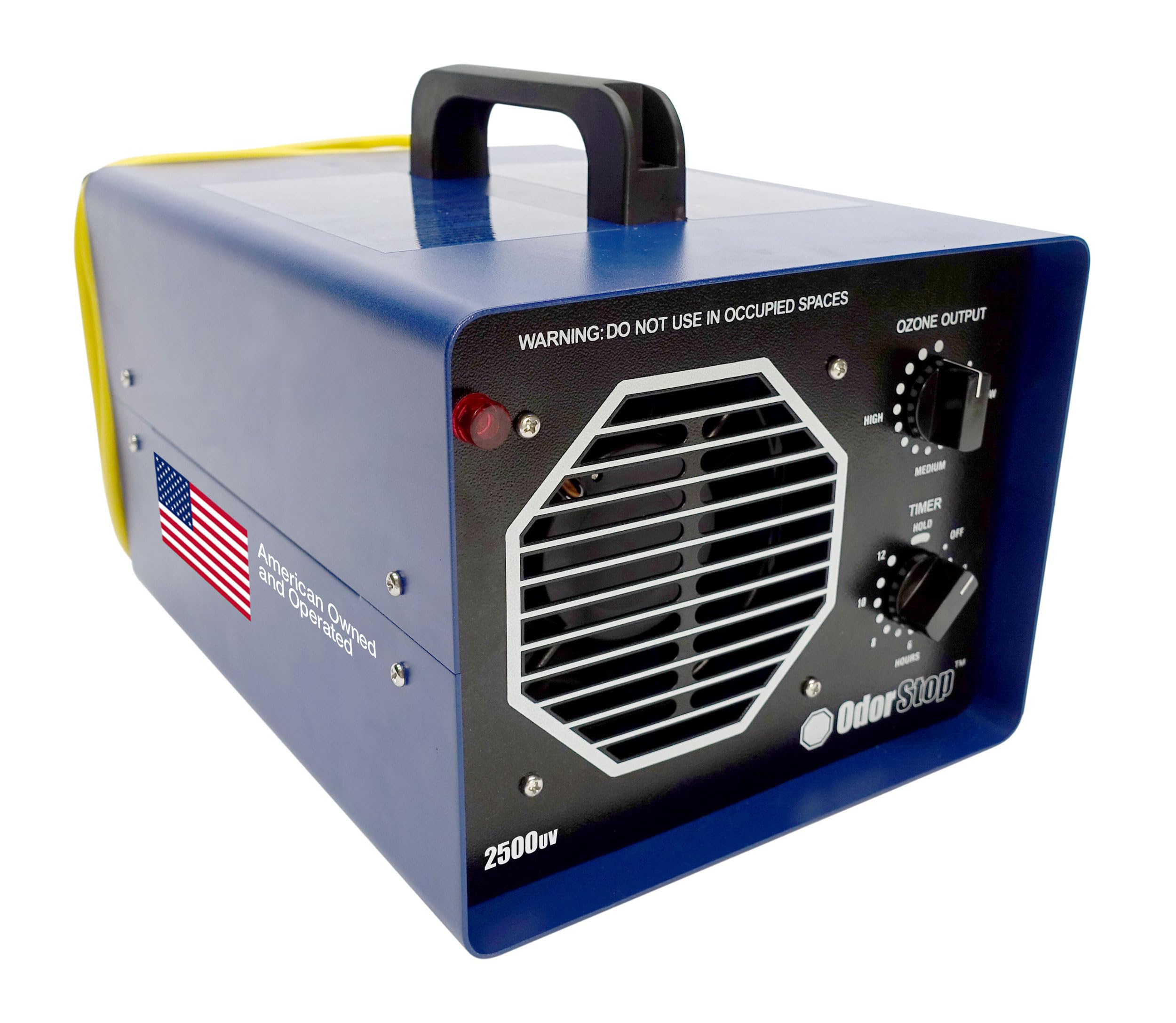
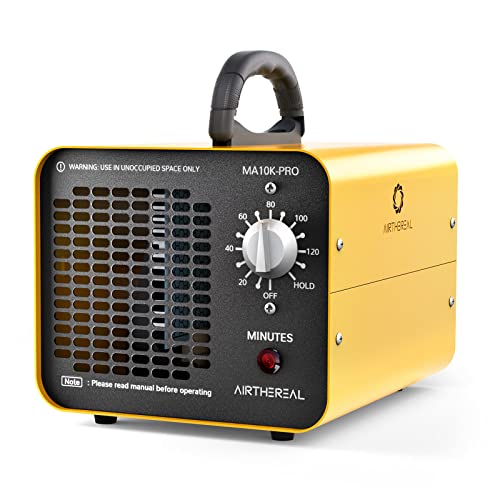
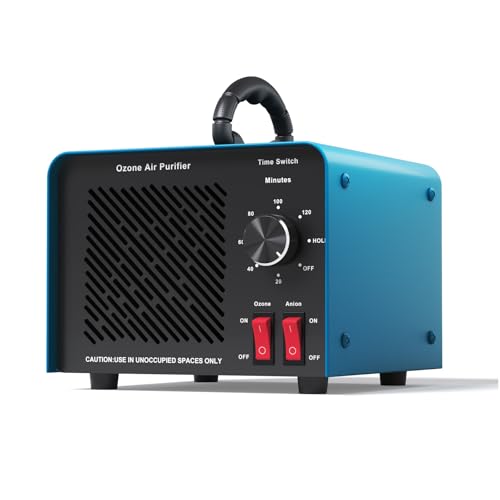
The most common format for home use is a box or tower with a fan, a timer dial or digital controls, and output that commonly runs from about 500 to 7,000 mg per hour. Set it near the middle of the room, start the timer, and leave while it works. This flexible middle of the market is strong enough for a living room or basement and light enough to carry between rooms. Look for a timer that ends the cycle on its own, plus a fan only setting that helps air the room out afterward. Prices commonly run about $100 to $300.
High Output Commercial Units
Commercial units wear metal housings and carry handles, with outputs of about 10,000 mg per hour and above. Hotels, restoration crews, car detailers, and property managers use them to reset rooms between occupants, where a shorter cycle saves paid hours. That output far exceeds what one family room needs, and higher concentration means a longer wait before the space is comfortable again. Buy this type only if you treat spaces often and can follow strict empty room routines every time. Expect about $300 to $700 for this class.
In Duct Whole House Units
This type mounts inside HVAC ductwork and treats air as the blower moves it through the house. Output is modest and continuous rather than strong and short, and installation means cutting into a duct and wiring the unit to the blower, so many owners hire an HVAC technician. It suits ongoing odor control from cooking, pets, or a damp basement. It is the wrong tool for one bad room, because the ozone spreads everywhere the air goes, including rooms people still use.
Key Features to Compare
With your format chosen, compare units inside that format on the four factors below.
Ozone Output in mg per Hour Matched to Room Size
Output is rated in milligrams per hour, and it only means something next to the volume of your space. A small bedroom needs far less than an open plan basement, because concentration builds from output, room volume, and cycle length together. Chasing the highest number is a common error, since excess ozone takes longer to break down, is harder on rubber and fabric, and cannot reach odor sources sealed inside walls. Pick the lowest output range that covers your largest room, and use a longer cycle rather than a bigger unit when a smell is stubborn.
Corona Discharge Plates vs Ultraviolet Lamps
Corona discharge units pass air over an electrically charged plate or tube, and they produce most of the higher outputs on the market. Their plates collect residue and lose output over time, so easy access for cleaning matters. Ultraviolet units make ozone with a lamp and usually produce less of it, with no plates to scrub, only a lamp that weakens with age. Neither method changes the safety rules. Choose corona discharge for room sized jobs, and ultraviolet where low, steady output is enough.
Timers, Hold Mode, and Repeat Cycles
A timer is a safety feature, not a convenience, because it lets the unit finish and stop while nobody is in the room. Basic dial timers run for up to about two hours, and digital models add countdown displays and delayed starts. Hold mode runs the unit continuously until you switch it off, which has almost no place in a home. Prioritize a clear timer and an automatic shutoff over extra modes you will never set.
Safety Certifications and State Rules
The EPA warns that ozone irritates the lungs and that generators marketed as safe for occupied spaces deserve skepticism, so treat claims of safe continuous use around people as a red flag. Look for electrical safety certification from a recognized lab such as UL or ETL, and check your state rules before ordering, because California restricts indoor ozone devices to very low emission limits. A well made unit states its output honestly and warns against occupied use in the manual.
How to Run an Ozone Treatment Safely and Get Real Results
Setup starts with emptying the space. People, pets, and houseplants must be out, because ozone at treatment levels irritates lungs, eyes, and throats. Open the closet doors and cabinets you want treated, stand cushions on edge so the gas reaches more surface, and remove items ozone can damage, such as natural rubber, elastic fabrics, and delicate artwork.
Place the unit near the center of the room, close windows and doors, set the timer as the manual suggests for the room size, and leave. When the cycle ends, stay out while the ozone breaks down, commonly about 30 to 60 minutes, then open windows and run a fan to air the room out before anyone goes back in.
If you return to a sharp, sweet smell that makes you cough or tightens your chest, leave at once and keep airing the room out. People with asthma or other lung conditions face higher risk from ozone exposure and should talk with their doctor before using one of these machines at all. Ozone also does not fix the source of an odor, so a mildew smell returns if the damp spot behind it stays wet.
Common Mistakes to Avoid
- Running the unit while people or pets are still in the room, which exposes lungs to ozone levels meant only for empty spaces.
- Buying the highest output unit for a small room, which lengthens the wait afterward and speeds up wear on rubber and fabric.
- Treating the smell without fixing the source, so moisture, spills, or smoke residue keep feeding the odor.
- Skipping the airing out step and going back in as soon as the timer clicks off, while ozone levels are still high.
- Driving a car right after treating the cabin without airing it out, leaving the driver breathing the strongest leftover ozone.
How to Make Your Ozone Generator Last Longer
Corona plates are the main upkeep item, and they are consumables, so check replacement prices before you buy. Dust and moisture film cut output, so wipe or wash the plates as the manual directs, let them dry fully before reinstalling, and keep a spare set if you treat rooms often. Ultraviolet lamps need no scrubbing, but their output fades with use, so note the install date and replace the lamp on schedule rather than waiting for burnout.
Between treatments, vacuum or rinse the intake screen and store the unit somewhere dry, away from damp basements where corrosion starts. Never run a unit that is still damp, and let a cold unit warm to room temperature before a cycle, so condensation does not reach the plates or the lamp.
FAQ
How long can an ozone generator run continuously?
Most home units are built for timed cycles, not nonstop running. A typical treatment runs about 30 minutes to a few hours, after which the unit should rest so the fan and plates cool, and the room should air out before the next cycle. Only the smallest plug in units are designed for repeated on and off cycling around the clock, and even those belong in unoccupied storage spaces.
How long should I wait before going back into a treated room?
Wait until the ozone has broken down and the room has aired out. For most home treatments that means at least 30 to 60 minutes after the cycle ends, plus time with windows open or a fan running. Your nose is a rough guide: if the sharp, sweet ozone smell is still strong, the level is still too high, so keep airing the room instead of sitting down in it.
Can an ozone generator remove mold from my home?
No, ozone does not remove mold growth or repair water damage. At high concentrations it can dull the musty odor mold leaves in a room, but the colony keeps growing while moisture remains, and health agencies advise cleaning the mold itself and fixing the water source. For a large patch of mold, or any mold after flooding, hire a remediation professional instead.
What items can ozone damage inside a room?
Ozone reacts with more than odor molecules. Natural rubber seals, elastic bands, and some foam can dry out and crack after repeated treatments, houseplants can suffer leaf burn, and certain dyes fade faster. Valuable artwork, leather goods, and anything irreplaceable should leave the room before a cycle. Short cycles at the right output keep this kind of wear to a minimum.
Final Thoughts
The right choice comes from three decisions: the format that fits your space, an output level matched to the room rather than maximized, and a timer you trust to end the cycle while you are out. Get those right, and the differences among the best rated ozone generators narrow to parts cost and build quality. Compare your shortlist in the product table above, follow the empty room and airing out steps every time, and treat ozone as a strong tool for odor problems, not an everyday air cleaner.


