
Best Ridgid Shop Vac for 2026: Match the Lineup to Your Home Messes
Disclosure: We may earn a commission when you buy through links on this page, at no extra cost to you. As an Amazon Associate I earn from qualifying purchases. Learn more

Tank sizes, filters and accessories explained so you can pick the best Ridgid shop vac for home wet and dry cleanup.
A washing machine hose lets go at 7 in the morning, and suddenly you need a vacuum that drinks water instead of fearing it. That is the moment most households start shopping for the best ridgid shop vac they can store in a closet or garage corner. Ridgid sells one of the widest wet dry lineups anywhere, which is great for choice but confusing at first glance, because a dozen tank sizes can all look alike on a shelf.
This guide takes the home cleaner angle on the lineup: which tank sizes suit which rooms, which filters matter for real household dust, and which accessories earn their storage space. If you are still deciding whether this vac type fits your home at all, start with our overview of the best shop vac category, then use the product table near the top to narrow the Ridgid range down to your shortlist.


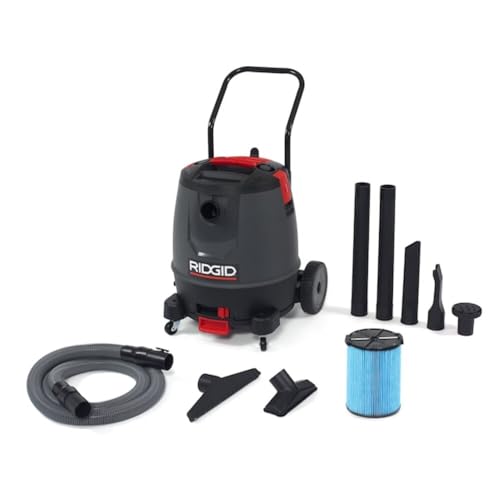
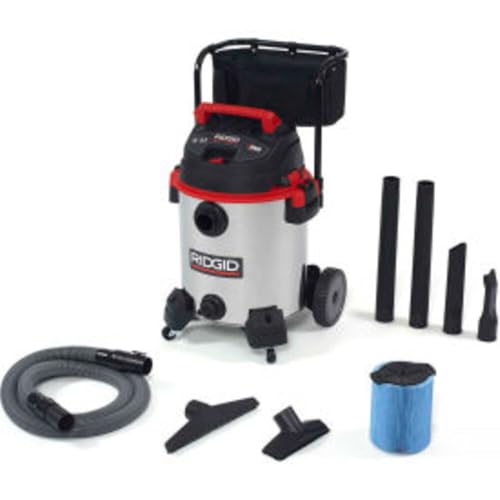

Who Should Buy Which Ridgid Shop Vac?
Apartment and Condo Owners With Tight Storage
If your cleaning closet is shared with coats and a mop, look at the compact end of the range, roughly 3 to 6 gallons. These smaller tanks empty fast, weigh little when full of water, and tuck onto a shelf. You give up run time between emptying trips, so they suit kitchens, bathrooms, and entryways rather than whole garage floods. Readers short on floor space often compare this class with the best small shop vac options before deciding.
Homeowners With Basements, Garages, and Patios
A midsize tank, around 12 to 14 gallons, is the household workhorse. It swallows a sump overflow, a bag of spilled potting soil, or a season of leaves tracked into the garage without constant dumping. The footprint is still reasonable, the casters roll over thresholds, and the motor has enough pull for a long hose. For most single family homes, this is the size class that gets used weekly instead of twice a year.
DIY Renovators and Home Workshop Users
Renovation dust is fine, heavy, and endless, and it punishes small filters. If you sand drywall, cut tile, or sweep a workshop, step up to the 14 to 16 gallon class with a fine dust filter and disposable filter bags. Bags keep the main filter clean, hold far more debris, and make emptying less of a dust cloud event. This group should also budget for a second hose and a muffler diffuser, because long sessions get loud.
Key Features to Compare
Tank Size, Material, and Footprint
Tank gallons decide how often you stop to empty, but the footprint decides whether the vac lives where you need it. Ridgid tanks come in rugged poly and, on some sizes, stainless steel. Poly is lighter and shrugs off dents, which suits most homes. Measure your storage spot before buying, including the hose wrapped on top, because a 16 gallon tank with accessories stored aboard stands taller than the spec sheet suggests. Bigger is not better if the vac ends up buried behind paint cans.
Motor Power and Airflow
Ridgid rates motors in peak horsepower, roughly from 3.5 on compact units to 6.5 on the largest. Treat that number as a class marker rather than a promise, and pay closer attention to airflow for dry pickup and sealed pressure for water lift. Strong water lift matters when you pull water out of carpet padding or a low drain pan. In practice, midsize and large home units feel far stronger on long hoses than compact ones, which lose pull quickly through narrow tubing.
Filtration and Fine Dust Bags
The standard pleated filter handles everyday grit, leaves, and dry spills. A fine dust filter adds a tighter layer for drywall dust, fireplace ash once fully cold, and renovation powder. Some sizes accept a HEPA media filter, a worthwhile step if dust control is your main goal. Whatever filter you choose, pair it with disposable filter bags for dusty jobs. Bags turn the tank into a lined bin, so emptying stays quick and the pleated filter lasts far longer between cleanings.
Hose, Cord, and Reach
Hose and cord lengths vary by model, so check both on the listing, and look for a locking hose design that keeps attachments from popping off mid job. A wider 2.5 inch hose moves chunky debris and water fast, while a slimmer 1.25 inch accessory hose reaches car footwells and stairs with less wrestling. Check caster style too. Large rear wheels with swivel front casters roll over garage lips and patio joints without tipping the tank.
Noise, Drain Port, and Blower Port
Shop vacs are loud, and Ridgid is no exception, so a muffler diffuser is a cheap comfort upgrade for indoor use. A low drain port matters more than most buyers expect: draining 12 gallons of water through a bottom port beats tipping a heavy tank into a laundry sink. Many models also convert to a blower or include a detachable blower, handy for clearing a patio or blowing dust off garage shelves before you vacuum it up.
Reading the Ridgid Lineup Without a Model Chart
Instead of memorizing model numbers, read the lineup as three families. The compact family is about storage and quick spills. The midsize family balances capacity and corded power for whole home duty. The large family adds stronger motors, wider hoses, and better filtration options for renovation work. Within each family, price steps mostly buy filtration upgrades, longer cords, and accessory bundles rather than a different kind of cleaning.
Accessories are where a Ridgid really adapts to a home. A wet nozzle with a squeegee edge pulls water off tile and concrete far better than a bare hose cuff. A crevice tool and a car nozzle turn the same machine into a detailing tool, and owners who mostly clean vehicles should compare against the best shop vac for car detailing before buying a big tank they rarely fill. A utility nozzle with stiff bristles handles garage grit, while an extension wand keeps you off a ladder when clearing cobwebs from ceiling corners.
Battery powered shop vacs suit quick cordless cleanups, but runtime is measured in minutes, not hours, so they fit car interiors and small spills rather than floods. If cordless freedom is your top priority, compare the wider best cordless shop vac field, because battery cost only makes sense if the batteries match tools you already own.
Common Mistakes to Avoid
- Buying the largest tank for a small home, so the vac stays buried in the garage and never gets used for quick spills.
- Vacuuming fine drywall or ash dust with only the standard filter, which clogs the pleats and cuts suction within minutes.
- Picking up water with a dry paper filter bag still installed, which turns the bag to mush and can damage the filter.
- Dragging the vac by its hose across the floor, which loosens the locking cuff and cracks hose ends over time.
- Skipping hearing protection during long sessions, since shop vacs run loud enough to leave your ears ringing.
- Storing the vac with wet debris inside, which grows mildew and makes the next use smell worse than the mess.
How to Make Your Ridgid Shop Vac Last Longer
Rinse the tank after wet jobs and let it dry with the lid off, so odors never move in. Tap the pleated filter against a trash can outdoors every few uses, and wash it only if the manual for your filter type allows it, then dry it fully before reinstalling. Check the float valve under the lid now and then, because that little cage is what stops water from reaching the motor. Replace filter bags before they are packed solid, coil the hose loosely instead of crushing it into the tank, and wipe the caster axles free of hair and string so the vac keeps rolling straight.
FAQ
How long does a Ridgid shop vac last?
With basic care, a Ridgid wet dry vac commonly serves a household for many years, because the motors are simple and the tanks are hard to hurt. The parts that age first are filters, hoses, and caster wheels, all of which are replaceable. Emptying the tank after wet use and keeping the filter dry does more for lifespan than any premium feature on the box.
Can a shop vac pick up water from a flooded floor safely?
Yes, within limits. Remove any paper filter bag first, keep the pleated filter or fit a foam sleeve as the manual directs, and let the float valve shut suction off when the tank fills. Plug into a GFCI protected outlet, never stand in deep water while running the vac, and stop and call a professional if water is near live outlets or appliances.
Which Ridgid tank size suits a two car garage?
A 12 to 14 gallon model is the sweet spot for most two car garages. It holds a full cleanup of leaves, grit, and a modest water spill without a mid job dump, yet still parks in a corner. Go 16 gallon only if you also do workshop or renovation cleanup, where debris volume, not floor area, is what fills the tank.
Do I need a fine dust bag for drywall dust in a Ridgid vac?
For anything beyond a tiny patch job, yes. Drywall dust is so fine that it packs standard filter pleats quickly and can work its way toward the motor. A fine dust bag plus a fine dust filter keeps suction steady and makes disposal far less messy. The same pairing helps with cold fireplace ash and cement dust from small tile jobs.
Can a Ridgid shop vac replace a regular home vacuum?
It can cover hard floors, garages, and utility areas well, but it is a poor substitute on wall to wall carpet. Shop vacs lack a rotating brush roll, so they skim carpet rather than deep cleaning it, and they are louder and clumsier on stairs. Most households keep both: the indoor vacuum for weekly carpet care, the shop vac for wet, coarse, and outdoor messes.
Final Thoughts
Ridgid rewards buyers who shop by tank family and filtration rather than by headline horsepower. Match the size to your storage and your worst realistic mess, add fine dust bags if renovations are in your future, and the machine will quietly handle a decade of spills. Use the product table above to compare the current lineup, and choose the best ridgid shop vac that fits the way your home actually gets dirty.


