
Best Robot Vacuums for Small Apartments in 2026: A Buying Guide
Disclosure: We may earn a commission when you buy through links on this page, at no extra cost to you. As an Amazon Associate I earn from qualifying purchases. Learn more

Compare the best robot vacuum for small apartments by size, navigation and noise, and learn how to fit a dock and a daily cleaning routine into a small home.
A small apartment gets dirty faster than a big house, because every tracked in crumb lands in the few rooms you live in all day. It also gives you almost nowhere to store a full size vacuum. The best robot vacuum for small apartments solves both problems at once: it lives on a compact dock, runs while you are out, and slips under the sofa where dust gathers worst. But small spaces punish the wrong model, since a bulky self empty tower can eat a closet corner you cannot spare.
This guide focuses on the specs that matter at apartment scale: footprint, navigation in tight layouts, noise for thin walls, and storage. Use the product table near the top to line up the contenders, then match them to the way your rooms are actually arranged.




Who Should Buy Which Robot Vacuum for a Small Apartment?
Studio and One Bedroom Renters With No Storage
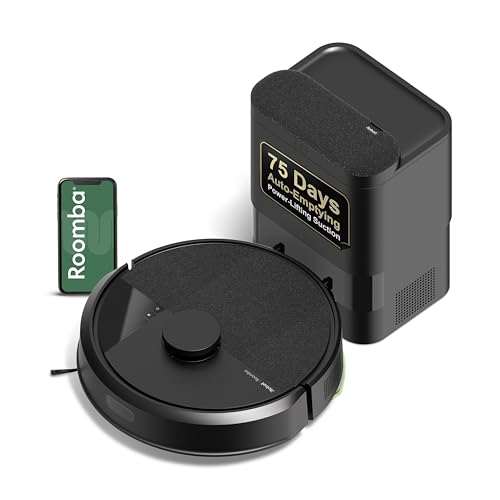
If your cleaning supplies already fight for a single closet, the robot's dock is its storage, so dock size is a headline spec for you. Slim charging bases that tuck against a wall beat tall self empty towers, which can hold weeks of dirt but demand floor and vertical space you may not have. Choose a low profile robot under about 3.5 inches tall so it clears your sofa and bed frame, turning the biggest dust zones in a small home into automatic territory.
Apartment Dwellers With Thin Walls and Close Neighbors
In a small unit you are always in the same room as the vacuum, and your neighbors are close on the other side of the wall. Quieter models, roughly in the low to mid 60 decibel range on standard mode, let you run the robot while you work from home or watch TV without raising your voice. Scheduling also matters: a robot you can set to run during work hours or errands avoids the noise question entirely, which is easier in a small home because the whole clean takes well under an hour.
Small Space Pet Owners
A cat or small dog in 600 square feet concentrates hair on every surface, and daily robot runs are the difference between managed and overwhelmed. Prioritize a rubber main brush or a tangle resistant design, since apartment pet hair is mostly human hair length strands plus fur. The deeper hair specific advice lives in our guide to the best robot vacuum for pet hair, and much of it scales down neatly to apartment sized machines.
Key Features to Compare
Height and Dock Footprint
Two measurements decide whether a robot fits your life: body height and dock footprint. Measure the clearance under your lowest furniture, usually the sofa or bed, and buy a robot at least half an inch shorter. Then measure the floor patch where the dock will live; the robot needs clear space in front of the dock to dock reliably, roughly a few feet of open approach. For the best robot vacuum for small apartments, these two measurements matter more than any feature list. In the product table above, favor compact bases if your only dock spot is a hallway or the side of a media console.
Navigation in Tight, Cluttered Layouts
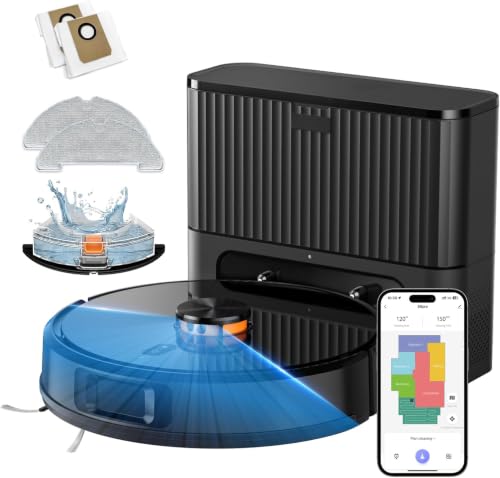
Small rooms are obstacle dense: chair legs, side tables, floor lamps and shoe racks crowd every path. LiDAR and camera based navigation map the apartment and clean in orderly rows, which finishes faster and bumps furniture less than random bounce navigation. Mapping also unlocks room selection, so you can send the robot to just the kitchen after cooking. In a tiny home the difference is practical: a mapping robot finishes one bedroom in about 20 minutes and returns to dock, while a random navigator may wander until its battery gives up.
Suction and Brush Design for Mixed Floors
Apartments usually mix hard floors with one or two low rugs, so you need balanced pickup rather than raw power records. A rubber or combo main brush pulls crumbs from grout lines and rug edges without scattering debris on wood and tile. Automatic carpet boost, which raises suction when the robot senses a rug, keeps battery use sane on mostly hard floors. If your place is mostly carpeted, compare the deeper pile performers in our guide to the best carpet robot vacuum before deciding.
Dustbin Size and Emptying Routine
Robot dustbins are small by design, often holding about half a liter. In a big house that means mid clean emptying; in an apartment it means the bin fills mainly with the day's hair and grit, and a quick empty every few runs keeps suction strong. Self empty docks stretch that interval to weeks, but weigh the tower's footprint honestly against your floor space. A manual bin you empty over the kitchen trash in ten seconds is often the smarter apartment trade.
App Controls, Barriers and Scheduling
App features earn their keep in small homes. No go zones keep the robot out of the pet water corner and away from cable nests behind the TV, without physical barrier strips cluttering the floor. Scheduling lets the robot run when you are reliably out, and multi map memory matters if your building has split levels or a loft. Check that the robot works on your WiFi band, since most models use 2.4 GHz networks, the standard in rental buildings.
Setting Up a Robot Vacuum in a Small Apartment
Placement makes or breaks the experience. Put the dock on a hard floor against a wall, not on a rug, and give it a clear approach path. Spend ten minutes on a floor reset before the first run: lift charging cables, tie up curtain hems that drag, and move the shoes and bags that usually live by the door. The robot will map around whatever it finds, so a tidy first map pays off for months. After the map is saved, label rooms in the app and set a schedule that runs the high traffic zones, entry and kitchen, more often than the bedroom.
For the broad view of how apartment models stack against full size home options, our overview of the best robot vacuum covers the flagship features worth paying for. And if budget is the deciding factor in a first apartment, the value tier in our roundup of the best cheap robot vacuum shows which features survive at lower prices, since apartment sized needs often let you skip the expensive extras.
What Robot Vacuums for Apartments Cost
Basic apartment friendly robots start around $150 to $250, with bump navigation and app scheduling. The mid range, about $250 to $450, adds LiDAR mapping, stronger suction and better obstacle handling, and it is where most renters should shop. Premium models above $450 pile on self emptying, mopping and object recognition that small spaces rarely reward, which is why the best robot vacuum for small apartments is usually a mid range model rather than a flagship. Save the difference for replacement filters and brushes, which every robot needs on a yearly cycle.
Common Mistakes to Avoid
- Buying a tall robot that cannot fit under your sofa, which leaves the dustiest square footage in the apartment uncleaned.
- Paying for a large self empty tower in a studio, then losing a closet corner to a dock you did not measure.
- Leaving charging cables and curtain hems on the floor, so the robot tangles daily and never finishes a run.
- Skipping the map setup and letting a random navigation model batter chair legs for an hour per clean.
- Running the robot at full turbo next to a shared wall at night, which turns a convenience into a neighbor complaint.
- Forgetting the entry mat zone, where most apartment dirt starts, instead of scheduling extra passes there.
How to Make Your Robot Vacuum Last Longer
Small homes make maintenance easy, so do it on a rhythm: empty the bin after every few runs, rinse or tap out the filter monthly, and pull hair from the brush ends and front wheel every couple of weeks, since apartment hair wraps fast. Wipe the cliff sensors and charging contacts with a dry cloth when the robot starts docking poorly. Replace the filter and side brush on the maker's schedule, usually every few months, and keep the dock area dust free so the robot can find home in a cluttered room.
FAQ
Is a robot vacuum worth it in a small apartment?
For most renters, yes, and arguably more than in a big house. It stores on its dock instead of in a closet, keeps up with the fast dirt buildup of compact living, and cleans under furniture you would never move a full size vacuum around. The value fades only if your floors are mostly covered by furniture or rugs with heavy fringe.
How long does a robot vacuum take to clean a small apartment?
A mapping model typically finishes a one bedroom apartment in about 25 to 45 minutes, depending on furniture density. Random navigation models can take twice as long for the same space because they revisit areas. Either way, a small home is a single charge job, so long runtime ratings matter far less here than navigation quality.
Will a robot vacuum fall down my apartment stairs?
Robots use cliff sensors that detect drops and turn the unit away, and they work reliably on standard stair edges. The risk rises with dark colored stair treads, which can confuse the sensors, and with worn sensors coated in dust. Keep sensors wiped clean, and use a no go zone or a simple barrier at the top of the stairs for peace of mind.
Can a robot vacuum handle a studio with no separate rooms?
Easily. In an open plan studio the robot treats the space as zones rather than rooms, and app based spot cleaning lets you target the kitchen corner or entry area after a mess. Room labels matter less than obstacle control in studios, so spend setup time on cable management and no go zones around pet bowls and workspaces.
Do robot vacuums work on high pile rugs in apartments?
They clean low and medium pile rugs well, with carpet boost helping on the thicker ones. True high pile or shag rugs can stall wheels and wrap brushes, and many owners set those as no go zones. If one statement rug dominates your living area, pick a model with strong wheel torque and check its stated carpet thickness limit.
Final Thoughts
Measure your furniture clearance and your dock spot, favor smart navigation over raw runtime, and keep the feature list honest for the space you actually live in. The product table above makes the size, noise and navigation trade offs easy to compare side by side. Matched this way, the best robot vacuum for small apartments quietly keeps a compact home feeling bigger and cleaner, without ever asking for closet space. Prices and availability can change, so check the product page before ordering.


