
Best Robotic Pool Cleaner for Vinyl Pools in 2026: A Liner Safe Buying Guide
Disclosure: We may earn a commission when you buy through links on this page, at no extra cost to you. As an Amazon Associate I earn from qualifying purchases. Learn more
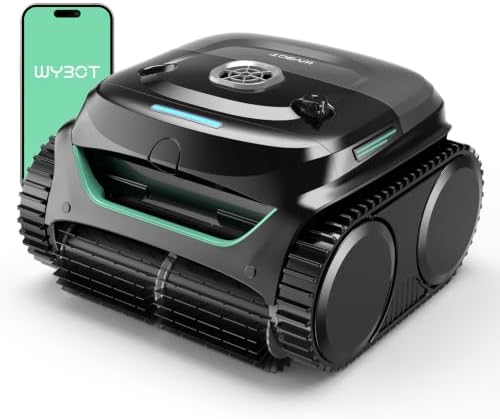
Choose a robotic pool cleaner that is gentle on a vinyl liner. Compare brushes, climbing, cable length and filtration for liner safe pool cleaning.
A vinyl liner is tough against water and chemicals, but it is not armor. Stiff brushes, aggressive tracks and a cleaner that grinds in one corner can wear the printed pattern, stress seams and leave scuff marks that never come out. The best robotic pool cleaner for vinyl pools is therefore a gentler machine than the one you would pick for plaster or tile: soft contact surfaces, controlled climbing and filtration that catches fine debris without dragging it across the liner. This guide explains what to compare before you buy.
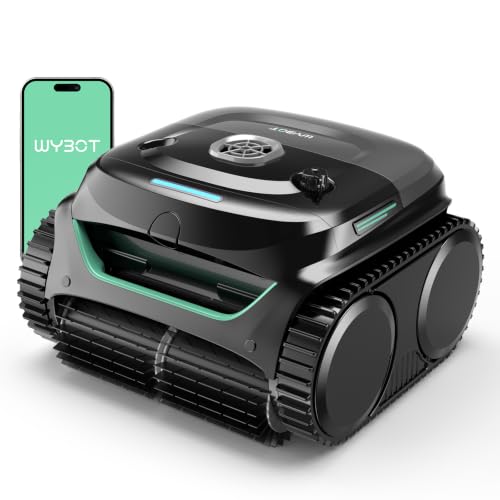
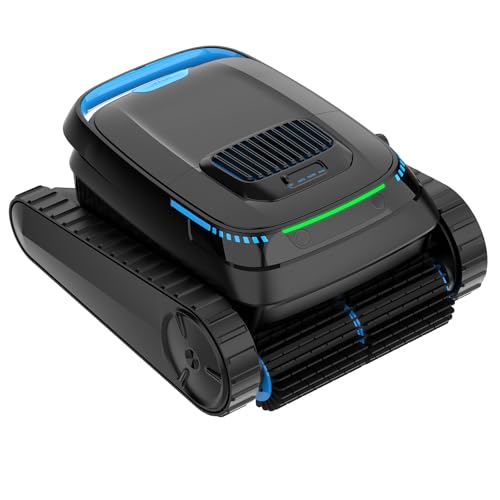
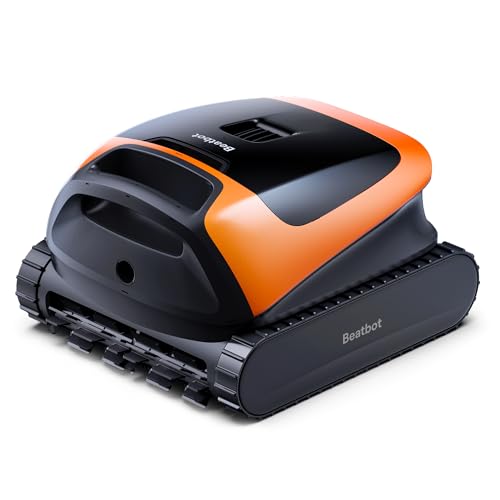
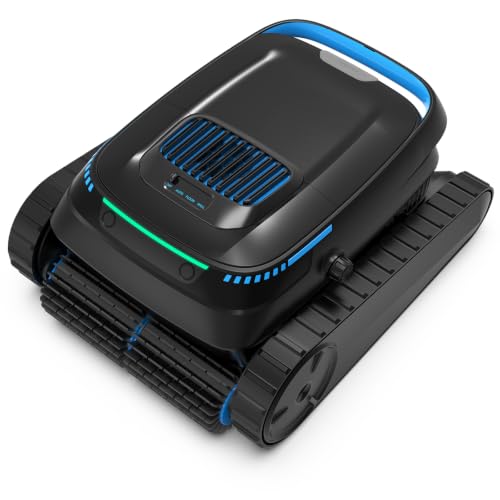
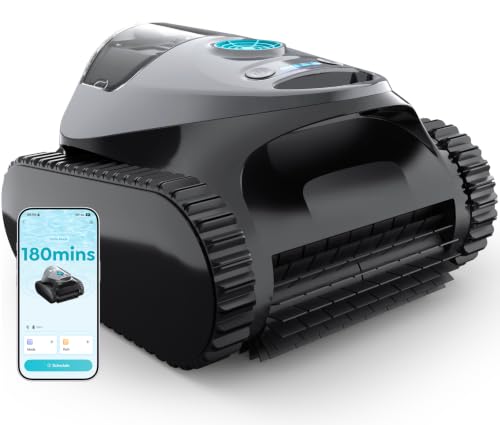
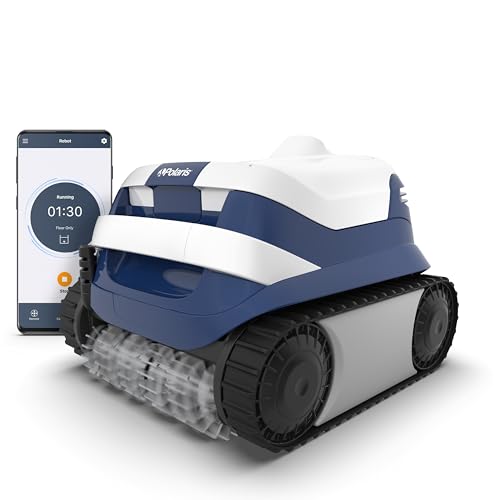
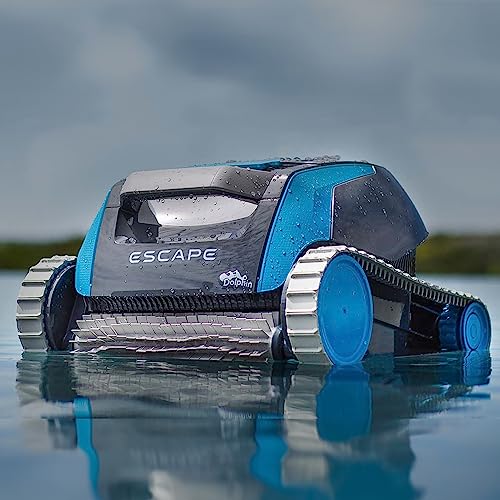
The sections below cover which pool owners benefit most, the features that protect a liner while still scrubbing the waterline, and the habits that keep both the cleaner and the liner in good shape. The product table below lists current models, and the notes after it explain which design fits which pool.

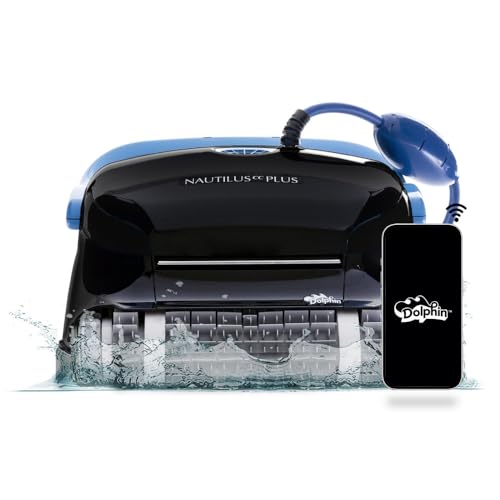
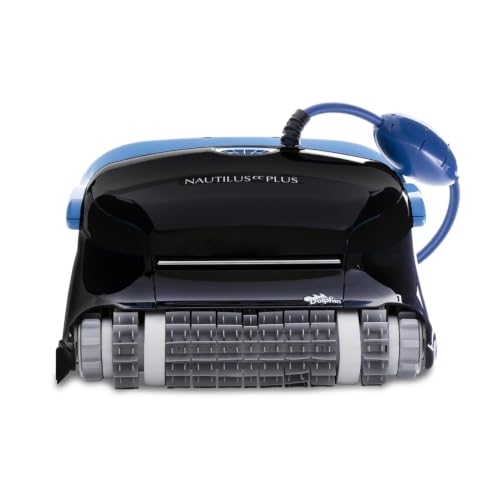
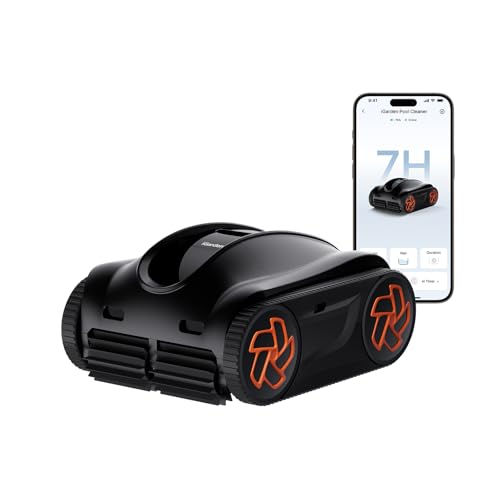
Who Should Buy a Robotic Pool Cleaner for a Vinyl Pool?
Owners of In Ground Vinyl Liner Pools
If your in ground pool has a vinyl liner, your priority is a cleaner that scrubs without abrading. Look for soft PVC brushes or foam rollers, smooth wheels or gentle tracks, and a program that does not park and spin in one spot. These owners get the most from full pool coverage including walls, provided the cleaner climbs without grinding at the waterline. Start with the category overview in our guide to the best robotic pool cleaner, then narrow to liner safe models.
Owners of Above Ground Vinyl Pools
Above ground pools have thinner liners, softer floors and often a cove where wall meets floor that traps dirt. A lighter cleaner with a floor only or gentle wall program suits them better than a heavy climbing machine, which can wrinkle a soft floor. Our guide to the best above ground robotic pool cleaner focuses on models sized and weighted for these pools, including ones that handle the floor cove without folding the liner.
Pool Owners Tired of Manual Vacuuming
If your pool collects leaves, pollen and fine silt between swims, a robot running two or three cycles a week keeps the liner visibly cleaner with minutes of effort per session. You trade the chore of dragging hoses and a suction cleaner for the simpler routine of dropping in the robot, emptying its basket and rinsing its filter. Owners of large or irregular pools should pay special attention to cable length and smart navigation in the features below.
Key Features to Compare
Brush and Roller Material
This is the single most important choice for vinyl. Soft PVC bristle brushes and foam rollers scrub algae film and loosen dirt without scratching or fading the liner pattern. Stiff combination brushes designed for tile and plaster grip harder but can scuff vinyl over a season, so avoid them unless the manufacturer rates them for liner use. Wheels and tracks should be smooth and free of sharp edges. Inspect brushes each spring, because a worn brush with exposed hard core can mark a liner quickly.
Wall Climbing and Coverage Pattern
Many vinyl pools only need the floor and the lower wall cleaned well, since the cove and floor collect most debris. A cleaner that climbs to the waterline is still useful for the greasy band that forms there, but it should climb smoothly rather than scrubbing in place. Random pattern cleaners eventually cover a simple rectangle, while guided navigation finishes faster and misses less on L shaped or kidney pools. Match the coverage style to your pool shape, and remember that ladders and steps will always need a hand brush.
Cable Length or Battery Runtime
Corded models need a cable a few feet longer than the longest reach in your pool so the unit can cover the far corner without tugging its power supply toward the water. Swivel cables tangle less over a season. Cordless designs remove the cable entirely but run about 1.5 to 2.5 hours per charge, which suits small and medium pools in one cycle. Our guide to the best cordless robotic pool cleaner explains the runtime tradeoff in detail. Either way, the power supply or charger stays on dry land, well back from the edge.
Filtration Basket and Micron Rating
A top loading basket or cartridge that catches leaves and bugs is standard, but fine silt and pollen need a finer filter option, often rated around 50 to 100 microns or offered as an ultra fine insert. On vinyl this matters doubly, because grit left on the floor gets ground under swimmers' feet and dulls the liner. A filter you can rinse in minutes gets cleaned often, and a clean filter keeps suction and scrubbing honest. Check whether fine filters are included or sold separately before you compare prices.
Cycle Time and Scheduling
Most cleaners finish a standard cycle in about 1.5 to 3 hours depending on pool size. A weekly timer or an automatic schedule on the power supply lets the robot run while you are out, which is when it actually earns its keep. Shorter quick clean modes suit a pre party touch up on the floor. Longer is not automatically better on vinyl, since extra passes add brush contact, so choose a cleaner whose standard cycle matches your pool size instead of running oversized programs.
Weight, Handle and Storage
You will lift the cleaner out of the water after every session, and it comes up heavy with trapped water until it drains. A model that is manageable for the person doing this chore, with a real handle and a quick drain, gets used more and dropped less. If your pool is above ground, also compare the designs in our guide to the best robotic pool cleaner for above ground pools, where lighter weight matters most. A storage caddy keeps the cable coiled loosely and the unit shaded between runs.
Running a Robotic Cleaner Without Harming the Liner
Plug the power supply into a GFCI protected outlet and keep it at least several feet from the water, following the distance in your manual, and never run the cleaner while people are swimming. Lower the unit into the water slowly and let air escape so it sinks without dropping onto the liner. Check the floor for sharp objects like broken glass or metal toys before a cycle, since the robot will drag them. If the cleaner keeps returning to one wrinkle or seam, move the entry point and confirm the pool floor is smooth, because repeated passes over a raised wrinkle can wear it thin.
What a Robotic Pool Cleaner Costs to Own
Liner friendly robotic cleaners commonly sell for around $600 to $1,200, with lighter above ground models below that range and premium navigation models above it. Running costs are modest: electricity per cycle is small, and the main expenses are replacement brushes and fine filter inserts every season or two, roughly around $50 to $120 a year for an active pool. That compares well with the water and chemical costs of backwashing a suction setup, and it avoids wear on your pool pump.
Common Mistakes to Avoid
- Buying a cleaner with stiff tile brushes for a vinyl liner, which can scuff the pattern and dull the surface within a season.
- Leaving the robot in the pool all week, which exposes the liner to constant contact in one area and ages the cleaner in chlorinated water.
- Running the cleaner while people swim, which risks entanglement with the cable and is against every manufacturer instruction.
- Yanking the cleaner out by its cable, which damages the cable entry point and strains the liner where the unit drags.
- Ignoring a dirty fine filter, which leaves silt on the floor to be ground into the liner by feet and by the cleaner itself.
How to Make Your Robotic Pool Cleaner Last Longer
Rinse the basket or cartridge after every cycle and let it dry out of the pool, since a clean filter protects the pump motor inside the unit. Store the cleaner shaded and off the ground on its caddy, coil the cable in wide loops without tight wraps, and keep the power supply dry and ventilated. Rinse the whole unit with fresh water after heavy chemical treatments such as a shock dose, once the water is safe to swim in again. Replace worn brushes promptly, both to protect performance and to protect your liner.
FAQ
Can a robotic pool cleaner damage a vinyl liner?
A liner rated model used correctly should not. Damage usually comes from the wrong brush type, a cleaner left sitting and cycling in one spot, or sharp debris dragged across the floor. Choose soft PVC or foam brushes, remove the unit after each cycle, and clear the floor of sharp objects first. If your liner is old and brittle, ask the liner manufacturer which cleaner types they approve before buying.
How often should a vinyl pool run a robotic cleaner?
Two or three cycles a week keeps most vinyl pools clean during swim season, with an extra run after storms or heavy use. Running it briefly and often is gentler on the liner than one marathon session, and it stops algae film from gaining a hold on the walls. In pollen season, a finer filter insert matters more than extra cycles, because the debris is small rather than plentiful.
Do robotic cleaners climb vinyl pool walls?
Many do, and on vinyl they should climb slowly with full brush contact rather than spinning their tracks. Wall climbing helps clean the waterline band where oils collect. Pools with a sharp cove or very slippery algae growth may see the cleaner slide back, which is a sign the walls need a manual brush first. Floor only models remain a fine choice for above ground pools with soft floors.
How long does a robotic pool cleaner take to clean a vinyl pool?
A standard cycle runs about 1.5 to 3 hours depending on the model and pool size, and most pools are visibly clean after one cycle. Very dirty pools after opening or a storm may need two cycles with a filter rinse in between. Cordless models must finish within their battery runtime, so measure your pool before choosing one. Regular weekly runs keep cycle times at the short end.
Can a robotic pool cleaner pick up algae on a vinyl liner?
It removes loose algae and the film on floors and walls, and its brushes loosen growth so the filter can capture it. An established algae bloom is a water chemistry problem first: balance and treat the water as your pool supplier advises, brush the walls by hand, then let the robot collect the dead algae. A fine filter insert helps, since dead algae particles are small and cloud the water if they pass through.
Final Thoughts
For vinyl, gentle wins: soft brushes, a filter fine enough for silt, and a cycle pattern matched to your pool shape will keep the liner bright instead of worn. The product table above sets out how the main designs differ, and the best robotic pool cleaner for vinyl pools for your home is the one that cleans thoroughly while treating the liner as the finish surface it is.


