
Best Silicone Toilet Brushes in 2026: A Buying Guide
Disclosure: We may earn a commission when you buy through links on this page, at no extra cost to you. As an Amazon Associate I earn from qualifying purchases. Learn more

Choose the best silicone toilet brush by comparing head shapes, bristle firmness, holder ventilation and handle length for cleaner, easier toilet care.
The classic bristle toilet brush has two flaws everyone knows: it holds dirty water in its bristles, and it frays into a scratchy mop within months. Silicone heads answer both complaints, because the flexible fins rinse clean, shed water instead of storing it, and keep their shape for years. But silicone brushes are not all alike. Head shapes, fin stiffness, and holder designs differ enough that one model scrubs beautifully under the rim while another skates over the bowl. This guide to the best silicone toilet brush designs explains the differences that actually show up in weekly cleaning.
We will cover who benefits from each head style, the holder details that decide whether the brush stays fresh or turns into a science project, and the care routine that keeps silicone performing. The product table below lists current models, and our broader guide to the best toilet brush options puts silicone in context against bristle and disposable systems.

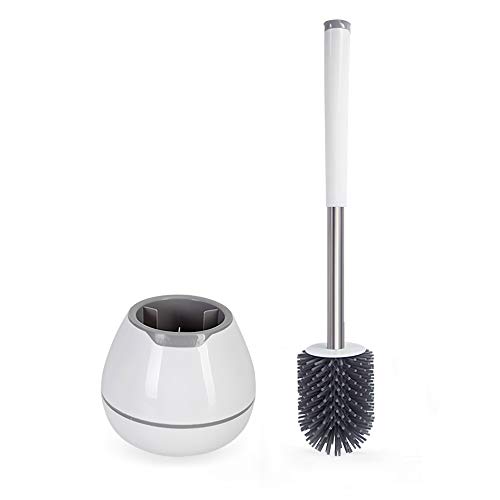
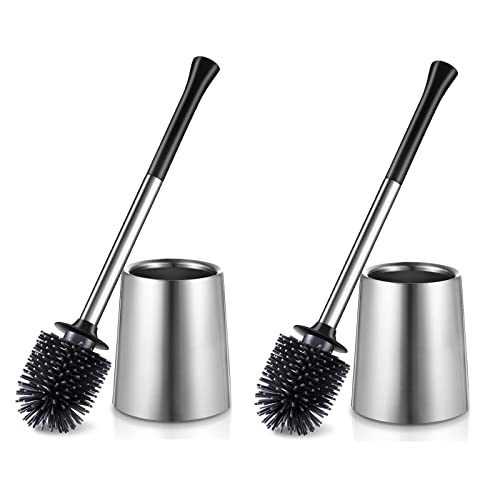


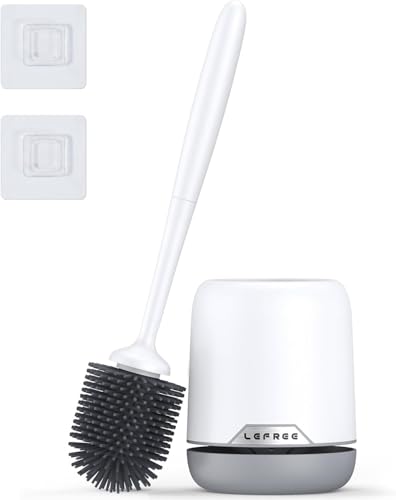

Who Should Buy Which Silicone Toilet Brush?
Hygiene Focused Households Tired of Dripping Bristles
If the sight of a bristle brush dripping across the floor is what brought you here, almost any well made silicone brush is an upgrade, because the head rinses clean in the flush water and dries fast. Choose a model with a ventilated holder so the last moisture escapes instead of pooling. This group should value fin spacing: wider spaced fins release debris and rinse fastest, which is the entire point of switching. A drip tray you can empty and wash seals the deal.
Owners of Modern Rimless and Wall Hung Toilets
Rimless bowls changed brush geometry. Without a rim channel to scrub, the job shifts to the bowl surface and the water outlet area, and a flat, flexible paddle head that bends against the curve does it best. Wall hung toilets also free the floor, which makes a wall mounted holder practical and keeps the brush off the ground entirely. Our guide to the best wall mounted toilet brush sets covers mounting methods and heights if that direction appeals. Pick a slim head that reaches the trap opening without forcing.
Households That Prefer Disposable Hygiene Instead
Some homes, especially with immunocompromised family members or a strong preference for touch free disposal, are simply better served by disposable pad systems, and no silicone brush will change that math. If that is your household, the guide to the best disposable toilet brush systems explains the pad and wand options and their running costs. Everyone else saves money and waste with silicone, since one head replaces years of refills and the brush itself never needs a cleaning product budget of its own.
Key Features to Compare
Head Shape: Paddle, Round, and Edge Designs
Flat paddle heads carry rows of silicone fins on both faces and flex to match the bowl's curve, which makes them the strongest scrubbers for general use. Round heads mimic the classic brush silhouette with silicone bristles, reaching the trap and drain area easily but sometimes skating on flat stains. Some designs add a dedicated edge or pointed tip that slides under the rim and into the jet holes' neighborhood. Think about your bowl: deep bowls with a pronounced rim channel reward an edge feature, while rimless bowls reward a wide, bendy paddle that maximizes contact.
Fin and Bristle Firmness
Silicone hardness decides whether the brush scrubs or merely wipes. Very soft fins feel gentle and rinse beautifully, but they fold against dried on stains and leave you pressing harder for longer. Firmer fins and bristles transfer your effort into the surface and clear mineral rings and biofilm faster, with a slightly less slick rinse. The best designs mix both: a firm working face for the bowl and softer edges that will not scratch. No silicone head in good condition should scratch glazed porcelain, which is softer than the ceramic, but grit trapped under any brush can, so rinse the head before scrubbing a visible bowl.
Under Rim Reach
The rim channel hides the worst buildup in a traditional bowl, fed by the jet holes every flush. Reaching it takes either a head slim enough to angle upward into the channel or a shaped tip built for the job. Test any brush's geometry against your bowl honestly, because a bulky round head physically cannot enter a narrow channel. The dedicated designs in our guide to the best toilet brush for under rim cleaning show the shapes that solve this, and comparing them clarifies whether your chosen silicone model needs that specialty or covers it already.
Handle Length, Grip, and Splash Control
A longer handle keeps your hand away from the bowl and gives leverage for scrubbing the trap area, while a shorter one stores more neatly in a small bathroom. Handles in the range of about 15 to 17 inches suit most adults and bowls. The grip should stay secure in a wet, gloved hand, so look for texture or a slight flare at the end rather than a slick tube. Splash behavior matters too: silicone heads shed water in droplets when you tap them against the bowl, unlike bristles that fling spray, and a quick tap inside the bowl before lifting keeps floors dry.
Holder Design and Ventilation
The holder decides whether your clean rinsing brush stays clean. Open, ventilated holders let air circulate so the head dries fully, and a removable drip tray catches the last water where you can dump and wash it. Fully enclosed canister holders look tidy but can trap humidity unless they have vents or a quick dry design, and a damp enclosed holder is where odors actually come from with silicone brushes. Wall mounted holders free the floor for mopping and suit small bathrooms, while weighted floor bases resist tipping when a child or pet brushes past.
Materials and Build Quality
Look for a handle in stainless steel or sturdy polymer with a head molded from one piece of silicone, so there are no glued joints to fail or seams to trap grime. Cheap sets pair a good looking head with a thin hollow handle that flexes and eventually cracks at the neck. The head to handle joint takes every scrubbing force you apply, so a threaded or reinforced connection outlasts a friction fit. Silicone itself tolerates hot water and common bathroom cleaners without degrading, which is why these brushes accept a disinfecting soak that would ruin bristles.
Silicone Versus Bristle and Disposable Brushes
Against classic bristles, silicone wins on hygiene and lifespan: fins do not splay, trap far less water and debris, and rinse clean in seconds. Bristles still hold one edge, which is aggressive scrubbing on very rough or heavily stained porcelain, because stiff nylon bristles dig slightly harder per stroke. Against disposable pads, silicone wins on cost and waste by a wide margin, since there are no refills to buy, while disposables win on never touching or storing a used head. Most households land on silicone as the everyday brush and keep a small box of disposables for illness weeks and guest bath turnovers, which is a sensible split rather than a compromise.
Common Mistakes to Avoid
- Storing a silicone brush in a sealed, unvented holder, which recreates the damp odor problem the material was meant to solve.
- Pressing harder and harder with a very soft head on a mineral ring, instead of treating the ring with an acidic cleaner and letting chemistry work.
- Scrubbing with grit trapped under the head after cleaning a sandy mess elsewhere, which can scratch the glaze of any bowl.
- Choosing a bulky round head for a narrow rim channel bowl, then concluding silicone brushes cannot clean under rims.
- Leaving the brush soaking in strong bleach solution for days, which will not harm silicone much but degrades handles, holders, and bathroom air for no benefit.
- Skipping the rinse and tap routine after use, so the head goes into the holder dirty and defeats its own hygiene advantage.
How to Make Your Silicone Toilet Brush Last Longer
Rinse the head in the clean flush water after scrubbing, tap it dry against the bowl interior, and store it in its ventilated holder. Once a month, give the head and holder tray a proper wash with hot soapy water; for a deeper reset, soak the head in a diluted disinfectant solution used exactly as its label directs, then rinse and air dry. Store all bathroom chemicals locked away from children and pets, and never mix bleach with ammonia or acidic cleaners, since that combination releases dangerous gases. Inspect the fins each season: a quality silicone head should look nearly new for years, and the usual replacement trigger is holder damage or a cracked handle, not the head itself.
FAQ
Are silicone toilet brushes worth it compared with bristle brushes?
For most bathrooms, yes. A silicone brush costs about the same as a decent bristle brush, rinses cleaner, drips less, and lasts several times longer before it needs replacing, which quietly makes it the cheaper tool over a few years. The switch asks one adjustment: silicone scrubs with fin edges rather than bristle tips, so technique shifts from pressing hard to using steady strokes. Households fighting very rough, heavily scaled bowls may still prefer bristles for the worst jobs and silicone for weekly upkeep.
How long does a silicone toilet brush last?
The head commonly lasts three to five years or more, because silicone does not fray, rust, or hold a permanent bend the way bristles and wire cores do. In practice the handle or holder usually fails first on cheap sets. A well built set should be a buy it once item for practical purposes, replaced when the holder cracks or the handle loosens, not on a schedule. If fins start tearing at the base, that signals poor material, and the next purchase should move up a quality tier.
How do you clean a silicone toilet brush?
Day to day, the flush rinse is the cleaning: swish the head in the fresh water of a flushed bowl and tap it dry. For the monthly deep clean, wash the head and tray in hot soapy water, or soak the head in a disinfectant solution mixed and used exactly per its label, then rinse and air dry fully before returning it to the holder. The holder deserves equal attention, since its tray is where residue collects. Never combine bleach with ammonia or acid based cleaners in the bowl or bucket.
Does a silicone toilet brush scratch porcelain?
Silicone is softer than glazed porcelain, so the head itself does not scratch the bowl. Scratches blamed on toilet brushes usually come from grit, pumice residue, or mineral chunks dragged under any brush, whatever its material. Rinsing the head before scrubbing and avoiding scouring powders in the same session removes that risk. Very old bowls with worn, matte glaze can mark more easily with any tool, so use lighter pressure there and let cleaner dwell time do more of the work.
Can a silicone brush really clean under the rim?
It depends entirely on the head geometry, which is why this guide treats under rim reach as a deciding feature. Slim paddle heads and models with a pointed edge tip slide into the channel and scrub the jet area well. Bulky round heads cannot enter narrow channels no matter the material. Check the head profile against your bowl's rim before buying, and if under rim buildup is your main battle, choose the edge design even at the cost of a slightly smaller general scrubbing face.
Final Thoughts
The product table above lays out the head shapes and holder styles, so match them to your bowl's rim design and your bathroom's storage reality. The search for the best silicone toilet brush usually ends with a firm finned paddle head, a handle long enough to keep your hand clear, and a ventilated holder that lets everything dry. Buy that combination once and the least pleasant tool in the house quietly stops being a recurring purchase. Prices and availability can change, so check the product page before ordering.


