
Best Spray Carpet Stain Remover in 2026: How to Choose the Right Spray
Disclosure: We may earn a commission when you buy through links on this page, at no extra cost to you. As an Amazon Associate I earn from qualifying purchases. Learn more

Choose the best spray carpet stain remover by comparing enzyme and oxygen formulas, residue, dwell time and fabric safety.
A mug of coffee tips over, a dog tracks mud across the living room, and suddenly you are on your knees with paper towels. Spot sprays exist for exactly this moment, because nobody wants to drag out a full carpet machine for one spill. The best spray carpet stain remover for your home depends on what you spill most, what your carpet is made of, and whether the stain is fresh or has been sitting for weeks.
Unlike machine solutions that treat a whole room, a trigger spray treats one spot in minutes with no setup and no rental fees. This guide compares the formula families behind these sprays, explains where each one works and where it fails, and covers the blotting technique that decides whether the stain lifts or spreads. The product table below lists current sprays.


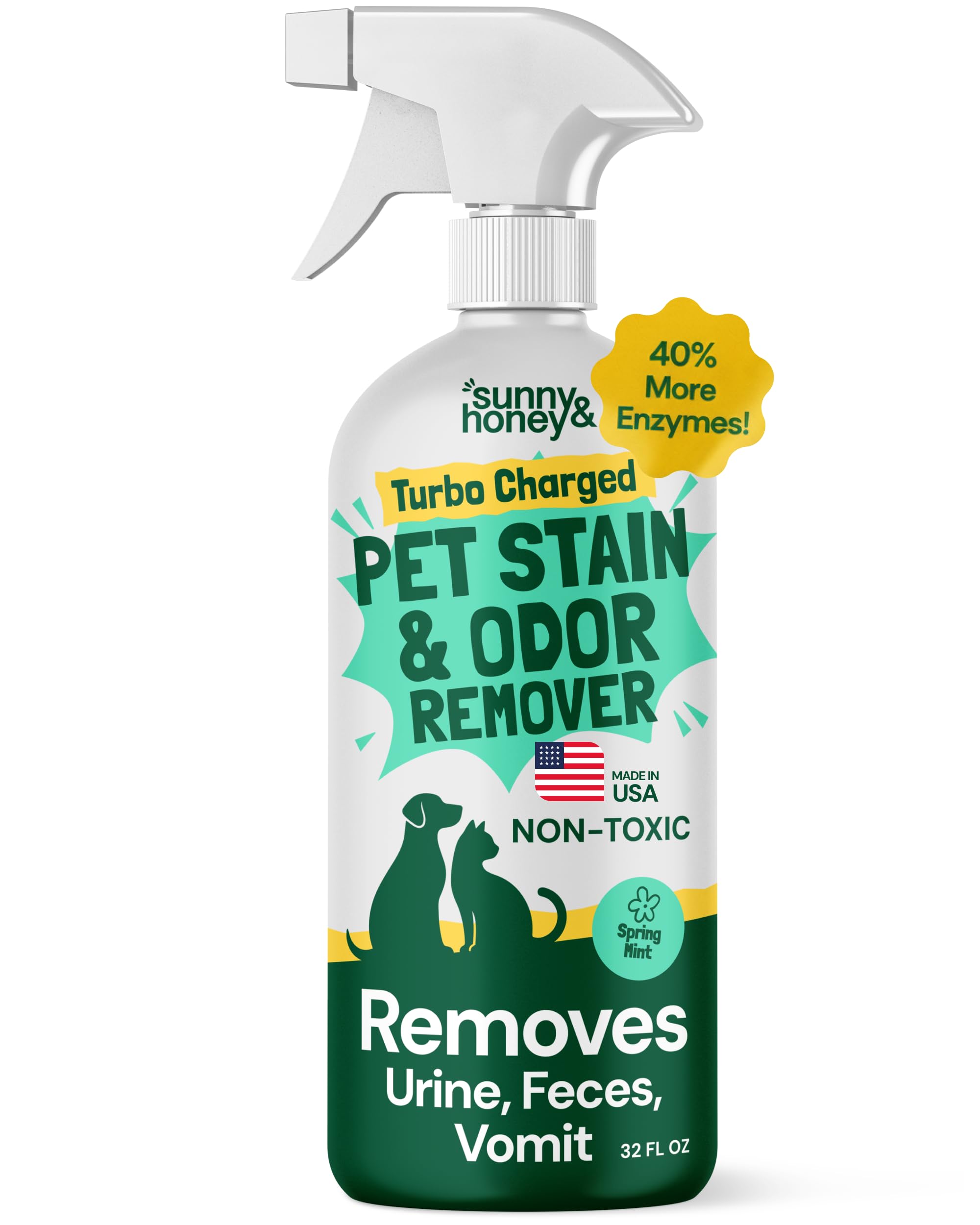


Who Should Buy Which Spray Carpet Stain Remover?
Pet owners dealing with accidents and odor at the same time
Pet stains are two problems in one spot, the visible mark and the organic residue that keeps smelling after the color is gone. Enzyme based sprays are built for this, because their bacteria cultures break down urine, vomit, and food proteins instead of just lifting the pigment. If your home has puppies in training or an older cat, an enzyme spray is the one bottle worth keeping within reach, and it should be applied generously enough to reach the padding below.
Homes with kids, snacks, and constant small spills
Juice, chocolate, and mystery stickiness call for a fast general purpose spray that works on contact and tolerates weekly use. Oxygen based formulas suit this routine well, since they brighten colored spills without bleach and are safe on most synthetic carpets. Choose a bottle with a spray pattern you can control, because a wide mist wastes product on clean carpet while a stream soaks one spot properly.
Anyone rescuing light colored or older carpet on a budget
Old stains that have been through foot traffic and sunlight are the hardest test, and many households keep a stronger specialty spray for them rather than using it daily. If most of your spills are fresh, one mid priced all purpose spray covers nearly everything, and you can save the heavy duty option for set stains. Our broader guide to the best carpet stain remover formats compares sprays with foams, powders, and machine solutions if you are deciding between categories.
Key Features to Compare
Formula type and the stains it targets
Enzyme formulas digest organic matter, so they lead for pet messes, milk, blood, and food. Oxygen based formulas release bubbles that lift dye based stains such as wine, juice, and coffee, and they are the usual pick for bright spills on synthetic pile. Solvent based sprays cut greasy marks like makeup and cooking oil that water based products slide over. No single chemistry wins everywhere, which is why the label list of named stains matters more than general claims about power.
Fresh stains versus set and dried stains
A spray that erases a spill in two minutes may barely touch the same spill after a month of drying and traffic. Set stains bond to fibers and often need longer dwell time, a second application, or a formula made specifically for them. Our guide to the best carpet stain remover for old stains explains what changes when a mark has dried in. For everyday buying, check whether the bottle promises fresh stain performance or dried stain performance, because those are different products wearing similar labels.
Carpet fiber and color safety
Most sprays are tuned for synthetic carpet such as nylon and polyester, and some can damage wool, silk blends, and certain dyes. Read the label for fiber warnings before the first use, and test any new spray on a hidden patch under furniture, waiting for it to dry before judging the result. Bleach containing products have no place on colored carpet at all. If your floors include wool area rugs, keep a separate wool safe spray rather than gambling with the household bottle.
Residue, resoiling, and scent
Soapy residue left in the pile attracts dirt, so a cleaned spot can turn gray again faster than the carpet around it. Better sprays are formulated to rinse free or encapsulate soil so a vacuum pass removes it after drying. Heavy fragrance is a mixed blessing, since it can mask odor for a day without removing the source, and strong scents bother many pets and sensitive noses. An unscented enzyme spray that removes the source usually beats a perfumed one that covers it.
Spray pattern, dwell time, and effort
Trigger design shapes the whole job. A stream setting drives solution down to the carpet backing where spills settle, while a mist suits shallow surface marks. Dwell times run from about a minute for contact cleaners to 10 minutes or more for enzyme products, which need time for the cultures to work. If you dislike scrubbing, favor formulas that lift with blotting alone, and keep a white cloth habit, because colored towels can transfer dye onto wet carpet.
How to Treat a Carpet Spot With a Spray Remover
Remove solids first with a spoon or dull knife, lifting toward the center of the spill so you do not spread it. Blot liquids with a clean white cloth, pressing straight down and rotating to a clean area of the cloth as it picks up color. Spray the remover until the stain is saturated but the backing is not flooded, then wait the full dwell time on the label.
Blot again rather than rubbing, because rubbing frays fibers and pushes pigment deeper. For tannin stains such as tea, our guide to the best carpet stain remover for coffee covers the extra patience these drinks demand. Protein stains like those in our guide to the best carpet stain remover for blood need cold treatment only, since heat sets them permanently. Finish by rinsing with a cloth dampened in plain water, blotting dry, and weighting a folded towel over the spot to wick up what remains.
Common Mistakes to Avoid
- Rubbing a fresh spill hard, which spreads the stain wider and frays the carpet fibers.
- Using hot water on blood or milk stains, which cooks the protein into the pile for good.
- Soaking the spot until the padding floods, which can leave a mildew smell days later.
- Skipping the hidden spot test, which risks a bleached or discolored patch in full view.
- Layering two different sprays on one stain, which can set the color or leave sticky mixed residue.
How to Store and Maintain Your Stain Sprays
Keep spray bottles upright in a cool cabinet away from children and pets, since even mild formulas are not safe to swallow and triggers invite curious hands. Wipe the nozzle after each use so dried solution does not clog the sprayer or turn the next application into a dribble. If a trigger starts spitting, rinsing it under warm water usually clears the buildup. Enzyme products slowly lose strength with age and heat, so replace a bottle that stops working on fresh stains rather than doubling the dose, and never transfer cleaner into a drink container for storage.
FAQ
How long should a spray stain remover sit on carpet?
It depends on the formula. Contact cleaners often work in 1 to 5 minutes, while enzyme sprays need 5 to 10 minutes or longer to digest organic residue. Letting an enzyme spray dry on the stain is usually fine and can even help, but a strong oxygen formula should be rinsed within its label window so it does not lighten the carpet dye.
Can one spray handle both pet stains and food spills?
An enzyme spray comes closest to a true all purpose bottle, because most household spills, from gravy to pet accidents, are organic. Where it falls short is greasy marks and synthetic dyes, which may need a solvent or oxygen formula instead. Many homes keep one enzyme spray for daily duty and one specialty bottle for the exceptions, which costs less than a shelf of single use products.
Why did my cleaned spot turn dirty again after a week?
That gray return is usually residue, not the original stain. Leftover surfactant in the pile grabs shoe dirt faster than the surrounding carpet, a problem called rapid resoiling. Fix it by rinsing the spot with plain water and blotting until the cloth comes away clean, then let it dry fully before walking on it. Choosing low residue formulas prevents most repeats.
Are spray stain removers safe on wool rugs?
Many are not, because alkaline formulas and strong oxidizers can strip wool dye and damage the fiber itself. Check the label for an explicit wool safe statement, and treat wool with a dedicated product instead of the general carpet spray. Whatever you use, test under a rug edge first and blot gently, since wet wool weakens and distorts under hard rubbing.
Should I keep pets and kids off a treated spot?
Yes, until the area has dried completely. Wet cleaner can irritate paws and skin, and pets may lick at sweet smelling residue. Block the spot with an upturned laundry basket so air still flows, and once the carpet feels dry to the back of your hand, a plain water rinse and blot makes it safer for crawling babies and bare feet.
Final Thoughts
Match the chemistry to your most common mess, respect dwell time, and blot instead of rubbing. With the types in the product table above as a starting point, the best spray carpet stain remover for most homes is an enzyme spray for organic accidents plus the patience to let it work, and every other spill becomes a short job instead of a weekend project.


