
Best Steam Mop Under $100: Where the Extra Money Helps in 2026
Disclosure: We may earn a commission when you buy through links on this page, at no extra cost to you. As an Amazon Associate I earn from qualifying purchases. Learn more

Compare steam mops under 100 with this guide to adjustable steam, tank size, cord reach, pad systems, and floor safety, and see what the extra money adds.
Doubling the budget of the cheapest steam mops changes the experience more than the chemistry. Steam is steam, but adjustable output, a tank that lasts a whole floor, and a cord that reaches the far wall turn a fussy gadget into a weekly routine you actually keep. The best steam mop under 100 dollars balances those comforts against a price that still undercuts the premium tier by a wide margin.
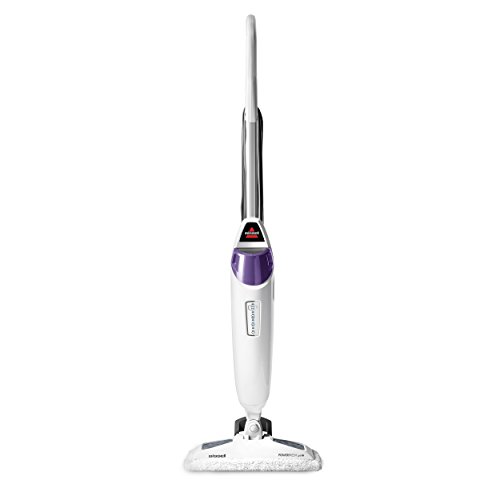
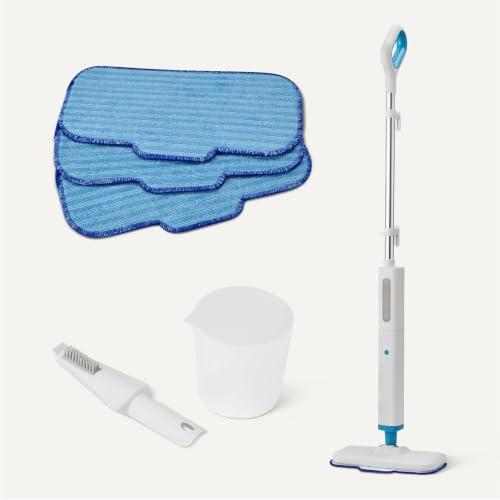
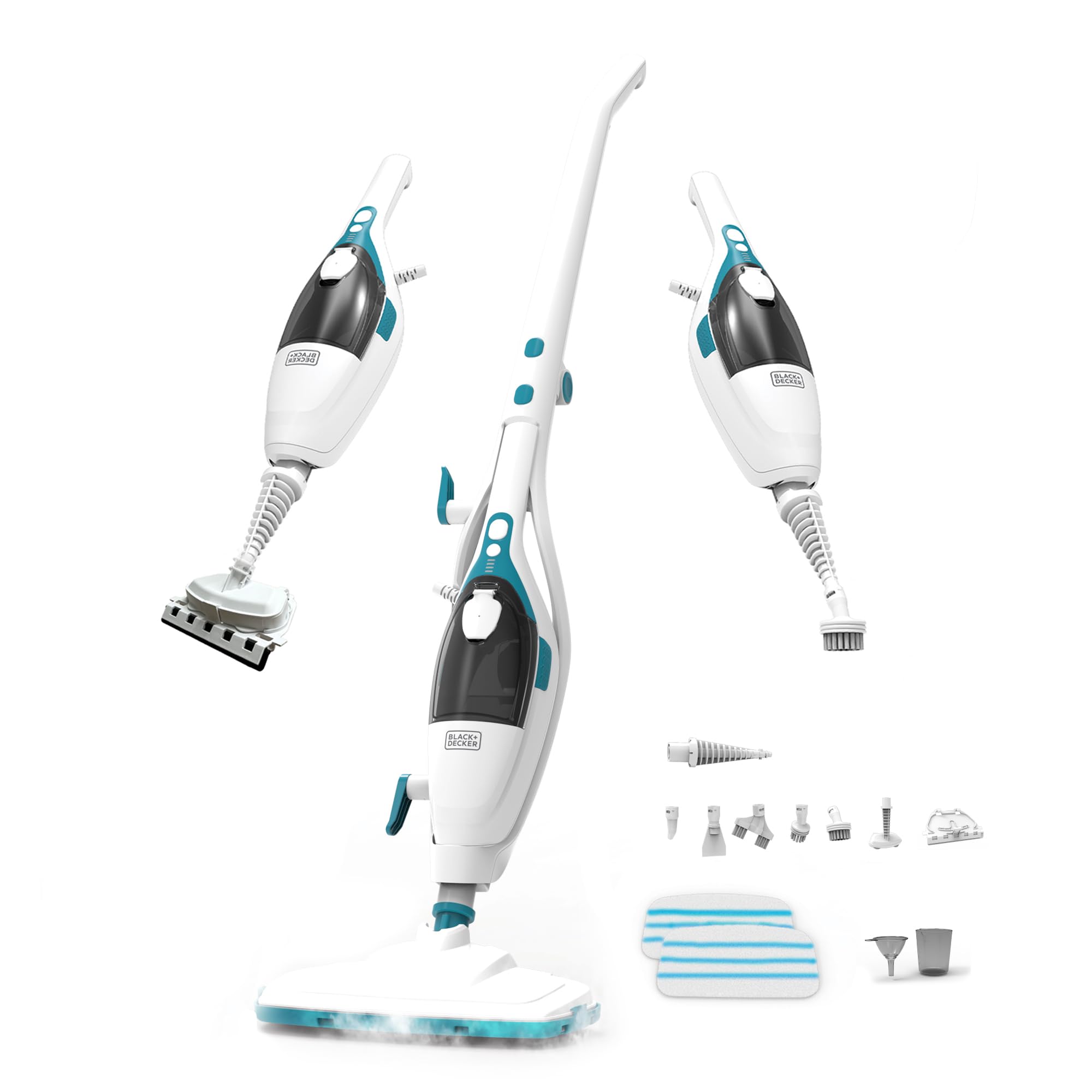
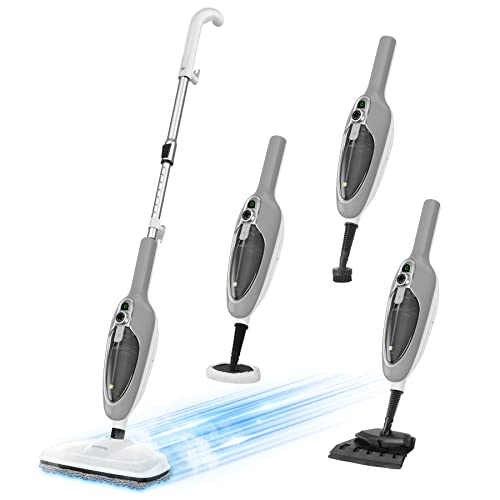
This guide explains what the step up from the lowest prices buys, which features at this level genuinely change results, and how to choose between the solid mid range shapes on offer. The product table below lists current models before we get into detail.






Who Should Buy a Steam Mop Under $100?
Homes With Mixed Hard Floors in Several Rooms
When your cleaning route crosses tile, vinyl, and sealed wood in one session, adjustable steam stops being a luxury. You can run strong output in the bathroom and ease off over the hallway wood without swapping tools. Bigger tanks at this level also mean the whole route happens on one fill, which keeps the rhythm that makes steam mopping faster than a bucket routine.
Households That Clean Floors Twice a Week or More
Frequent cleaning punishes flimsy joints, short cords, and single pad kits. This budget buys sturdier construction, cords around 23 to 28 feet, and pad systems designed for quick swaps, all of which matter when the mop comes out every few days. Busy kitchens with cooking splashes and entryways with tracked grit are exactly the loads that justify spending a little more once instead of replacing a cheap mop early.
Owners of Sealed Hardwood Who Need a Gentle Setting
A low steam setting is the feature that makes steam mopping viable for many sealed hardwood floors, and it rarely exists below this price band. Our guide to the best steam mop for hardwood floors explains which finishes qualify. If your floor maker approves steam with care, a model under $100 with a true low setting and a soft pad is the responsible way to get steam benefits without cooking the finish.
Key Features to Compare Under $100
The full category picture sits in our guide to the best steam mop options at every price, but the five factors below are where this budget band separates into good and mediocre.
Adjustable Steam Levels
Two or three steam settings cover the realistic range of home jobs: low for delicate sealed surfaces and dust level soil, medium for weekly floors, high for grout lines and dried spills. Electronic pump driven systems hold the chosen level steadier than gravity fed designs, so the pad stays evenly damp instead of pulsing. Check that the control is reachable while mopping, because a setting you cannot change mid pass tends to stay on medium forever.
Tank Capacity and Continuous Runtime
Tanks at this level commonly hold about 12 to 16 ounces and steam for roughly 20 to 30 minutes, enough for most single floor homes in one fill. Removable tanks remain the convenient choice, and some models now allow filling without a full cool down. A clear tank with visible level marks sounds trivial until you have run a boiler dry mid room; dry running stresses the heating element and shortens its life.
Head Design, Pads, and Scrubbing Options
Swivel steering is standard here, and many models add a scrub brush that drops down for stuck spots or a triangular head option for corners. Pads improve too: thicker microfiber with scrub strips, sold in pairs, with spares reasonably priced. A head that stands upright on its own is a small delight during pauses, keeping the hot pad off the floor while you move a chair. Judge pad attachment by how it behaves with wet hands, because that is the real use case.
Cord Length and Overall Handling
Expect cords around 23 to 28 feet, enough to cross most rooms from one outlet. Weight creeps up with tank size, so check the filled weight rather than the dry figure in the listing; a mop that feels fine empty can tire your wrist at the end of a long session. Balanced designs carry the water low and close to the head, which also improves pad pressure and cleaning on textured tile.
Grout and Edge Performance on Tile
Tile owners should look past flat floor claims to edges and grout. Steam channeled toward the pad edges, plus a stiff scrub strip, lifts the dark line of soil that collects along grout and baseboards. Our guide to the best steam mop for tile floors covers technique, such as slow passes and dwell, that matters as much as the machine. No mop head fully restores neglected grout, but the better designs here maintain grout that is already in decent shape.
Under $50 Versus Under $100: The Practical Difference
The honest summary is control and stamina. Under $50 you generally get one steam level, a small fixed tank, a short cord, and one pad. Moving toward $100 adds settings that protect delicate floors, runtime that finishes a whole floor, cords that end the outlet shuffle, and pads built to survive weekly washing. Laminate owners in particular should note the gap: even with care, steam and laminate are cautious partners, and the guidance in our guide to the best steam mop for laminate floors matters more than any single feature. If your floors are few and forgiving, the cheaper class serves; if they are many or delicate, this band is the sweet spot.
Common Mistakes to Avoid
- Leaving the steam on its highest setting for every floor, which wastes the control you paid for and risks delicate finishes.
- Judging two models by tank size alone, while ignoring that a thirsty high output setting drains a big tank as fast as a small one.
- Forgetting to price spare pads and any water filter cartridges, which are the true running costs of this class.
- Pushing the mop fast like a vacuum, so the pad never dwells long enough for heat to loosen dried soil.
- Coiling the cord tightly around the hooks while the body is still hot, softening the cord jacket over time.
How to Make Your Steam Mop Last Longer
Feed the boiler kindly: distilled water in hard water regions prevents the scale that chokes jets and pumps, and descale only by the method the manual allows. Rinse pads after each use, wash them without fabric softener, and rotate two pads so each rests between sessions. Empty the tank when you finish and store the mop with the cap loose and the pad removed, so nothing stays damp and sealed. Wipe the soleplate once cool, because baked on grit scratches glossy floors on the next outing. Keep the cord loosely looped and the machine upright in a dry spot, away from the chemical bottles under the sink.
FAQ
What does a steam mop under $100 do that a cheaper one cannot?
Mainly, it adjusts. Variable steam lets one machine serve tile, vinyl, and approved sealed wood safely, and pump fed systems keep that steam steadier. It also runs longer per fill, reaches farther on its cord, and ships with pads worth washing rather than enduring. The cleaning chemistry is unchanged, but the control and stamina change which floors you can clean and how pleasant the job feels.
How long should a steam mop under $100 last?
With distilled water where needed and pads cared for properly, a mid range machine should give several years of weekly service. Boilers and pumps at this level are built for home duty cycles, and the parts that wear first are pads, seals, and cord jackets rather than the heater. Following the descale schedule and never running the tank dry are the two habits that most extend working life.
Can a steam mop under $100 handle pet messes on hard floors?
It handles the residue well once the solid or liquid part is picked up first, because steam loosens the film and odor causing grime that mopping smears. Never steam a fresh accident straight into the pad, since that spreads contamination across the floor and into the pad fibers. Pick up, rinse the spot, then steam with a pad you wash immediately afterward. For homes with frequent accidents, keep one pad dedicated to that duty.
Is a heavier steam mop better at cleaning?
Not automatically. Pad pressure helps on textured tile, and weight low in the head adds useful pressure, but weight carried high in the body only tires your arm. The useful test is how the mop feels at the end of your longest room, not the start. Many mid range designs add water capacity low near the head for exactly this reason, gaining pressure where it works and keeping handling light.
Do steam mops under $100 need special water?
They need suitable water, which in hard water areas means distilled or demineralized to protect the boiler and keep steam jets clear. In soft water areas, plain tap water is usually acceptable per the manual. What you should never add is detergent, scented oils, or vinegar unless the maker explicitly allows it, because additives coat sensors, clog jets, and can void the warranty on the heating system.
Final Thoughts
The best steam mop under 100 dollars wins on control: steam you can tune to the floor, a tank that finishes the job, and pads and cords that respect a weekly routine. Use the product table above to compare the shapes against your floor mix, and treat a genuine low setting as the deciding feature if sealed wood or other delicate surfaces are on your route. This is the price band where steam mopping grows from a novelty into the way the floors simply get done.


