
Best Aiper Pool Vacuum for 2026: Picking the Right Class of Cleaner
Disclosure: We may earn a commission when you buy through links on this page, at no extra cost to you. As an Amazon Associate I earn from qualifying purchases. Learn more

Compare Aiper pool vacuum types by pool size, runtime, wall climbing and filtration, and learn the battery care that keeps a cordless cleaner running.
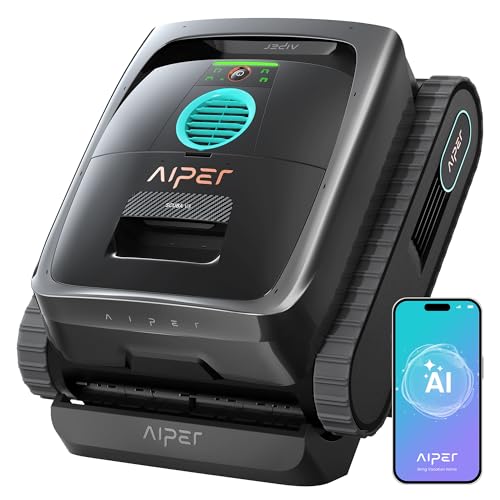
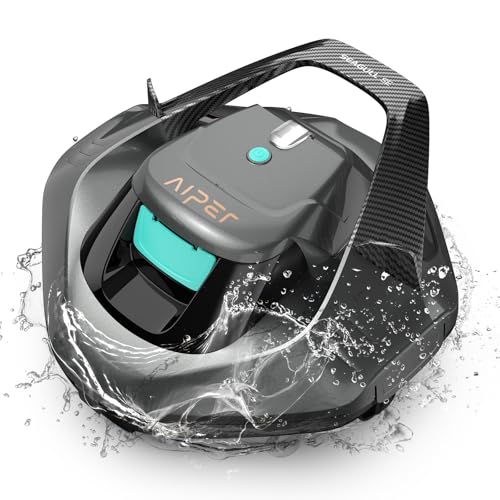
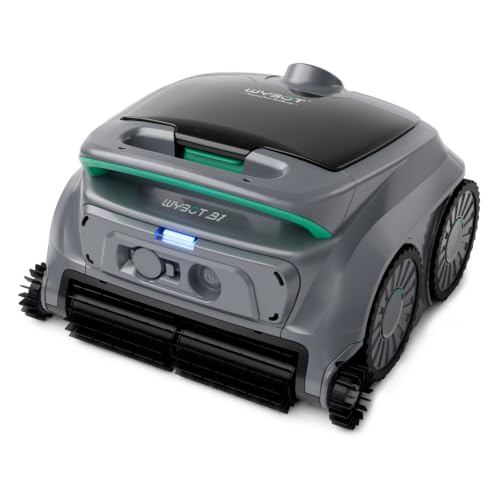
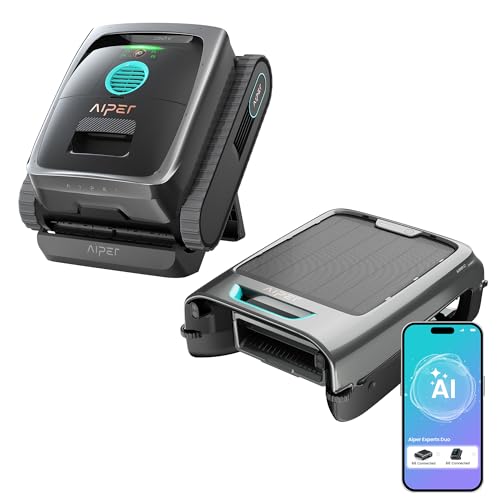
Aiper made its name with cordless pool cleaning: no hose, no booster pump, no cord tangled around the ladder. The best aiper pool vacuum for your pool depends on which class in the lineup matches your water, because the brand spans compact robotic cleaners for small above ground pools, larger robots that climb walls in in ground pools, and handheld cordless vacuums for spas and spot cleaning. This guide compares those classes by pool fit, runtime, and filtration rather than ranking named units, so you can narrow the lineup before you shop.
The comparison table below sorts the classes by pool type and cleaning coverage. Under it, this guide explains which owners should look at which class, the battery and basket details that decide day to day satisfaction, and the safety habits that matter with any electrical device used around water.

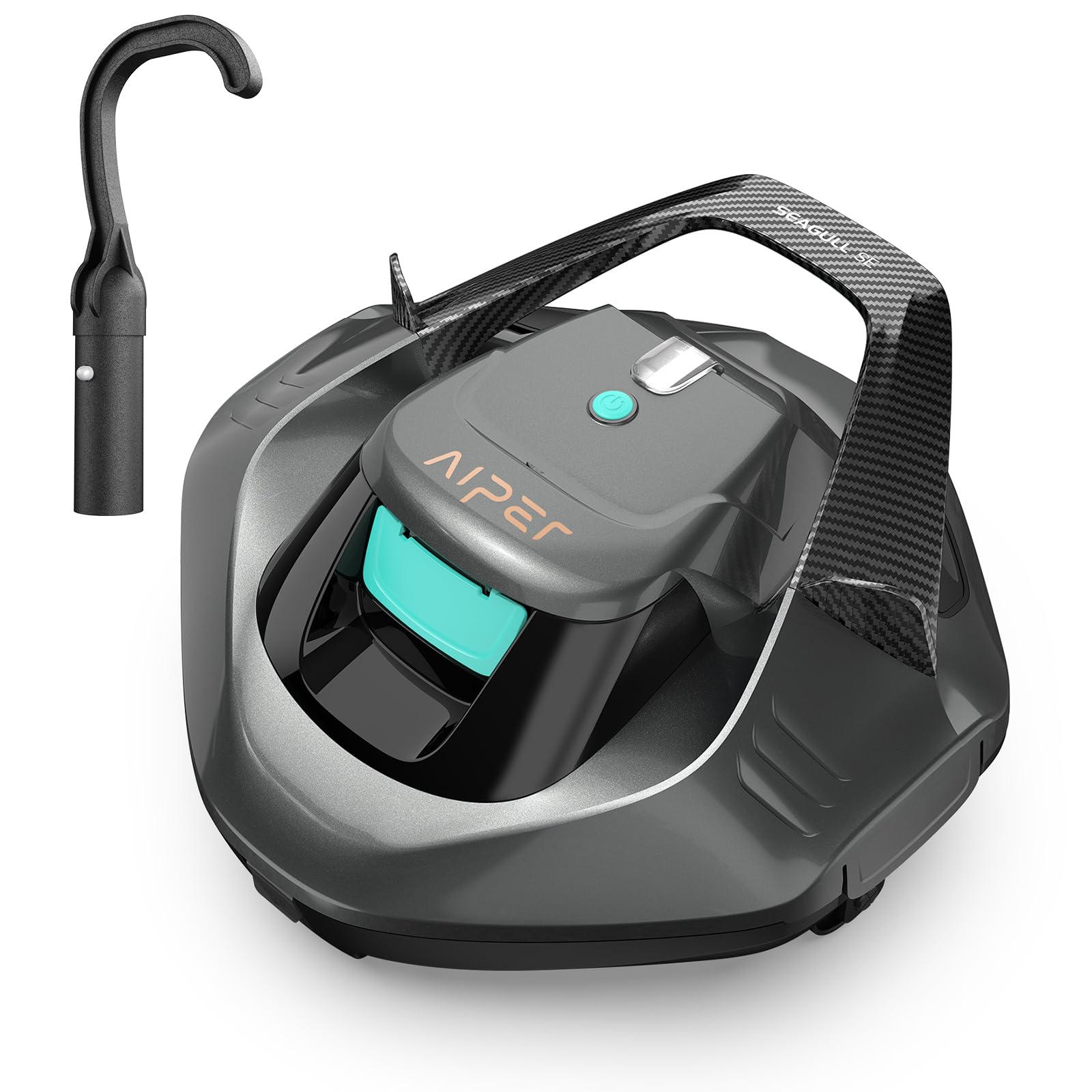
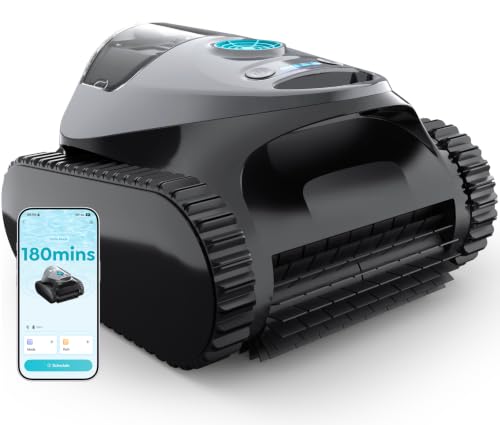
Who Should Buy Which Aiper Pool Vacuum?
Above Ground Pool Owners
Above ground pools have flat floors, vinyl liners, and modest depths, so a compact floor cleaning robot is usually the right class: light enough to lift out with one hand, gentle on liner seams, and sized to finish the pool on one charge. Shoppers comparing across cleaner types should also see our overview of the best above ground pool vacuum options, which sets cordless robots beside suction and manual alternatives.
In Ground Pools With Heavy Leaf Loads
In ground pools under trees need basket capacity above all: a robot that fills its debris basket in ten minutes spends the day being emptied instead of cleaning. Look for the larger robots in the lineup with oversized baskets and wall climbing ability, since leaves collect along the waterline and on steps as well as the floor. If your pool is large or an unusual shape, map the runtime against your pool's surface area before choosing, not after.
Spa, Hot Tub, and Small Pool Owners
A full size robot is oversized for a spa or a stock tank pool. The handheld cordless class, which works like an underwater stick vacuum, suits these small volumes and doubles as a spot cleaner for steps and corners in a larger pool. It is also the fastest answer for a quick cleanup before guests arrive, when running a full robot cycle for a few leaves makes little sense. Our broader guide to the best pool vacuum types explains where handhelds fit in a complete pool care kit.
Key Features to Compare
Cleaner Class: Robots vs Handheld Units
Class decides everything else. Robotic units clean autonomously on a cycle, scrubbing and filtering as they travel, and they ask only to be dropped in, retrieved, and emptied. Handheld cordless vacuums put you in charge of the path, which makes them precise on steps and spas but useless for a whole pool unless you enjoy slow laps with a pole. Many pool owners end up with one of each: a robot for the weekly floor cycle and a handheld for touch ups. Decide which job you are actually hiring for before comparing runtimes and baskets, because a great handheld is still the wrong tool for a 30 foot pool.
Runtime and Charging Time
Cordless cleaning lives and dies by the battery. Robot runtimes in this category commonly range from about 60 to 150 minutes depending on class, with charging times of a few hours. Match runtime to your pool: the cleaner should finish your pool with charge to spare, because a robot that dies mid pool parks wherever it stops and must be fished out. Also consider your routine: a cleaner that charges in about two hours can run twice in a day for a pre party rescue, while a slow charging unit is a once a day tool. Battery capacity fades slowly over seasons, so a small runtime cushion today protects you later.
Floor Only vs Wall and Waterline Cleaning
Floor only robots suit flat bottomed pools and cost less, but they leave the walls and waterline, where sunscreen film and algae start, to your brush. Wall climbing models grip and ascend, scrub the waterline, and handle slopes between shallow and deep ends. The trade off is weight and price: climbers are heavier to lift out of the water, which matters if the person doing pool chores has shoulder or back limits. Be honest about who retrieves the cleaner every week, because a lighter floor model used weekly beats a heavy climber that gets skipped.
Basket Capacity and Filter Fineness
Two filtration questions decide cleaning quality. First, capacity: how much leaf and debris volume the basket holds before suction drops. Second, fineness: how small a particle the filter media catches. Standard baskets catch leaves, twigs, and insects well but let fine silt and sand pass through and resettle, which frustrates owners in dusty or desert regions. Some units accept finer filter media or dual layer baskets that solve this. If your pool floor shows a gray film a day after cleaning, fineness is your bottleneck, not runtime. Empty and rinse the basket after every cycle, since a loaded basket strangles flow and cleaning power.
Navigation and Pool Shape Compatibility
Basic cordless robots navigate by bumping and turning, which works fine in rectangles and ovals but wastes battery in kidney shapes, around ladders, and on pools with islands or swim outs. Smarter units in the lineup use more systematic paths and finish odd shapes with less overlap. Check the stated limits for pool length, slope, and surface type as well: most cordless robots handle vinyl, fiberglass, and concrete, but very steep deep end slopes and main drains can stall lighter models. A cleaner that matches your pool's shape on paper but stalls on its drain is a return waiting to happen.
Weight, Retrieval, and Storage
You will lift this machine, dripping wet, at arm's length over a pool edge, twice per cleaning day at minimum. Wet weight runs several pounds above the dry spec, so compare weights honestly and look for retrieval aids such as a hook compatible handle for your pole, or a floating retrieval design in some classes. Storage matters in winter: the cleaner and its battery prefer a cool, dry indoor spot over a freezing shed or a sun baked deck box, and lithium batteries store best at a partial charge rather than fully drained or topped off for months.
Sizing an Aiper Cleaner to Your Pool
Start with three measurements: pool length, floor area, and debris type. Multiply the runtime guidance by realism: a robot rated for pools up to a given size assumes a reasonably clean pool, and a leaf heavy pool effectively shrinks that rating. Compare the cordless approach with a traditional best suction pool vacuum if your pool already has strong pump plumbing, since suction cleaners cost less upfront but tie cleaning to your pump schedule and add wear to the filter system. Finally, check the return window wherever you buy: the best check on any pool robot is two full cycles in your own water, watching whether it stalls, misses your steps, or leaves the deep end untouched.
Common Mistakes to Avoid
- Buying a handheld unit for a full size pool, then spending every cleaning session walking the pool with a pole.
- Choosing by dry weight and struggling with the much heavier wet lift over the pool edge every week.
- Leaving the debris basket unrinsed between cycles, which chokes suction and makes a strong cleaner look weak.
- Charging the battery on a wet pool deck or with wet hands, instead of in a dry area away from the water.
- Storing the cleaner in a freezing garage or hot shed all winter, which shortens battery life noticeably.
- Expecting a standard basket to catch fine silt, when the fix is finer filter media rather than a bigger robot.
Battery Care and Safe Use Around Water
Treat the charger with the same respect as any appliance near water: charge indoors or in a dry covered area, never on a wet deck, never with wet hands, and unplug the charger before handling the cleaner. Follow the manual on swimming: keep swimmers out of the pool while a robotic cleaner is running, and remove the unit before anyone gets in. Rinse the cleaner with fresh water after use in saltwater pools, dry the charging contacts before plugging in, and inspect the body for cracked seals at the start of each season. Store the battery at a partial charge in a cool indoor space over winter, and top it up once mid off season if the manual recommends it. These habits routinely double the useful life of a cordless pool cleaner.
FAQ
How long does an Aiper pool vacuum run on one charge?
Runtime depends on class: compact robots commonly run about 60 to 90 minutes, larger models reach about two hours or more, and handhelds run shorter bursts suited to spot cleaning. Treat the rating as a clean pool figure. Cold water, heavy debris, and wall climbing all draw the battery down faster, so size your choice with a margin. If your pool needs two cycles when it is dirty, a fast charging model often serves you better than a slightly longer runtime.
Can an Aiper pool vacuum climb walls and clean the waterline?
Only the classes designed for it. Wall climbing models have the traction, weight distribution, and programming to ascend and scrub the waterline; floor only models stay on the bottom by design. Check the product class description rather than assuming, and remember that very slick algae films and rounded cove transitions between floor and wall can defeat even climbing models until you brush those areas manually once.
Does an Aiper pool vacuum pick up fine sand and silt?
With the standard basket, only partly: leaves and coarse debris are captured well, while the finest silt can pass through and resettle. Owners in dusty climates should look for units offering finer filter options or plan a two step approach, letting the robot handle bulk debris and using a fine filter pass for the film. If silt is your main problem across the whole pool, compare the cordless route with a best battery powered pool vacuum designed around high fineness filtration before you buy.
Can you swim while an Aiper pool vacuum is running?
No. Manufacturers direct users to keep people out of the water during a cleaning cycle and to remove the cleaner before swimming. Beyond the electrical safety margin, a moving robot is a collision and entanglement nuisance, and swimmers stir debris back into suspension where the cleaner has already passed. Run cycles in the morning or evening when the pool is empty, and treat retrieval as the signal that the pool is open again.
How should you store an Aiper pool vacuum over winter?
Rinse it with fresh water, empty and dry the basket, and let the whole unit dry out of direct sun. Charge the battery to roughly half, store the cleaner indoors where temperatures stay moderate, and keep it out of freezing garages and damp basements. A mid winter top up charge, if the manual suggests one, keeps the battery healthy. In spring, inspect seals and contacts before the first run, and expect the first cycle to need a full charge longer than usual.
Final Thoughts
Match the class to the water first: compact robot for an above ground pool, a climbing large basket model for an in ground pool with trees, a handheld for spas and spot work. Then confirm runtime against your pool size, filtration fineness against your debris, and wet weight against the person who will lift it. The product table above lines those specs up for a quick review. Chosen that way, the best aiper pool vacuum for your backyard will spend its seasons cleaning quietly on schedule, instead of sitting in the shed as an expensive lesson in sizing.


